
















Copyright: ©Author(s) 2026.
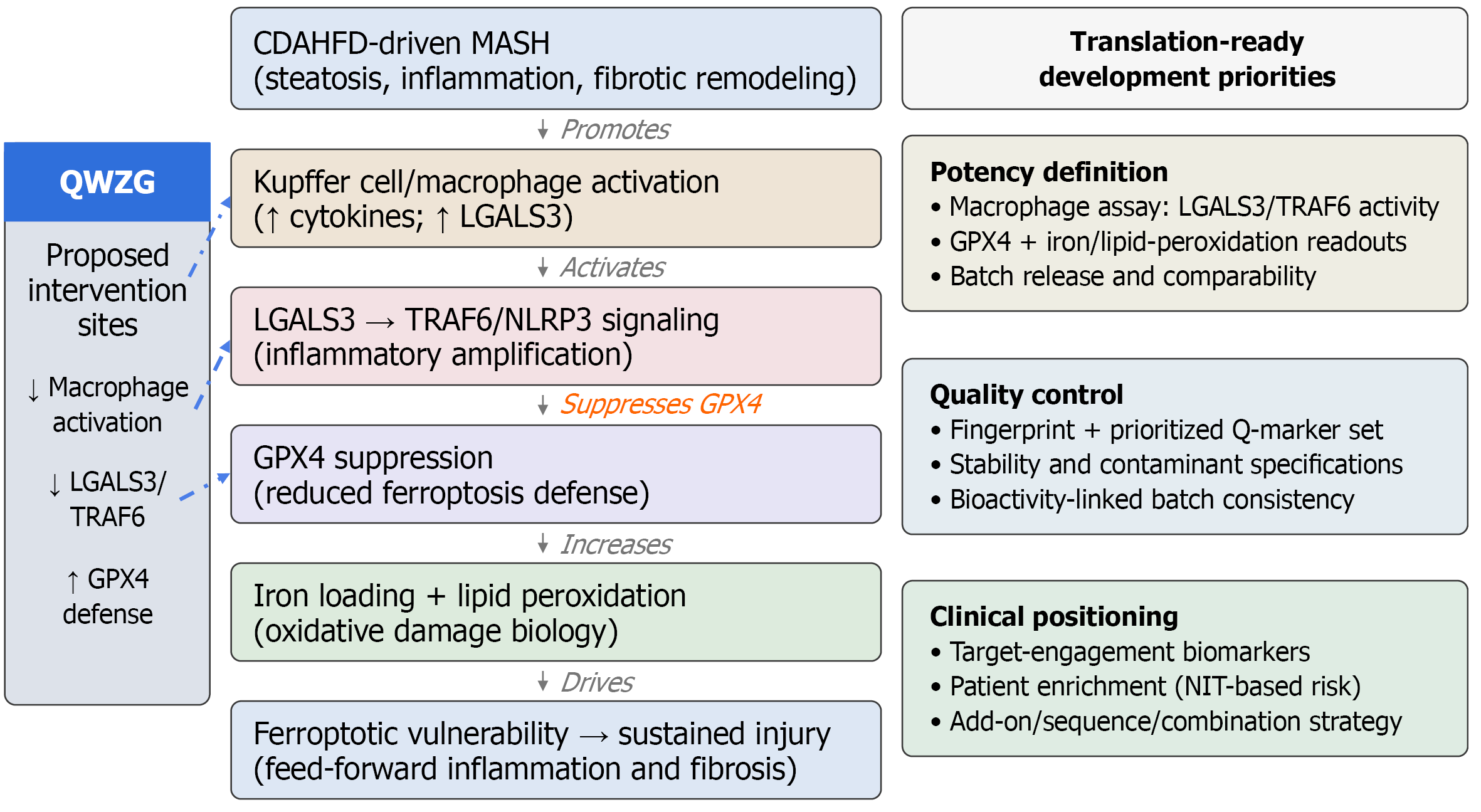
Figure 1 Proposed macrophage-centered LGALS3-TRAF6-GPX4 axis and translation-ready development priorities in metabolic dys
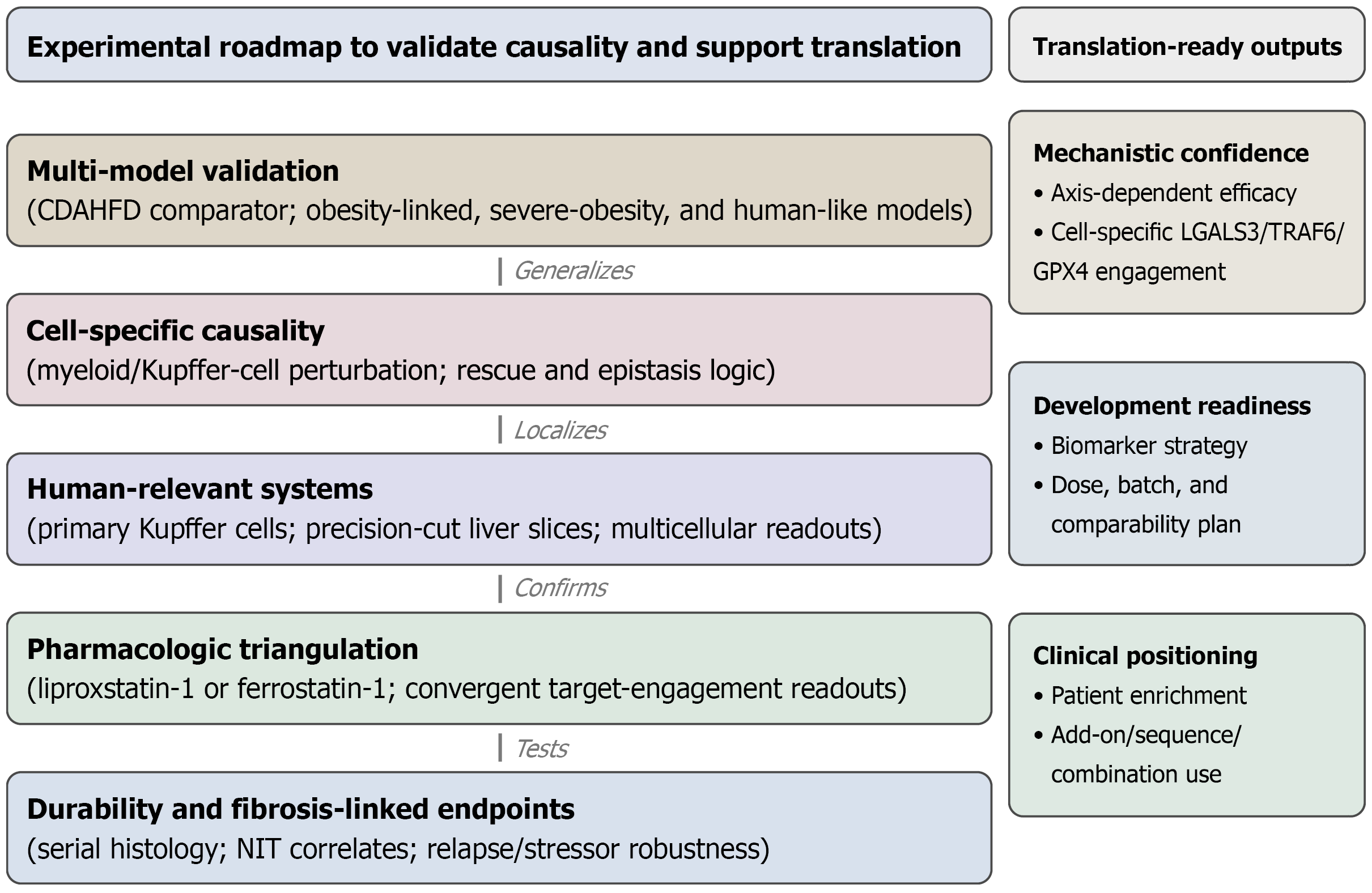
Figure 2 Experimental roadmap for establishing causality and translatability of the macrophage-centered LGALS3-TRAF6-GPX4 axis in metabolic dysfunction-associated steatohepatitis.
The figure details a follow-up experimental strategy for investigating the macrophage-driven LGALS3-TRAF6-GPX4 axis, moving past basic efficacy observations. The plan highlights several core steps. Investigators must first confirm these effects in highly metabolic animal models and run cell-specific causality tests within hepatic myeloid populations. It is also critical to reproduce the pathway responses in human-derived setups, such as primary Kupffer cells or precision-cut liver slices. Additional steps involve using chemical inhibitors to verify the exact ferroptosis link, followed by long-term tracking to ensure the fibrosis reduction holds up over time. Completing this sequence provides the biological certainty required to advance the therapy and define its clinical role in metabolic dysfunction-associated steatohepatitis. CDAHFD: Choline-deficient, L-amino acid-defined high-fat diet; NIT: Noninvasive test.
- Citation: Liu W, Shi ZJ. LGALS3 signaling and macrophage ferroptosis in steatohepatitis. World J Hepatol 2026; 18(6): 120591
- URL: https://www.wjgnet.com/1948-5182/full/v18/i6/120591.htm
- DOI: https://dx.doi.org/10.4254/wjh.120591