
















Copyright: ©Author(s) 2026.
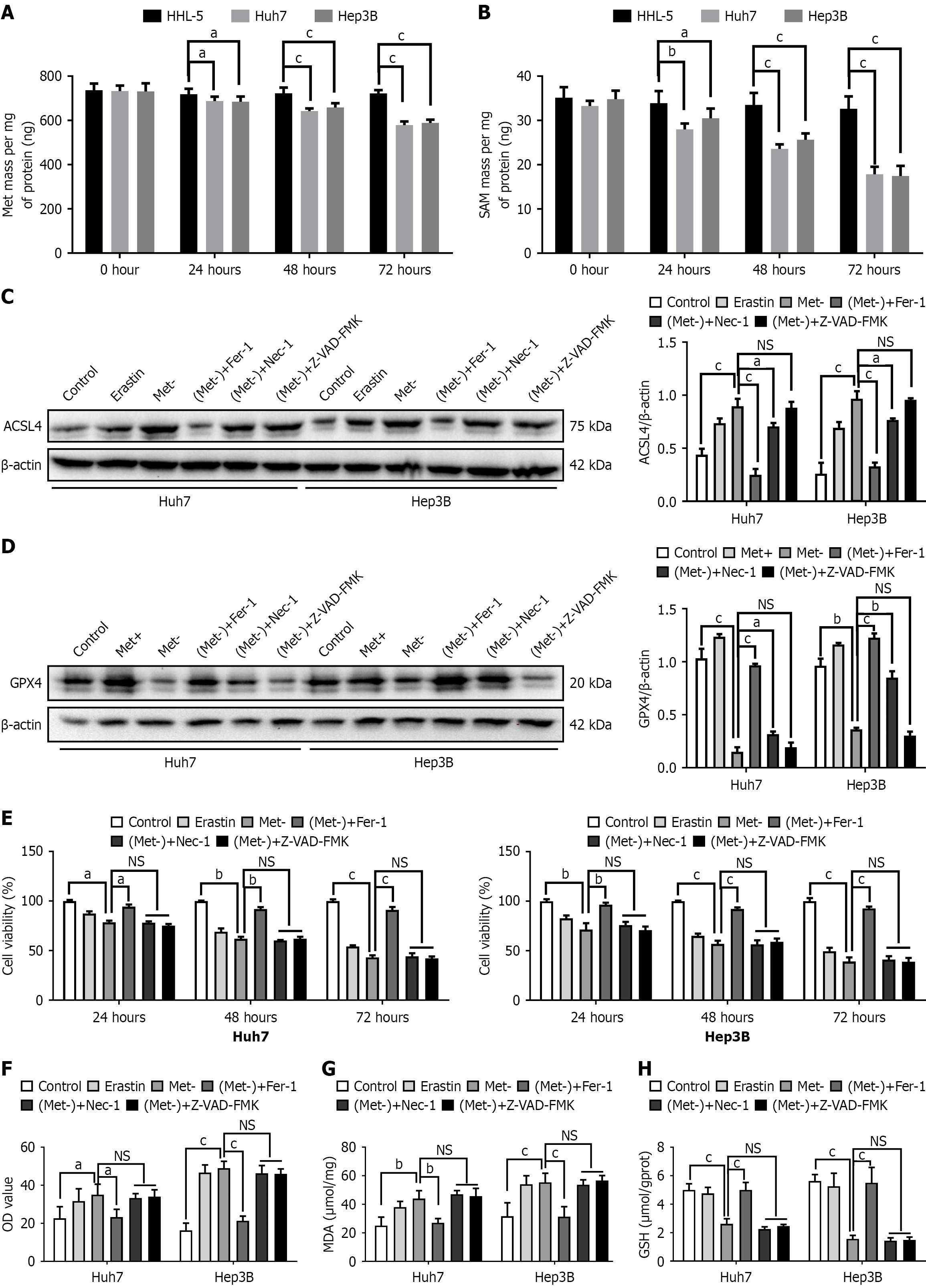
Figure 1 Methionine deficiency promotes hepatocellular carcinoma cell ferroptosis.
A and B: Intracellular methionine and S-adenosylmethionine levels were determined using ELISA assay; C and D: ACSL4 and GPX4 levels were examined by western blot; E: Cell proliferation activity was assessed using the CCK-8 assay; F: Reactive oxygen species levels were measured using the fluorescent probe DCFH-DA; G: Intracellular lipid peroxidation was evaluated using the malondialdehyde assay kit; H: Intracellular glutathione levels were determined using the glutathione colorimetric assay. Erastin (a ferroptosis inducer, 10 μm, 24 hours), ferrostatin-1 (Fer-1, a potent and selective inhibitor of ferroptosis, 2 μm, 24 hours), necrostatin-1 (Nec-1, a potent necroptosis inhibitor that crosses the blood-brain barrier, 60 μm, 24 hours), and Z-VAD-FMK (a pan-caspase inhibitor, 50 μm, 24 hours) were used. Results are presented as the mean ± SD, n = 3. aP < 0.05; bP < 0.01; cP < 0.001. Met: Methionine; SAM: S-adenosylmethionine; Met-: Methionine-deficient; Met+: Methionine-supplemented (100 μm); GSH: Glutathione; MDA: Malondialdehyde; NS: Not significant.
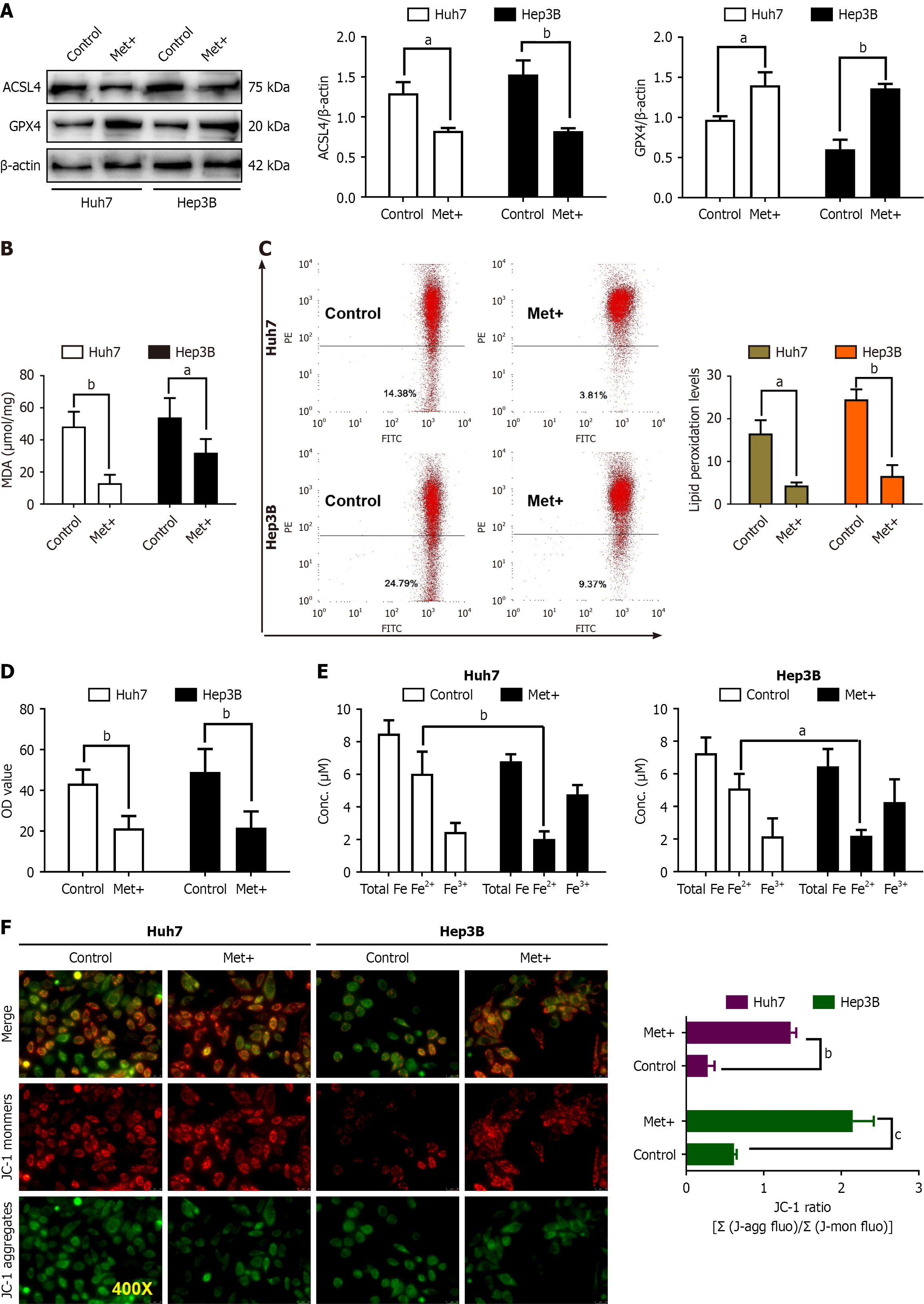
Figure 2 Methionine supplementation inhibits hepatocellular carcinoma cell ferroptosis.
A: ACSL4 and GPX4 levels were detected by Western blot; B: Intracellular lipid peroxidation was evaluated using the malondialdehyde assay kit; C: Lipid peroxidation levels were assessed using the BODIPY 581/591 C11 fluorescent probe; D: Intracellular reactive oxygen species levels were measured using the fluorescent probe DCFH-DA; E: Intracellular Fe2+, Fe3+ and total Fe levels were detected using the Iron Assay kit; F: Changes in mitochondrial membrane potential were evaluated using JC-1 staining. Results are presented as the mean ± SD, n = 3. aP < 0.05; bP < 0.01; cP < 0.001. Met+: Methionine-supplemented (100 μm); MDA: Malondialdehyde.
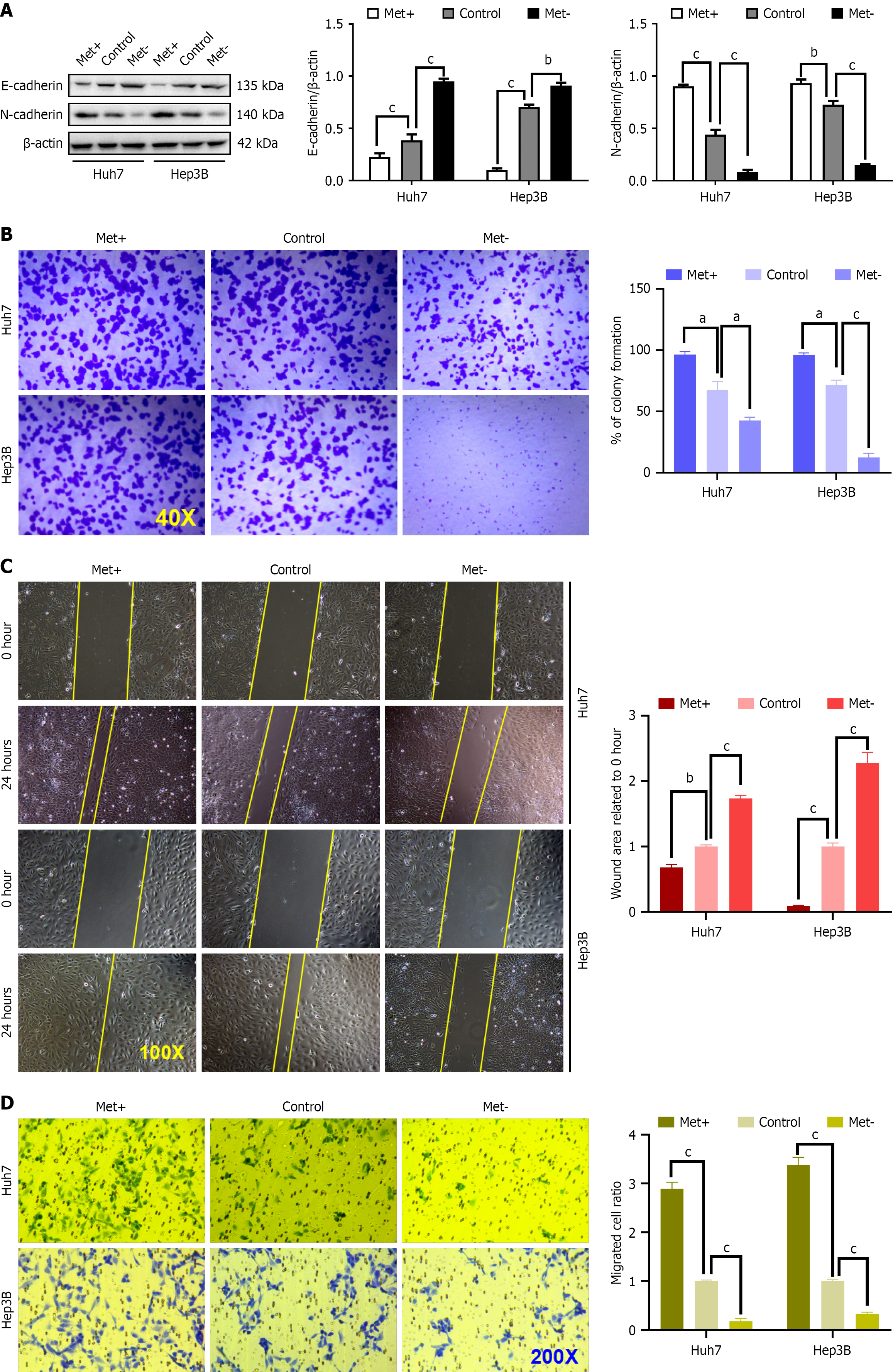
Figure 3 Methionine supplementation promotes epithelial-mesenchymal transition, while methionine deficiency inhibits epithelial-mesenchymal transition in hepatocellular carcinoma cells.
A: E-cadherin and N-cadherin levels were detected by Western blot; B: Cell proliferation was assessed using the clone formation assay; C: Cell migration was evaluated using the scratch healing assay; D: Cell invasion was assessed using the Transwell assay. Results are presented as the mean ± SD, n = 3. aP < 0.05; bP < 0.01; cP < 0.001. Met-: Methionine-deficient; Met+: Methionine-supplemented (100 μm).
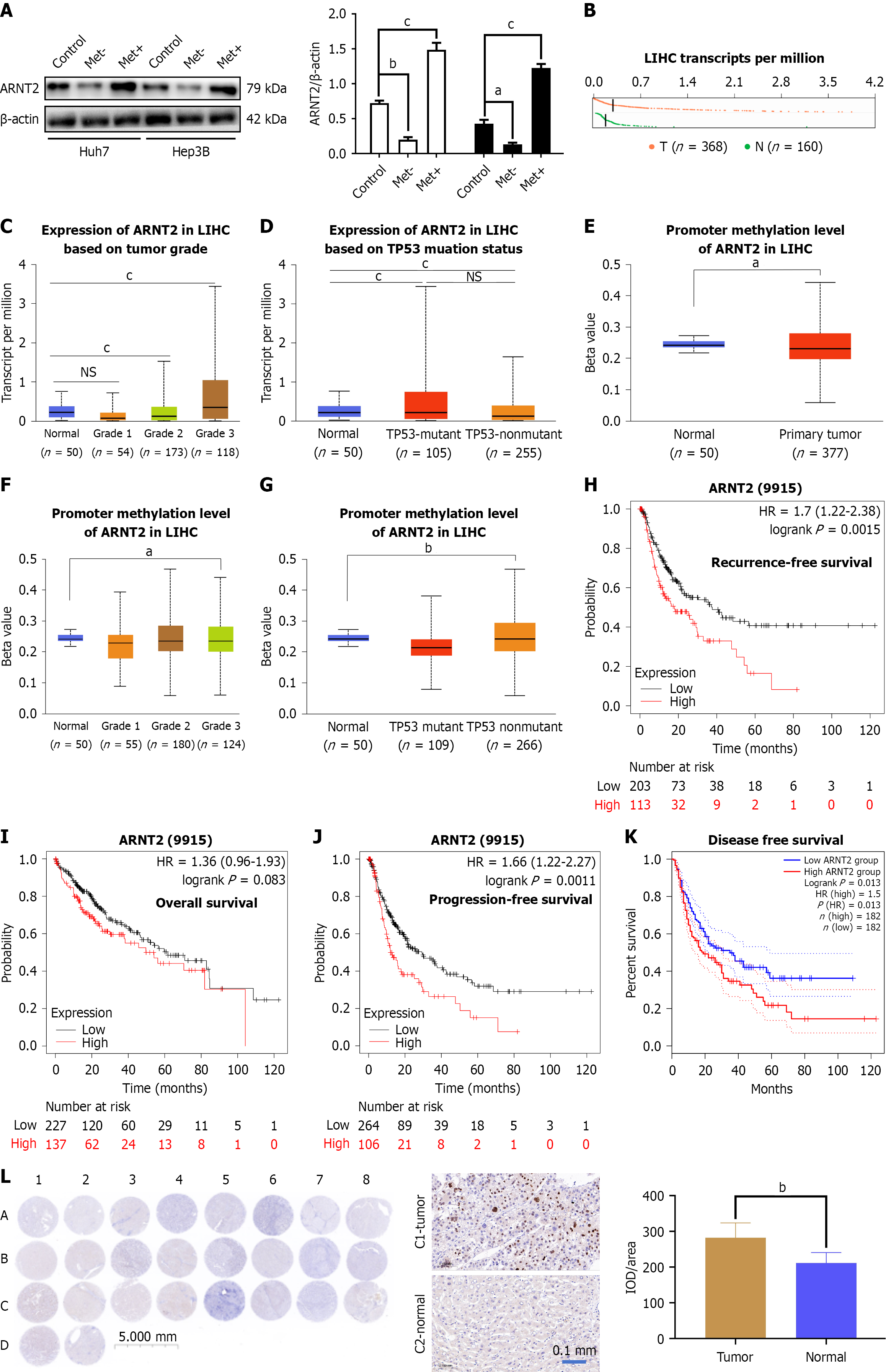
Figure 4 Methionine regulates the expression of ARNT2, which is associated with hepatocellular carcinoma status and poor prognosis.
A: ARNT2 levels in hepatocellular carcinoma cells were measured by Western blot; B: ARNT2 levels in liver hepatocellular carcinoma were analyzed using the GEPIA 2 online tool; C-G: ARNT2 expression in LIHC under different clinical conditions was assessed using the ULCAN online tool; H-J: The association between ARNT2 expression and survival was analyzed using the Kaplan-Meier online tool; K: Survival analysis of ARNT2 expression was conducted using the GEPIA 2 online tool; L: ARNT2 expression was evaluated by immunohistochemical staining. Results are presented as the mean ± SD, n = 3. aP < 0.05; bP < 0.01; cP < 0.001. LIHC: Liver hepatocellular carcinoma; HCC: Hepatocellular carcinoma; Met-: Methionine-deficient; Met+: Methionine-supplemented (100 μm); NS: Not significant.
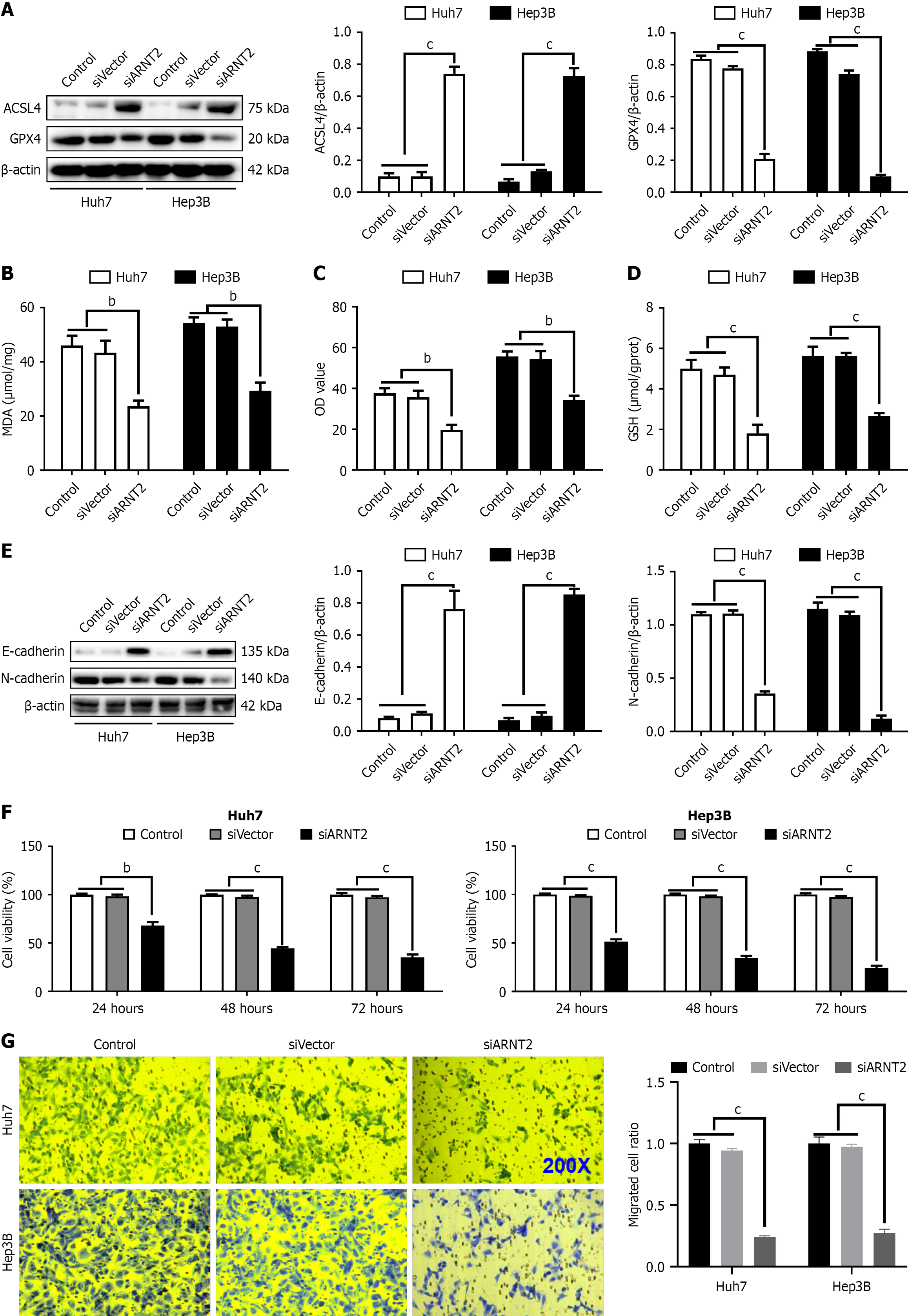
Figure 5 Silencing aryl hydrocarbon receptor nuclear translocator 2 inhibits epithelial-mesenchymal transition and promotes ferroptosis in hepatocellular carcinoma cells.
A: ACSL4 and GPX4 expression levels were detected by Western blot; B: Intracellular lipid peroxidation was assessed by malondialdehyde assay kit; C: Intracellular reactive oxygen species contents were determined by the fluorescent probe DCFH-DA; D: Intracellular glutathione levels were determined using the glutathione colorimetric assay; E: E-cadherin and N-cadherin contents were determined with Western blot; F: Cell proliferation activity was evaluated by the CCK-8 assay; G: Cell invasion was evaluated by Transwell assay. Results indicate mean ± SD, n = 3. bP < 0.01; cP < 0.001. MDA: Malondialdehyde; GSH: Glutathione.
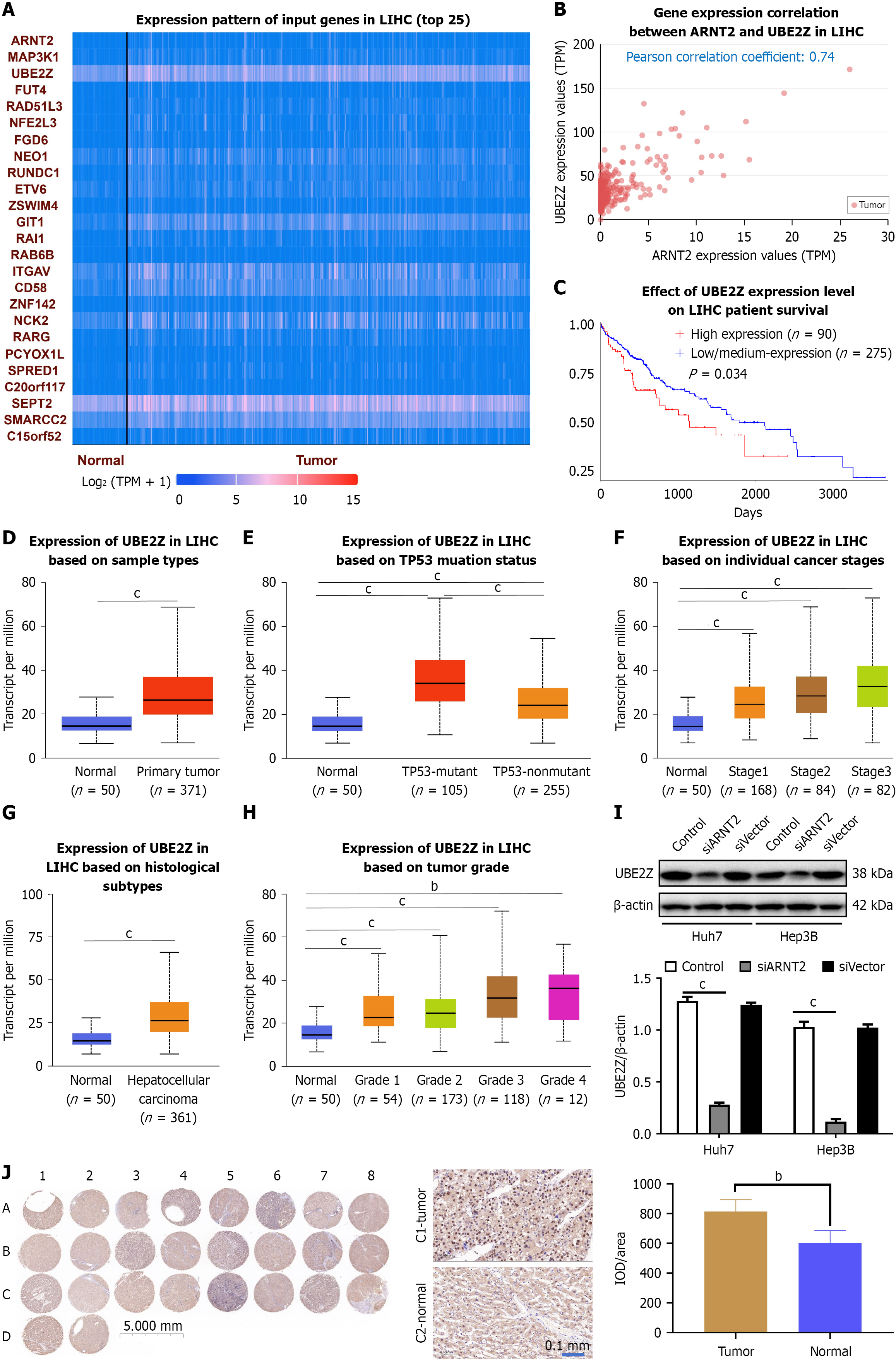
Figure 6 Silencing ARNT2 inhibits UBE2Z expression, which is associated with hepatocellular carcinoma status and poor prognosis.
A: Expression patterns of input genes in liver hepatocellular carcinoma (top 25) were analyzed using the ULCAN online tool; B: The correlation between ARNT2 and UBE2Z expression was analyzed using the ULCAN online tool; C: The association between ARNT2 expression and survival was analyzed using the ULCAN online tool; D-H: UBE2Z expression in liver hepatocellular carcinoma under different clinical conditions was assessed using the ULCAN online tool; I: UBE2Z levels were analyzed by Western blot; J: UBE2Z expression was evaluated using immunohistochemical staining. Results are presented as the mean ± SD, n = 3. bP < 0.01; cP < 0.001. LIHC: Liver hepatocellular carcinoma.
- Citation: Yin DD, Jiang WY, Huang YT, Zhou SP, Zhang YC. Methionine depletion inhibits hepatocellular carcinoma by inducing ferroptosis and suppressing epithelial-mesenchymal transition through the ARNT2/UBE2Z pathway. World J Hepatol 2026; 18(6): 120427
- URL: https://www.wjgnet.com/1948-5182/full/v18/i6/120427.htm
- DOI: https://dx.doi.org/10.4254/wjh.120427