
















Copyright: ©Author(s) 2026.
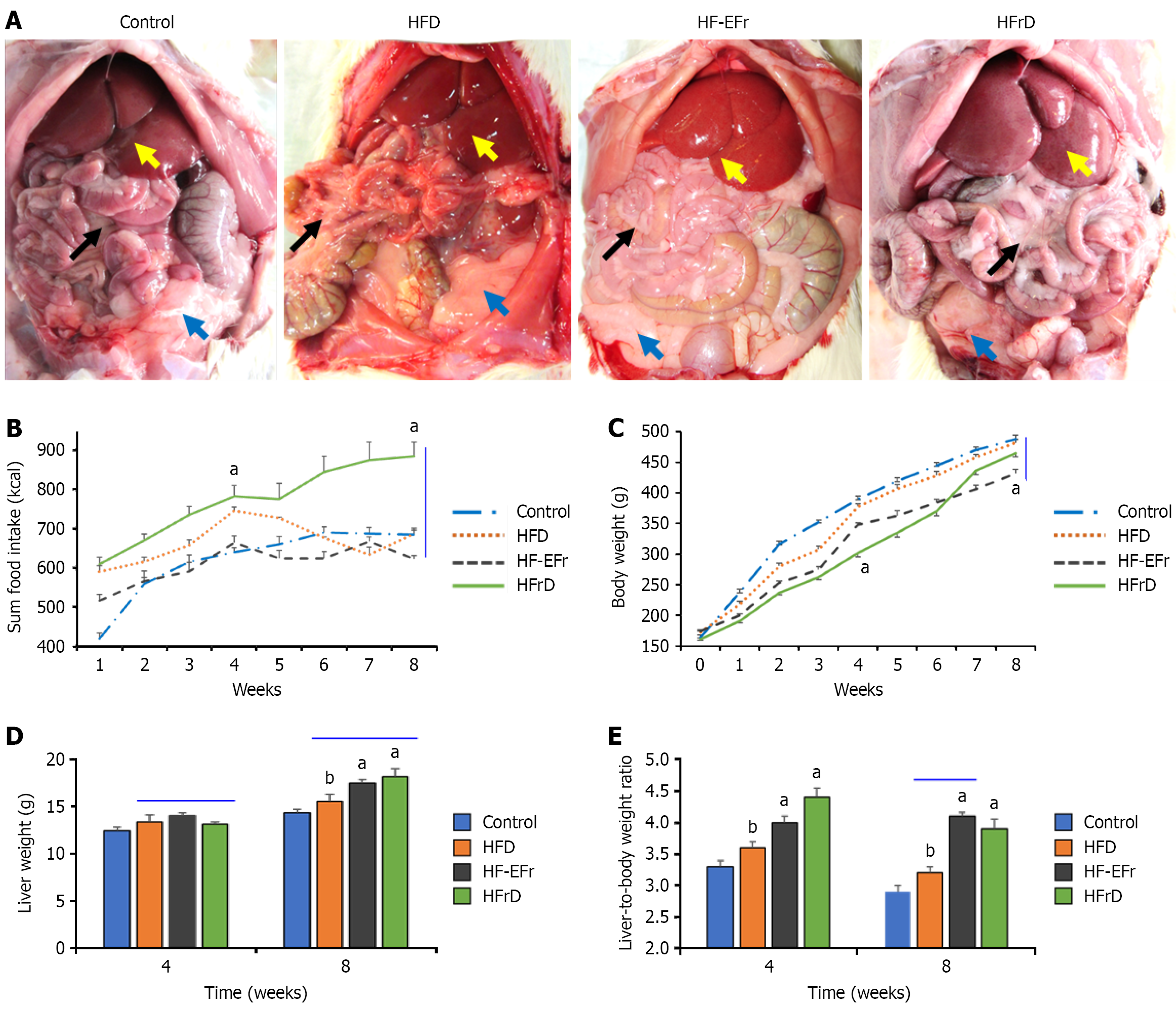
Figure 1 Differential effects of fructose-enriched diets on energy intake, growth dynamics, and liver hypertrophy.
A: Representative gross photographs of the abdominal cavity from male rats after 8 weeks of dietary intervention. Yellow arrows point at the liver, black arrows point at the mesenteric white adipose tissue (WAT), and the blue arrows point at the epidydimal WAT; B: Cumulative weekly caloric intake (kcal/rat/week) measured over the 8-week feeding period, highlighting the hyperphagia in the modified liquid Lieber-DeCarli (LDC) diet with high 70% kcal fructose (HFrD) group; C: Absolute body weight (g) measured weekly, illustrating the delayed growth but accelerated weight gain trajectory of the HFrD group, and the attenuated body weight gain of the high fat plus ethanol 30% and 30% fructose group; D: Absolute liver weight (gram); E: Relative liver weight (RLW, %), reflecting diet-associated hepatomegaly, measured at weeks 4 and 8. The control group was given chow pellets; other groups received lipid diet in bottles, high-fat diet (standard LDC diet). aP < 0.05 vs control, bP < 0.05 vs HFrD. Statistical analysis was performed using two-way ANOVA with Tukey’s post hoc test unless otherwise indicated. Data are expressed as mean ± SEM (n = 5/group). HFD: High-fat diet; HF-EFr: High-fat plus ethanol and fructose; HFrD: High-fructose diet.
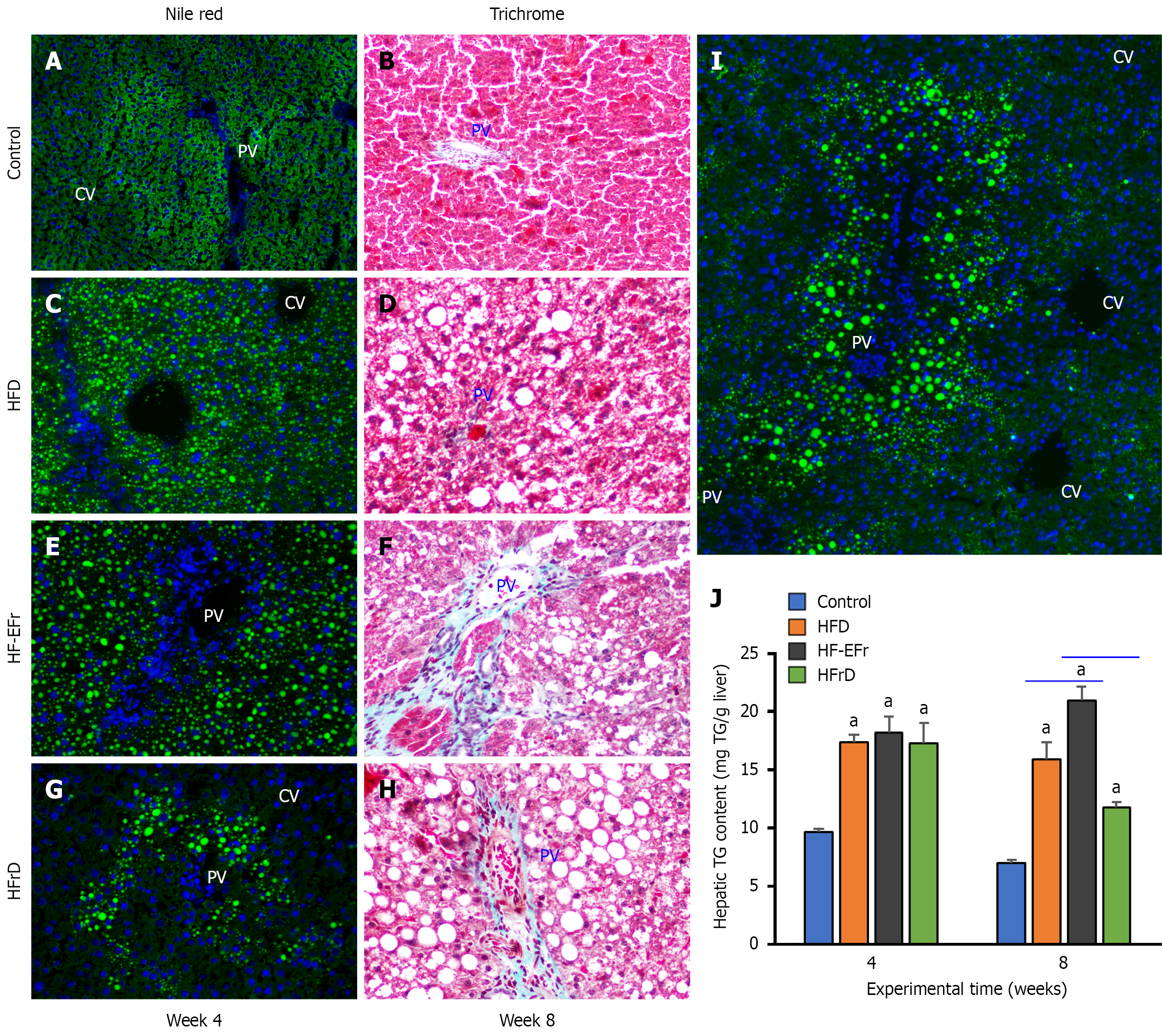
Figure 2 Hepatic steatosis and progressive fibrosis characterization by Nile red (left panel), Masson’s trichrome (right panel) at weeks 4 and 8, respectively, and quantification of hepatic triglyceride content.
A and B: Control rats micrographs show preserved hepatic architecture without lipid accumulation or fibrosis; C and D: High-fat diet group micrographs display diffuse micro- and medio-vesicular steatosis with minimal collagen deposition; E and F: High-fat plus ethanol and fructose (HF-EFr) group micrographs exhibit abundant lipid droplets of variable sizes, with increased portal and perisinusoidal collagen deposition extending into adjacent lobular regions, consistent with stage 2 fibrosis; G and H: Lieber-DeCarli high-fructose diet (HFrD) group micrographs demonstrate marked macro-vesicular steatosis, mainly in the periportal (portal vein) region accompanied by stage 2 fibrosis; Micrographs were acquired at × 20 magnification; I: × 5 magnification of Nile red stain of HFrD rats fed for 2 weeks; J: Biochemical quantification of hepatic triglyceride (TG) content (mg TG/g liver homogenate) at weeks 4 and 8. aP < 0.05 vs control. TG content in the liver HF-EFr at week 8 is significant over all groups. HFD: High-fat diet; HF-EFr: High-fat plus ethanol and fructose; HFrD: High-fructose diet.
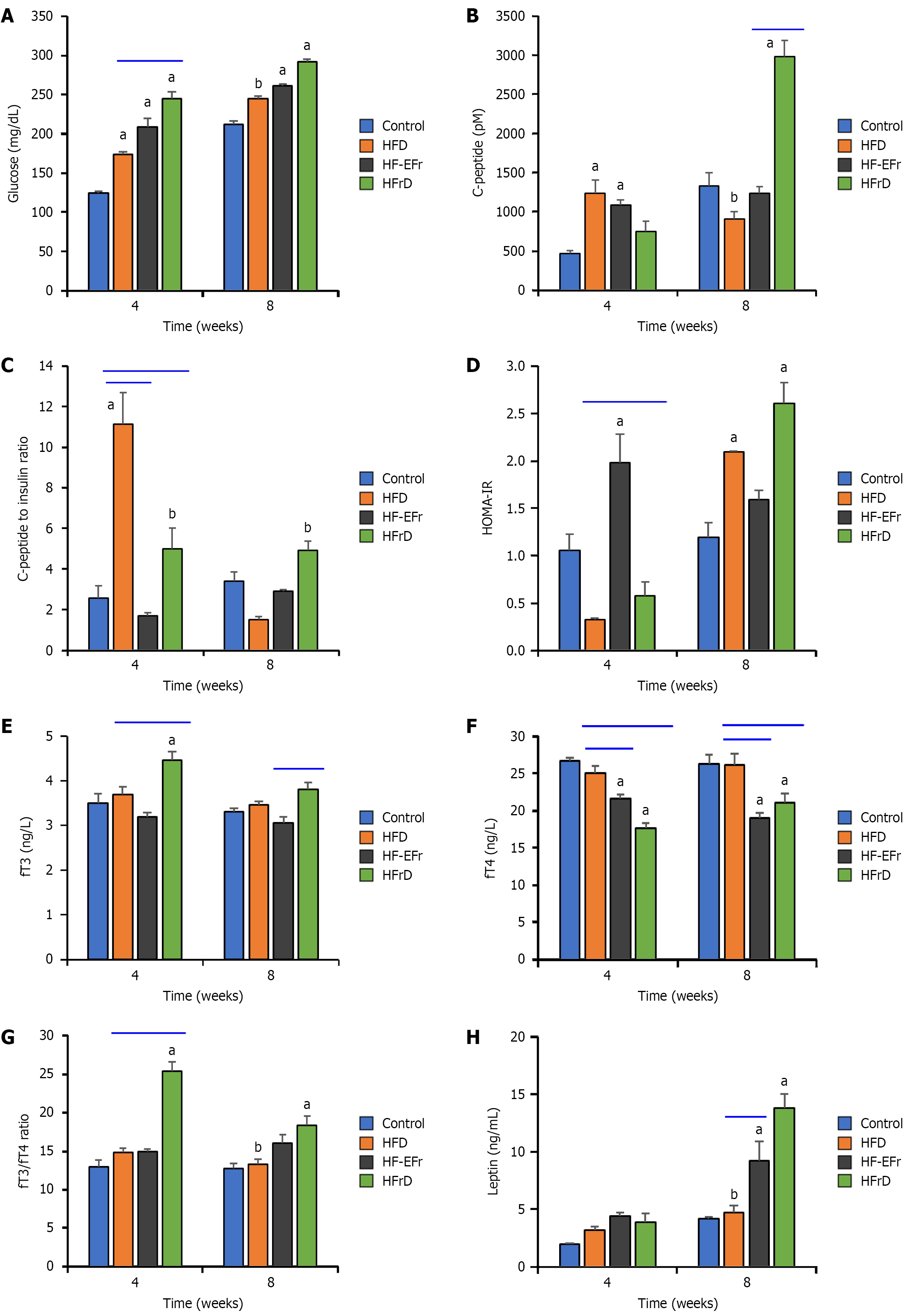
Figure 3 Fructose diets induce systemic dysregulation of glucose level, β-cell function, leptin, and the thyroid hormone homeostasis.
A: Fasting serum glucose levels; B: C-peptide level; C: C-peptide-to-insulin ratio (index of hepatic insulin clearance); D: Homeostatic Model Assessment for Insulin Resistance (HOMA-IR); E: Serum free triiodothyronine (fT3); F: Serum free thyroxine (fT4); G: FT3/fT4 ratio (index of T4-to-T3 peripheral conversion); H: Fasting circulating leptin levels, as a surrogate marker of adiposity, positively correlating with total body fat mass. aP < 0.05 vs control, bP < 0.05 vs HFrD. HFD: High-fat diet; HF-EFr: High-fat plus ethanol and fructose; HFrD: High-fructose diet.
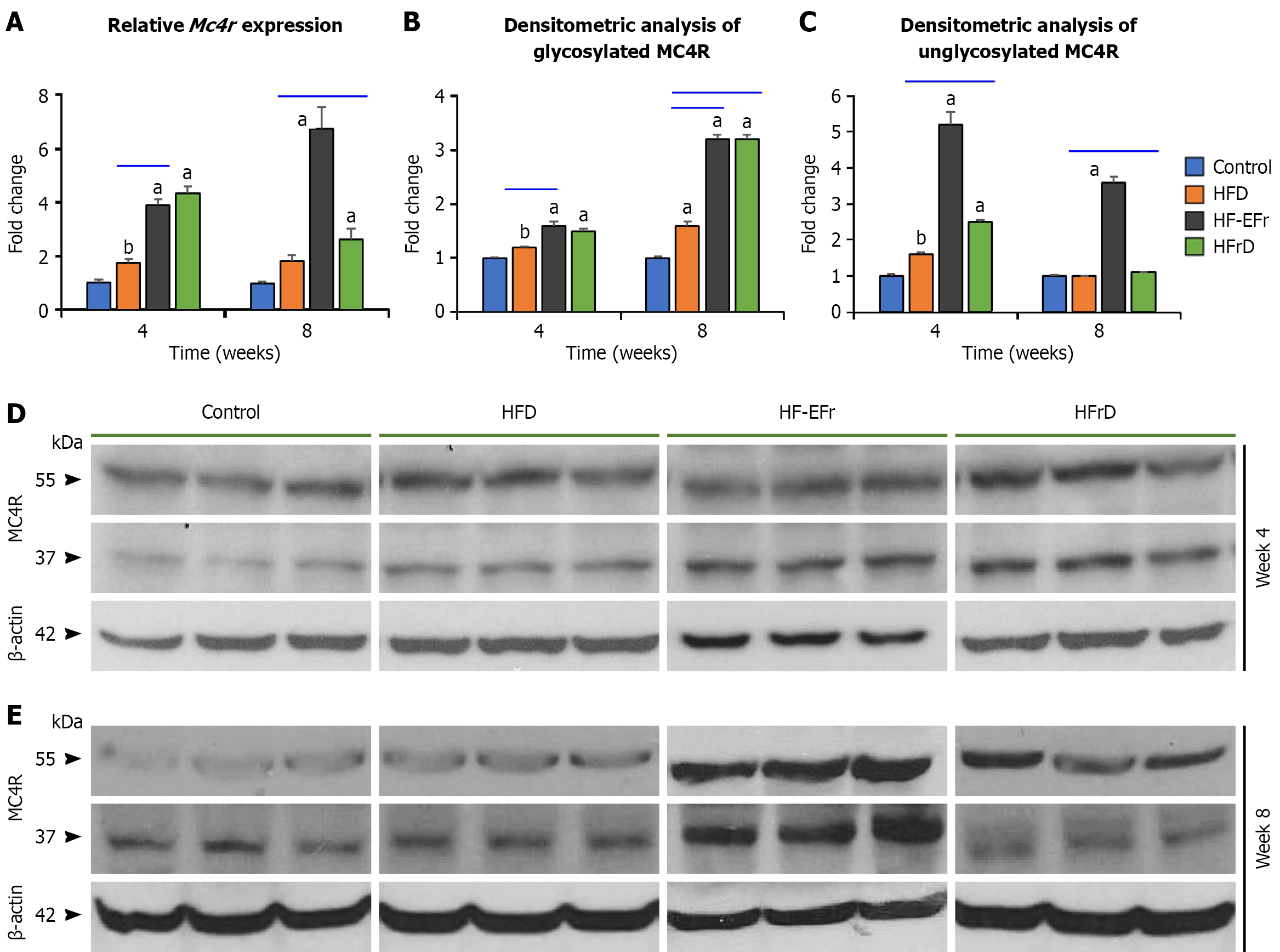
Figure 4 MC4R mRNA and protein expression dynamics exhibit diet- and time-dependent differences in glycosylation status.
A: MC4R mRNA levels determined by real-time reverse transcription PCR; B: Densitometric analysis of the mature (glycosylated) MC4R protein (55 kDa); C: Densitometric analysis of the immature (unglycosylated) MC4R protein (37 kDa). Data in panels A-C are expressed as fold change relative to the control group (Y-axis) at weeks 4 and 8 (X-axis); D and E: Representative western blots of MC4R (55 kDa and 37 kDa) and β-actin (42 kDa, loading control) in hepatic lysates (75 µg protein per lane resolved by SDS-PAGE) at week 4 and week 8 from control, high-fat diet, high-fat plus ethanol and fructose, and modified Lieber-DeCarli high-fructose diet groups. Band intensities were quantified by densitometry using ImageJ. MC4R intensities were normalized to β-actin, and fold changes were calculated relative to the mean of the corresponding control group at each time point. Data represent mean ± SEM of independent samples. aP < 0.05 vs control, bP < 0.05 vs HFD. HFD: High-fat diet; HF-EFr: High-fat plus ethanol and fructose; HFrD: High-fructose diet.
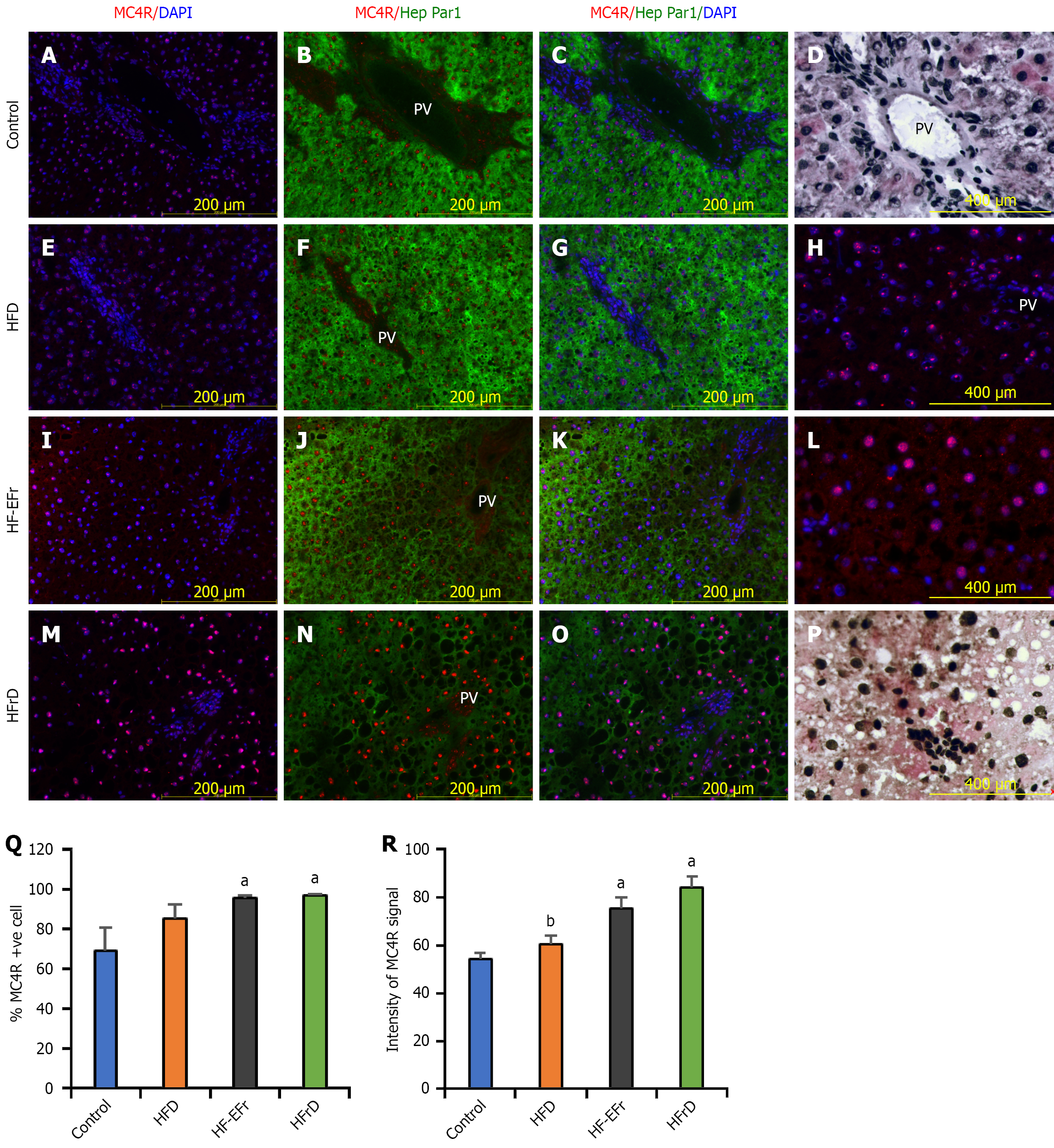
Figure 5 Fructose-enriched diets are associated with prominent nuclear MC4R immunoreactivity in hepatocytes as demonstrated by dual immunofluorescence staining and immunohistochemistry.
A-C: Row represents the control group showing some small, and mainly nuclear positive MC4R red dots [immunofluorescence (IF)]; D: Immunohistochemistry (IHC) at week 8 shows faint cytoplasmic MC4R (brown) in some hepatocytes of formalin-fixed, paraffin-embedded following antigen retrieval. Nuclei are counterstained with hematoxylin (× 400, scale = 50 μm); E-G: High-fat diet (HFD) group micrographs show MC4R (red) and DAPI-stained nuclei (blue); H: Higher magnification (× 400) micrograph at week 8 highlights nuclear MC4R dots; I-K: Represent hepatic micrographs of high-fat plus ethanol and fructose group; MC4R (red) and DAPI (blue) reveal rounded nuclear MC4R positivity; L: Higher magnification (× 400) confirms nuclear localization at week 8; M-O: Micrographs of Lieber-DeCarli high-fructose diet group display the strongest MC4R nuclear positivity and accumulation (IF); P: IHC shows MC4R in both nuclear and cytoplasmic compartments, with numerous clear vacuoles due to lipid droplet loss (steatosis), nuclei were counterstained by hematoxylin (× 400); Q: Percentage of MC4R-positive nuclei at week 4; R: Mean fluorescence intensity (MFI) of nuclear-associated MC4R at week 4. aP < 0.05 vs control, bP < 0.05 vs HFD (one-way ANOVA with Tukey post-hoc test). n = 5 rats per group; about 15 images analyzed per group. Nuclear MC4R immunoreactivity is described at the level of protein localization by IF and IHC; no functional inference regarding nuclear MC4R signaling is made here. HFD: High-fat diet; HF-EFr: High-fat plus ethanol and fructose; HFrD: High-fructose diet; PV: Portal vein.
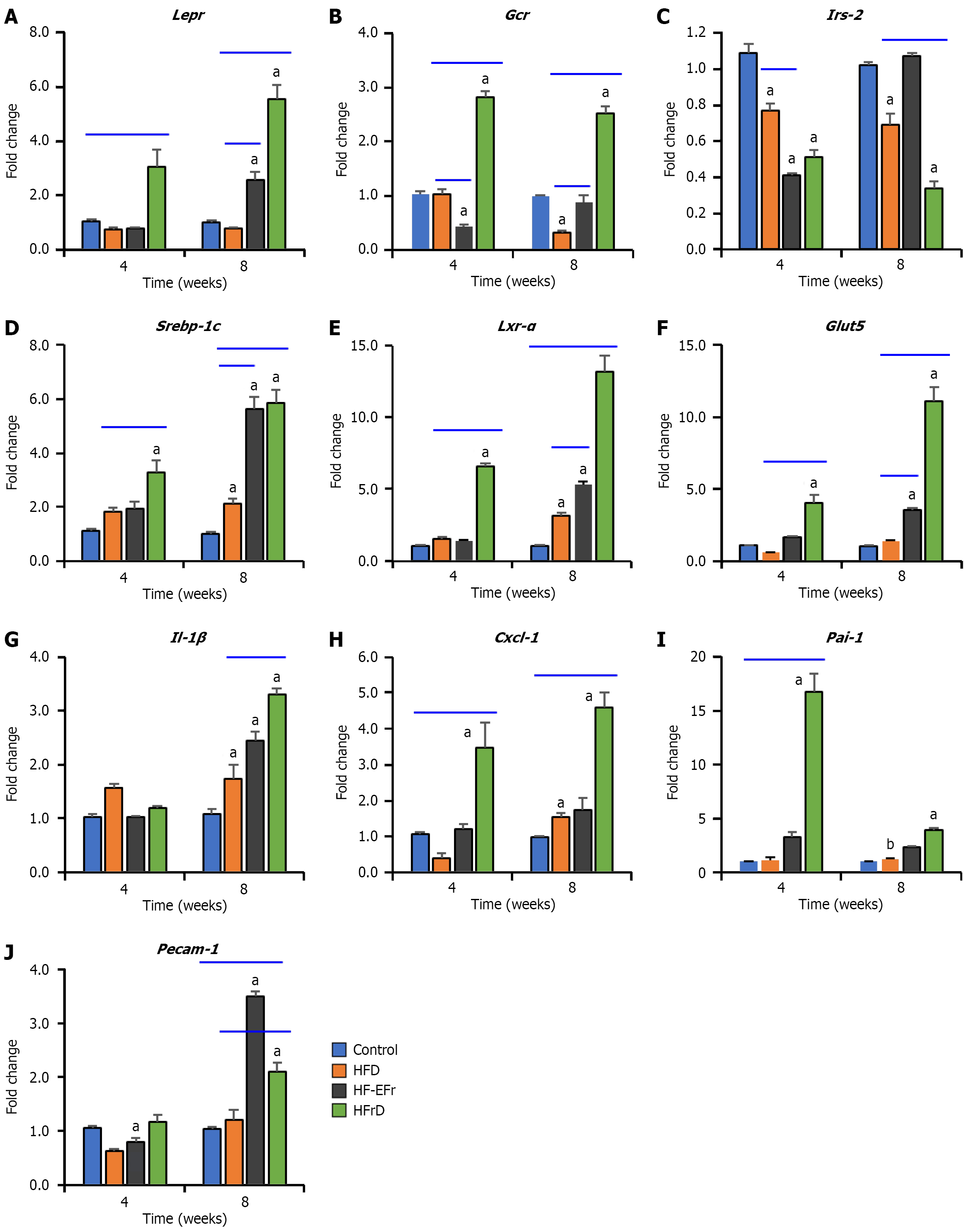
Figure 6 Relative gene expression in rat liver tissue following dietary intervention for 4 and 8 weeks, expressed as fold change to the control group.
A: Lepr; B: Gcr; C: Irs-2; D: Srebp-1c; E: Lxr-α; F: Glut5 fructose transporter; G: Il-1β; H: Cxcl-1 (chemokine); I: Pai-1; J: Pecam-1, highlighting differential metabolic, inflammatory, and endothelial responses across dietary interventions. aP < 0.05 vs control, bP < 0.05 vs HFD. Statistical analysis was performed using two-way ANOVA with Tukey’s post hoc test unless otherwise indicated. Data are expressed as mean ± SEM (n = 5/group). HFD: High-fat diet; HF-EFr: High-fat plus ethanol and fructose; HFrD: High-fructose diet.
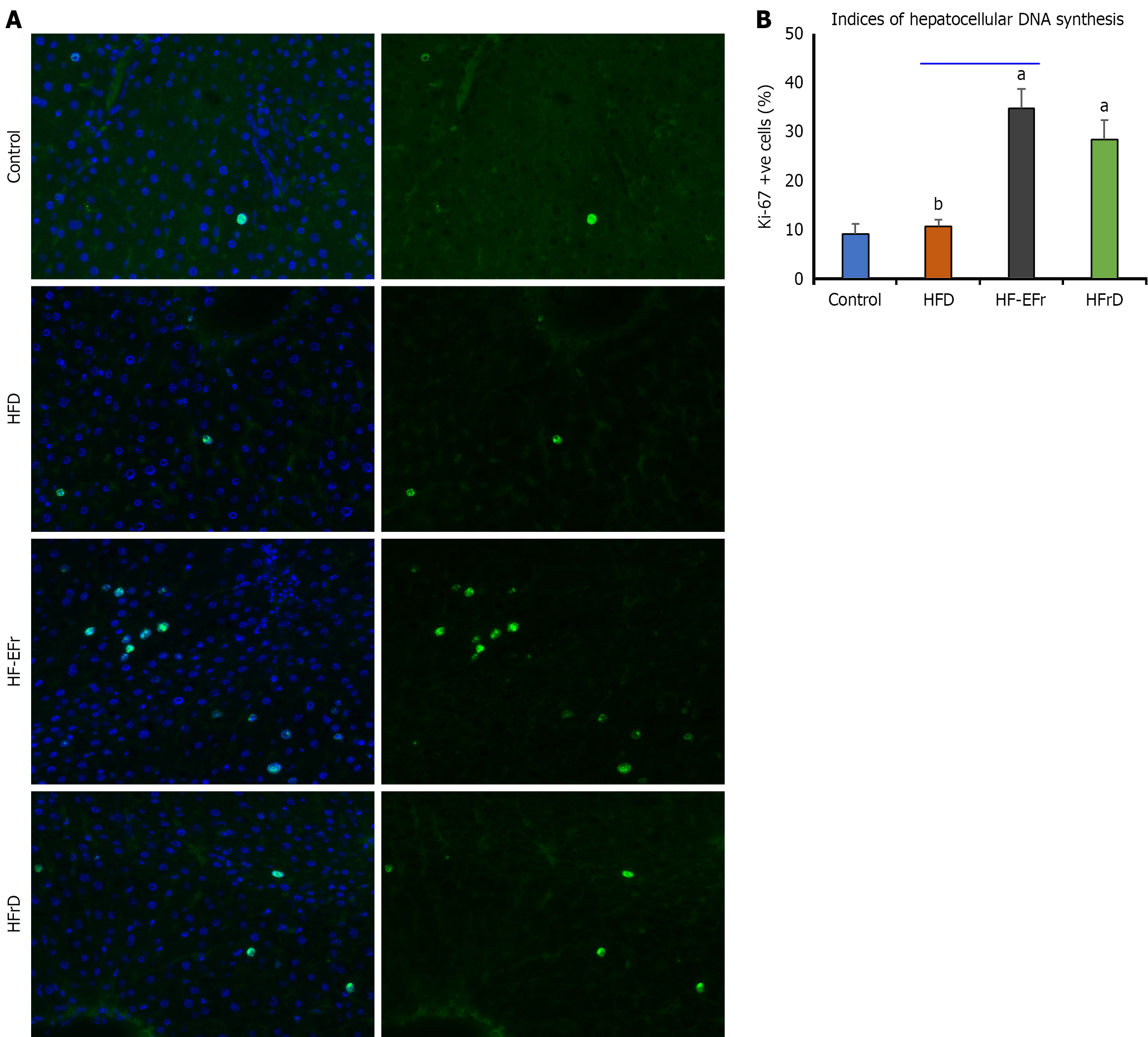
Figure 7 Indirect immunofluorescence staining for the proliferation marker Ki-67.
A: Representative liver sections show Ki-67-positive nuclei at week 4. DAPI was used for nuclear counterstaining (× 20); B: Indices of hepatocellular DNA synthesis were quantified as the percentage of Ki-67-positive cells across eight high-power fields per liver sample. Statistical analysis was performed using one-way ANOVA. Data are expressed as mean ± SEM (n = 5/group). aP < 0.05 vs control, bP < 0.05 vs HFD. HFD: High-fat diet; HF-EFr: High-fat plus ethanol and fructose; HFrD: High-fructose diet.
- Citation: Alwahsh SM, Xu M, Nabulsi M, Mihm S, Alzahrani FA, Ramadori GP. Differential impact of high-fructose and ethanol diets on early steatohepatitis and hepatic melanocortin-4 receptor responses in rats. World J Hepatol 2026; 18(6): 119792
- URL: https://www.wjgnet.com/1948-5182/full/v18/i6/119792.htm
- DOI: https://dx.doi.org/10.4254/wjh.119792