
















Copyright: ©Author(s) 2026.
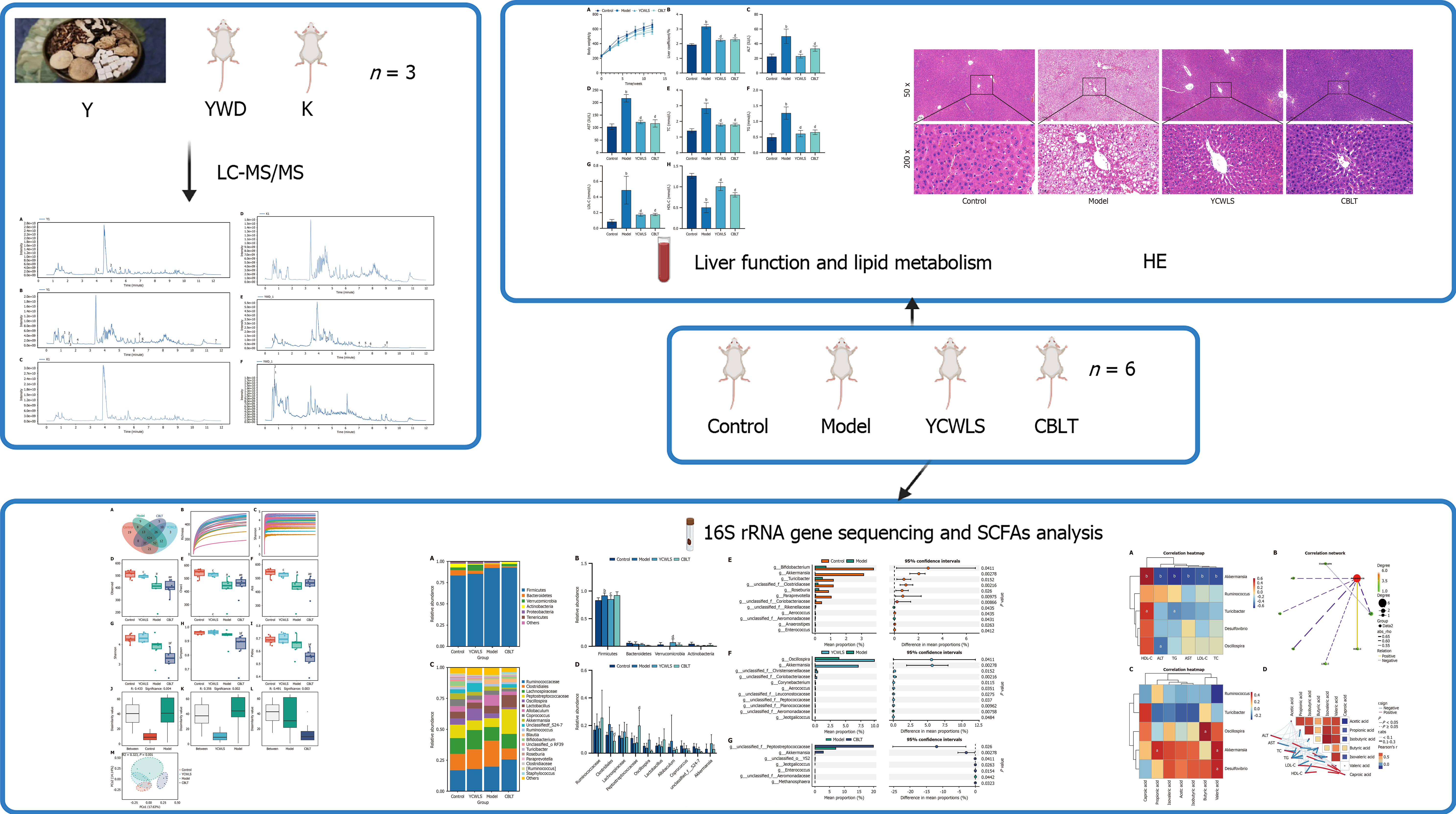
Figure 1 Flow chart of the experiment.
LC-MS/MS: Liquid chromatography-tandem mass spectrometry; YCWLS: Yinchen Wuling San; CBLT: Bifidobacterium quadruple live bacteria tablets; SCFA: Short-chain fatty acid.
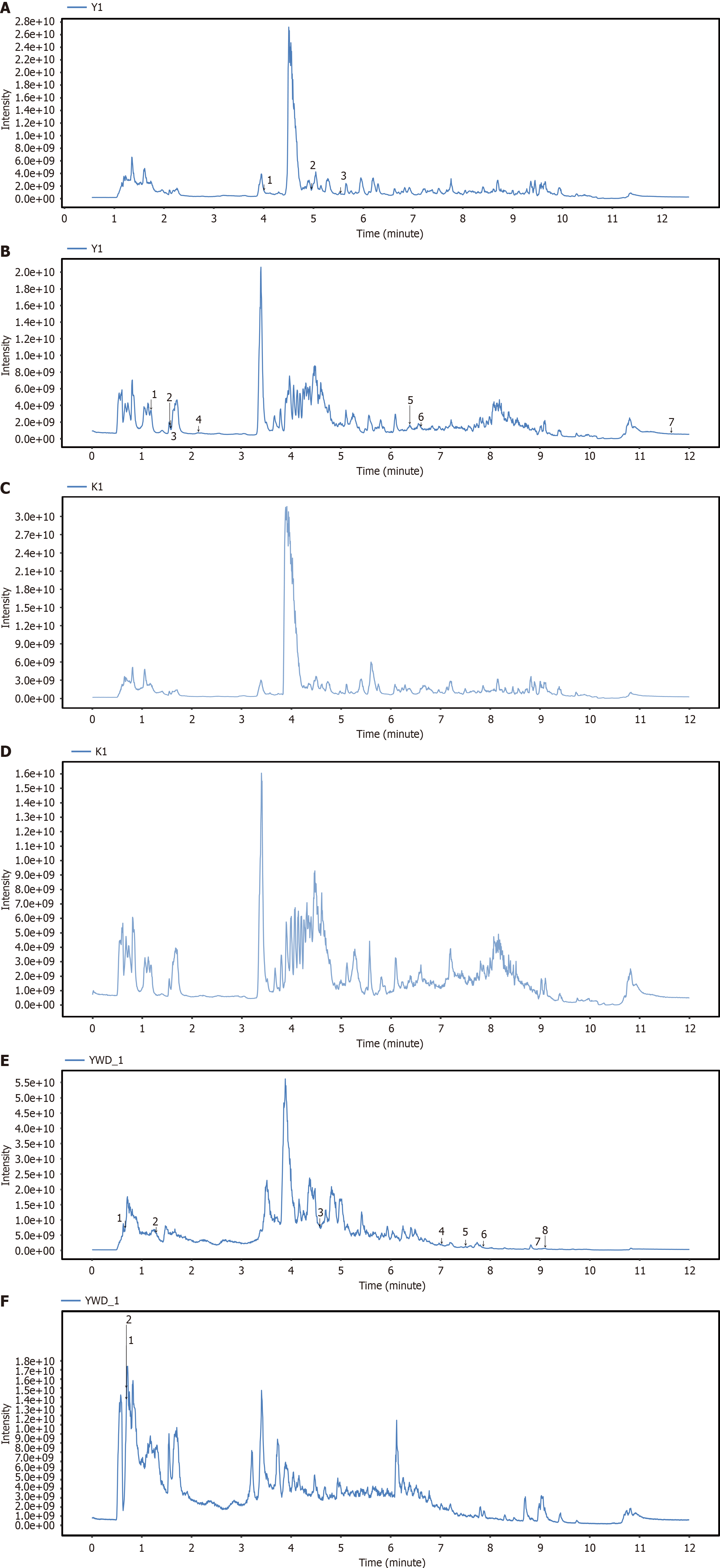
Figure 2 Illustration of the base peak ion chromatograms of plasma in both positive and negative ion modes.
A and B: The Yinchen Wuling San plasma sample; C and D: Indicates the blank plasma sample; E and F: Shows the Chinese medicine extract sample. A, B, and C are analyzed in negative ion mode. D, E, and F are analyzed in positive ion mode. Y1: The Yinchen Wuling San samples group; K1: The drug-containing serum group; YWD: The blank serum group.
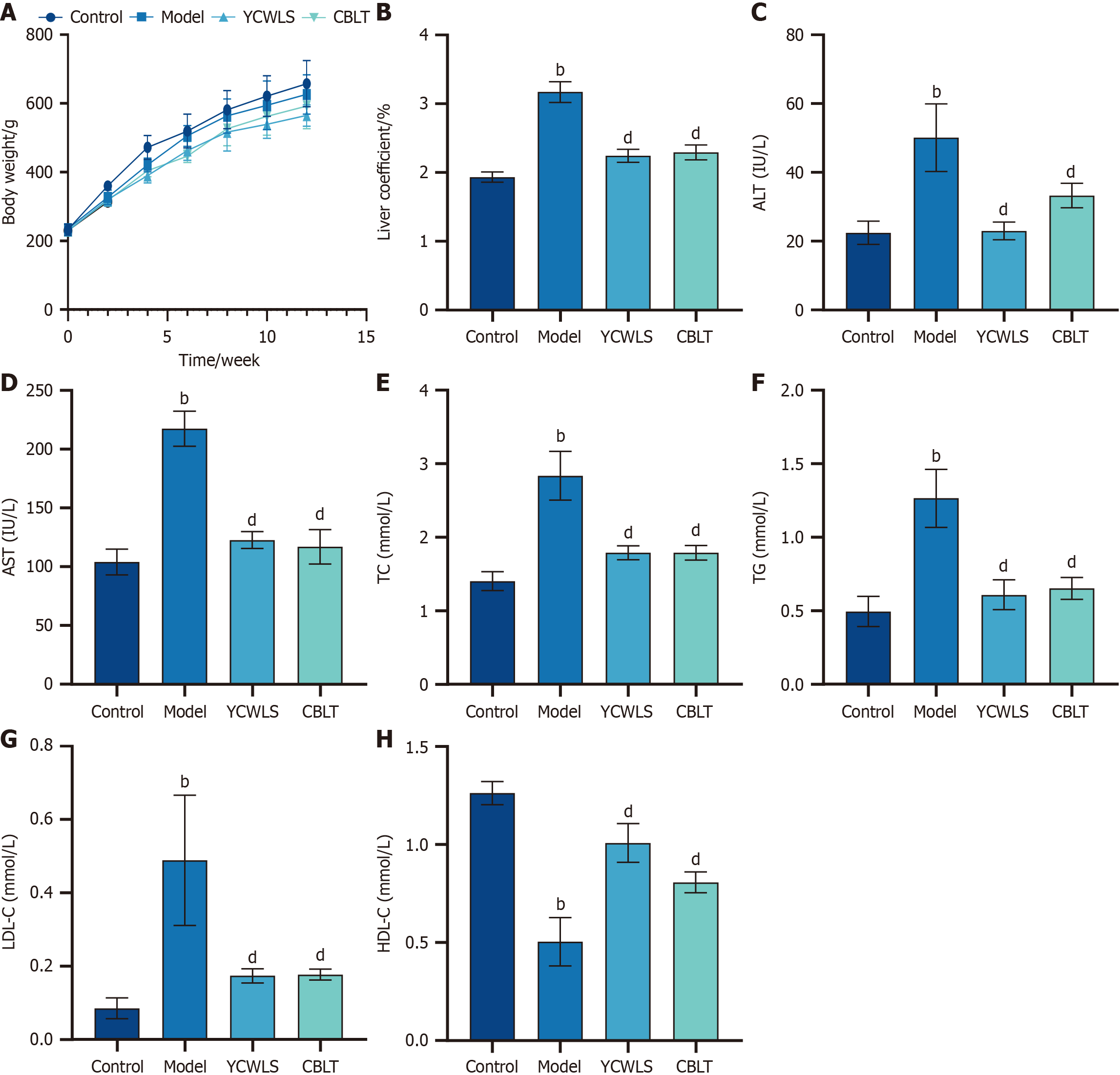
Figure 3 The effect of Yinchen Wuling San on body weight, hepatic function, and fat buildup in metabolic-associated fatty liver disease rats (n = 6).
A: Changes in the body mass of the rats in each group; B: Liver index; C: Alanine aminotransferase; D: Aspartate aminotransferase; E: Total cholesterol; F: Triglycerides; G: Low-density lipoprotein cholesterol; H: High-density lipoprotein cholesterol. The data are shown as the mean ± SD. bP < 0.01 vs control, dP < 0.01 vs model. YCWLS: Yinchen Wuling San; CBLT: Bifidobacterium quadruple live bacteria tablets; ALT: Alanine aminotransferase; AST: Aspartate aminotransferase; TC: Total cholesterol; TG: Triglycerides; LDL-C: Low-density lipoprotein cholesterol; HDL-C: High-density lipoprotein cholesterol.
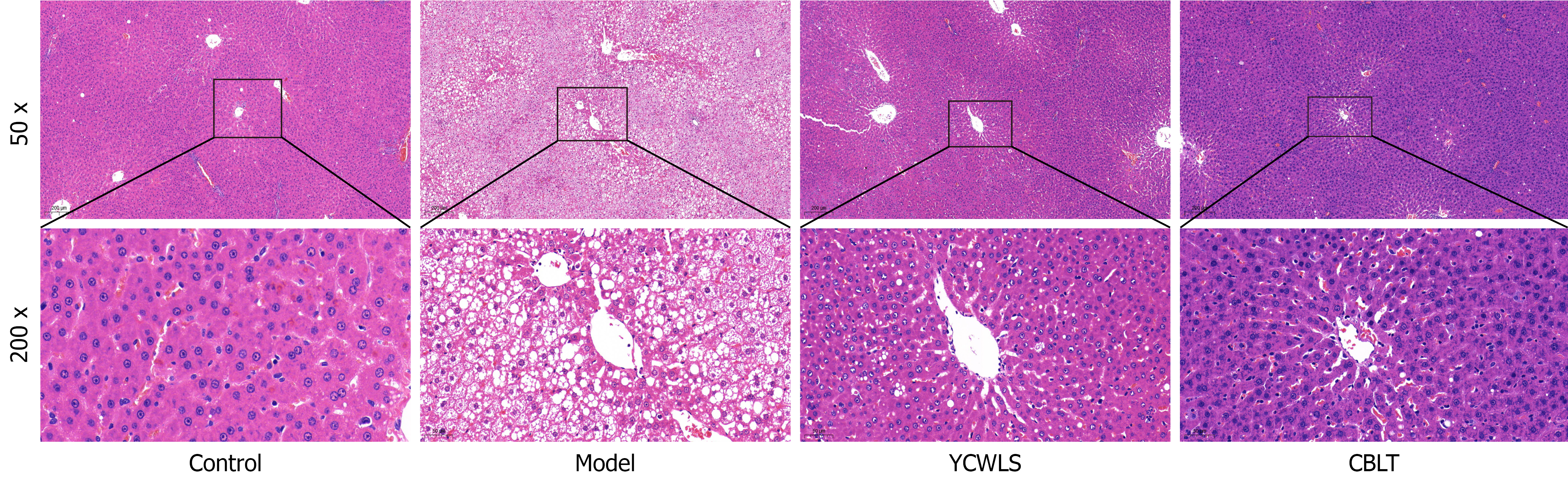
Figure 4 Impact of Yinchen Wuling San on lipid buildup in metabolic-associated fatty liver disease rats.
YCWLS: Yinchen Wuling San; CBLT: Bifidobacterium quadruple live bacteria tablets.
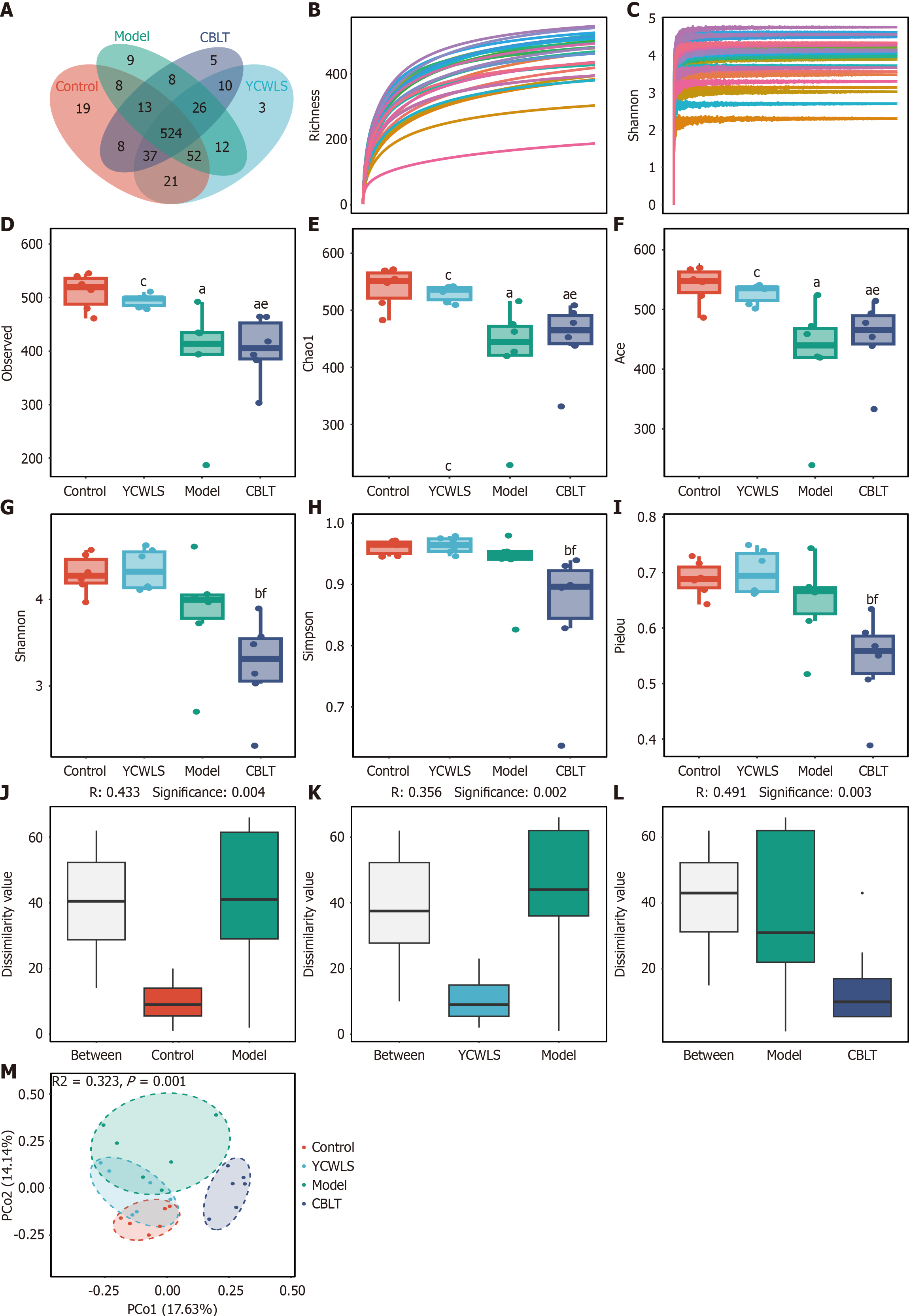
Figure 5 The impact of Yinchen Wuling San on the diversity of the intestinal microbiota in rats (n = 6).
A: Venn diagram; B: Rarefaction curve; C: Shannon-Wiener curve; D: Observed; E: Chao1; F: Ace; G: Shannon; H: Simpson; I: Pielou; J: Analysis of similarity analysis control vs model; K: Analysis of similarity analysis Yinchen Wuling San vs model; L: Analysis of similarity analysis Bifidobacterium quadruple live bacteria tablets vs model; M: Posterior communicating artery analysis. aP < 0.05 vs control, bP < 0.01 vs control, cP < 0.05 vs model, eP < 0.05 vs Yinchen Wuling San, fP < 0.01 vs Yinchen Wuling San. YCWLS: Yinchen Wuling San; CBLT: Bifidobacterium quadruple live bacteria tablets.
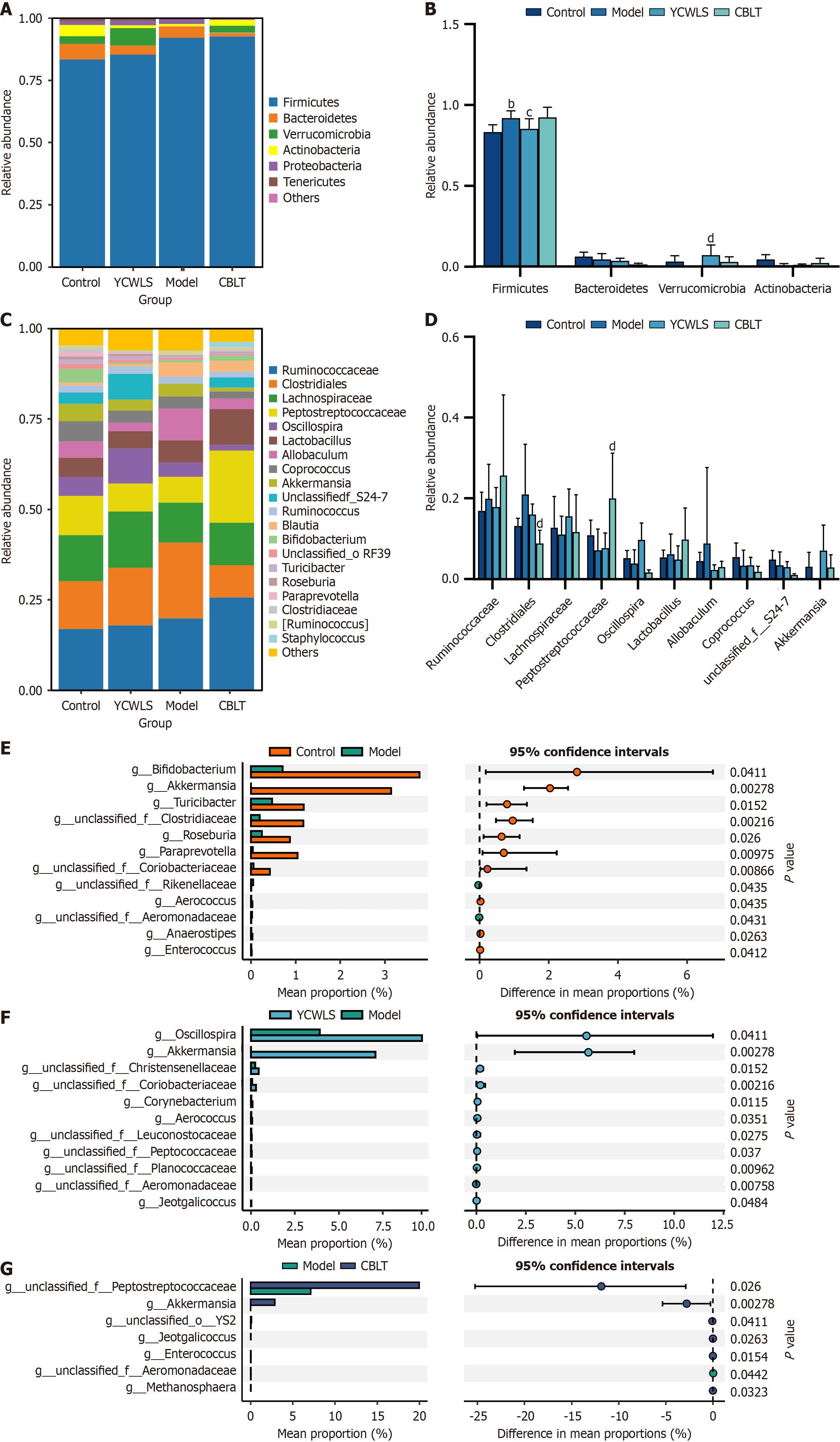
Figure 6 The effect of Yinchen Wuling San on the rat intestinal microbiota at the phylum and genus levels (n = 6).
A and B: Represent the relative abundances at the phylum level; C and D: Indicate the relative abundances at the genus level; E: Wilcoxon rank - sum test control vs model; F: Wilcoxon rank - sum test Yinchen Wuling San vs model; G: Wilcoxon rank - sum test CBLT vs model. bP < 0.01 vs control, cP < 0.05 vs model, dP < 0.01 vs model. YCWLS: Yinchen Wuling San; CBLT: Bifidobacterium quadruple live bacteria tablets.
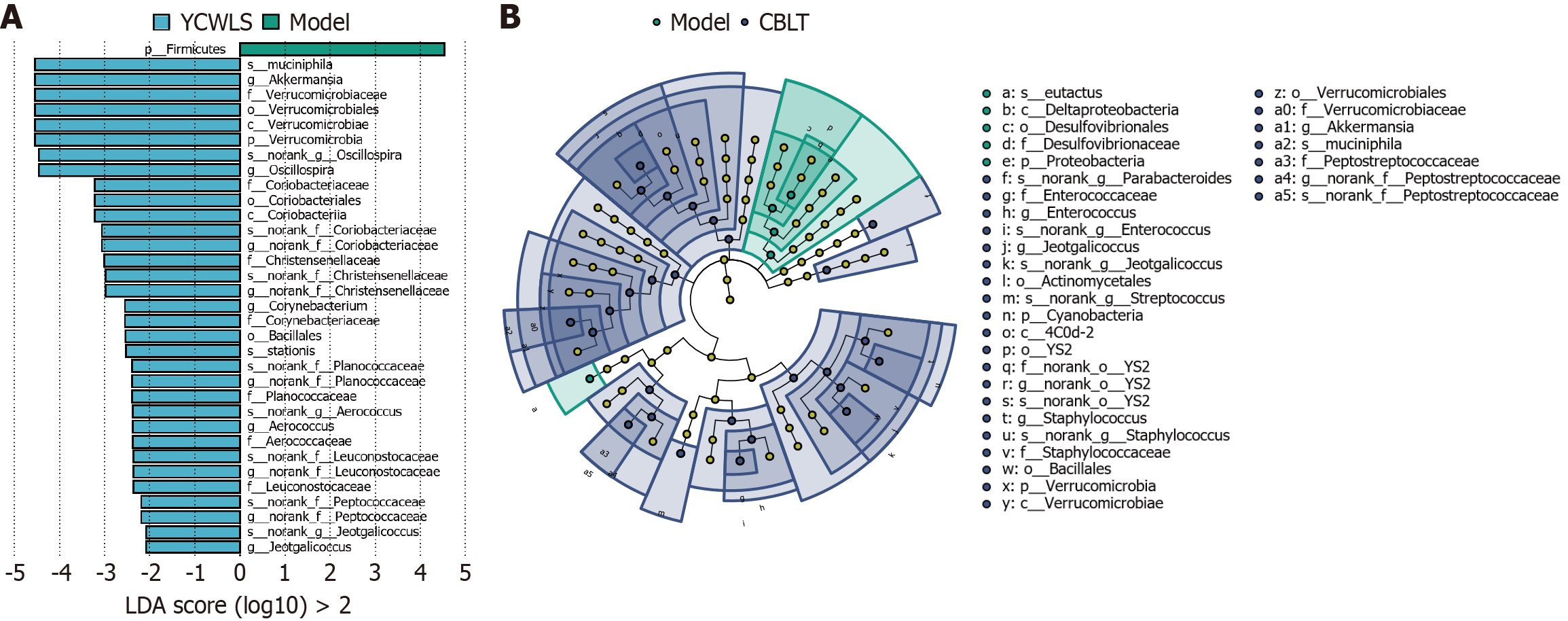
Figure 7 Examination of the fundamental microbial composition in the intestinal contents of rats.
A: Model vs Yinchen Wuling San; B: Model vs Bifidobacterium quadruple live bacteria tablets. YCWLS: Yinchen Wuling San; CBLT: Bifidobacterium quadruple live bacteria tablets; LDA: Linear discriminant analysis.
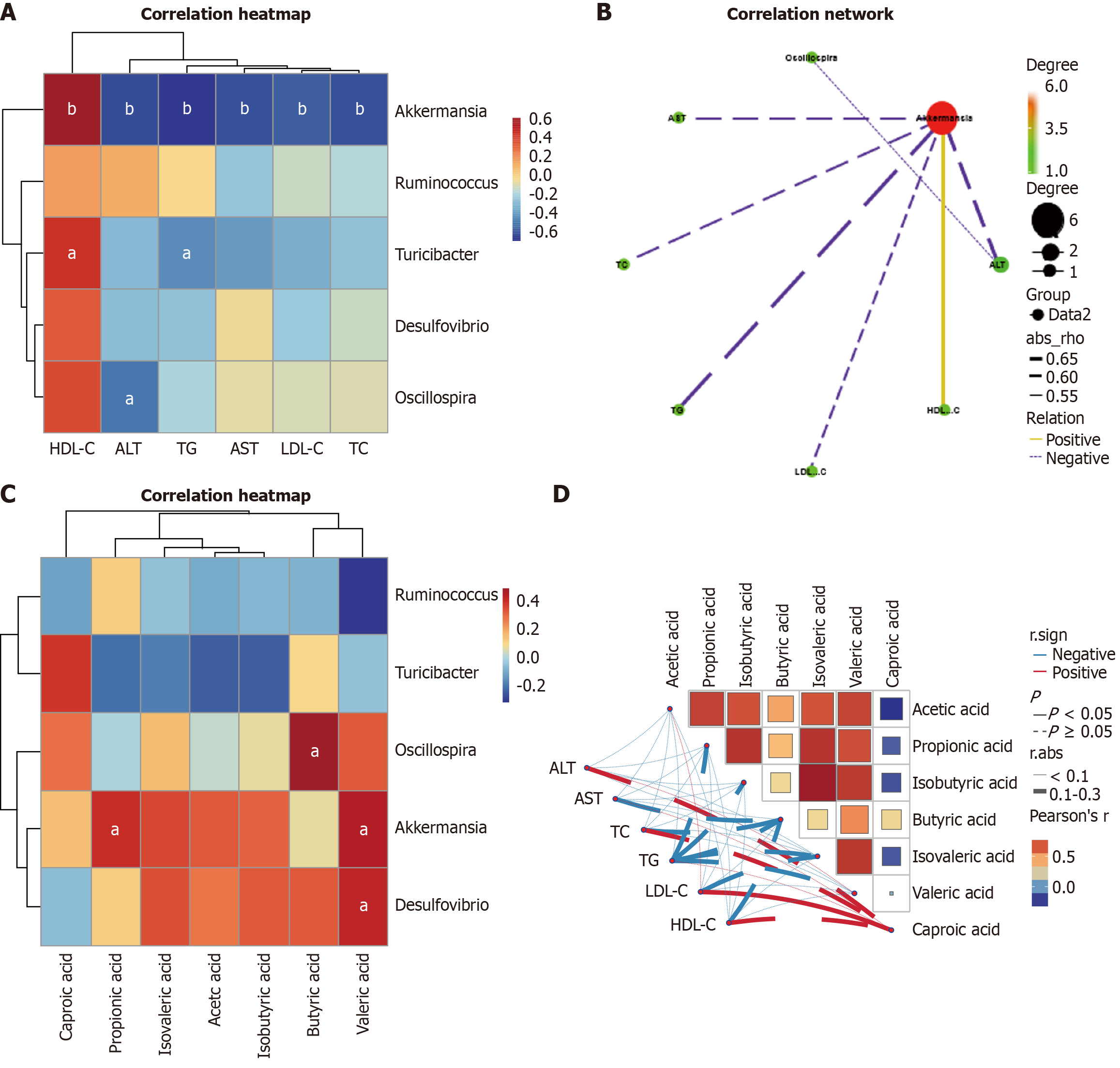
Figure 8 Correlation analysis among specific bacterial genera, hepatic function, blood lipids, and short-chain fatty acids.
A: Correlations between specific bacterial genera and liver function as well as blood lipids; B: Association study between specific bacterial genera and short-chain fatty acids; C: Correlations between specific bacterial genera and liver function as well as blood lipids; D: Correlation study between short-chain fatty acids, hepatic function, and lipid profiles in the bloodstream. AST: Aspartate aminotransferase; ALT: Alanine aminotransferase; TC: Total cholesterol; TG: Triglyceride; LDL: Low-density lipoprotein; HDL: High-density lipoprotein.aP < 0.05, bP < 0.01.
- Citation: Zhang Y, Liu J, Huang AS, Wang YF, Cao J, Li ML, Shi DD, Hu YL, Deng Q, Long P, Ai BC. Yinchen Wuling San ameliorates high-fat diet-induced metabolic-associated fatty liver disease in rats by remodeling the gut microbiota. World J Hepatol 2026; 18(6): 118607
- URL: https://www.wjgnet.com/1948-5182/full/v18/i6/118607.htm
- DOI: https://dx.doi.org/10.4254/wjh.118607