
















Copyright: ©Author(s) 2026.
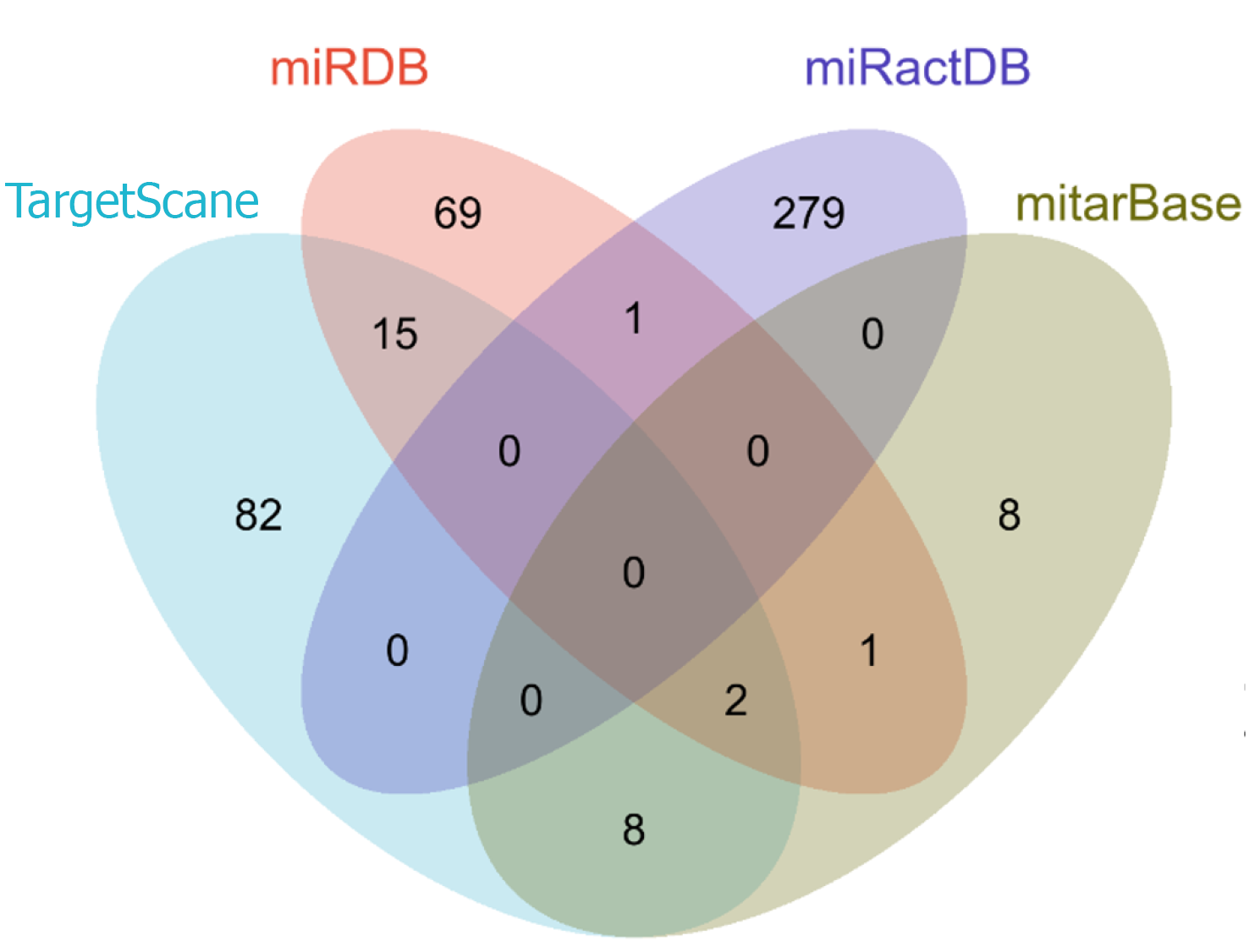
Figure 1 Wayne plots showing the overlap between predicted sites from TargetScane (n = 116), miRDB (n = 88), miRactDB (n = 280), and mitarBase (n = 19) that were used to identify miRNAs associated with nuclear factor of activated T cell 1.
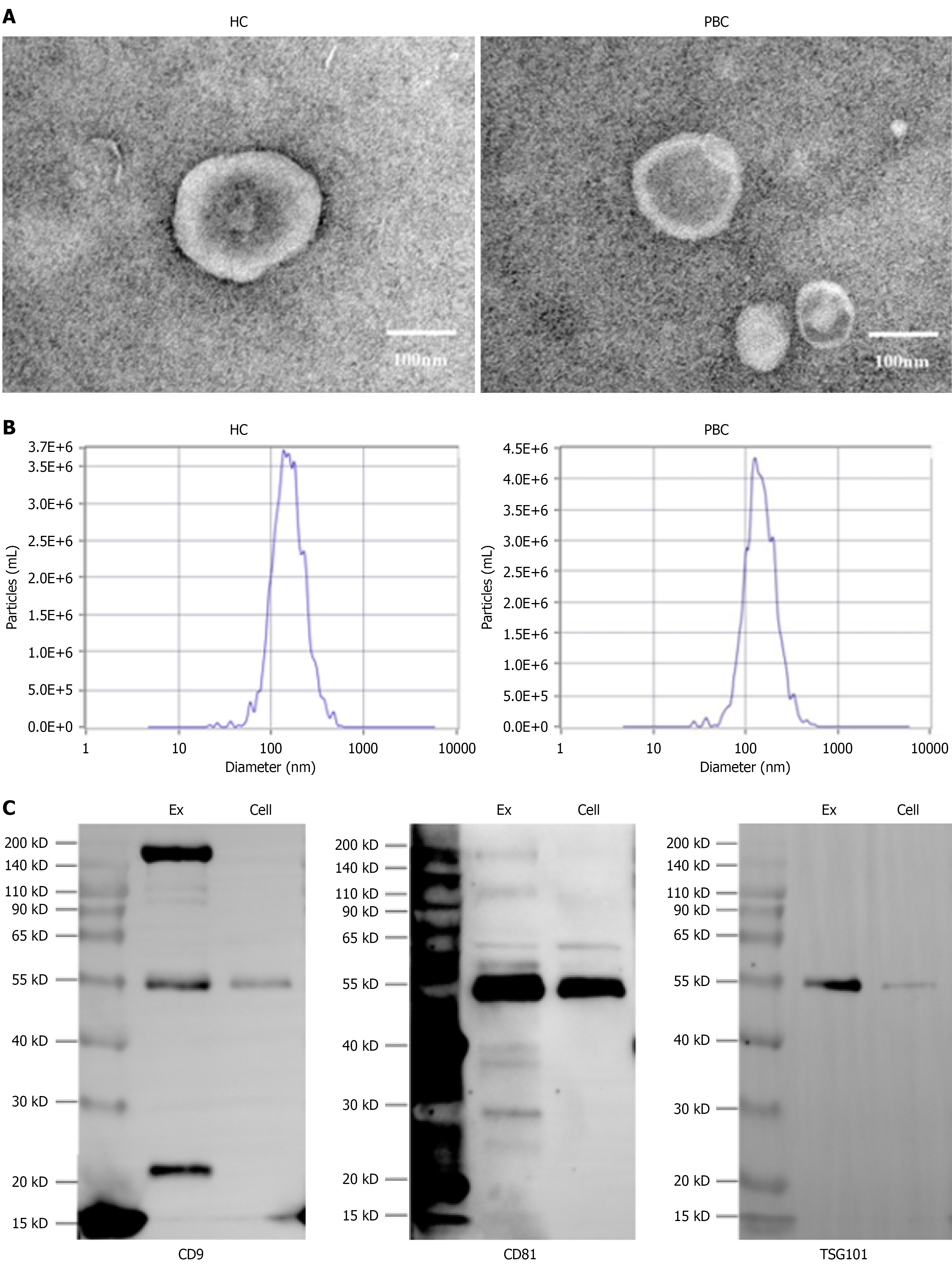
Figure 2 Detection of isolated exosomes.
A: Transmission electron microscopy analysis of exosome preparations from primary biliary cholangitis (PBC) and healthy controls (HCs), representative transmission electron microscopy images of exosomes isolated from plasma of patients with PBC and HCs, showing a discernibly higher particle concentration in PBC samples; B: Nanoparticle tracking analysis indicate that exosomes from both PBC and HCs are similar in having an average diameter of 80-160 nm; C: Immunoblot showed extracted exosomes with significantly higher concentrations of cluster of differentiation 9 (CD9), CD81, and tumor susceptibility gene 101 (TSG101) compared to natural killer cells. Whole cell lysate from primary natural killer cells of a patient with PBC (serving as a negative control for exosome enrichment).
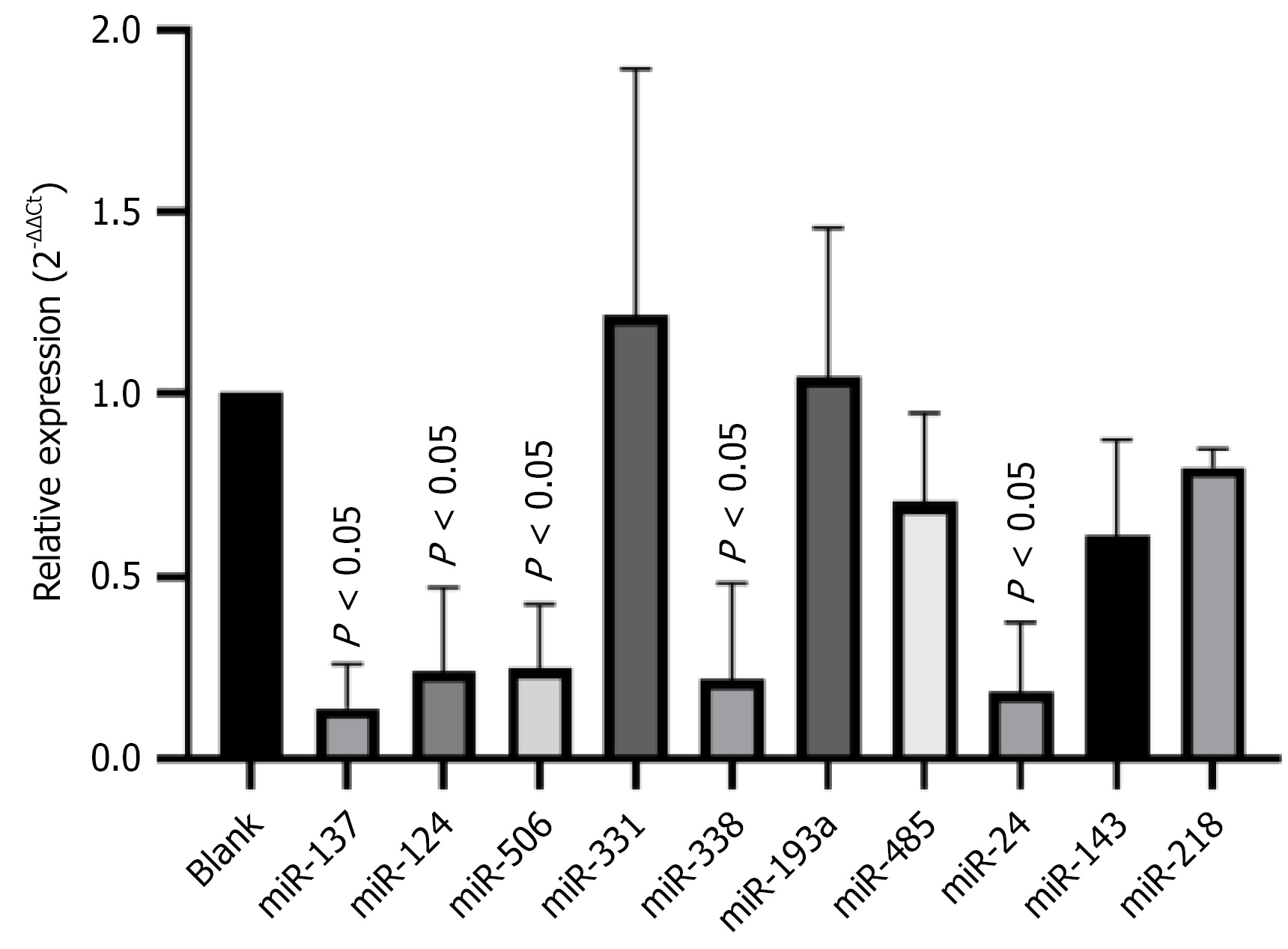
Figure 3 Differences of 10 microRNAs in exosomes in primary biliary cholangitis and healthy controls.
Compared with exosomes from healthy controls, exosomes isolated from patients with primary biliary cholangitis exhibited significantly different expression levels of microRNA-137-3p (miR-137-3p; P = 0.0020), miR-124-3p (P = 0.0077), miR-506-3p (P = 0.0086), miR-338-3p (P = 0.0053), and miR-24-3p (P = 0.0037).
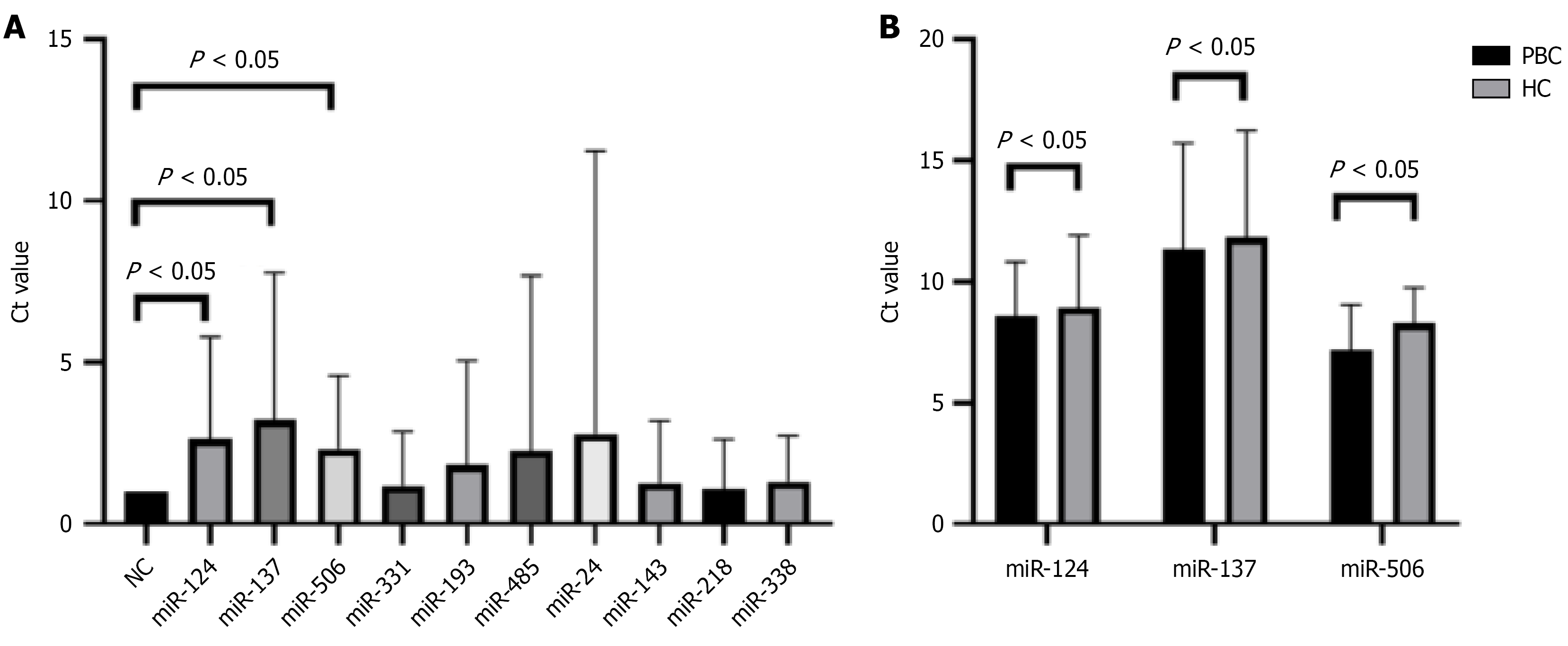
Figure 4 Expression levels of candidate miRNAs in natural killer cells from patients with primary biliary cholangitis and healthy controls.
A: Expression levels of 10 predicted microRNAs (miRNAs) in natural killer (NK) cells isolated from patients with primary biliary cholangitis (PBC) and healthy controls (HCs) were measured by quantitative polymerase chain reaction; B: Ct values of miR-137-3p (P = 0.0053), miR-124-3p (P = 0.0034), miR-506-3p (P = 0.0010), and other miRNAs are shown. Higher Ct values indicate lower miRNA expression. The Ct values for miR-137-3p, miR-124-3p, and miR-506-3p were significantly higher in patients with PBC compared to HC, indicating their lower expression in PBC natural killer cells.
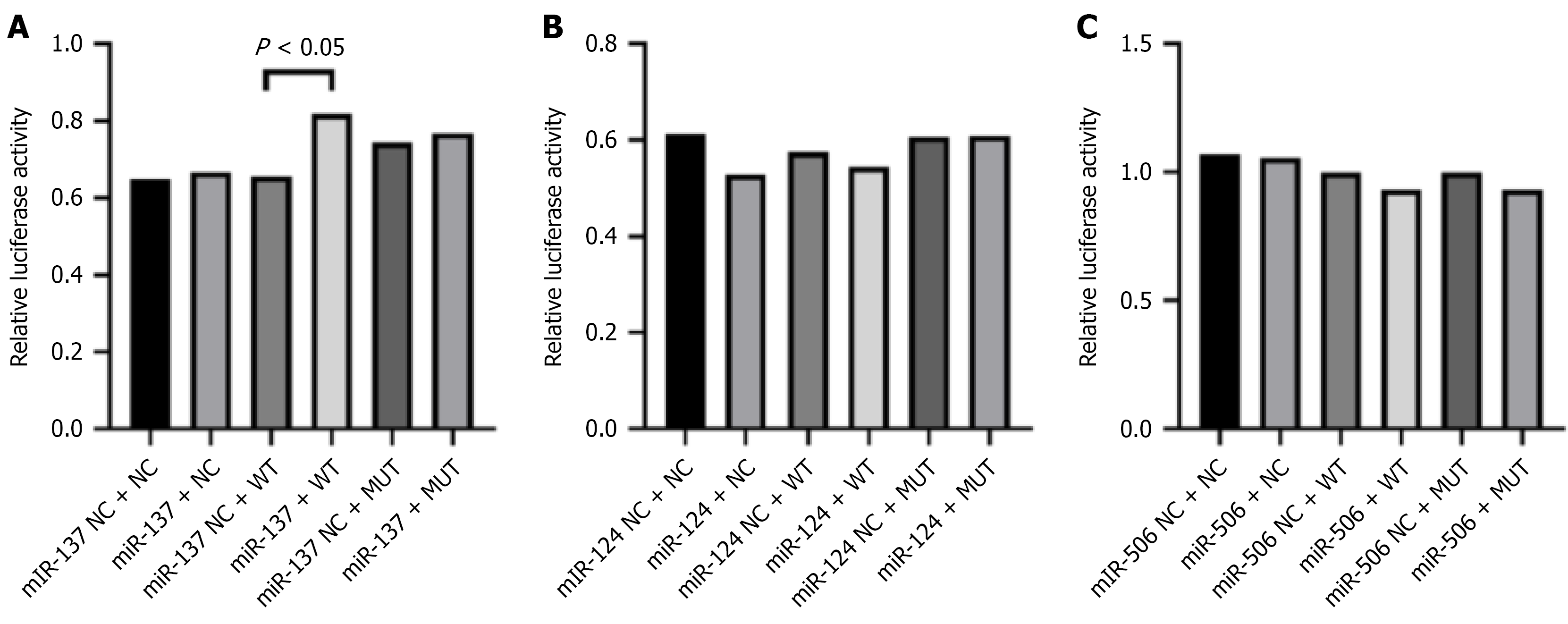
Figure 5 Fluorescence intensity.
A: Demonstrated reduced absorbance of microRNA-137 (miR-137) negative control (NC) wild-type (WT) compared to miR-137 WT (P < 0.05), while no significant difference in absorbance between miR-137 NC 3’ UTR mutant (MUT) and miR-137 MUT, indicating that miR-137 reduces luciferase activity by binding nuclear factor of activated T cell 1; B: Showed no significant change in absorbance between miR-124 NC WT compared to miR-124 WT, miR-124 NC MUT, and miR-124 MUT; C: Demonstrated no significant change in absorbance between miR-506 NC WT and miR-506 WT, miR-506 NC MUT, and miR-506 MUT.
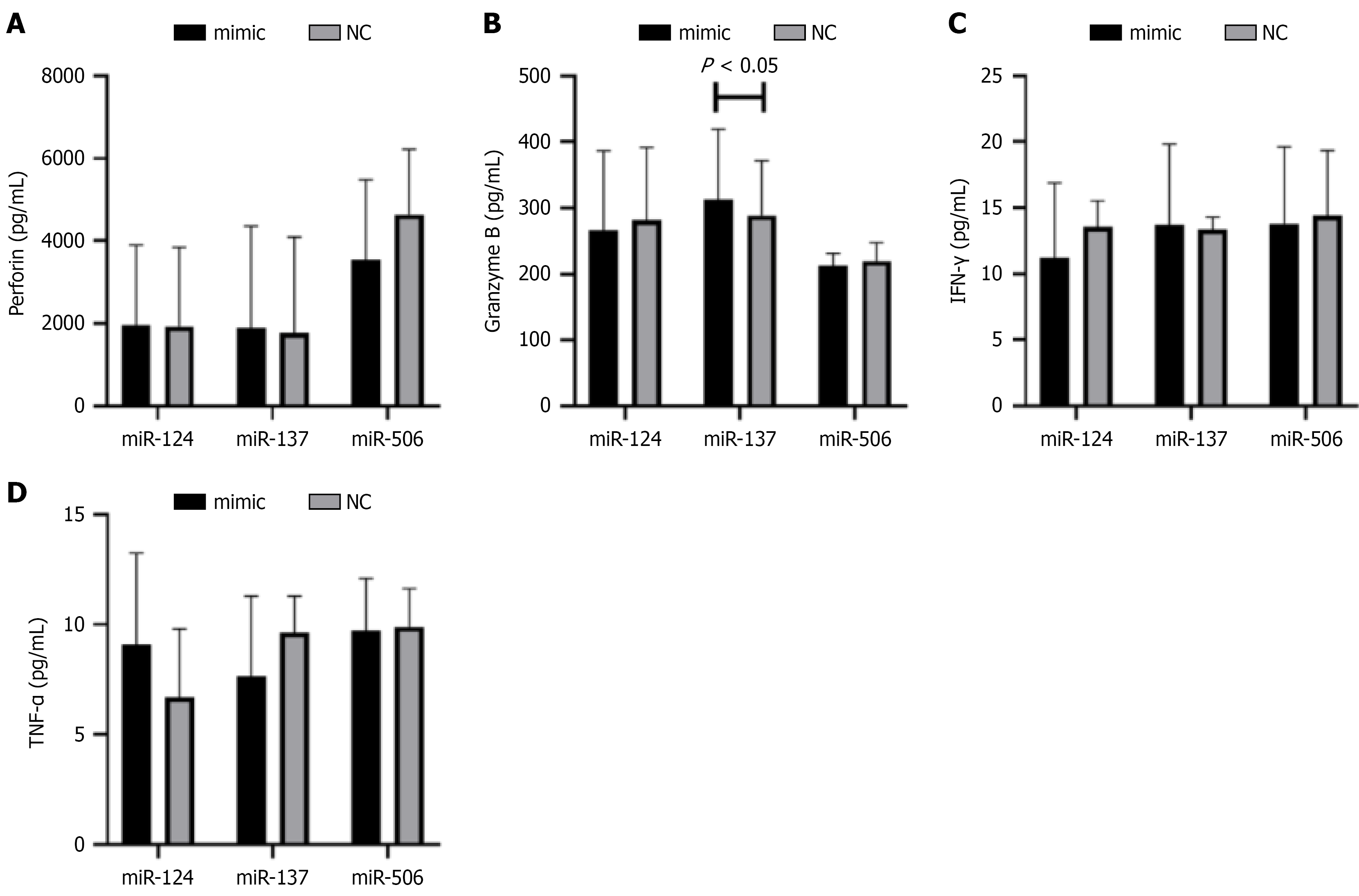
Figure 6 Overexpression plasmid mimics of microRNA-137 (miR-137), miR-124 and miR-506.
A: Showed the level of perforin secretion after transfection with microRNA-124 (miR-124), miR-137 and miR-506 mimics compared to negative control (NC). Overexpression of the three miRNAs had no significant effect on perforin (P > 0.05); B: Showed the level of perforin secretion after transfection with miR-124, miR-137, and miR-506 mimics compared to the control. The miR-137 (P < 0.05) overexpression increased granzyme B production by natural killer cells, whereas miR-124 (P > 0.05) and miR-506 (P > 0.05) had no significant effect on granzyme B; C: Showed the level of interferon gamma (IFN-γ) secretion after transfection with miR-124, miR-137, and miR-506 mimics compared to NC. Overexpression of the three miRNAs had no significant effect on IFN-γ (P > 0.05); D: Showed the level of tumor necrosis factor alpha (TNF-α) secretion after transfection with miR-124, miR-137, and miR-506 mimics compared to NC. Overexpression of the three miRNAs had no significant effect on TNF-α (P > 0.05).
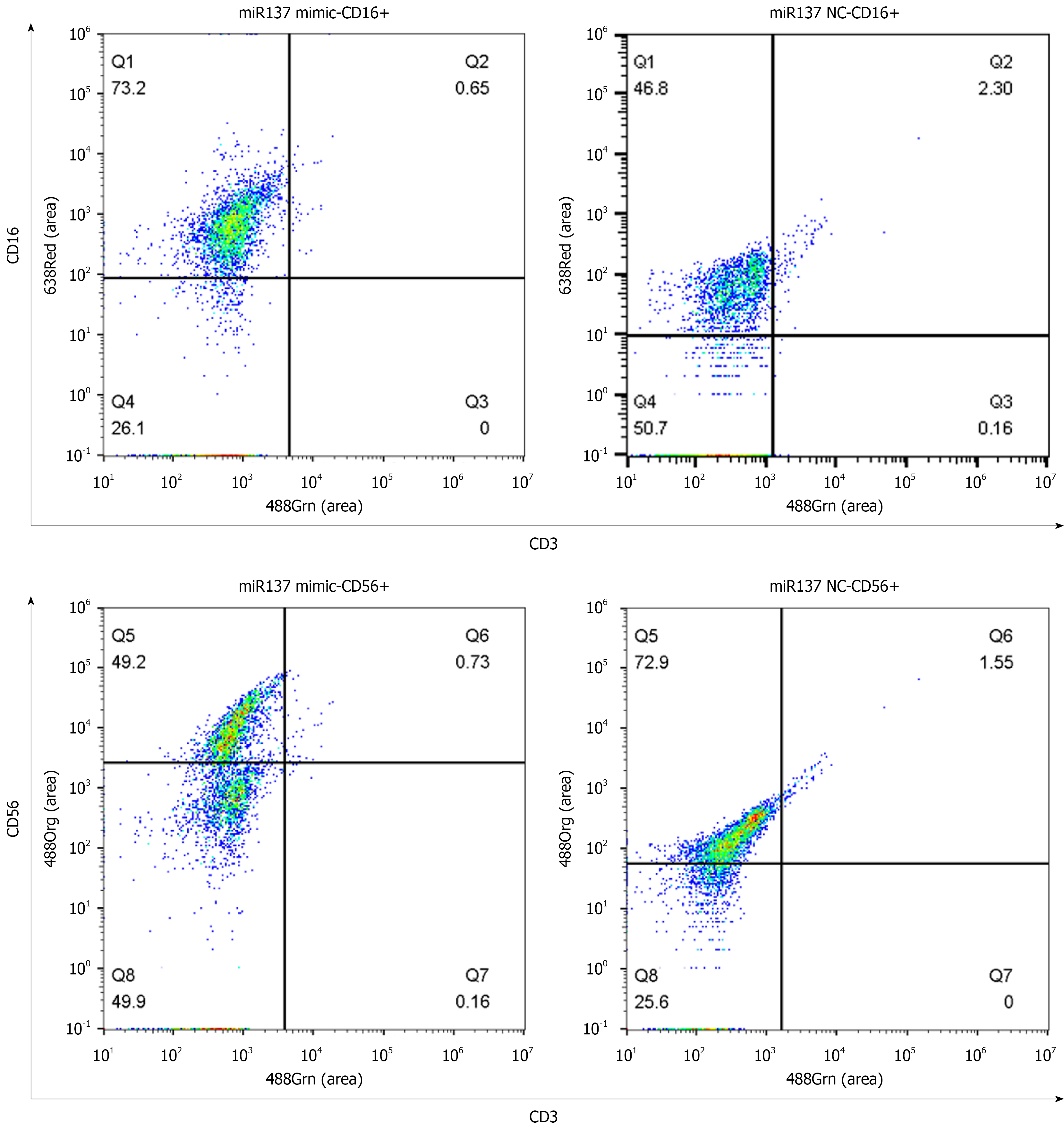
Figure 7 Changes in cluster of differentiation 16 (CD16) and CD56 on the surface of natural killer cells before and after microRNA-137-3p (miR-137-3p) mimic transfection, where CD16 levels increased after miR-137-3p overexpression, while CD56 decreased.
NC: Negative control.
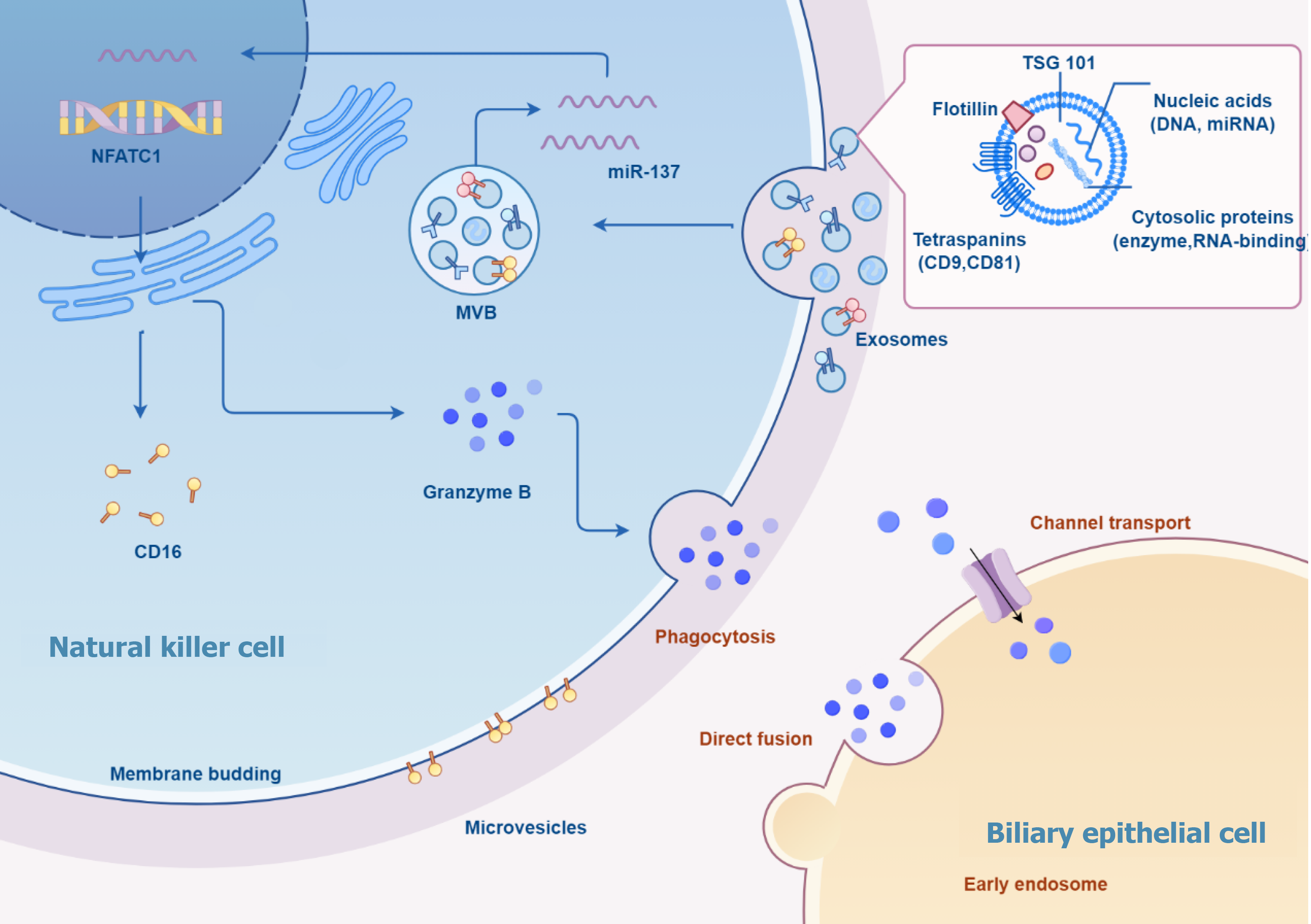
Figure 8 Plasma exosomal microRNA-137-3p is elevated in primary biliary cholangitis and inhibits nuclear factor of activated T cell 1 expression in natural killer cells.
This inhibition leads to increased surface expression of the activation marker cluster of differentiation 16 (CD16) and enhanced secretion of the cytotoxic mediator granzyme B. The resulting hyperactivated natural killer cells contribute to biliary epithelial cell injury, a key event in primary biliary cholangitis pathogenesis. MVB: Multivesicular body; NFATC1: Nuclear factor of activated T cell 1; TSG: Tumor susceptibility gene.
- Citation: Yang YF, Liu QX, Su WH, Zang B, Liu BQ, Zhao CY, Han YB, Liu LW, Leung PSC, Liu B. Plasma exosomal miR-137 activates natural killer cells in primary biliary cholangitis by targeting NFATC1. World J Hepatol 2026; 18(6): 116738
- URL: https://www.wjgnet.com/1948-5182/full/v18/i6/116738.htm
- DOI: https://dx.doi.org/10.4254/wjh.116738