
















Copyright: ©Author(s) 2026.
World J Hepatol. May 27, 2026; 18(5): 118508
Published online May 27, 2026. doi: 10.4254/wjh.v18.i5.118508
Published online May 27, 2026. doi: 10.4254/wjh.v18.i5.118508
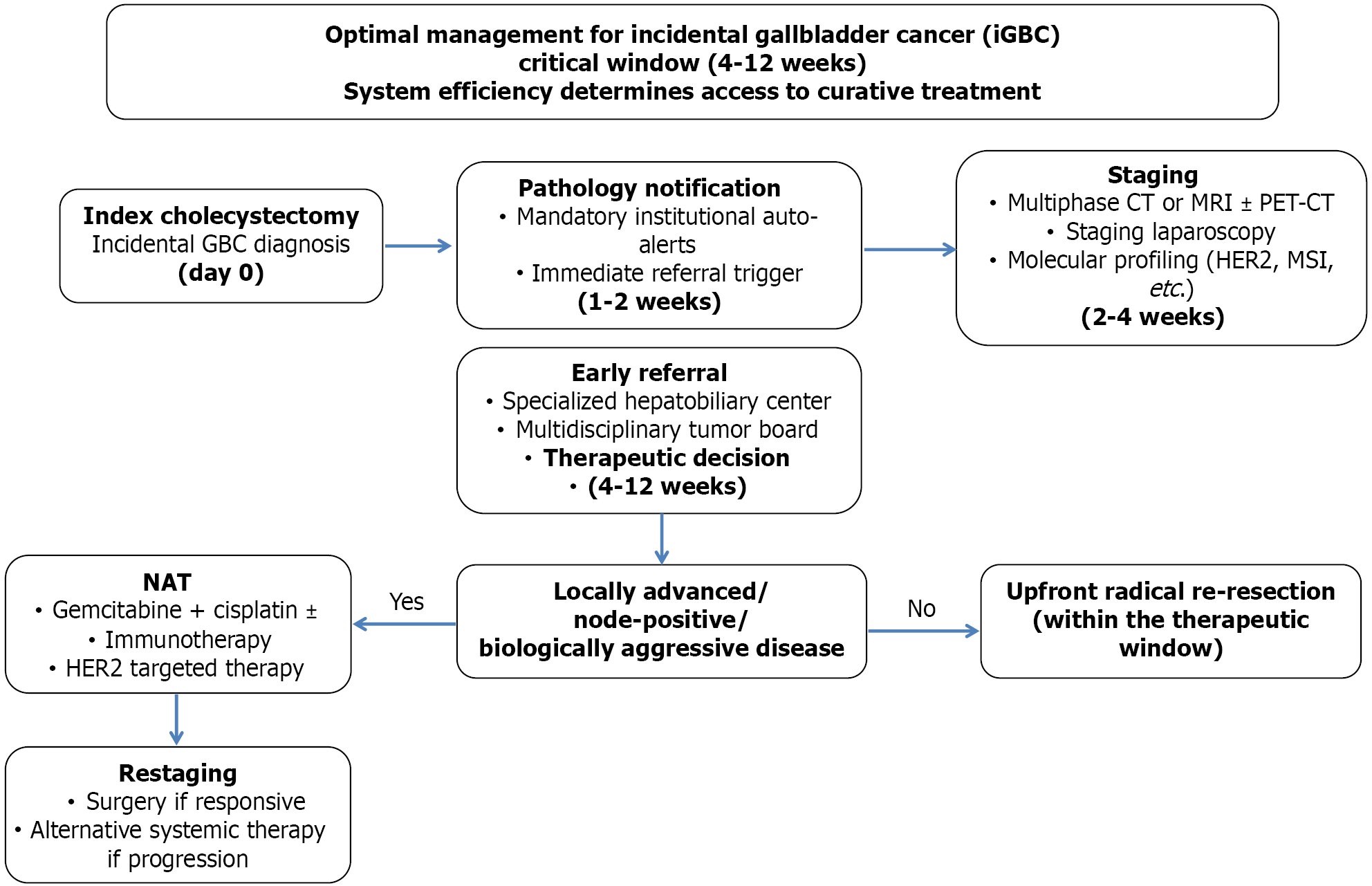
Figure 1 Integrated management framework for incidentally diagnosed gallbladder cancer.
This infographic illustrates a multi-level strategy designed to optimize outcomes in regions of intermediate incidence. The framework transitions from identifying systemic and biological factors to a specialized care pathway. Key logistical interventions, marked as (LOGISTICAL GAPS/AUTO-ALERTS), include synchronized pathology reporting and the implementation of institutional automatic triggers for multidisciplinary team referral. The therapeutic decision relies on molecular stratification to guide the use of neoadjuvant chemotherapy as a biological sieve, followed by standardized radical re-resection and targeted systemic therapy. GBC: Gallbladder cancer; MRI: Magnetic resonance imaging; PET-CT: Positron emission tomography-computed tomography; HER2: Human epidermal growth factor receptor 2; NAT: Neoadjuvant therapy; .
- Citation: Bulisani BM. Survival gap in gallbladder cancer: Bridging tumor biology and healthcare system logistics. World J Hepatol 2026; 18(5): 118508
- URL: https://www.wjgnet.com/1948-5182/full/v18/i5/118508.htm
- DOI: https://dx.doi.org/10.4254/wjh.v18.i5.118508