
















Copyright: ©Author(s) 2026.
World J Hepatol. May 27, 2026; 18(5): 115047
Published online May 27, 2026. doi: 10.4254/wjh.v18.i5.115047
Published online May 27, 2026. doi: 10.4254/wjh.v18.i5.115047
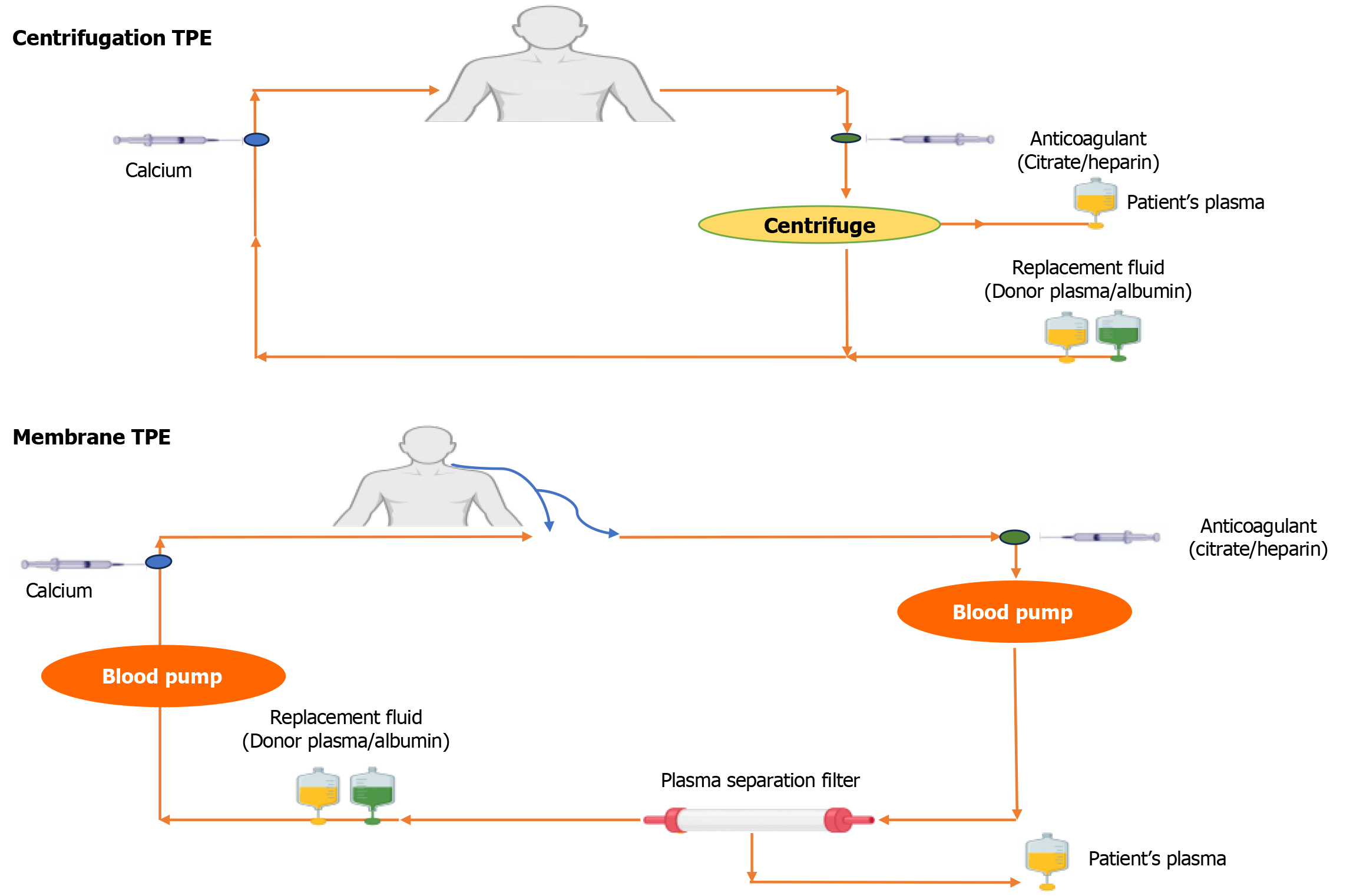
Figure 1 Illustration of therapeutic plasma exchange using centrifugation and membrane techniques.
In the centrifugation process, blood is extracted from the patient, treated with an anticoagulant, and separated into plasma, which is then substituted with a replacement fluid before being returned. The membrane technique involves pumping blood through a unique fibre filter to isolate plasma, followed by reinfusion with a substitute solution. TPE: Therapeutic plasma exchange.
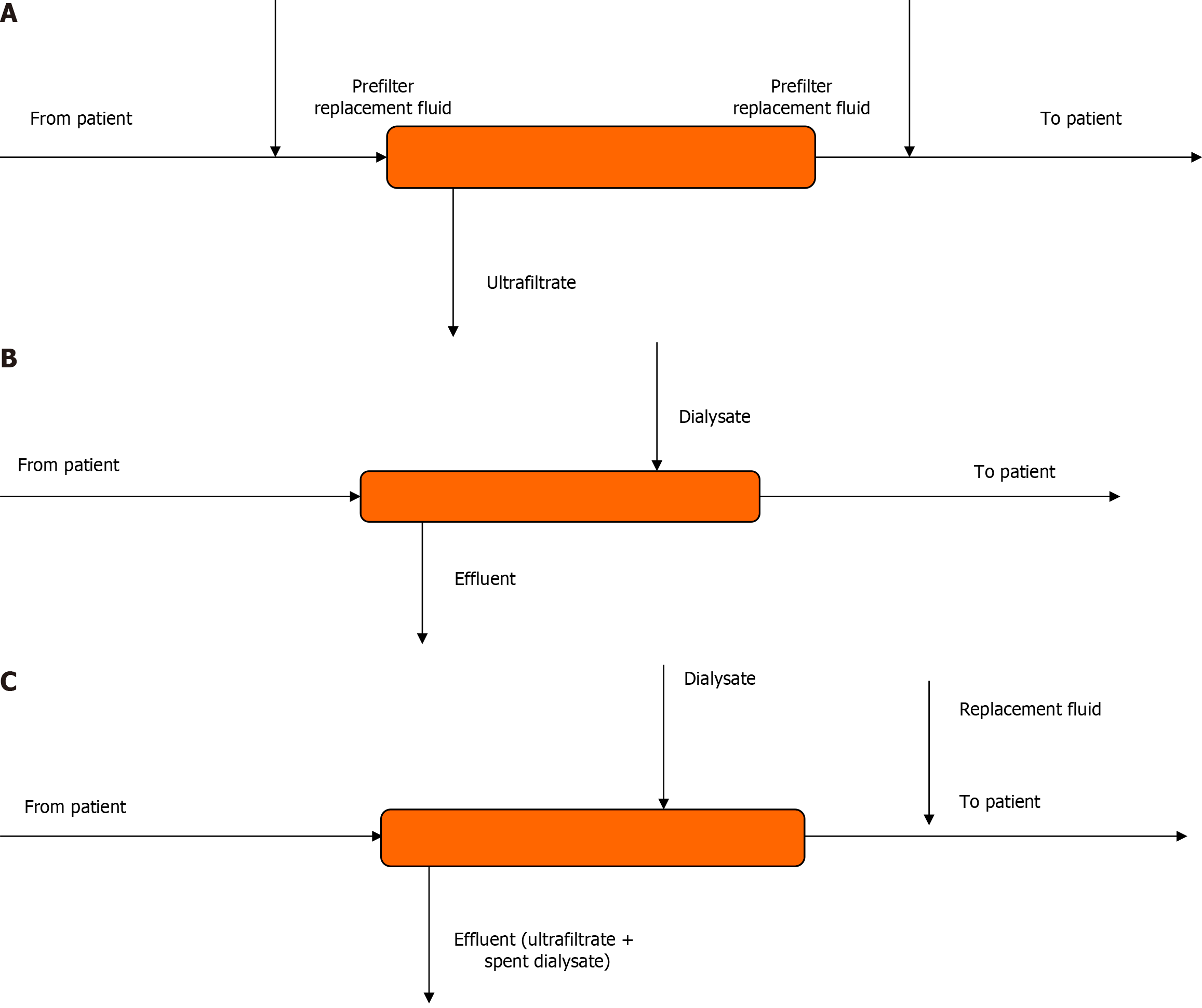
Figure 2 Diagrams illustrating various configurations of continuous renal replacement therapy.
A: Continuous hemofiltration: Blood flows through the hemofilter membrane, where ultrafiltrate is generated across the membrane, and excess ultrafiltrate is removed above the set volume. Pre-and postfilter replacement fluids are added to maintain balance; B: Continuous hemodialysis: Blood is processed through the hemodialyzer, with dialysate flowing in the opposite direction on the opposite side of the membrane to facilitate solute removal. The effluent consists of spent dialysate plus the volume of ultrafiltrate removed; C: Continuous hemodiafiltration: Blood passes through the hemodiafilter, combining ultrafiltration and dialysis. Dialysate flows in the opposite direction on one side of the membrane, while replacement fluid is infused prefilter and postfilter. In this setup, the replacement solution can also be administered prefilter.
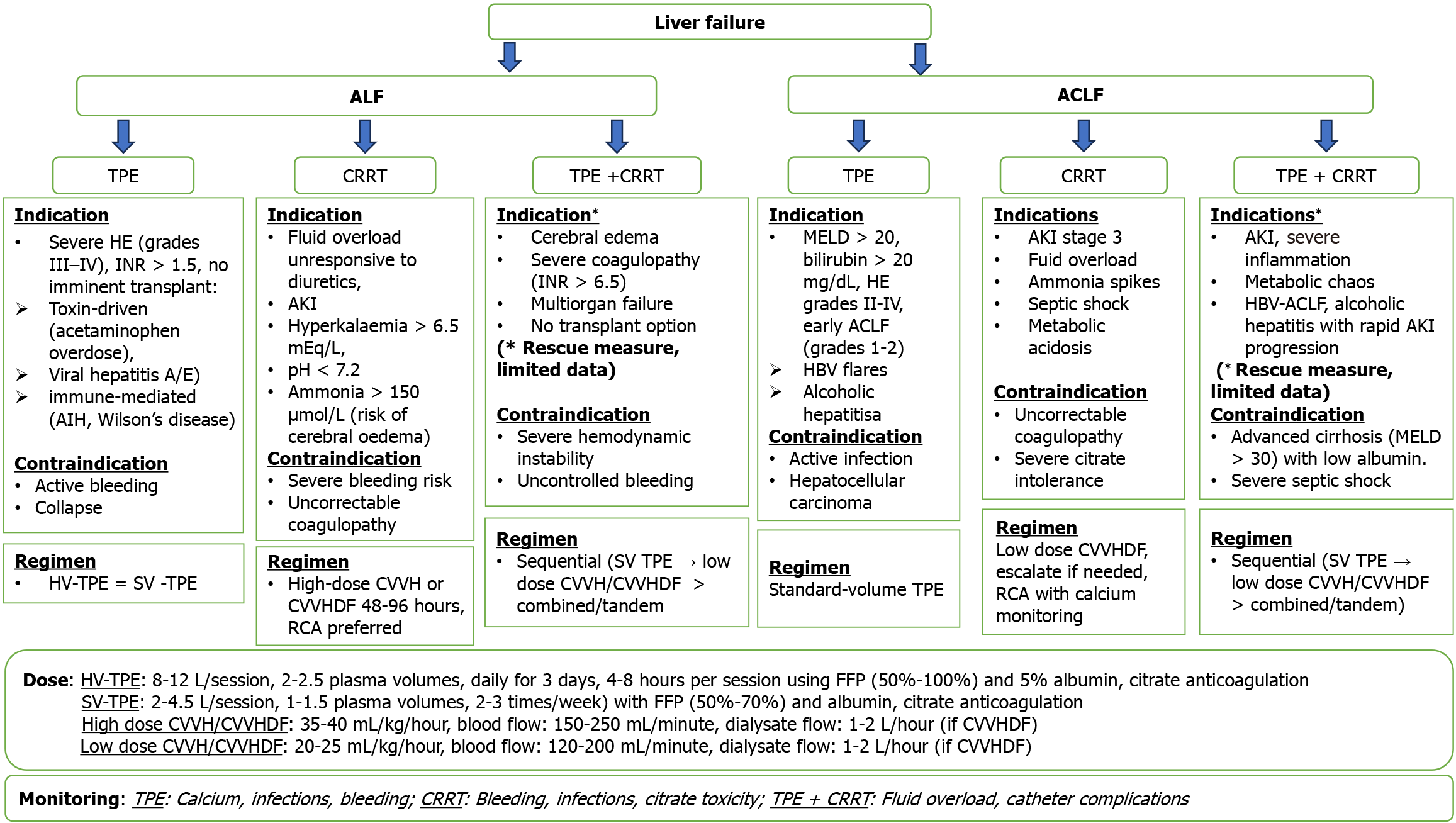
Figure 3 Proposed flowchart designed to guide clinicians in the precise use of therapeutic plasma exchange and continuous renal replacement therapy for managing acute liver failure and acute-on-chronic liver failure.
The flowchart outlines decision-making pathways for patient selection, therapy initiation, sequencing (sequential or combined therapeutic plasma exchange-continuous renal replacement therapy), regimen selection, and monitoring, based on evidence from 2016-2025 (PubMed, EMBASE, Cochrane) and standardised guidelines (e.g., American Society for Apheresis, Asian Pacific Association for the Study of the Liver). ALF: Acute liver failure; ACLF: Acute-on-chronic liver failure; TPE: Therapeutic plasma exchange; CRRT: Continuous renal replacement therapy; HE: Hepatic encephalopathy; INR: International normalised ratio; AIH: Autoimmune hepatitis; HV: High volume; SV: Standard volume; AKI: Acute kidney injury; CVVH: Continuous veno-venous hemofiltration; CVVHDF: Continuous veno-venous hemodiafiltration; RCA: Regional citrate anticoagulation; MELD: Model for end-stage liver disease; HBV: Hepatitis B virus; FFP: Fresh frozen plasma.
- Citation: Manrai M, Pachisia AV, Dawra S, Shukla S, Jha AA. Navigating the therapeutic tightrope: Precision use of plasmapheresis and continuous renal replacement therapy in liver failure. World J Hepatol 2026; 18(5): 115047
- URL: https://www.wjgnet.com/1948-5182/full/v18/i5/115047.htm
- DOI: https://dx.doi.org/10.4254/wjh.v18.i5.115047