
















Copyright: ©Author(s) 2026.
World J Hepatol. Apr 27, 2026; 18(4): 114861
Published online Apr 27, 2026. doi: 10.4254/wjh.v18.i4.114861
Published online Apr 27, 2026. doi: 10.4254/wjh.v18.i4.114861
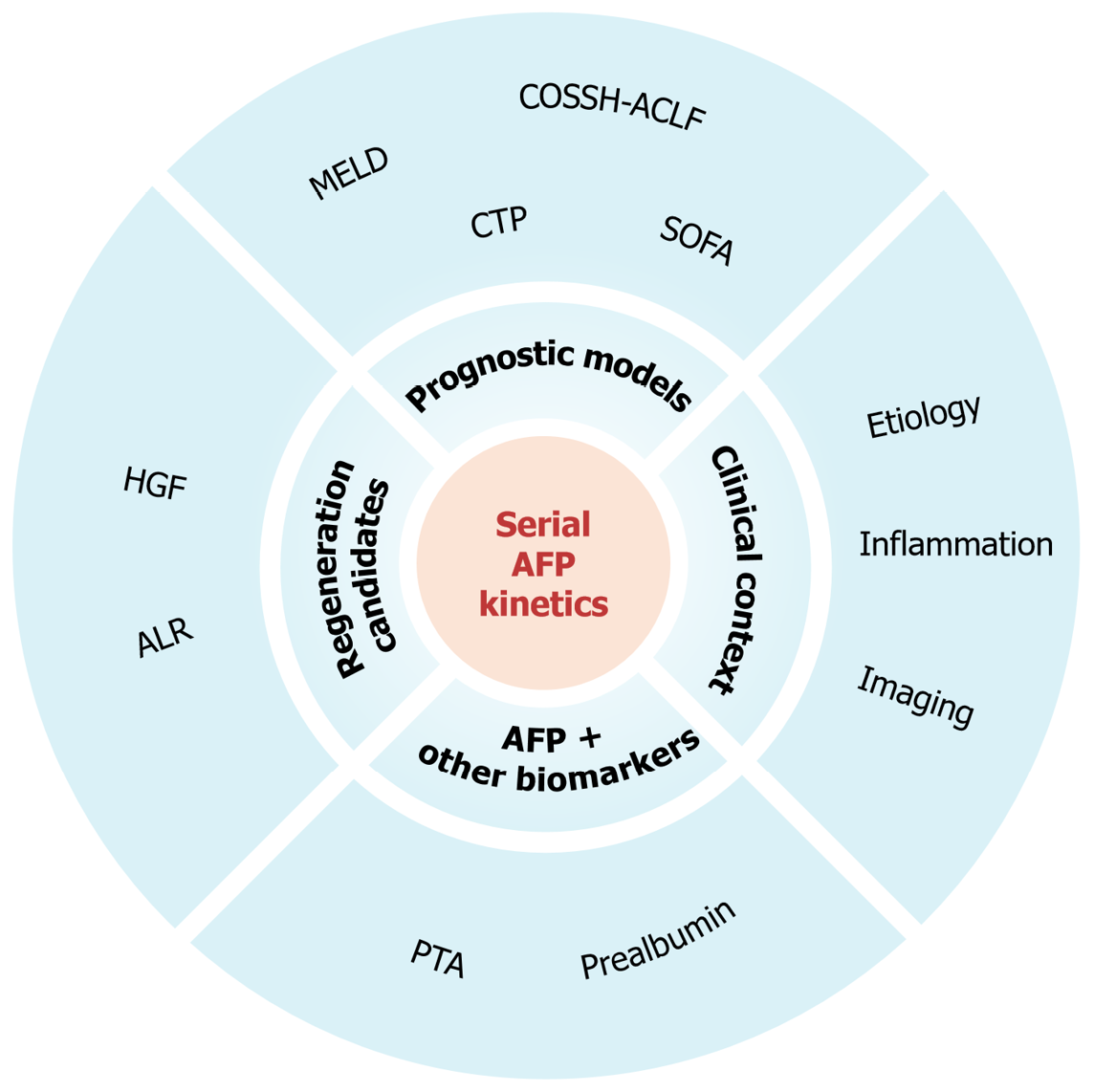
Figure 1 Conceptual framework for integrating serial alpha-fetoprotein kinetics into prognostic assessment.
This schematic illustrates how dynamic alpha-fetoprotein measures (baseline and longitudinal change) may be incorporated as a central hub alongside conventional prognostic models (e.g., model for end-stage liver disease, Child-Turcotte-Pugh, Sequential Organ Failure Assessment, Chinese group on the study of severe hepatitis B-acute-on-chronic liver failure), regeneration-related candidates (hepatocyte growth factor, augmenter of liver regeneration), functional indicators (prothrombin activity, prealbumin), and clinical context (etiology, inflammation, imaging). The proposed multimodal integration aims to refine risk stratification and outcome prediction in patients with liver failure, particularly those receiving artificial liver support therapy. ALR: Augmenter of liver regeneration; AFP: Alpha-fetoprotein; CTP: Child-Turcotte-Pugh; MELD: Model for end-stage liver disease; HGF: Hepatocyte growth factor; PTA: Prothrombin activity; SOFA: Sequential Organ Failure Assessment; COSSH-ACLF: Chinese group on the study of severe hepatitis B-acute-on-chronic liver failure.
- Citation: Niu XX, Yang XJ. Letter to the Editor: Serum alpha-fetoprotein dynamics in liver failure - prognostic implications and clinical insights. World J Hepatol 2026; 18(4): 114861
- URL: https://www.wjgnet.com/1948-5182/full/v18/i4/114861.htm
- DOI: https://dx.doi.org/10.4254/wjh.v18.i4.114861