
















Copyright: ©Author(s) 2026.
World J Hepatol. Mar 27, 2026; 18(3): 117465
Published online Mar 27, 2026. doi: 10.4254/wjh.v18.i3.117465
Published online Mar 27, 2026. doi: 10.4254/wjh.v18.i3.117465
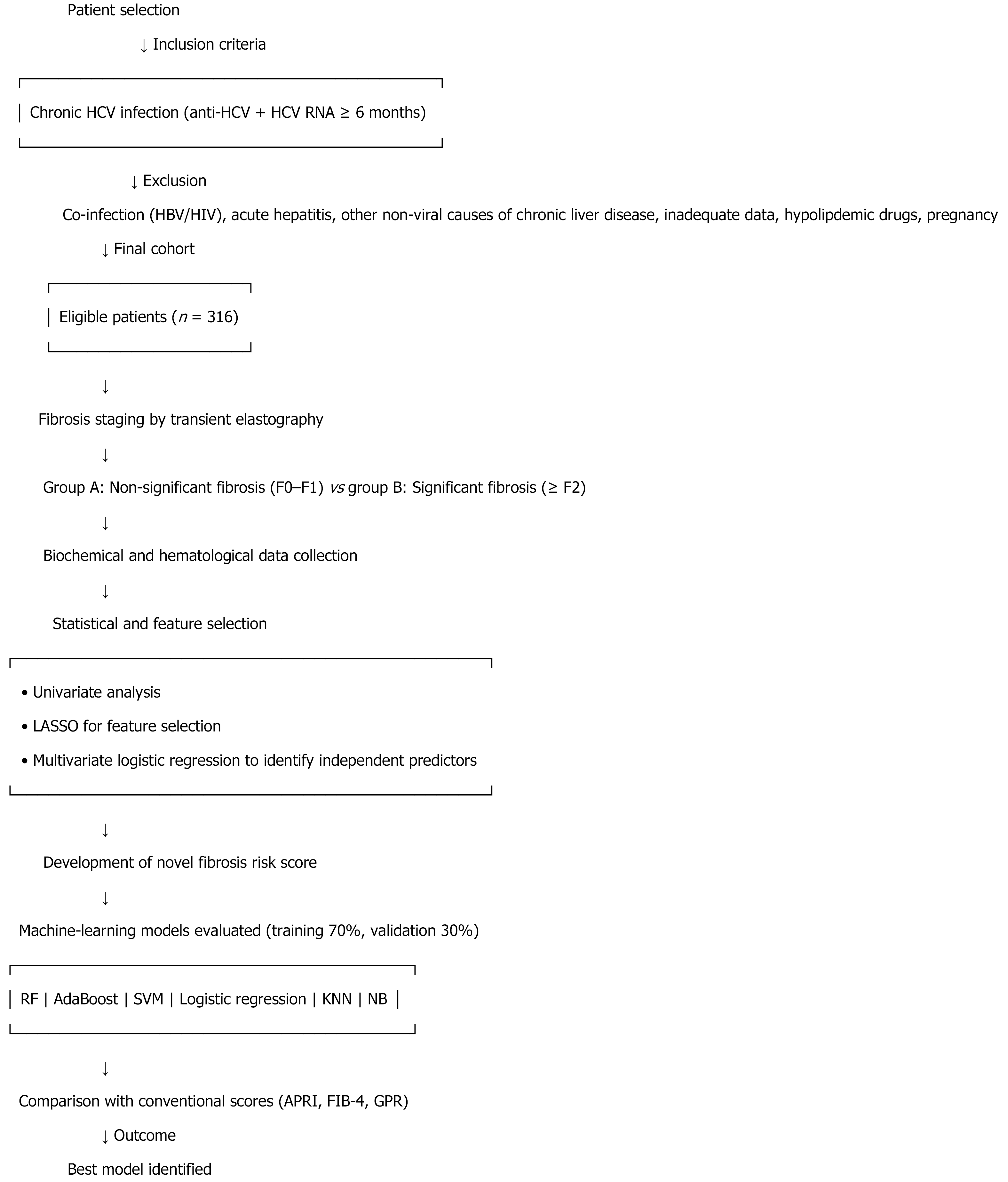
Figure 1 Methodological workflow of the study.
HCV: Hepatitis C virus; HBV: Hepatitis B virus; HIV: Human immunodeficiency virus; LASSO: Least absolute shrinkage and selection operator; RF: Random forest; SVM: Support vector machine; KNN: K-nearest neighbors; NB: Naive Bayes; APRI: Aspartate aminotransferase to platelet ratio index; FIB-4: Fibrosis-4 index; GPR: Gamma-glutamyl transferase to platelet ratio.
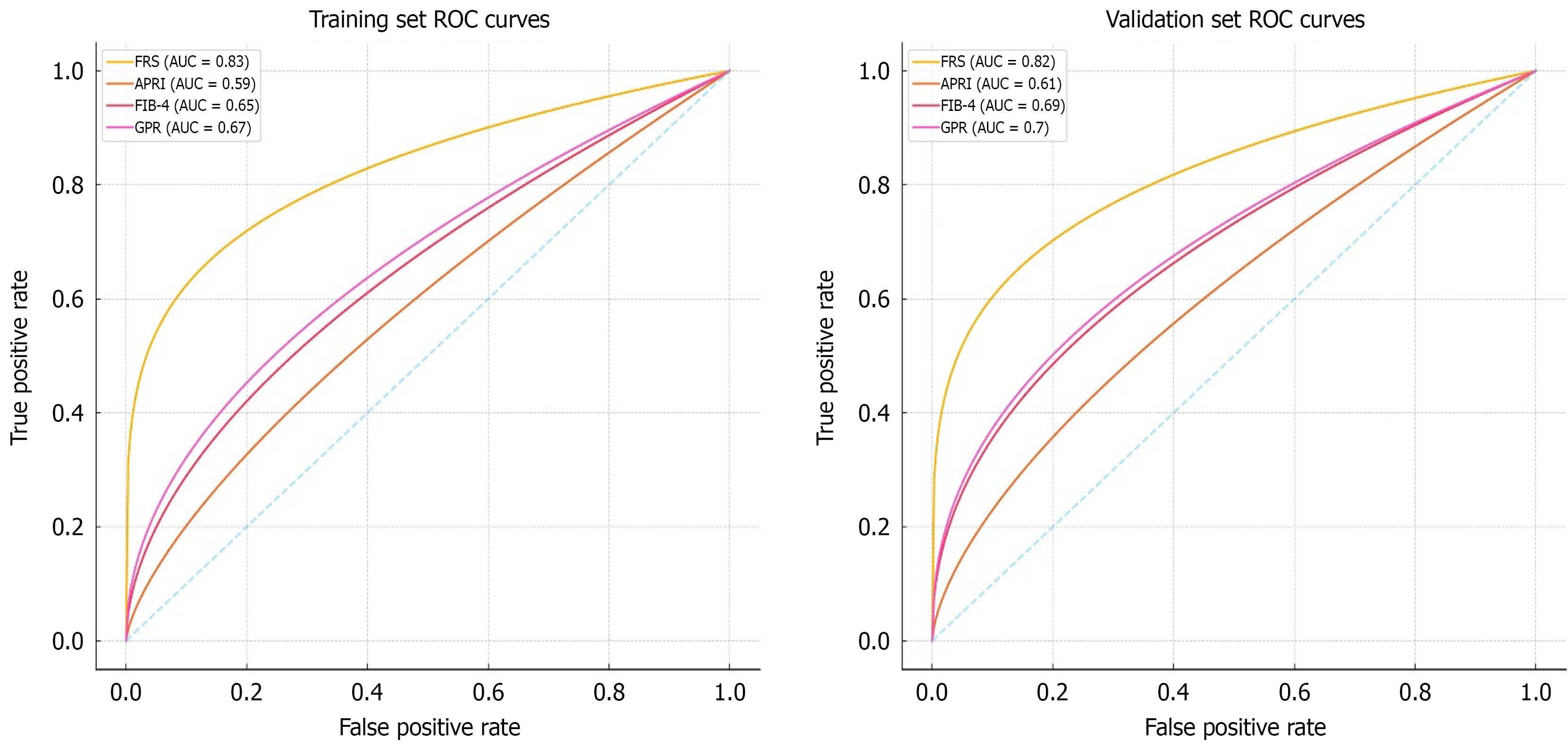
Figure 2 Receiver operating characteristic curves for the training and validation datasets.
Figure illustrating the comparative performance of the fibrosis risk score against other established clinical scoring systems (aspartate aminotransferase to platelet ratio index, fibrosis-4 index, gamma-glutamyl transferase to platelet ratio) for predicting significant hepatic fibrosis. AUC: Area under the receiver operating characteristic curve; ROC: Receiver operating characteristic; FRS: Fibrosis risk score; APRI: Aspartate aminotransferase to platelet ratio index; FIB-4: Fibrosis-4 index; GPR: Gamma-glutamyl transferase to platelet ratio.
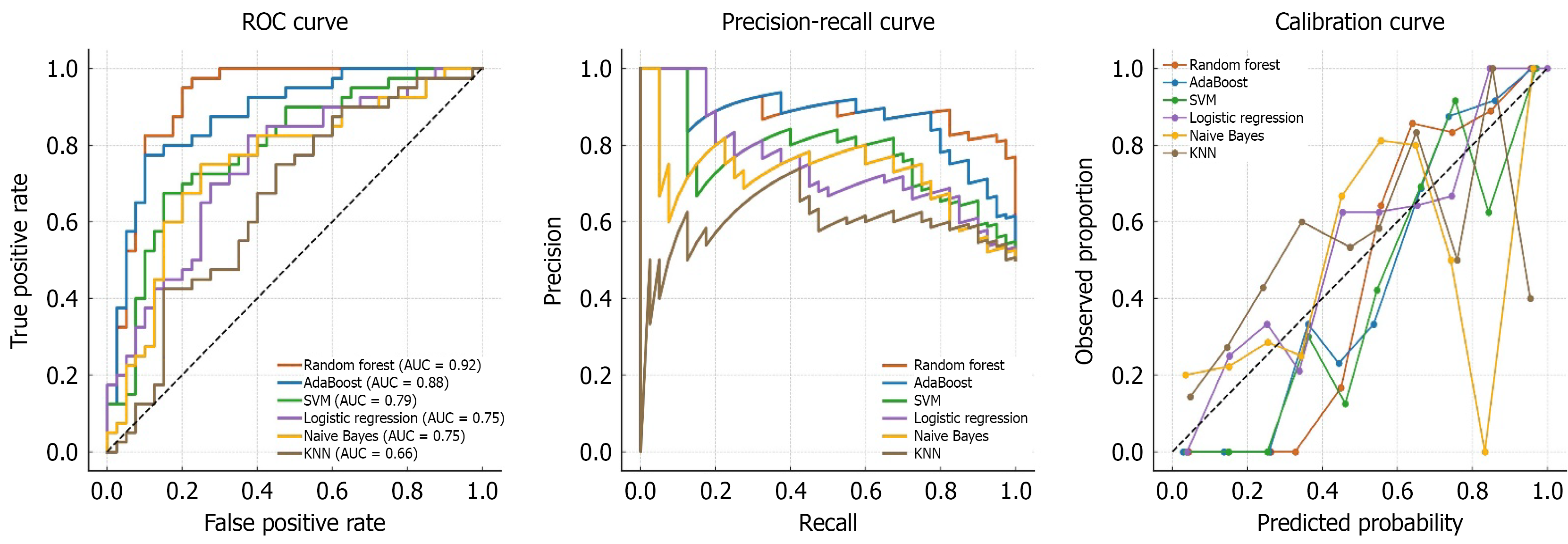
Figure 3 Receiver operating characteristic curves comparing the diagnostic performance of various machine-learning algorithms in predicting significant hepatic fibrosis in training cohort.
ROC: Receiver operating characteristic; AUC: Area under the receiver operating characteristic curve; SVM: Support vector machine; KNN: K-nearest neighbors.
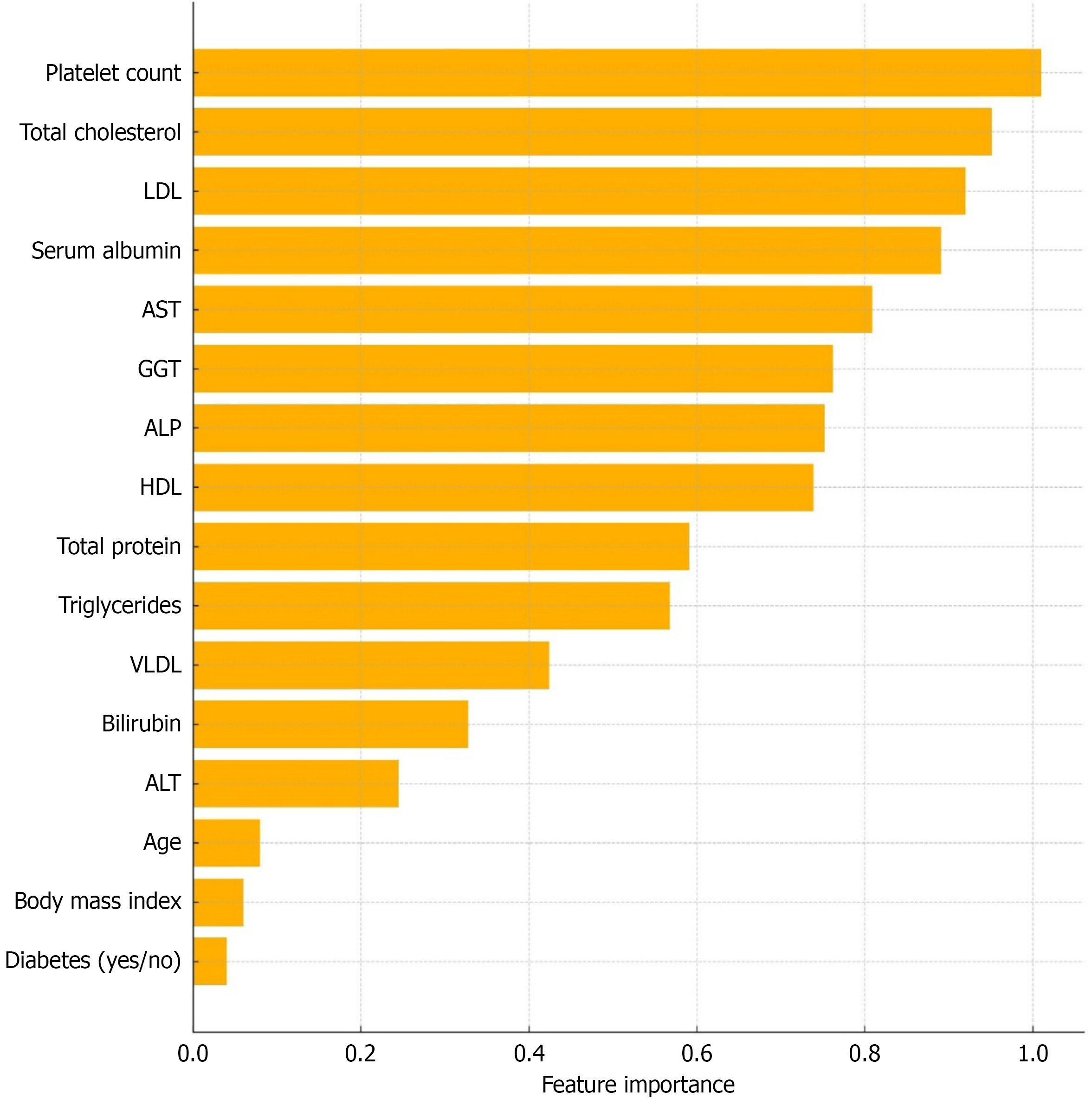
Figure 4 Feature importance ranking of clinical and biochemical variables in the random forest model.
LDL: Low-density lipoprotein; AST: Aspartate aminotransferase; GGT: Gamma-glutamyl transferase; ALP: Alkaline phosphatase; HDL: High-density lipoprotein; VLDL: Very-low-density lipoprotein; ALT: Alanine transaminase.
- Citation: Bashir A, Arora R, Mehrotra D, Bala M, Parry AH, Iqball A, Bhat SA, Wani ZA. Non-invasive prediction of significant hepatic fibrosis in individuals with chronic hepatitis C infection using fibrosis risk score and machine learning models. World J Hepatol 2026; 18(3): 117465
- URL: https://www.wjgnet.com/1948-5182/full/v18/i3/117465.htm
- DOI: https://dx.doi.org/10.4254/wjh.v18.i3.117465