
















©The Author(s) 2026.
World J Hepatol. Feb 27, 2026; 18(2): 115763
Published online Feb 27, 2026. doi: 10.4254/wjh.v18.i2.115763
Published online Feb 27, 2026. doi: 10.4254/wjh.v18.i2.115763
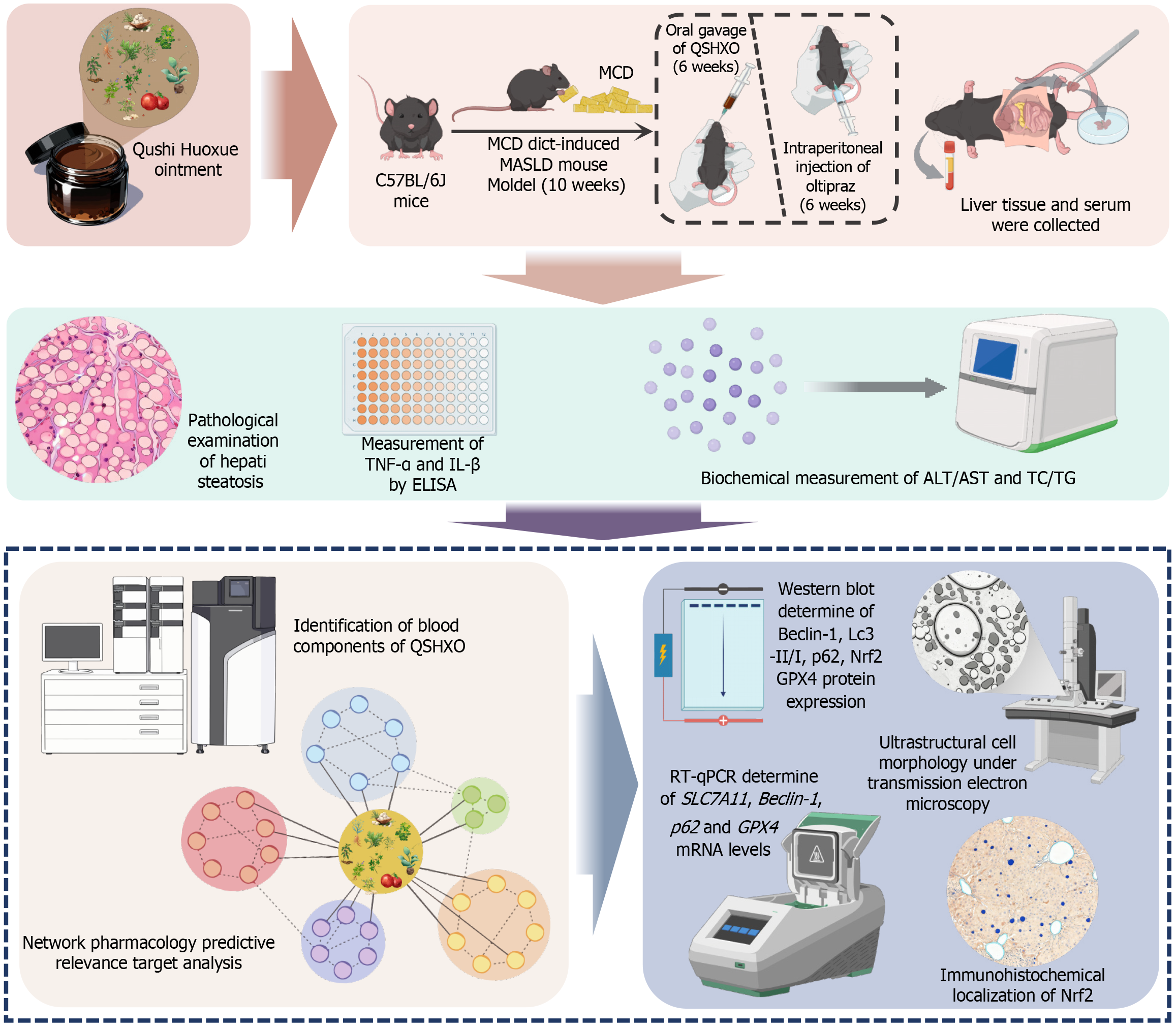
Figure 1 Experimental design summary diagram.
Metabolic associated steatotic liver disease mouse model was first established using the methionine-choline-deficient diet. Following Qushi Huoxue ointment (QSHXO) treatment, serum and liver tissue samples were collected to assess pathological changes, liver function markers, and inflammatory cytokine levels. Subsequently, the bioactive components of QSHXO in serum were identified using liquid chromatography-mass spectrometry/mass spectrometry analysis. Next, network pharmacology was applied to predict the potential target pathways of QSHXO in the treatment of metabolic associated steatotic liver disease, specifically focusing on autophagy and ferroptosis. These predicted targets were further validated through western blot, quantitative reverse-transcription polymerase chain reaction, immunohistochemistry, and transmission electron microscopy. MCD: Methionine-choline-deficient; MASLD: Metabolic associated steatotic liver disease; QSHXO: Qushi Huoxue ointment; TNF-α: Tumor necrosis factor-α; IL-β: Interleukin-β; ELISA: Enzyme-linked immunosorbent assay; ALT: Alanine aminotransferase; AST: Aspartate aminotransferase; TC: Total cholesterol; TG: Triglyceride; Nrf2: Nuclear factor erythroid 2-related factor 2; Lc3: Light chain 3; GPX4: Glutathione peroxidase 4.
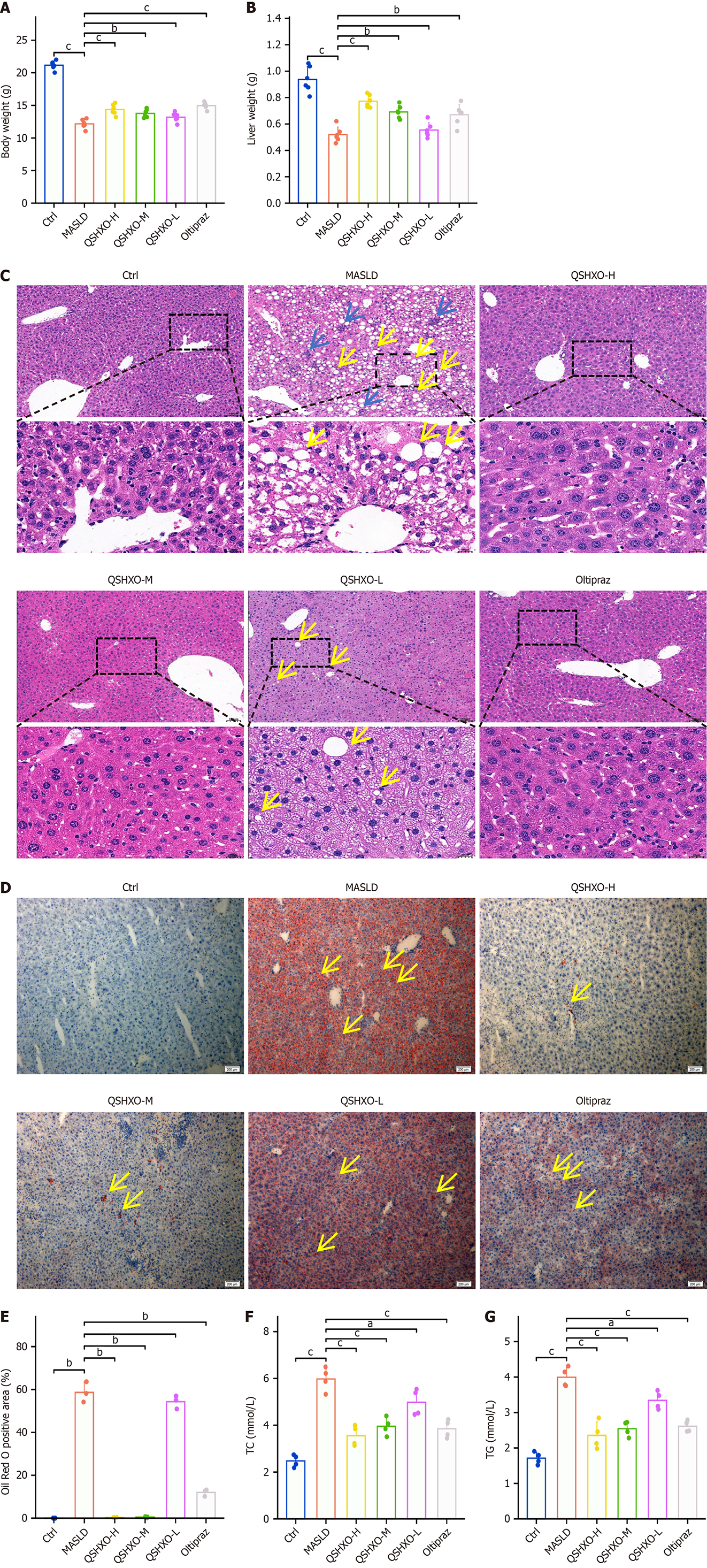
Figure 2 Qushi Huoxue ointment attenuates methionine-choline-deficient diet-induced hepatic steatosis.
A: Body weight of mice at the beginning and end of the experiment; B: Liver weight of mice at the beginning and end of the experiment; C: Representative hematoxylin and eosin staining images showing macrovesicular steatosis (yellow arrows), and focal inflammatory infiltration (blue arrows); scale bar: 100 μm and 20 μm; D: Representative Oil Red O staining images showing lipid droplets (red area /yellow arrows) and nuclei (blue area); scale bar: 100 μm and 20 μm; E: Quantitative analysis of Oil Red O-positive area (%); F: Serum total cholesterol levels; G: Serum triglyceride levels. Data are presented as means ± SD; aP < 0.05, bP < 0.01, cP < 0.001. MASLD: Metabolic associated steatotic liver disease; QSHXO: Qushi Huoxue ointment; TC: Total cholesterol; TG: Triglyceride.
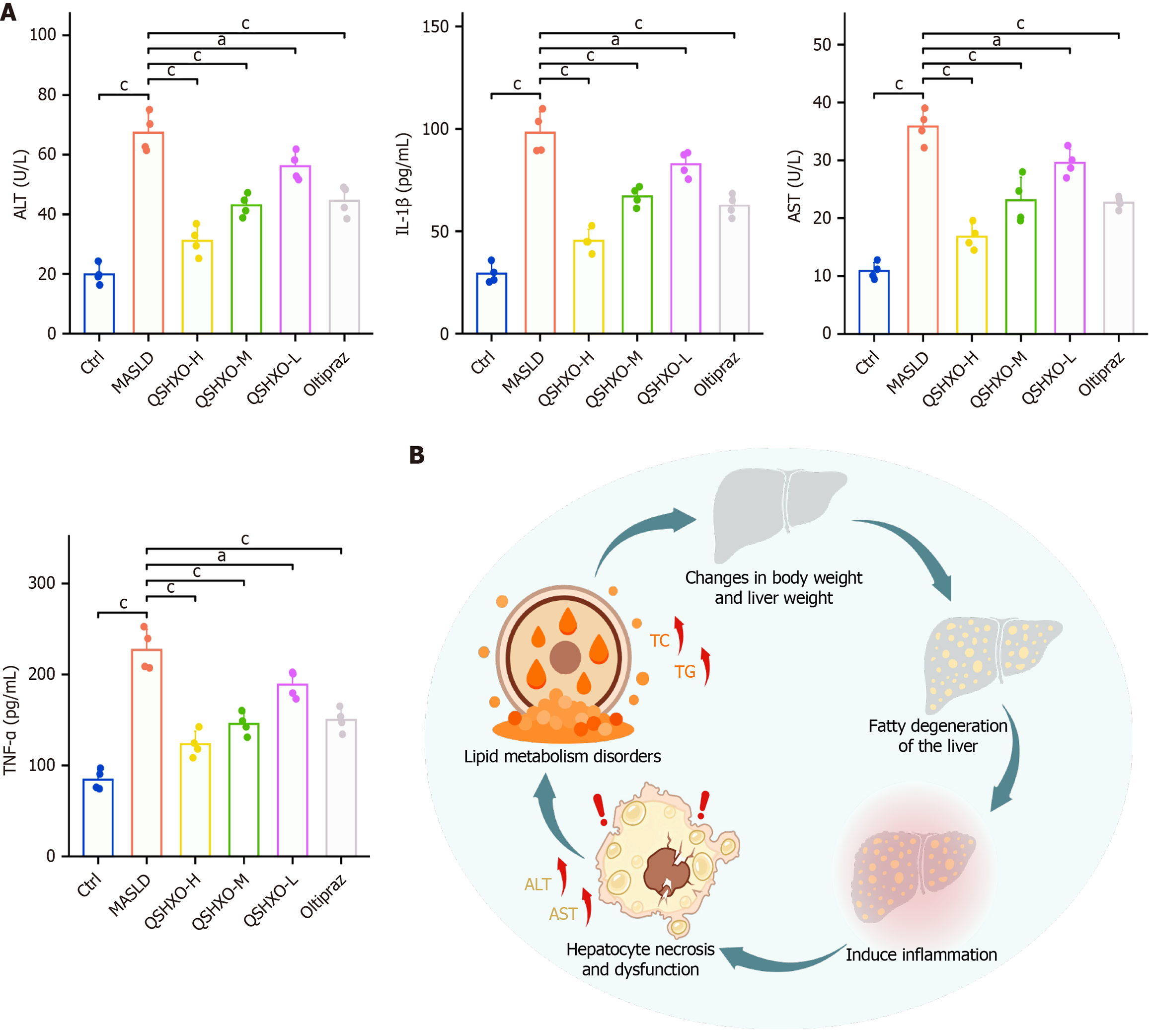
Figure 3 Qushi Huoxue ointment ameliorates liver injury and inflammatory response in metabolic associated steatotic liver disease mice.
A: Serum levels of aspartate aminotransferase, alanine aminotransferase, tumor necrosis factor-α, and interleukin-β; B: Schematic diagram illustrating the relationship between hepatic lipid accumulation and liver injury. Data are presented as means ± SD; aP < 0.05, cP < 0.001. MASLD: Metabolic associated steatotic liver disease; QSHXO: Qushi Huoxue ointment; AST: Aspartate aminotransferase; ALT: Alanine aminotransferase; TNF-α: Tumor necrosis factor-α; IL-β: Interleukin-β; TC: Total cholesterol; TG: Triglyceride.

Figure 4 Network pharmacology predicts the mechaism of Qushi Huoxue ointment intervention in metabolic associated steatotic liver disease.
A: Venn diagram of traditional Chinese medicine (TCM)-disease-ferroptosis intersection and TCM-disease-autophagy intersection; B: Protein-protein interaction network diagram; C: Gene Ontology enrichment analysis top 10 bar chart, Kyoto Encyclopedia of Genes and Genomes enrichment analysis top 20 bubble chart; D: TCM-component-key target-pathway network diagram; key target-component Sankey diagram. MASLD: Metabolic associated steatotic liver disease; TCM: Traditional Chinese medicine; GO: Gene Ontology; KEGG: Kyoto Encyclopedia of Genes and Genomes.
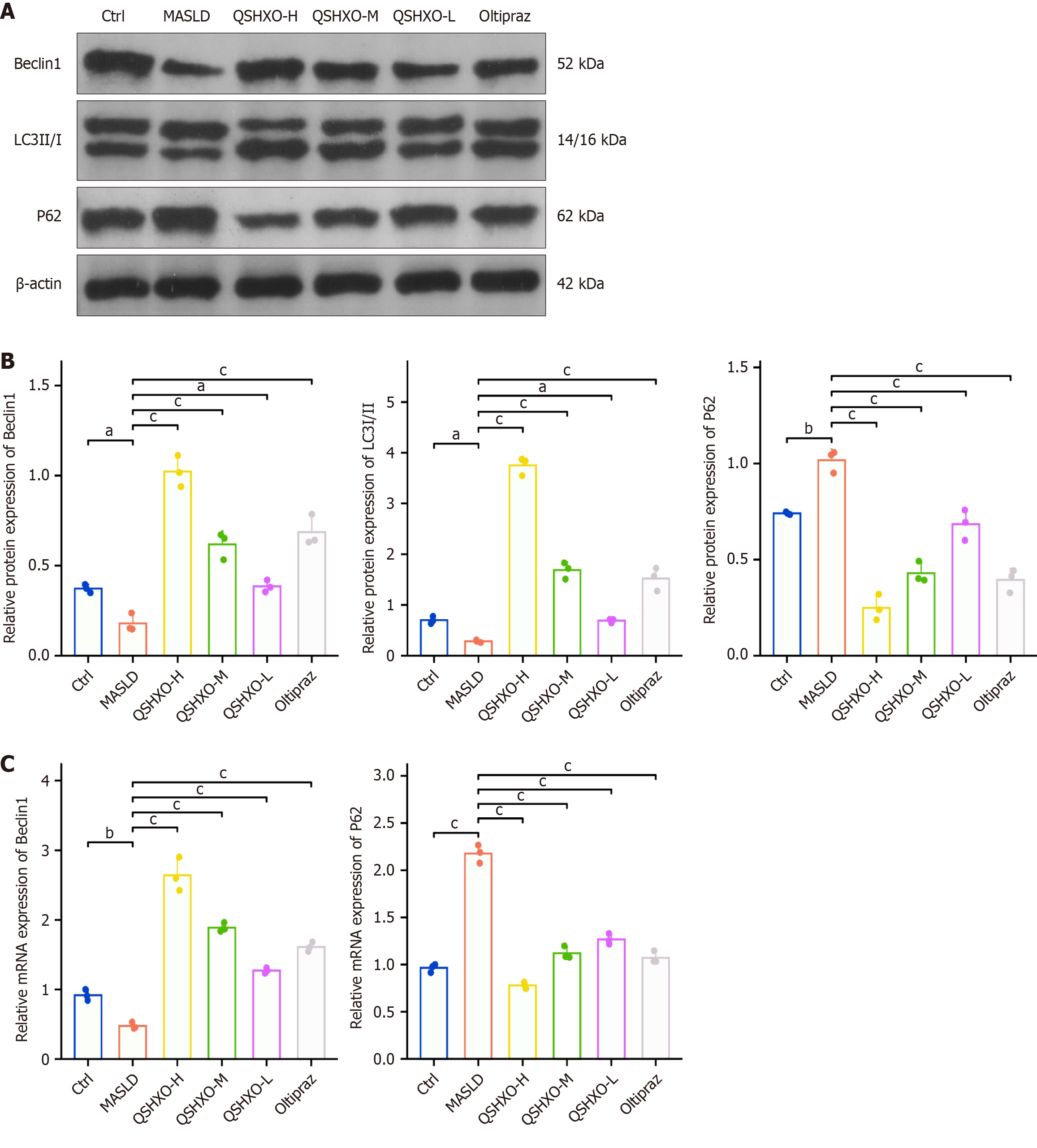
Figure 5 Qushi Huoxue ointment activates hepatic autophagy in metabolic associated steatotic liver disease mice.
A: Representative western blot images of Beclin1, the light chain 3 II/Light chain 3 I, and P62 protein levels in liver tissues; B: Quantitative analysis of Beclin1, the light chain 3 II/Light chain 3 I ratio, and P62 protein levels; C: Quantitative reverse-transcription polymerase chain reaction analysis of mRNA expressions of Beclin1 and P62 in liver tissues. Data are presented as means ± SD; aP < 0.05, bP < 0.01, cP < 0.001. LC3II/LC3I: Light chain 3 II/Light chain 3 I ratio; MASLD: Metabolic associated steatotic liver disease; QSHXO: Qushi Huoxue ointment.
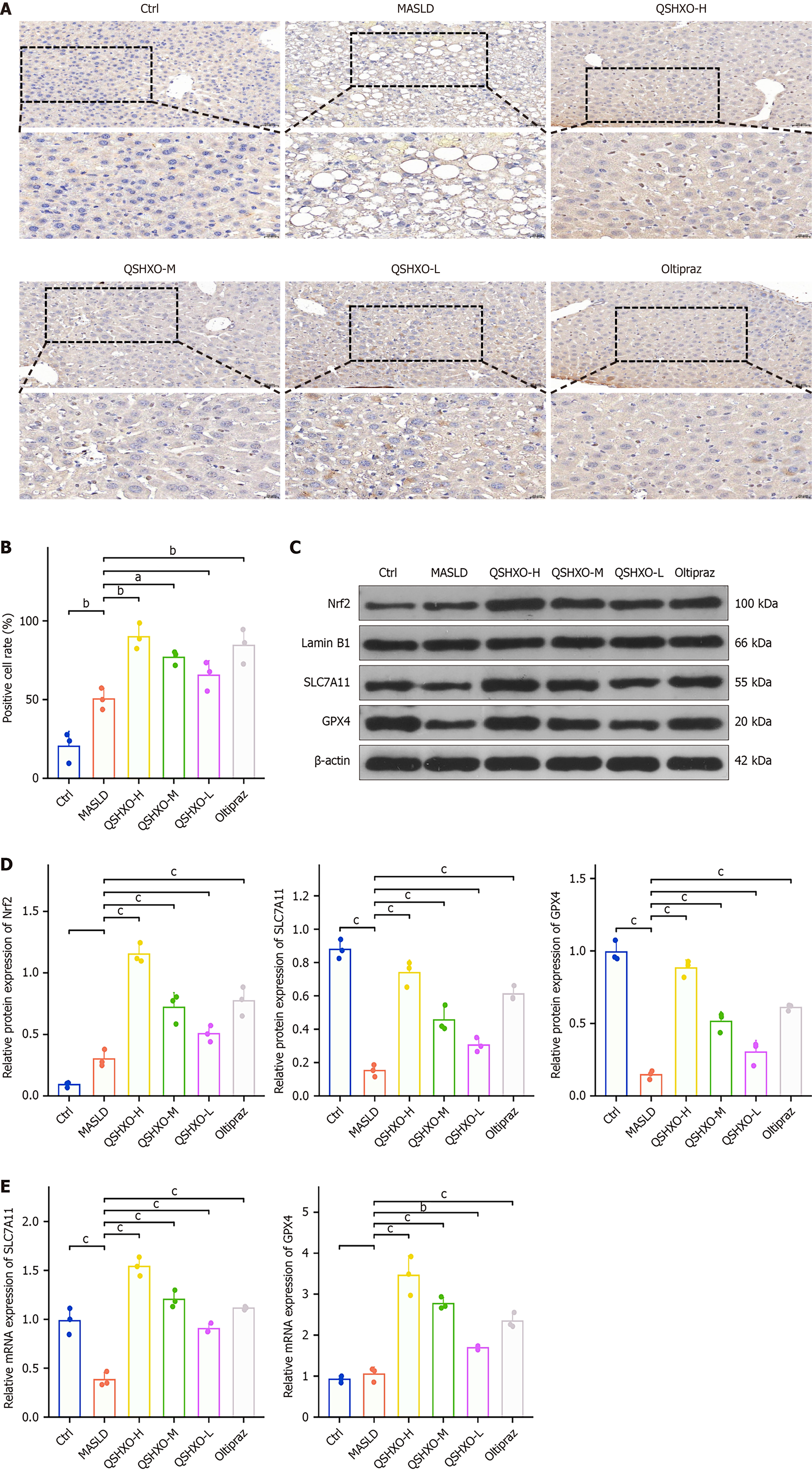
Figure 6 Qushi Huoxue ointment inhibits ferroptosis in metabolic associated steatotic liver disease mice.
A: Representative immunohistochemical images of nuclear factor erythroid 2-related factor 2 (Nrf2) nuclear translocation in liver tissues. Scale bar: 100 μm and 20 μm; B: Quantitative analysis of Nrf2 expression by mean optical density; C: Western blot analysis of Nrf2 (using lamin B1 as internal reference), SLC7A11, and glutathione peroxidase 4 (GPX4) (using β-actin as internal reference) protein levels in liver tissues; D: Quantitative analysis of Nrf2, SLC7A11 and GPX4 protein levels; E: Quantitative reverse-transcription polymerase chain reaction analysis of mRNA expressions of SLC7A11 and GPX4 in liver tissues. Data are presented as means ± SD; aP < 0.05, bP < 0.01, cP < 0.001. MASLD: Metabolic associated steatotic liver disease; QSHXO: Qushi Huoxue ointment; Nrf2: Nuclear factor erythroid 2-related factor 2; GPX4: Glutathione peroxidase 4.
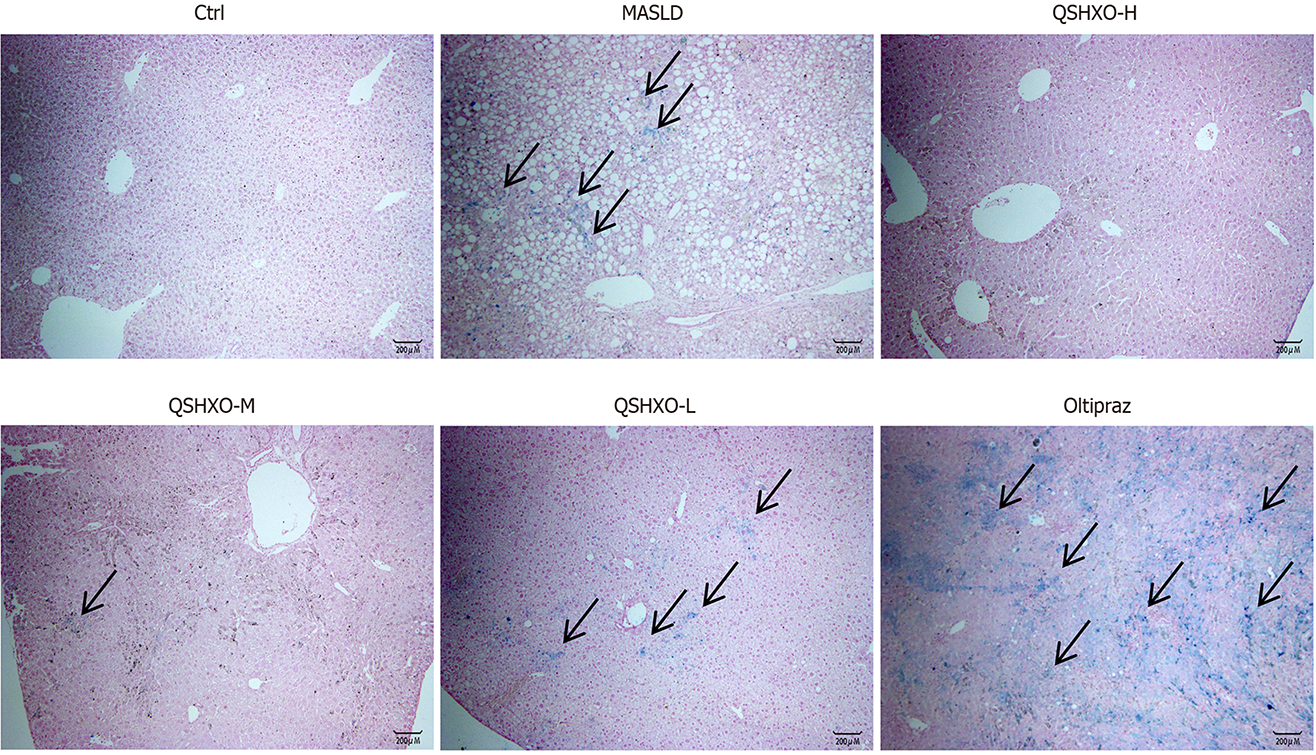
Figure 7 Qushi Huoxue ointment reduces hepatic iron deposition in metabolic associated steatotic liver disease mice.
Representative images of Prussian blue staining in liver tissues. Nuclei are counterstained red, and iron deposits appear as blue granules in the hepatocyte cytoplasm (indicated by black arrows). MASLD: Metabolic associated steatotic liver disease; QSHXO: Qushi Huoxue ointment.
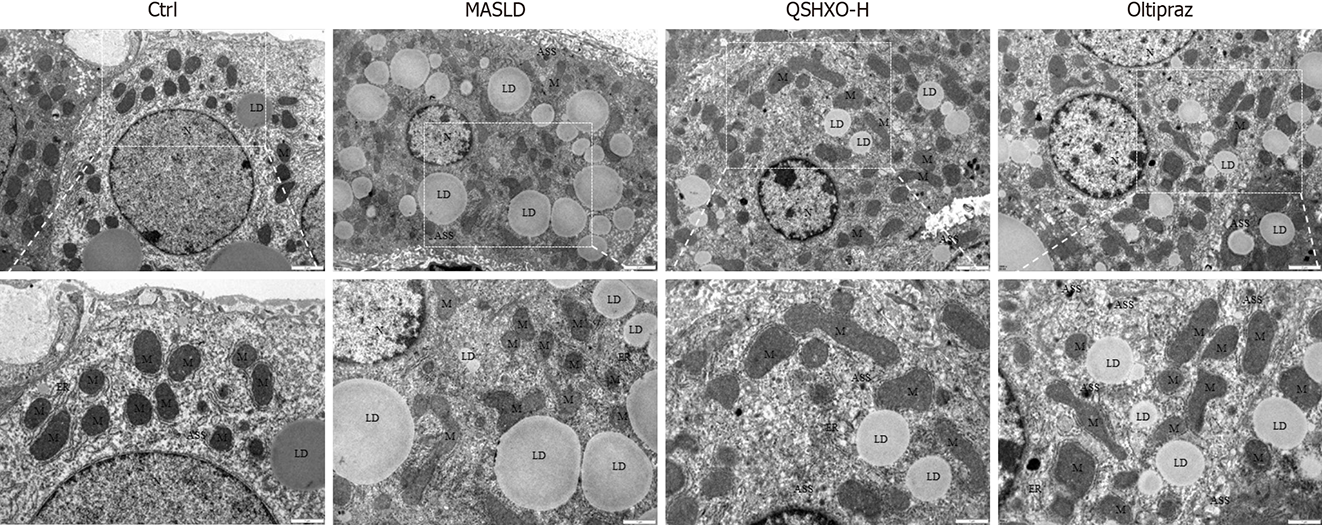
Figure 8 Qushi Huoxue ointment ameliorates hepatic ultrastructural damage in metabolic associated steatotic liver disease mice.
Representative transmission electron microscopy micrographs of hepatocytes. Compared to the control group, the metabolic associated steatotic liver disease group exhibited mitochondrial shrinkage with disrupted cristae, substantial lipid accumulation, and scarce autolysosome. In contrast, both the Qushi Huoxue ointment-high-dose and oltipraz groups showed preserved mitochondrial architecture, reduced lipid droplets, and increased autophagic vesicles, indicating restored autophagic flux. Scale bars: 2 μm (overview), 500 nm (detail). MASLD: Metabolic associated steatotic liver disease; QSHXO: Qushi Huoxue ointment; M: Mitochondria; LDs: Lipid droplets; ER: Endoplasmic reticulum; AS: Autophagosome; ASS: Autolysosome.
- Citation: Liu YY, Qin H, Wu HX, Wang RT, Yang QY, Jiang F, Liu XD, Wu DK, Tang YM. Qushi Huoxue ointment ameliorates metabolic associated steatotic liver disease through autophagy activation and ferroptosis inhibition. World J Hepatol 2026; 18(2): 115763
- URL: https://www.wjgnet.com/1948-5182/full/v18/i2/115763.htm
- DOI: https://dx.doi.org/10.4254/wjh.v18.i2.115763