
















©The Author(s) 2026.
World J Hepatol. Feb 27, 2026; 18(2): 113685
Published online Feb 27, 2026. doi: 10.4254/wjh.v18.i2.113685
Published online Feb 27, 2026. doi: 10.4254/wjh.v18.i2.113685
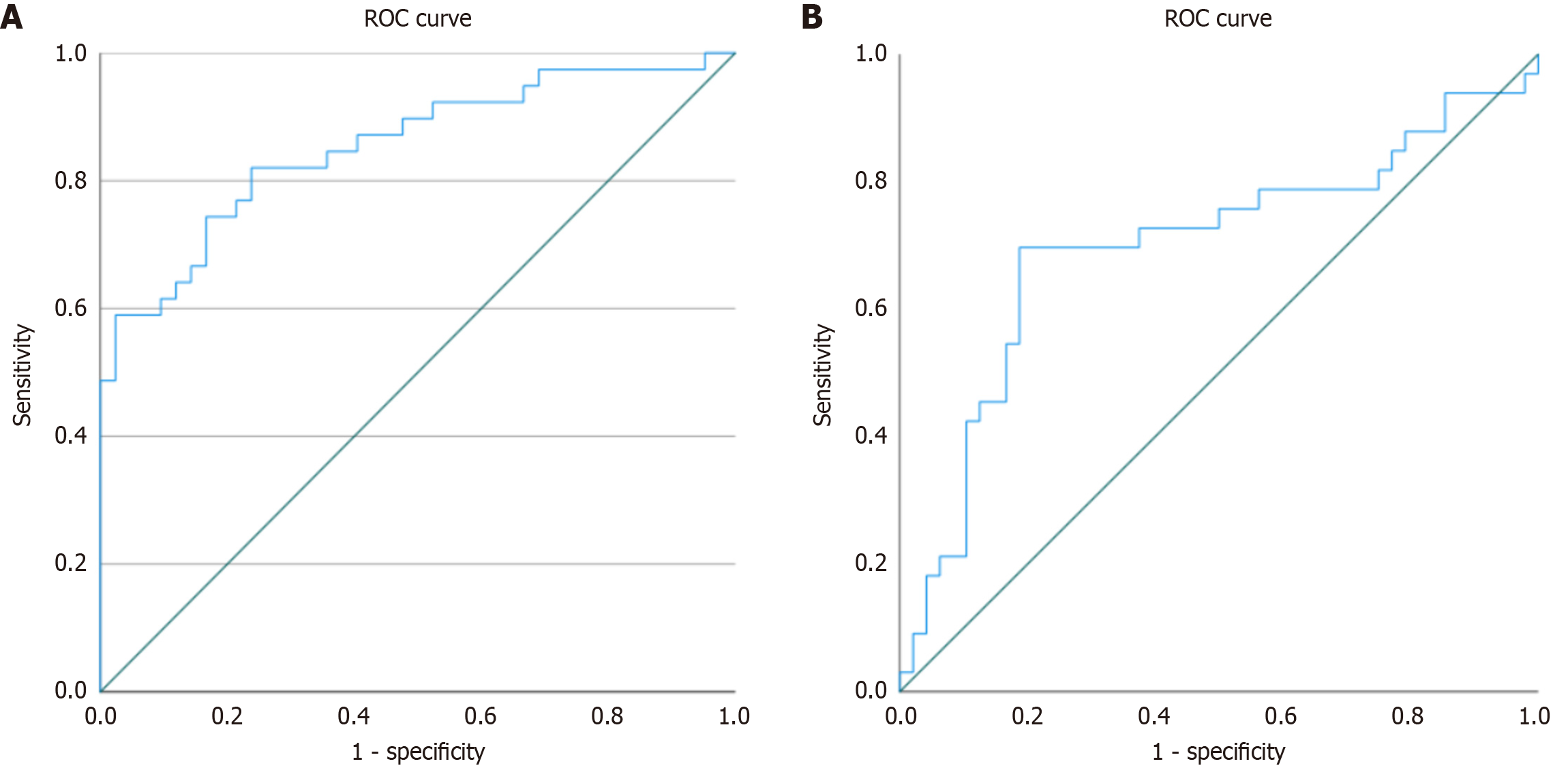
Figure 1 Receiver operating characteristic curve.
A: Receiver operating characteristic curve showing the discriminative ability of the log-transformed leptin/adiponectin ratio for detecting metabolic dysfunction-associated steatotic liver disease in primary biliary cholangitis patients. Area under the curve (AUC) = 0.853, 95% confidence interval: 0.770-0.937, P < 0.001. The AUC was 0.853, indicating high diagnostic accuracy of the leptin/adiponectin ratio for identifying metabolic dysfunction-associated steatotic liver disease; B: Receiver operating characteristic curve evaluating the ability of the log-transformed leptin/adiponectin ratio to discriminate the presence of metabolic syndrome in patients with primary biliary cholangitis. AUC = 0.689, 95% confidence interval: 0.573-0.824, P = 0.003. The leptin/adiponectin ratio yielded an AUC of 0.689, suggesting moderate-to-high discriminative ability for metabolic syndrome. ROC: Receiver operating characteristic.
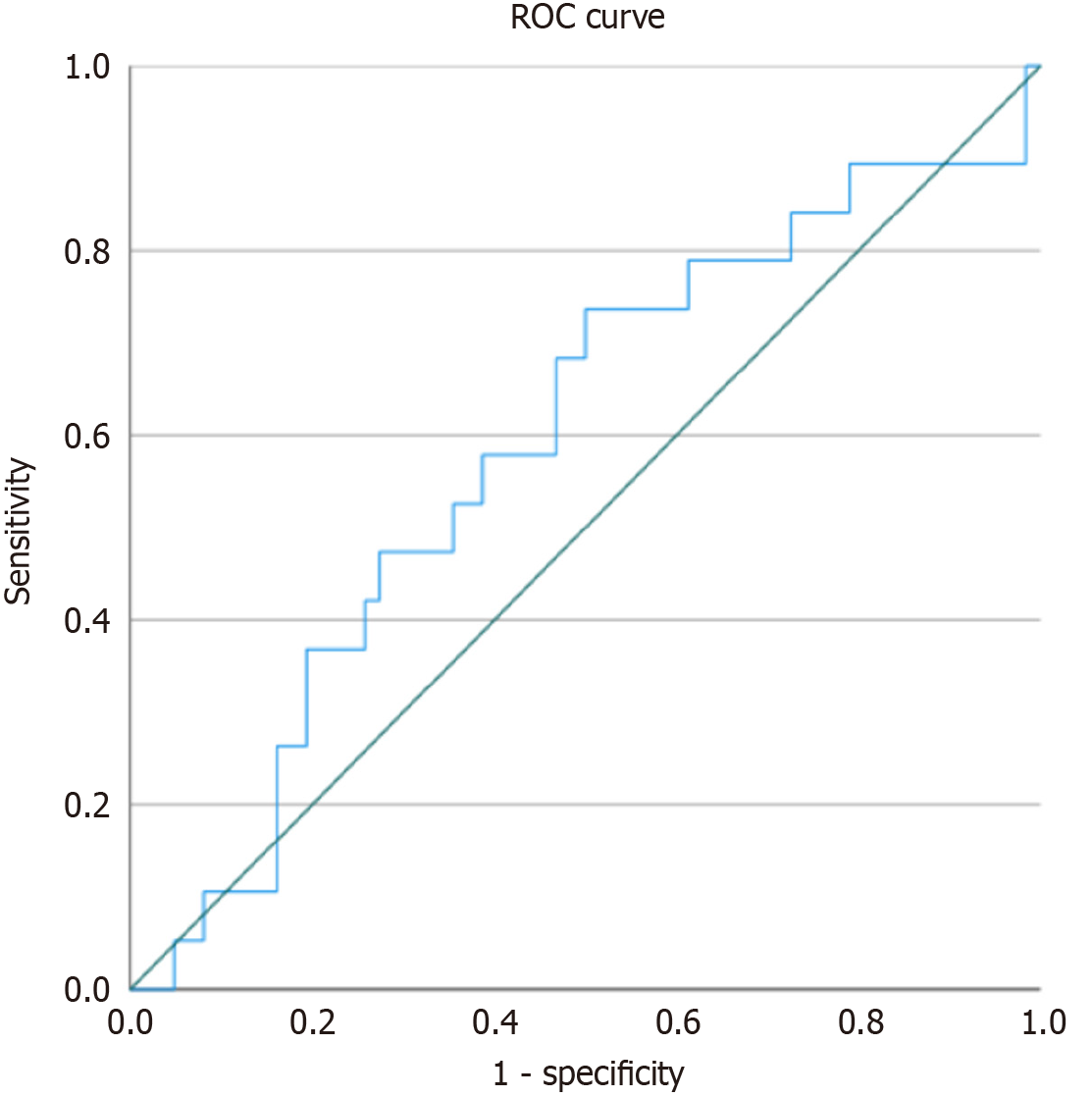
Figure 2 Receiver operating characteristic curve assessing the performance of the log-transformed leptin/adiponectin ratio in predicting advanced liver fibrosis among primary biliary cholangitis patients.
Area under the curve = 0.589; 95% confidence interval: 0.442-0.737; P = 0.242. ROC: Receiver operating characteristic.
- Citation: Koky T, Drazilova S, Komarova S, Macej M, Toporcerova D, Janicko M, Spakova I, Rabajdova M, Marekova M, Jarcuska P. Adipokine profiles reflect metabolic dysfunction but not fibrosis in patients with primary biliary cholangitis. World J Hepatol 2026; 18(2): 113685
- URL: https://www.wjgnet.com/1948-5182/full/v18/i2/113685.htm
- DOI: https://dx.doi.org/10.4254/wjh.v18.i2.113685