
















©The Author(s) 2025.
World J Hepatol. Oct 27, 2025; 17(10): 109770
Published online Oct 27, 2025. doi: 10.4254/wjh.v17.i10.109770
Published online Oct 27, 2025. doi: 10.4254/wjh.v17.i10.109770
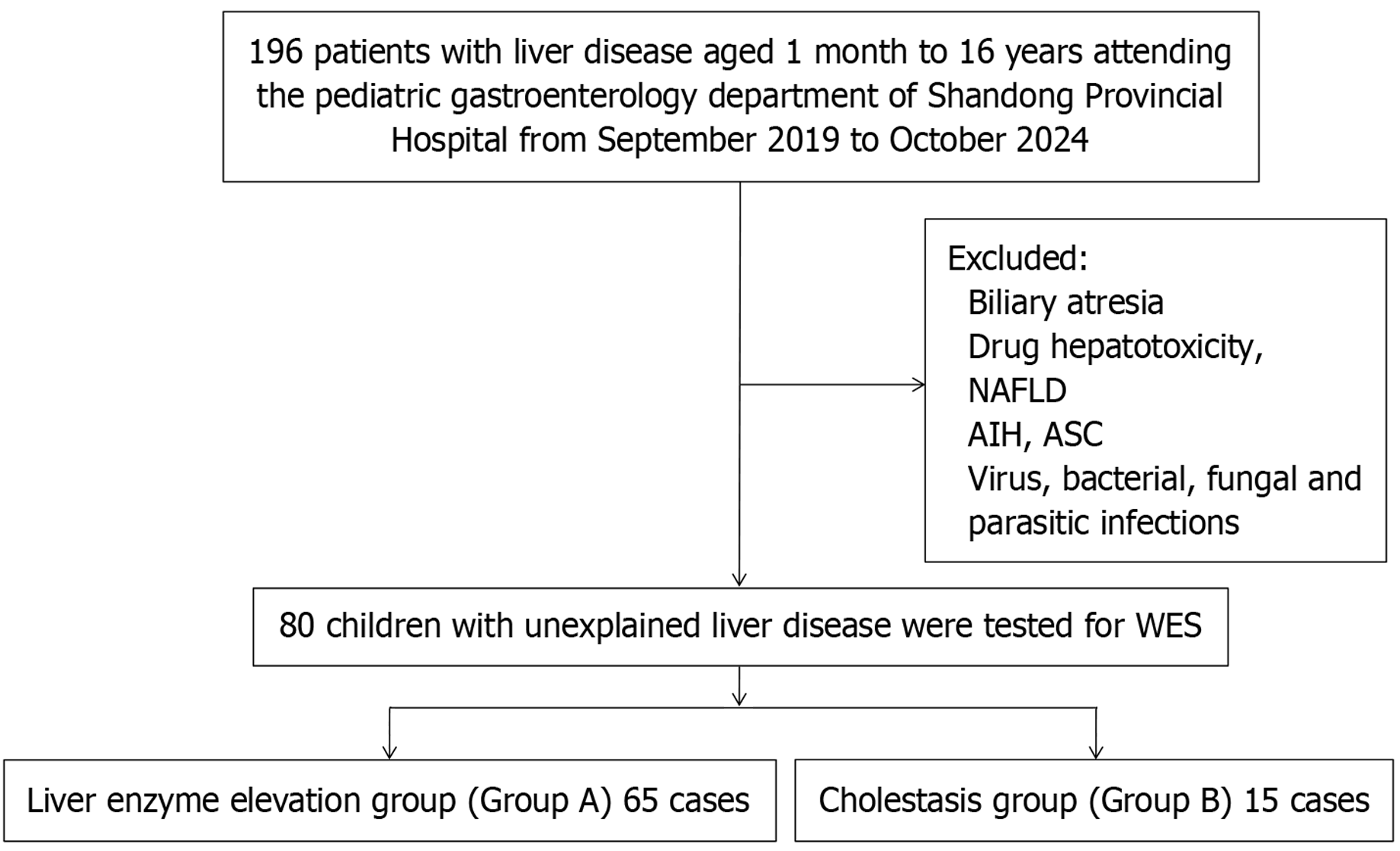
Figure 1 Flowchart of patient selection and summary of diagnoses and groups.
NAFLD: Non-alcoholic fatty liver disease; AIH: Autoimmune hepatitis; ASC: Autoimmune sclerosing cholangitis; WES: Whole-exome sequencing.
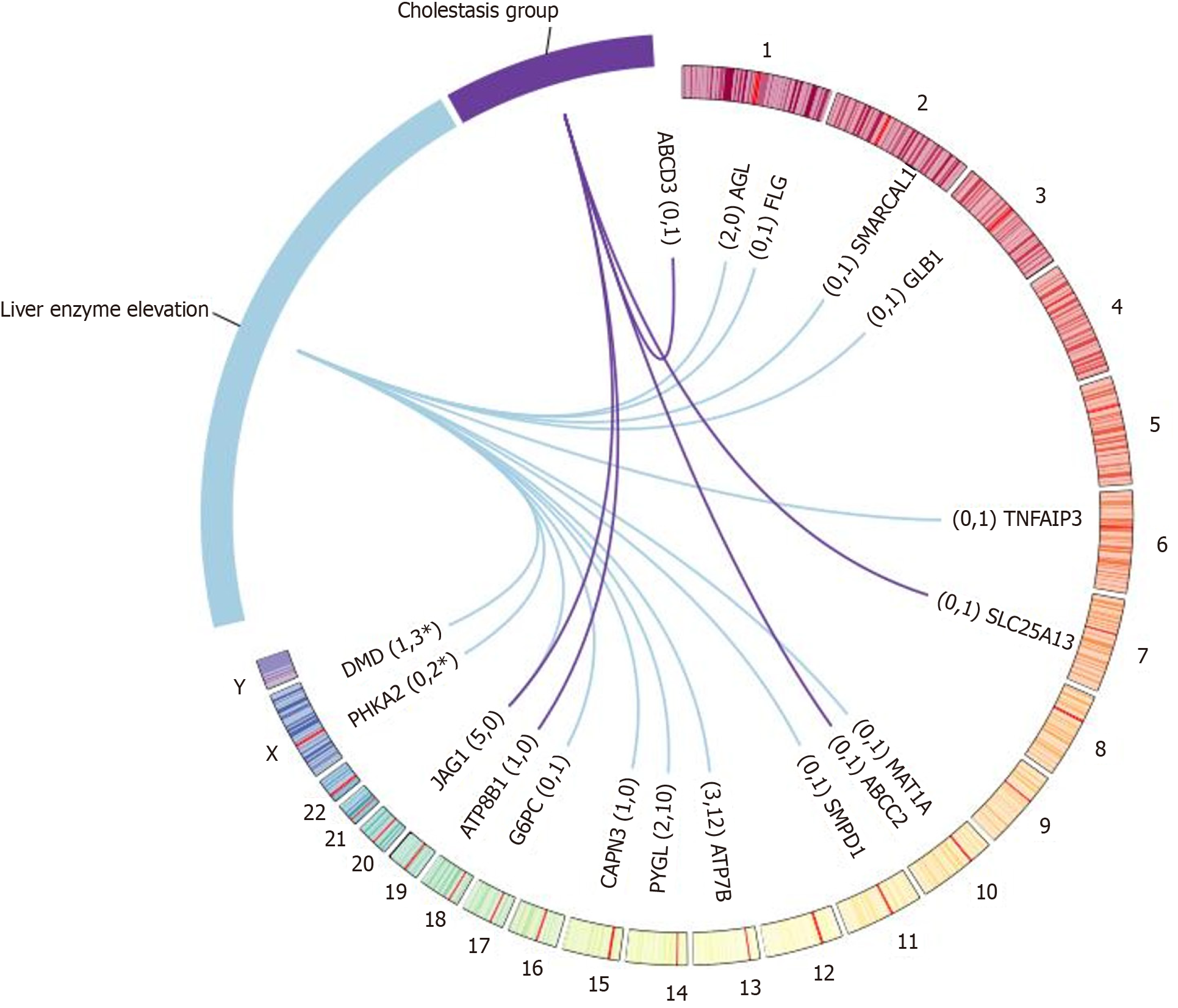
Figure 2 Genetic diagnostic torus of 45 children with unexplained liver disease.
The two liver damage groups are labeled outside the widest arc, the chromosome numbers are labeled outside the smaller arc, and the gene names (Pathogenic or Likely pathogenic, variants of uncertain significance) are listed inside. Inside the gene bracket, the inner ring represents a homozygote, the outer ring represents a heterozygote, and asterisk represents a hemizygote. Links are colored by two categories.
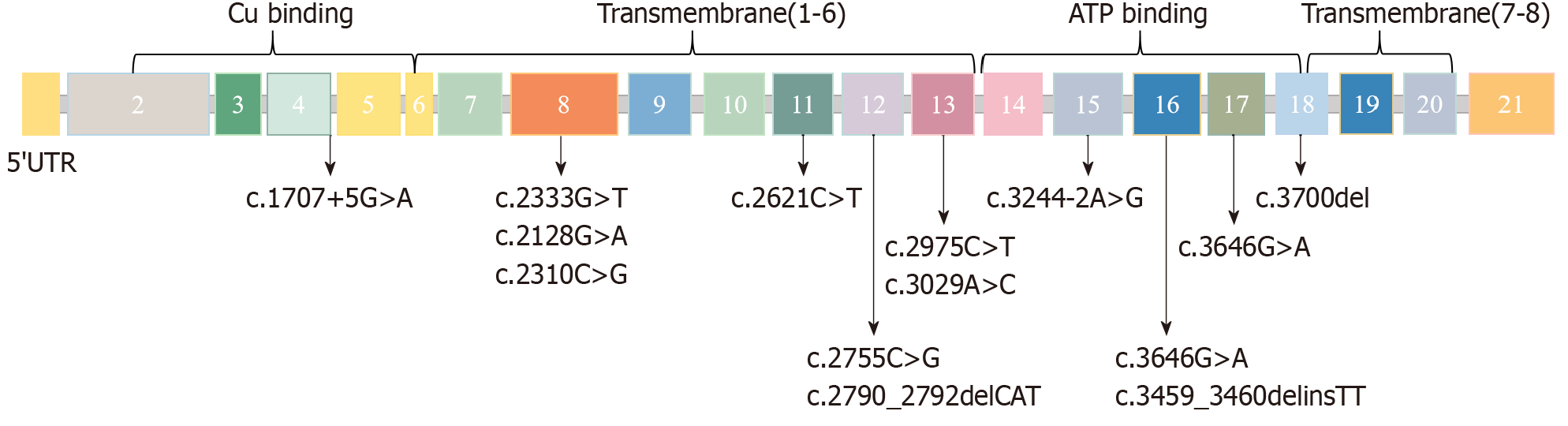
Figure 3 Schematic representation of the ATP7B gene mutation site identified in this study.
The diagram illustrates the 5’UTR promoter region, exons separated by introns, and the specific mutation site within the ATP7B gene.
- Citation: Chen Y, Wang ZY, Chen BQ, Qi YJ, Liu HY, Shi WX, Guo L, Liu Z, Sun LF. Clinical characteristics and genetic causes of unexplained pediatric liver disease. World J Hepatol 2025; 17(10): 109770
- URL: https://www.wjgnet.com/1948-5182/full/v17/i10/109770.htm
- DOI: https://dx.doi.org/10.4254/wjh.v17.i10.109770