
















Copyright: ©Author(s) 2026.
World J Stem Cells. Aug 26, 2026; 18(8): 123046
Published online Aug 26, 2026. doi: 10.4252/wjsc.123046
Published online Aug 26, 2026. doi: 10.4252/wjsc.123046
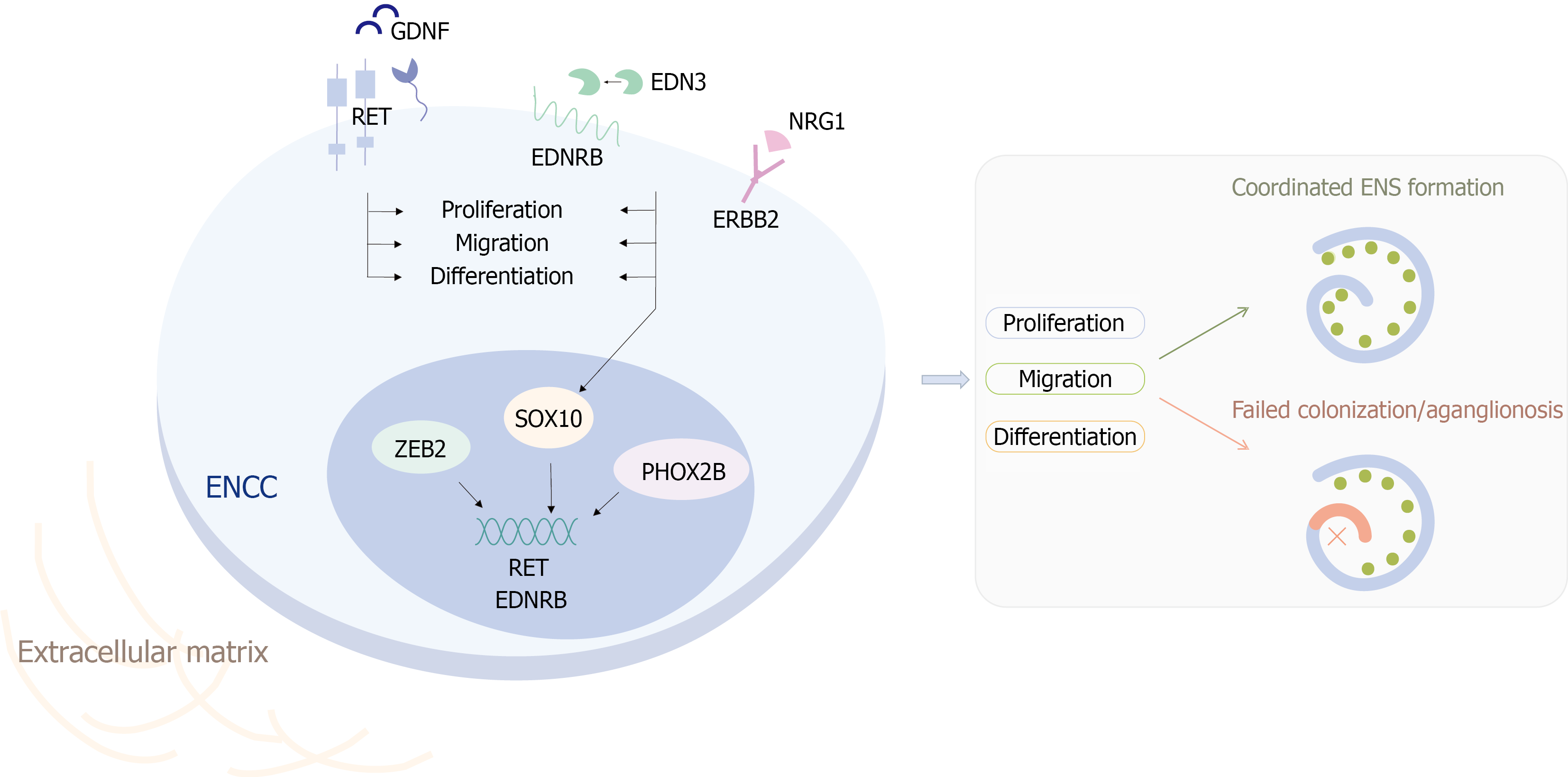
Figure 1 Major Hirschsprung disease-associated genes and signaling pathways regulating enteric neural crest cell development.
This schematic summarizes representative genetic and microenvironmental regulators involved in enteric neural crest cell (ENCC) proliferation, migration, differentiation, and survival during enteric nervous system (ENS) formation. Glial cell line-derived neurotrophic factor-RET proto-oncogene signaling, endothelin 3-endothelin receptor type B signaling, and neuregulin 1-erb-b2 receptor tyrosine kinase 2 signaling are shown as major pathways influencing ENCC behavior. Key transcriptional regulators, including SRY-box transcription factor 10, paired-like homeobox 2B, and zinc finger E-box-binding homeobox 2, are illustrated within the ENCC regulatory network. Extracellular matrix cues are also depicted as part of the intestinal microenvironment that modulates ENCC colonization. Coordinated ENCC proliferation, migration, and differentiation support normal ENS formation, whereas impaired pathway activity or disrupted regulatory interactions can lead to failed distal bowel colonization and aganglionosis in Hirschsprung disease (HSCR). This figure highlights representative mechanisms rather than all genetic or regulatory factors involved in HSCR pathogenesis. GDNF: Glial cell line-derived neurotrophic factor; RET: RET proto-oncogene; EDN3: Endothelin 3; EDNRB: Endothelin receptor type B; NRG1: Neuregulin 1; ERBB2: Erb-b2 receptor tyrosine kinase 2; ENCC: Enteric neural crest cell; ZEB2: Zinc finger E-box-binding homeobox 2; SOX10: SRY-box transcription factor 10; PHOX2B: Paired-like homeobox 2B; ENS: Enteric nervous system.
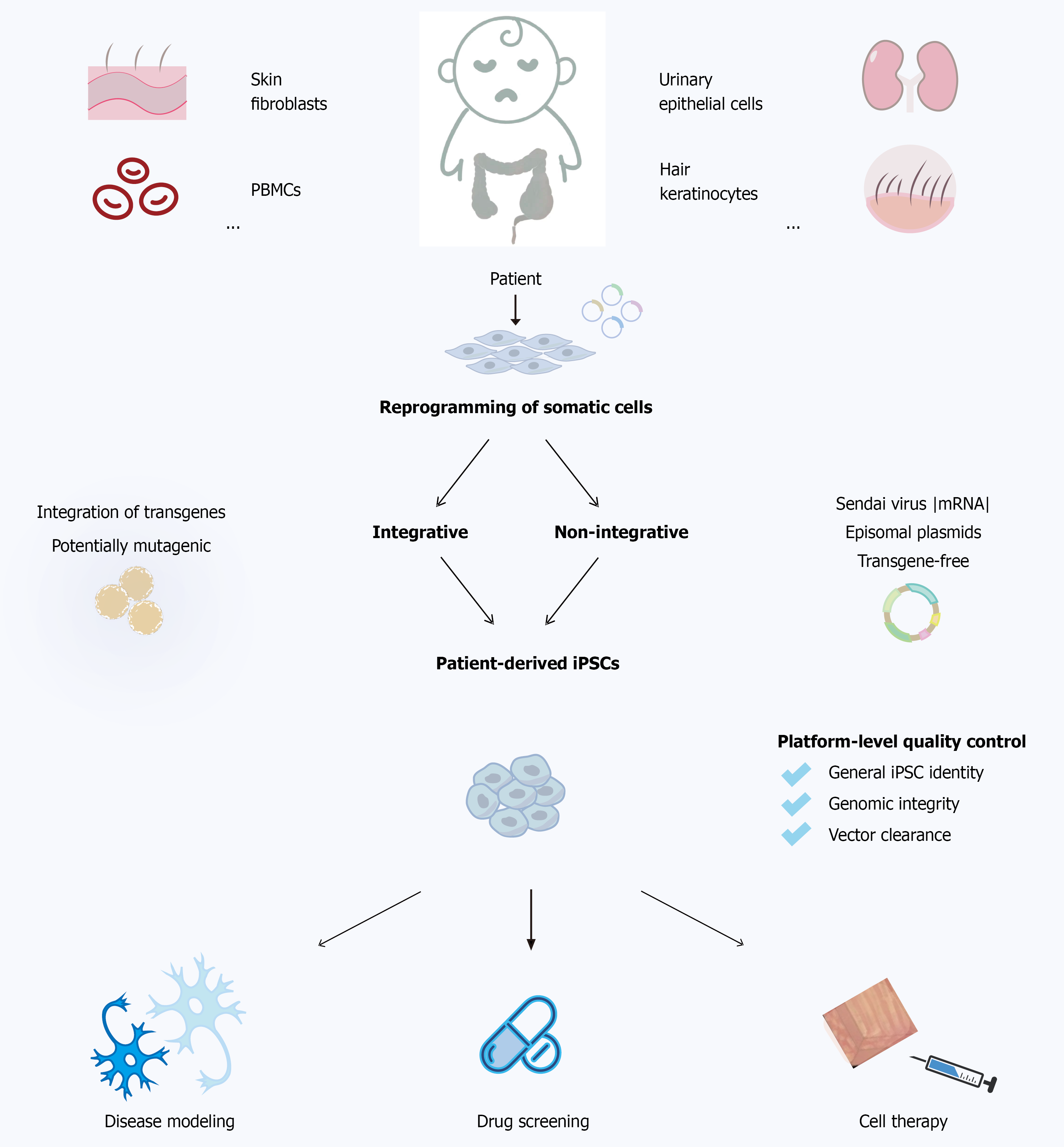
Figure 2 General workflow for establishing patient-derived induced pluripotent stem cell platforms for Hirschsprung disease research.
Somatic cells can be obtained from patients with Hirschsprung disease using several sources, including skin fibroblasts, peripheral blood mononuclear cells, urinary epithelial cells, and hair keratinocytes. These donor cells are reprogrammed into patient-derived induced pluripotent stem cells (iPSCs) using either integrative or non-integrative strategies. Integrative approaches may achieve reprogramming but carry potential risks related to transgene insertion and mutagenesis. Non-integrative approaches, such as Sendai virus-based reprogramming, messenger RNA-based reprogramming, or episomal plasmid-based reprogramming, can generate transgene-free iPSC lines and are generally more suitable for downstream translational applications. Platform-level quality control should include confirmation of general iPSC identity, genomic integrity, and clearance of reprogramming vectors when applicable. After quality control, patient-derived iPSCs can be differentiated and applied to disease modeling, drug screening, and preclinical evaluation of cell-based therapeutic strategies. The figure emphasizes that donor cell source, reprogramming strategy, and quality control standards directly influence reproducibility, scalability, and translational suitability. PBMCs: Peripheral blood mononuclear cells; iPSC: Induced pluripotent stem cell.
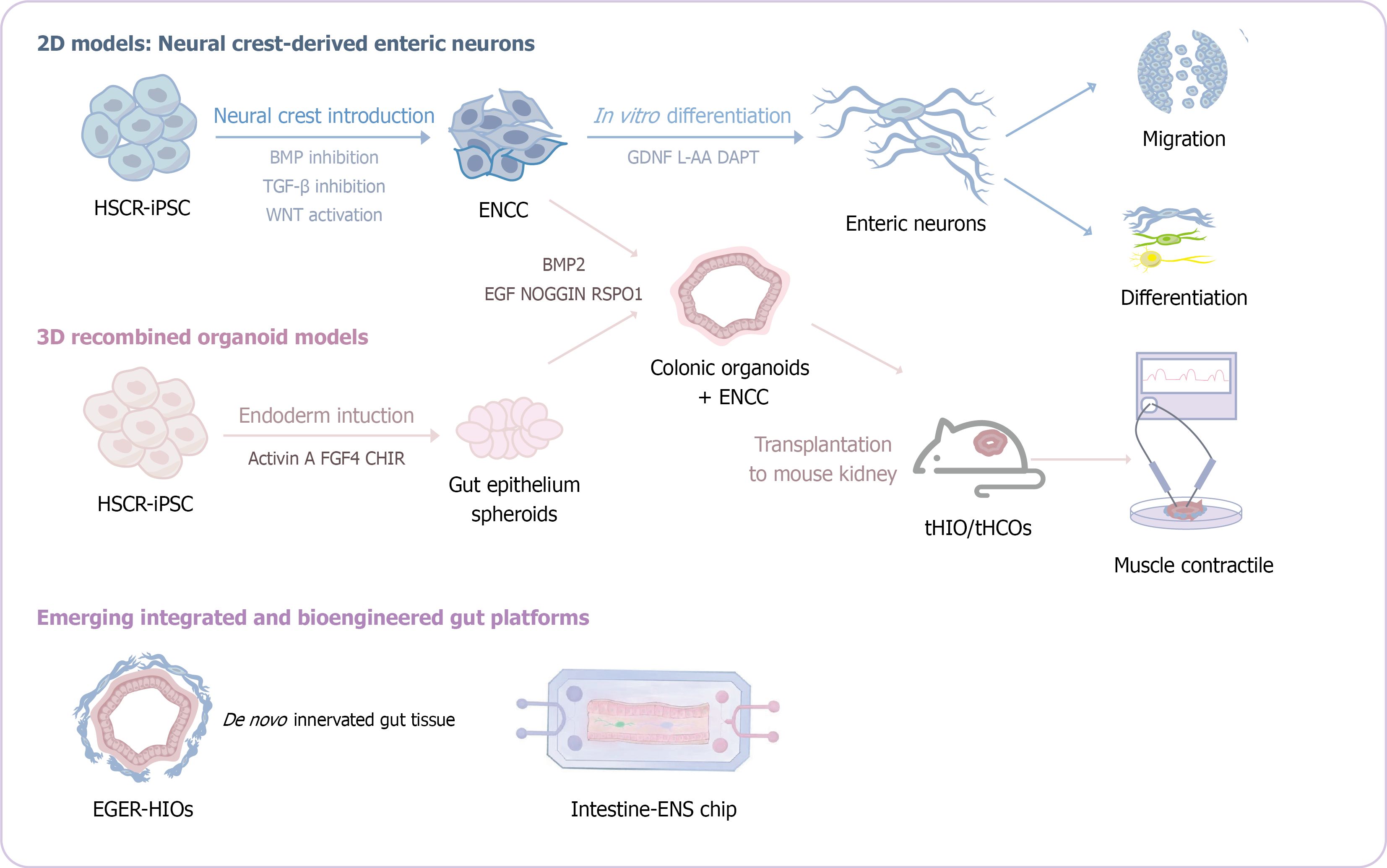
Figure 3 Induced pluripotent stem cell-based modeling platforms relevant to Hirschsprung disease research.
The figure summarizes three major categories of human induced pluripotent stem cell (iPSC)-based and emerging gut models used to study Hirschsprung disease (HSCR). In two-dimensional models, HSCR patient-derived iPSCs are directed toward enteric neural crest cells (ENCCs) through neural crest induction using developmental signaling modulation, such as bone morphogenetic protein inhibition, transforming growth factor-beta inhibition, and WNT pathway activation. ENCCs can then be differentiated into enteric neurons and assessed using cellular phenotypes such as migration and neuronal differentiation. In three-dimensional recombined organoid models, iPSC-derived gut epithelial spheroids or intestinal and colonic organoids are combined with ENCCs to generate innervated organoid systems. These models allow assessment of ENCC colonization, neuroepithelial interaction, in vivo maturation after transplantation, and tissue-level readouts such as contractile responses. Emerging integrated and bioengineered gut platforms include de novo innervated gut tissues and intestine-enteric nervous system microphysiological systems. These platforms may provide additional opportunities to study epithelial-neural communication, mechanical stimulation, barrier function, and dynamic multicellular interactions. Overall, these model systems are complementary rather than hierarchical, and each should be selected according to the biological question and required functional endpoint. 2D: Two-dimensional; 3D: Three-dimensional; HSCR: Hirschsprung disease; iPSC: Induced pluripotent stem cell; BMP: Bone morphogenetic protein; TGF: Transforming growth factor; ENCC: Enteric neural crest cell; GDNF: Glial cell line-derived neurotrophic factor; L-AA: L-ascorbic acid; EGF: Epidermal growth factor; FGF4: Fibroblast growth factor 4; RSPO1: R-spondin 1; HIOs: Human intestinal organoids; HCOs: Human colonic organoids.
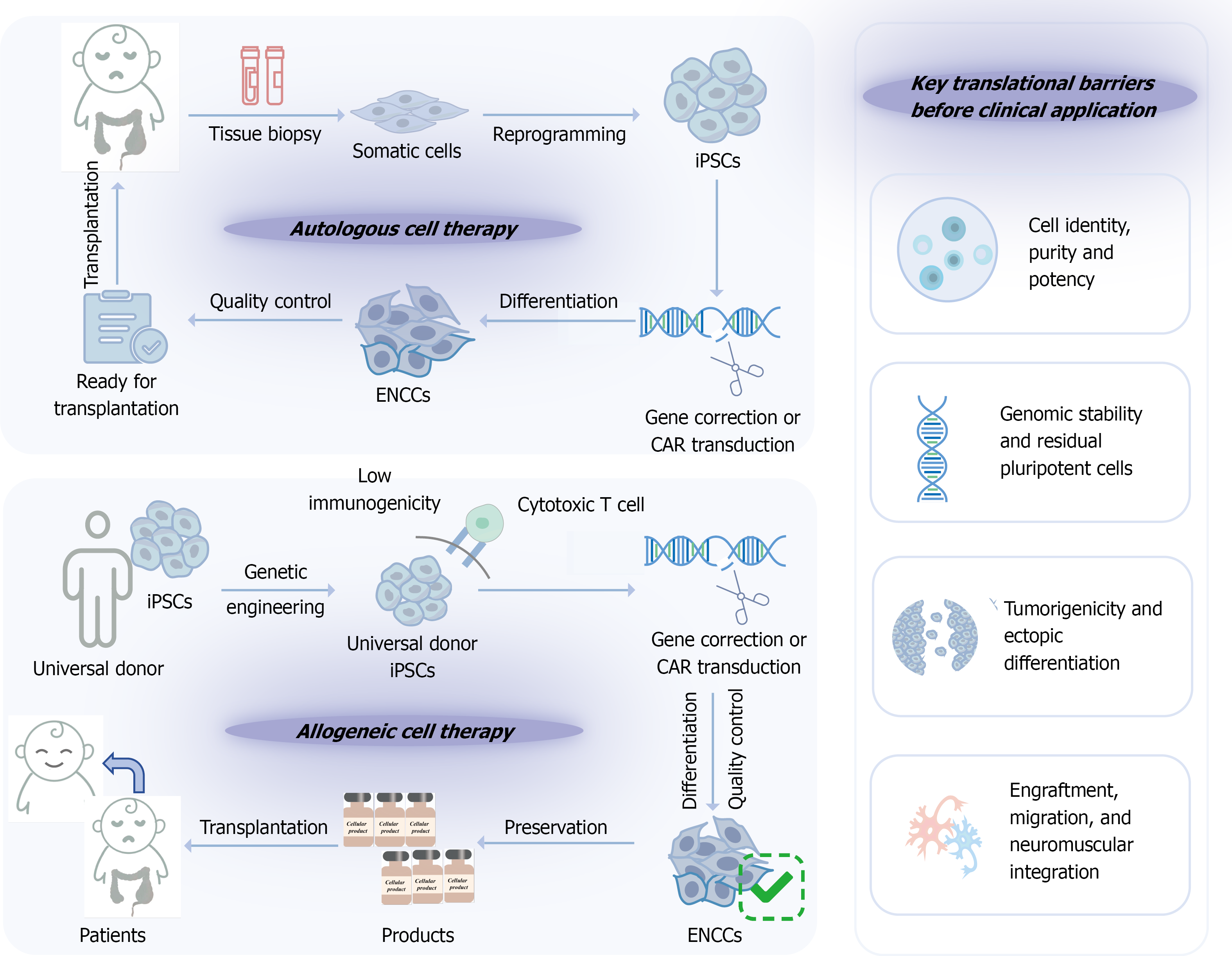
Figure 4 Translational strategies and major barriers for induced pluripotent stem cell-based cell therapy in Hirschsprung disease.
This schematic illustrates two major preclinical strategies for induced pluripotent stem cell (iPSC)-based enteric neural cell replacement. In autologous cell therapy, somatic cells are obtained from an individual patient, reprogrammed into patient-derived iPSCs, genetically modified when appropriate through gene correction or chimeric antigen receptor (CAR) transduction, differentiated into enteric neural crest cells (ENCCs), subjected to quality control, and then considered for transplantation back into the patient. This approach offers potential advantages in genetic matching and reduced immune rejection, but it remains individualized, time-consuming, and difficult to scale. In allogeneic or universal donor strategies, donor-derived iPSC lines may undergo genetic engineering, including gene correction or CAR transduction, before differentiation into ENCC products that may be preserved and used as off-the-shelf cell sources. Regardless of the source, iPSC-derived ENCC products require rigorous preclinical evaluation before clinical application. Key translational barriers include cell identity, purity, and potency; genomic stability and absence of residual pluripotent cells; tumorigenicity and ectopic differentiation; and durable engraftment, migration, and neuromuscular integration within the host bowel. These requirements are particularly important in the pediatric setting, where long-term safety, intestinal growth, and tissue remodeling must be considered before clinical translation can be attempted. iPSC: Induced pluripotent stem cell; ENCC: Enteric neural crest cell; CAR: Chimeric antigen receptor.
- Citation: Qiu YX, Zhi ZK, Leng YM, Zhang XT, Du CX, Tang J, Li HX, Tang WB. Induced pluripotent stem cells in Hirschsprung disease: Modeling, mechanisms, and translational challenges. World J Stem Cells 2026; 18(8): 123046
- URL: https://www.wjgnet.com/1948-0210/full/v18/i8/123046.htm
- DOI: https://dx.doi.org/10.4252/wjsc.123046