
















Copyright: ©Author(s) 2026.
World J Stem Cells. Jun 26, 2026; 18(6): 119228
Published online Jun 26, 2026. doi: 10.4252/wjsc.119228
Published online Jun 26, 2026. doi: 10.4252/wjsc.119228
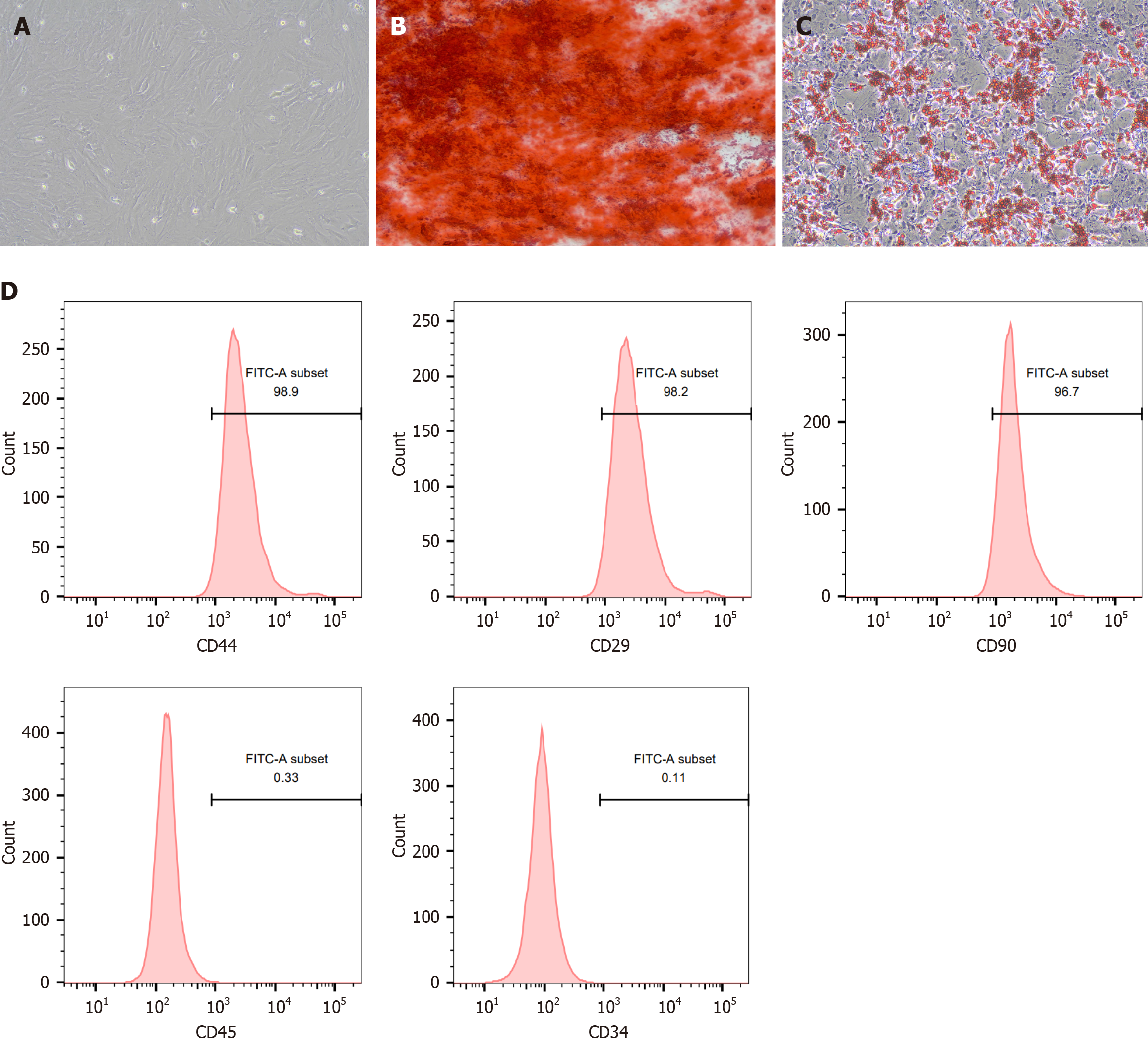
Figure 1 Culture and identification of bone marrow-derived mesenchymal stem cells.
A: Morphology of bone marrow-derived mesenchymal stem cells (BMSCs), 100 × magnification; B: Osteogenic differentiation of BMSCs by Alizarin red staining, 100 × magnification; C: Adipogenic differentiation of BMSCs by Oil red O staining, 100 × magnification; D: Flow cytometry analysis of passage 3 BMSCs (CD29, CD34, CD44, CD45, and CD90). FITC: Fluorescein isothiocyanate.
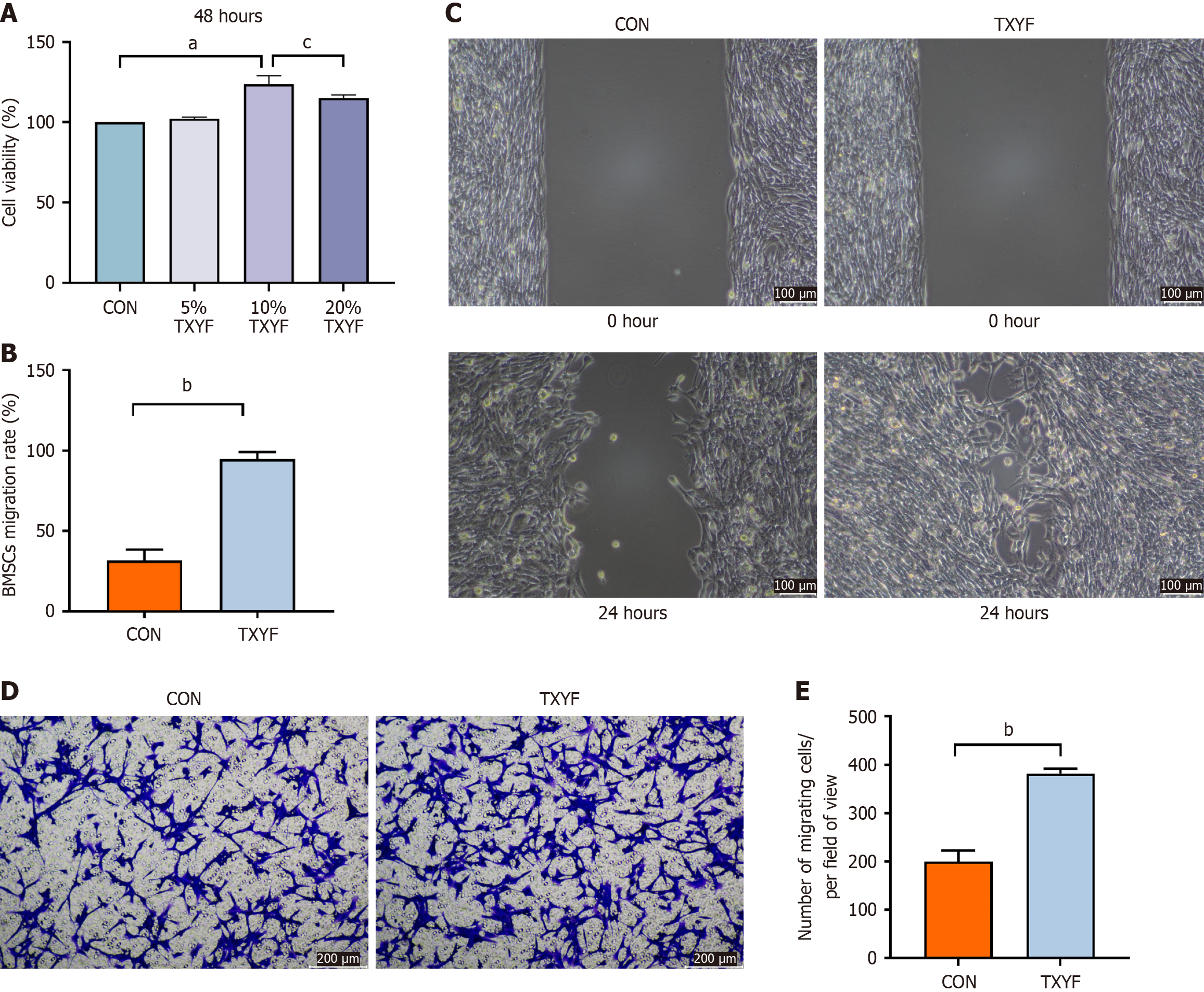
Figure 2 Tongxie Yaofang promotes the migration of bone marrow-derived mesenchymal stem cells in vitro.
A: Effects of different concentrations of Tongxie Yaofang-containing serum on bone marrow-derived mesenchymal stem cell proliferation were assessed using the CCK-8 assay; B: Migration rate of bone marrow-derived mesenchymal stem cells measured by scratch assay; C: Scratch assay observed at 24 hours; D and E: Number of migrated cells determined by Transwell assay. Data are shown as mean ± SD, n = 3 independent biological replicates. aP < 0.01 vs control group; bP < 0.001 vs control group; cP < 0.05 vs Tongxie Yaofang group. CON: Control group; TXYF: Tongxie Yaofang; BMSCs: Bone marrow-derived mesenchymal stem cells.
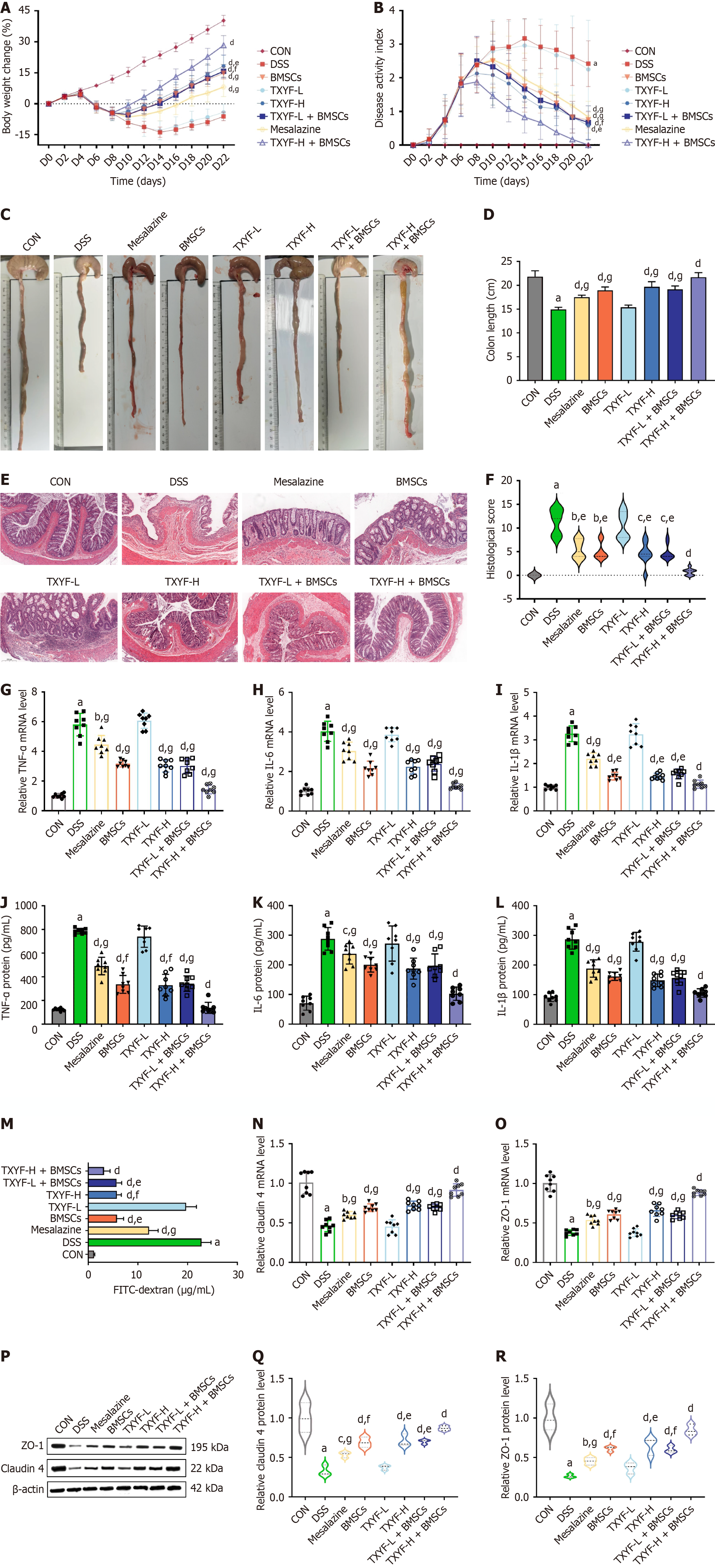
Figure 3 Tongxie Yaofang synergizes with exogenous bone marrow-derived mesenchymal stem cells to ameliorate ulcerative colitis symptoms.
A: Changes in body weight during the study; B: Disease activity index scores of experimental rats; C: Representative images of colon length; D: Quantification of colon length; E: Representative hematoxylin and eosin-stained histological images; F: Histological scores; G-I: The mRNA levels of tumor necrosis factor-α (G), interleukin (IL)-6 (H), and IL-1β (I) in colon tissues assessed by real-time quantitative polymerase chain reaction; J-L: Protein levels of tumor necrosis factor-α (J), IL-6 (K), and IL-1β (L) measured by enzyme linked immunosorbent assay in colon tissues; M: Serum fluorescein isothiocyanate-dextran concentrations; N and O: MRNA levels of claudin-4 (N) and zonula occludens-1 (O) assessed by real-time quantitative polymerase chain reaction; P-R: Protein expression of claudin-4 and zonula occludens-1. Data are presented as mean ± SD, n = 8 rats per group. aP < 0.001, compared with the control group; bP < 0.05, cP < 0.01, dP < 0.001, compared with the dextran sulfate sodium group; eP < 0.05, fP < 0.01, gP < 0.001, compared with the high-dose Tongxie Yaofang + bone marrow-derived mesenchymal stem cells group. CON: Control group; DSS: Dextran sulfate sodium; TXYF-L: Low-dose Tongxie Yaofang; TXYF-H: High-dose Tongxie Yaofang; BMSCs: Bone marrow-derived mesenchymal stem cells; TNF-α: Tumor necrosis factor-α; IL-6: Interleukin-6; IL-1β: Interleukin-1β; ZO-1: Zonula occludens-1.
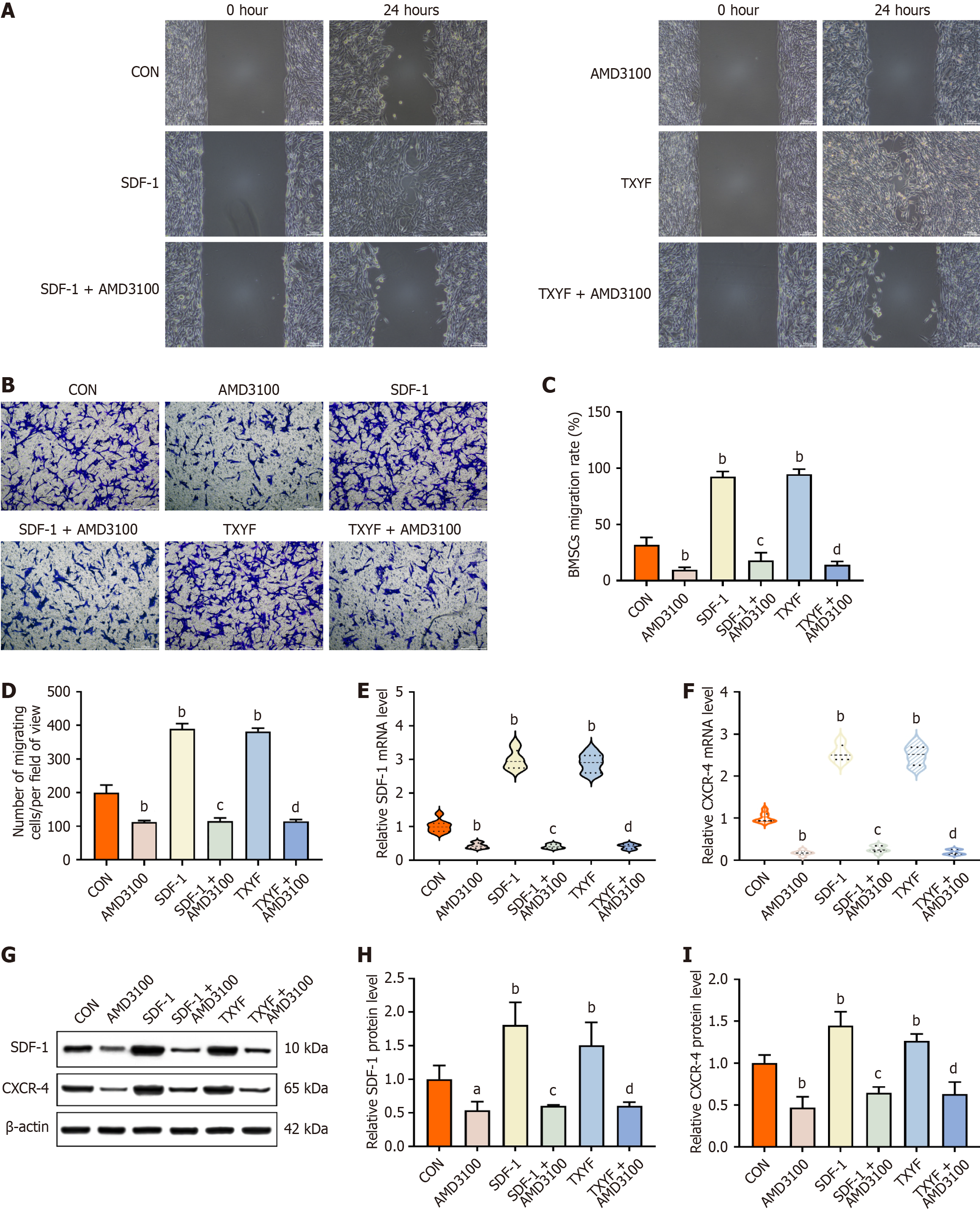
Figure 4 Tongxie Yaofang promotes bone marrow-derived mesenchymal stem cells migration via the stromal cell-derived factor-1/C-X-C chemokine receptor type 4 axis in vitro.
A-D: Scratch assay observed at 24 hours (A). Number of migrated cells measured by Transwell assay (B and D). Bone marrow-derived mesenchymal stem cells migration rate determined by scratch assay (C); E and F: The mRNA expression levels of stromal cell-derived factor-1 and C-X-C chemokine receptor type 4 assessed by real-time quantitative polymerase chain reaction; G-I: Protein expression levels of stromal cell-derived factor-1 and C-X-C chemokine receptor type 4 measured by western blot. Data are presented as mean ± SD, n = 3 independent biological replicates. aP < 0.05, bP < 0.001, compared with the control group; cP < 0.001, compared with the stromal cell-derived factor-1 group; dP < 0.001, compared with the Tongxie Yaofang group. CON: Control group; SDF-1: Stromal cell-derived factor-1; TXYF: Tongxie Yaofang; DSS: Dextran sulfate sodium; BMSCs: Bone marrow-derived mesenchymal stem cells; CXCR4: C-X-C chemokine receptor type 4.
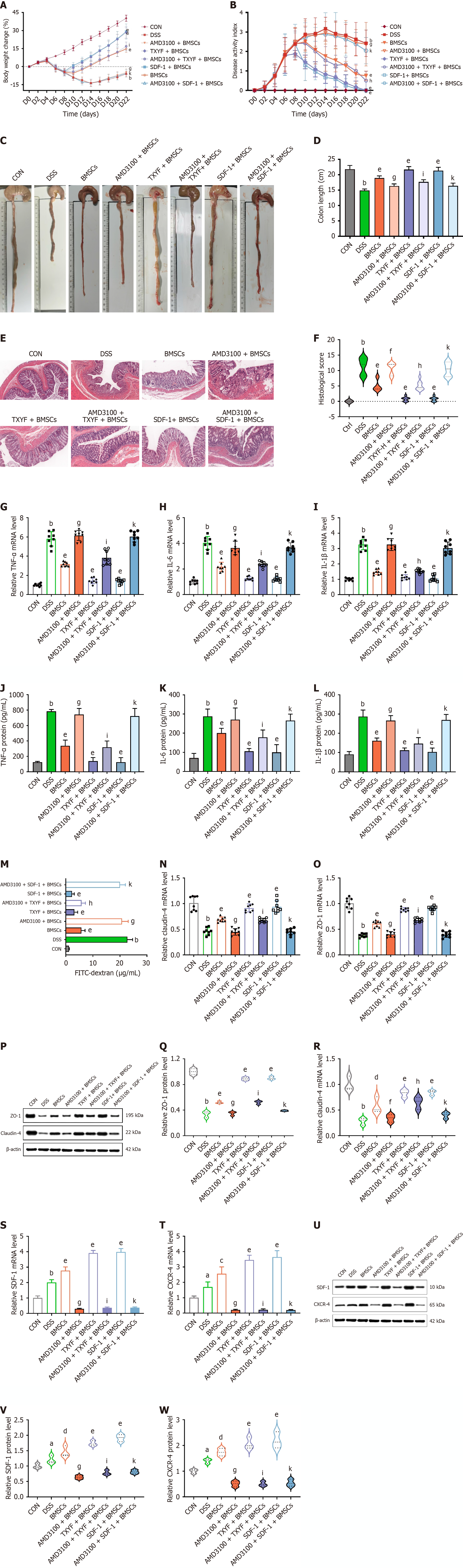
Figure 5 Tongxie Yaofang enhances the homing efficiency of exogenous bone marrow-derived mesenchymal stem cells to the rat colonic mucosa via the stromal cell-derived factor-1/C-X-C chemokine receptor type 4 axis and alleviates ulcerative colitis symptoms.
A: Changes in body weight during the study; B: Disease activity index scores of experimental rats; C: Representative images of colon length; D: Quantification of colon length; E: Representative hematoxylin and eosin-stained histological images; F: Histological scores; G-I: The mRNA levels of tumor necrosis factor-α (G), interleukin (IL)-6 (H), and IL-1β (I) in colon tissues assessed by real-time quantitative polymerase chain reaction (RT-qPCR); J-L: Protein levels of tumor necrosis factor-α (J), IL-6 (K), and IL-1β (L) measured by enzyme linked immunosorbent assay in colon tissues; M: Serum fluorescein isothiocyanate-dextran concentrations; N and O: The mRNA levels of claudin-4 (N) and zonula occludens-1 (O) assessed by RT-qPCR; P-R: Protein expression of claudin-4 and zonula occludens-1; S and T: The mRNA levels of stromal cell-derived factor-1 (S) and C-X-C chemokine receptor type 4 (T) assessed by RT-qPCR; U-W: Protein expression of stromal cell-derived factor-1 and C-X-C chemokine receptor type 4. Data are presented as mean ± SD, n = 8 rats per group. aP < 0.05, bP < 0.001, compared with the control group; cP < 0.05, dP < 0.01, eP < 0.001, compared with the dextran sulfate sodium group; fP < 0.05, gP < 0.001, compared with the bone marrow-derived mesenchymal stem cells group; hP < 0.05, iP < 0.001, compared with the Tongxie Yaofang + bone marrow-derived mesenchymal stem cells group; jP < 0.05, kP < 0.001, compared with the stromal cell-derived factor-1 + bone marrow-derived mesenchymal stem cells group. CON: Control group; DSS: Dextran sulfate sodium; BMSCs: Bone marrow-derived mesenchymal stem cells; TXYF: Tongxie Yaofang; TNF-α: Tumor necrosis factor-α; IL-6: Interleukin-6; IL-1β: Interleukin-1β; SDF-1: Stromal cell-derived factor-1; CXCR4: C-X-C chemokine receptor type 4; ZO-1: Zonula occludens-1.
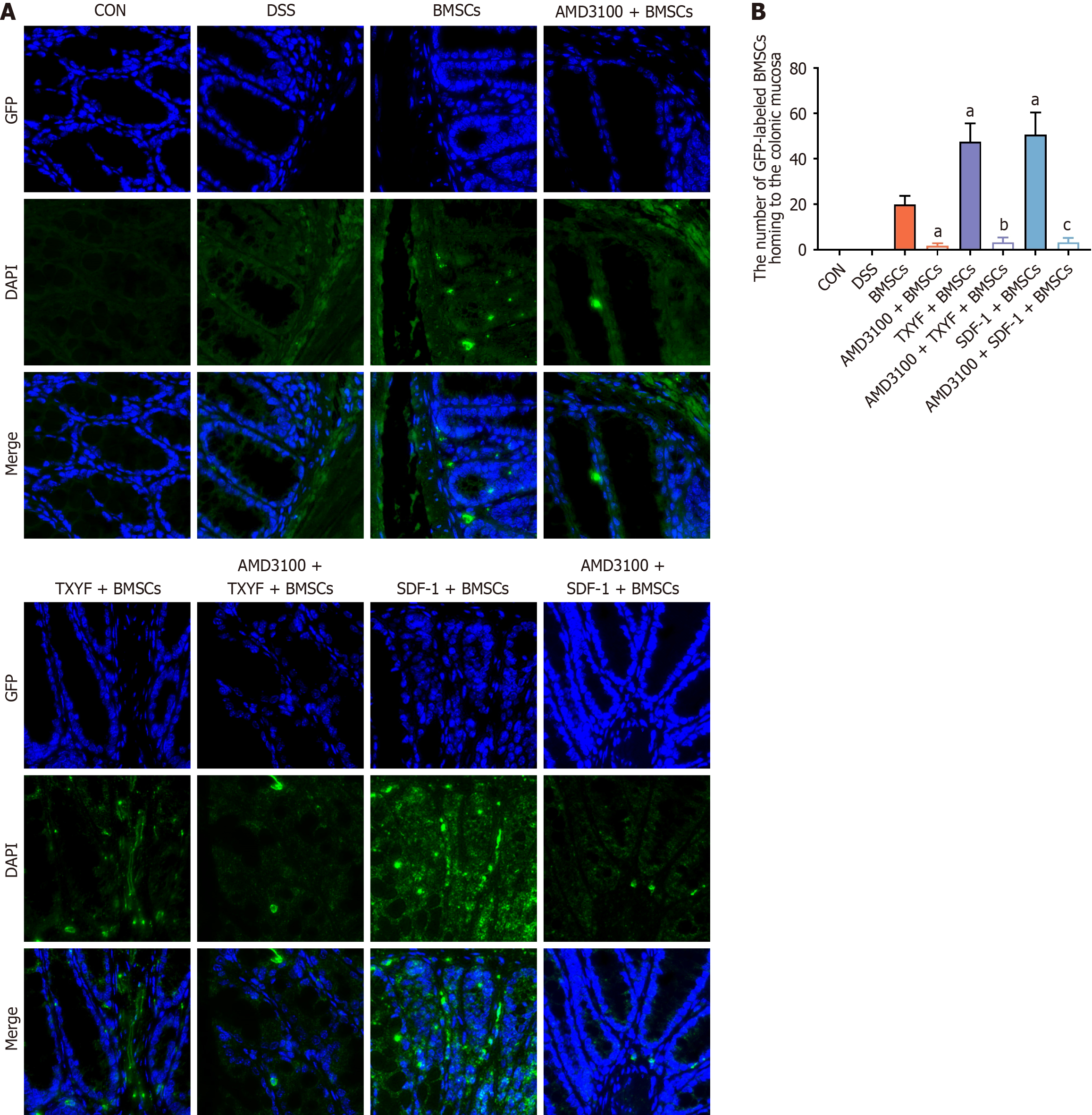
Figure 6 Tongxie Yaofang enhances the homing of bone marrow-derived mesenchymal stem cells to the rat colonic mucosa.
A: Representative images showing GFP-labeled bone marrow-derived mesenchymal stem cells in rat colon tissue; B: Quantification of GFP-labeled bone marrow-derived mesenchymal stem cells in colonic tissue. Data are presented as mean ± SD, n = 8 rats per group. aP < 0.001, compared with the bone marrow-derived mesenchymal stem cells group; bP < 0.001, compared with the Tongxie Yaofang + bone marrow-derived mesenchymal stem cells group; cP < 0.001, compared with the stromal cell-derived factor-1 + bone marrow-derived mesenchymal stem cells group. CON: Control group; DSS: Dextran sulfate sodium; BMSCs: Bone marrow-derived mesenchymal stem cells; TXYF: Tongxie Yaofang; SDF-1: Stromal cell-derived factor-1.
- Citation: Gong SS, Li ML, Liu L, Lv B. Tongxie Yaofang enhances the homing efficiency of exogenous bone marrow-derived mesenchymal stem cells to the colonic mucosa and alleviates ulcerative colitis. World J Stem Cells 2026; 18(6): 119228
- URL: https://www.wjgnet.com/1948-0210/full/v18/i6/119228.htm
- DOI: https://dx.doi.org/10.4252/wjsc.119228