
















Copyright: ©Author(s) 2026.
World J Stem Cells. Jun 26, 2026; 18(6): 119118
Published online Jun 26, 2026. doi: 10.4252/wjsc.119118
Published online Jun 26, 2026. doi: 10.4252/wjsc.119118
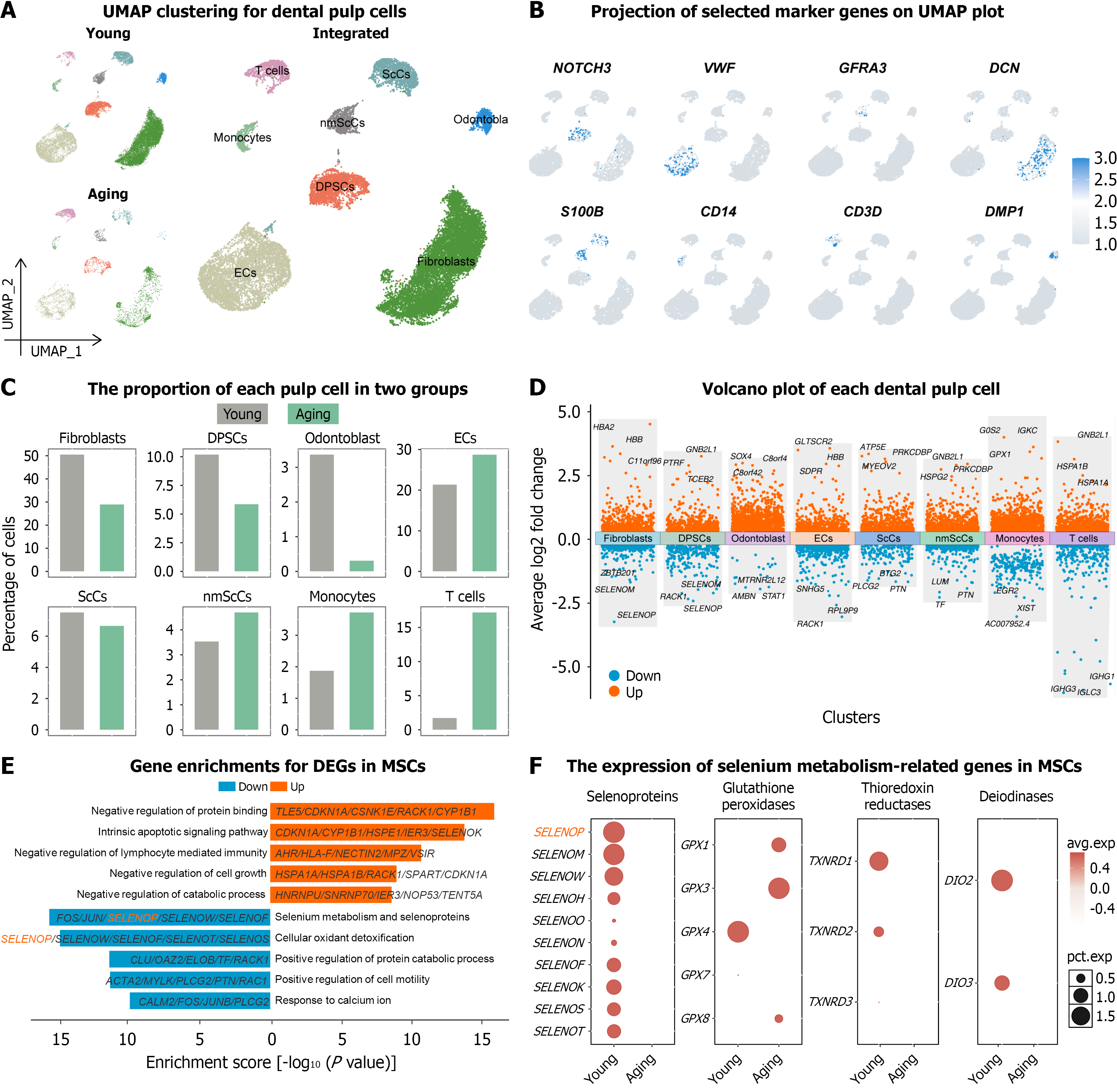
Figure 1 Integrated single-cell RNA-sequencing analysis reveals erosion of the selenium-dependent antioxidant program in aged dental pulp mesenchymal stem cell populations.
A: Uniform manifold approximation and projection plot showing integrated clustering of cells from young and aged human dental pulp tissues; major cell populations are annotated based on canonical markers; B: Uniform manifold approximation and projection split by age group (young vs aging), showing age-related changes in cell distribution across clusters; C: Quantitative cell composition analysis showing the relative proportion of major cell populations, including contraction of the dental pulp stem cell/mesenchymal stem cell compartment in aged pulp; D: Gene Ontology enrichment analysis of downregulated genes in the mesenchymal lineage from aged pulp, highlighting redox-related biological processes; E: Pathway enrichment summary showing suppression of selenium metabolism/glutathione-related pathways in aged mesenchymal cells; F: Heatmap or dot plot showing reduced expression of selenium transport and selenium-dependent antioxidant genes in aged mesenchymal cells, including selenoprotein P, glutathione peroxidase 1/4, thioredoxin reductase 1/3, and DIO2/3. Data are presented as mean ± SD. UMAP: Uniform manifold approximation and projection; DPSCs: Dental pulp stem cells; ECs: Endothelial cells; ScCs: Schwann cells; nmScCs: Nonmyelinating Schwann cells; DEGs: Differentially expressed genes; MSC: Mesenchymal stem cell; GPx: Glutathione peroxidase; TXNRD: Thioredoxin reductase; SELENOP: Selenoprotein P.
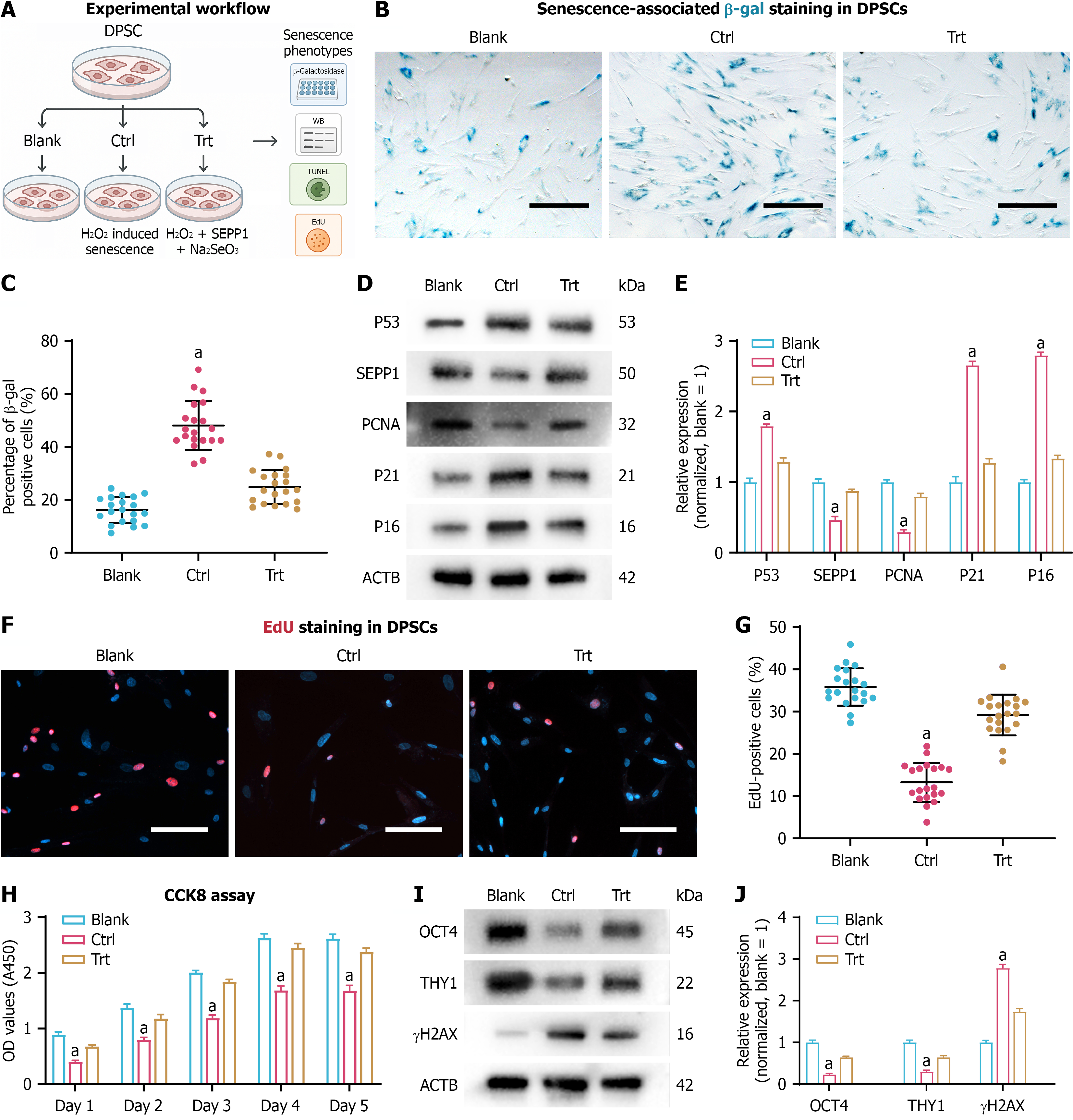
Figure 2 Selenoprotein P/selenite co-treatment attenuates H2O2-induced senescence and preserves dental pulp stem cell functional competence.
A: Experimental design for the oxidative stress-induced dental pulp stem cell (DPSC) senescence model and treatment groups [blank, control, and treatment (recombinant selenoprotein P + sodium selenite)]; B: Representative SA-β-gal staining images showing senescence-associated morphological changes in DPSCs across groups. Scale bars = 50 μm; C: Quantification of SA-β-gal-positive cells; D: Western blot analysis of senescence markers (P53, P21, and P16), selenoprotein P, and the proliferation marker proliferating cell nuclear antigen; E: Densitometric quantification of the proteins shown in panel D; F: Representative EdU staining images showing DNA synthesis/proliferation in DPSCs. Scale bars = 50 μm; G: Quantification of the percentage of EdU-positive cells; H: CCK-8 assay showing growth curves/viability of DPSCs across groups; I: Western blot analysis of stemness markers (OCT4 and THY1) and the DNA damage marker γH2AX; J: Densitometric quantification of OCT4, THY1, and γH2AX. Data are presented as mean ± SD. aP < 0.05. DPSC: Dental pulp stem cell; SEPP1: Selenoprotein P; PCNA: Proliferating cell nuclear antigen.
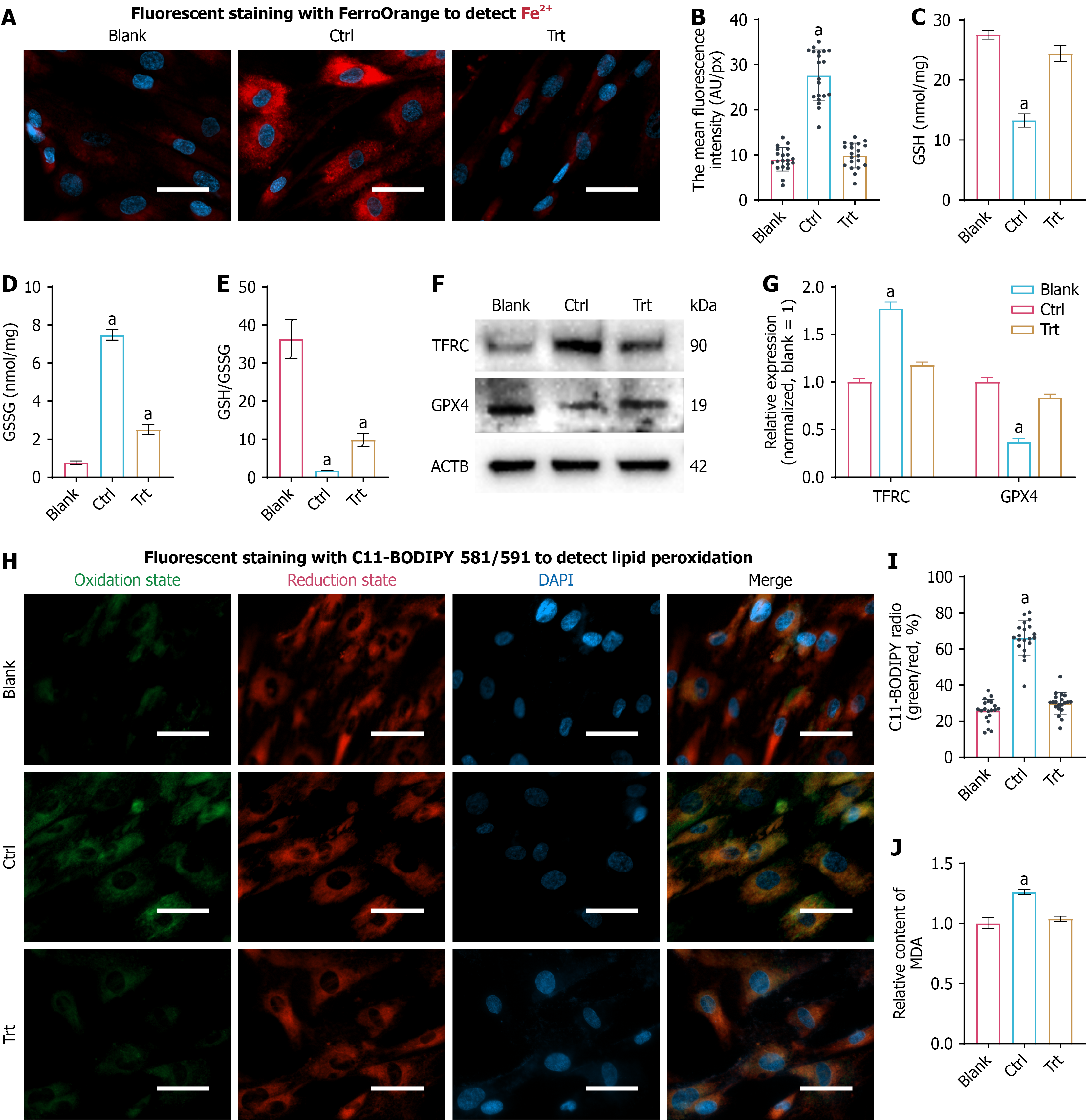
Figure 3 Selenoprotein P/selenite co-treatment restores glutathione redox balance, limits labile iron accumulation, and suppresses ferroptosis-associated lipid peroxidation.
A: Representative FerroOrange staining images showing intracellular labile Fe2+ (red) in dental pulp stem cells; nuclei were counterstained with DAPI (blue). Scale bars = 20 μm; B: Quantification of FerroOrange fluorescence intensity; C: Reduced glutathione levels; D: Oxidized glutathione levels; E: Glutathione/oxidized glutathione ratio; F: Western blot analysis of ferroptosis-associated proteins TFRC and glutathione peroxidase 4; G: Densitometric quantification of TFRC and glutathione peroxidase 4 normalized to ACTB. H: Representative C11-BODIPY 581/591 staining images for lipid peroxidation; green fluorescence indicates oxidized lipid probe and red fluorescence indicates reduced lipid probe. Scale bars = 20 μm; I: Quantification of lipid peroxidation based on the oxidized/reduced fluorescence ratio; J: Malondialdehyde levels as a biochemical readout of lipid peroxidation. Data are presented as mean ± SD. aP < 0.05. GSH: Glutathione; GSSG: Oxidized glutathione; MDA: Malondialdehyde; GPx: Glutathione peroxidase.
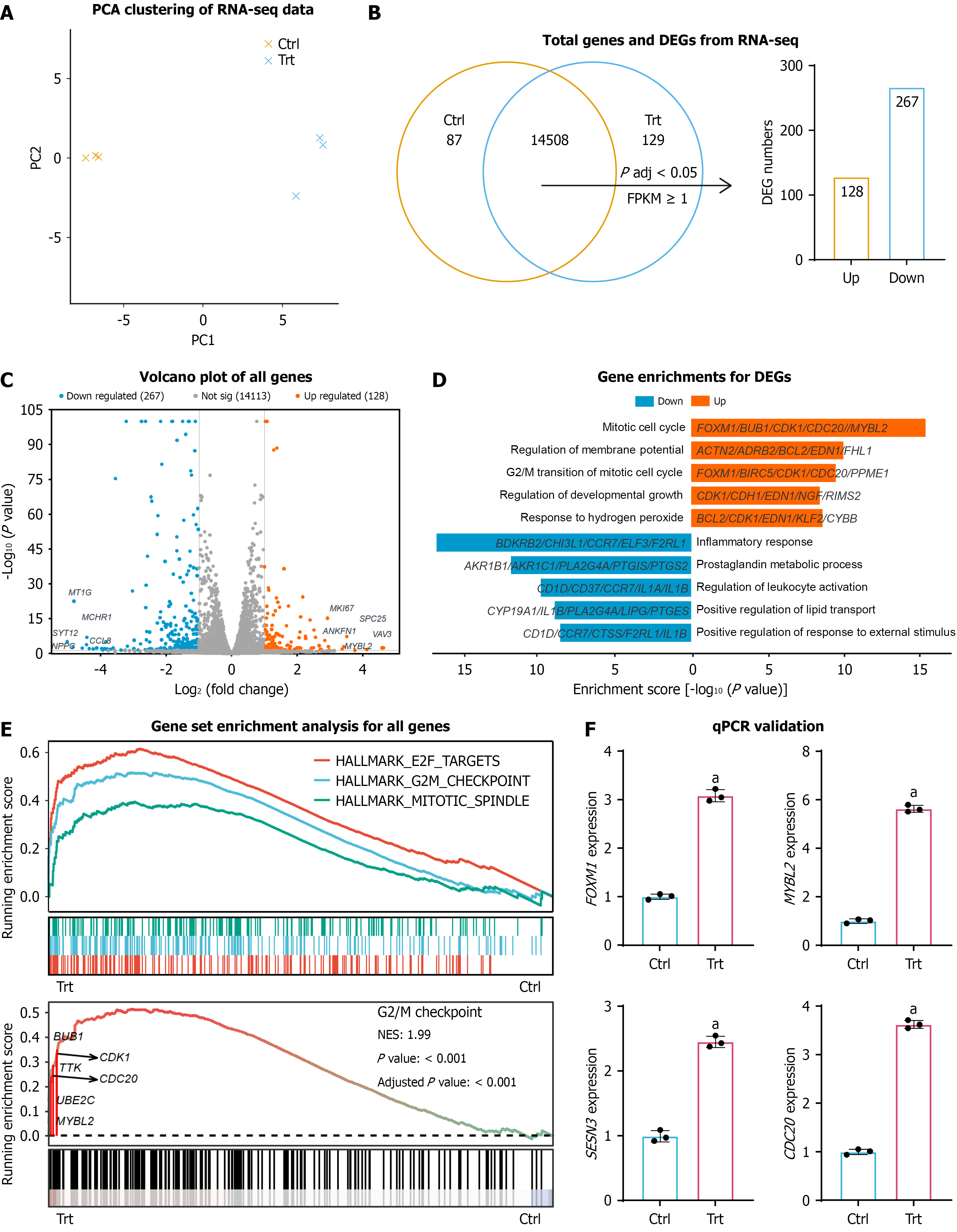
Figure 4 Bulk RNA-seq identifies a forkhead box protein M1-centered mitotic and stress-response program activated by selenoprotein P/selenite co-treatment.
A: PCA of bulk RNA-seq data showing distinct clustering of control and treatment (Trt) samples; B: Summary of differentially expressed genes (DEGs) between control and Trt groups; C: Volcano plot showing global transcriptomic changes, with representative upregulated and downregulated genes labeled; D: Functional enrichment analysis of DEGs showing activation of cell cycle/G2-M pathways and suppression of inflammatory/stress-related pathways in the Trt group; E: Gene Set Enrichment Analysis showing enrichment of mitotic/cell-cycle signatures (including E2F targets, G2/M checkpoint, and mitotic spindle) in the Trt group; F: Quantitative real-time polymerase chain reaction validation of selected targets, including FOXM1, MYBL2, SESN3, and CDC20. DEGs were screened using FDR-adjusted P < 0.05, FPKM ≥ 1, and |log2 fold change| ≥ 1. Data are presented as mean ± SD. aP < 0.05. DEGs: Differentially expressed genes; qRCR: Quantitative real-time polymerase chain reaction.
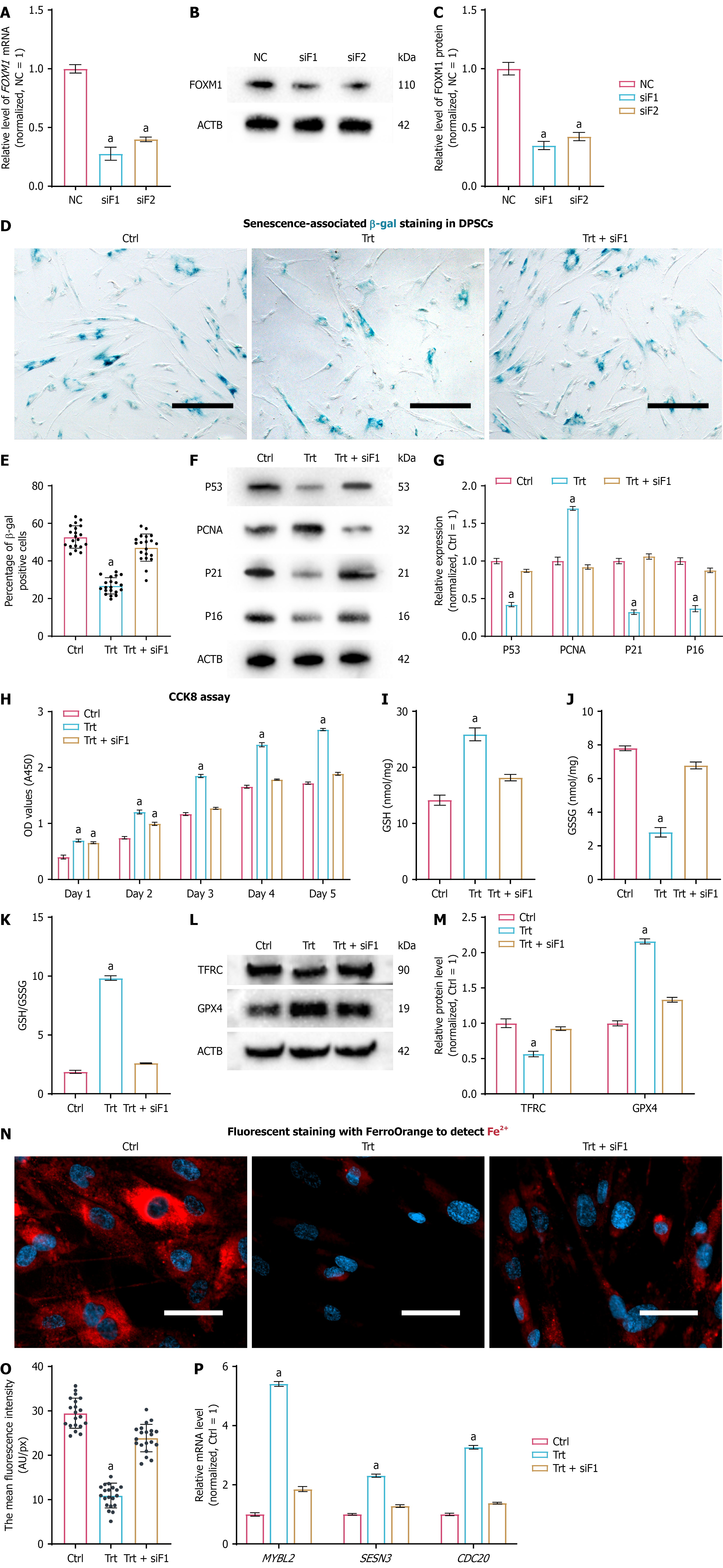
Figure 5 Forkhead box protein M1 is required for the anti-senescence, antioxidant, and ferroptosis-associated protective effects of selenoprotein P/selenite co-treatment.
A: Quantitative real-time polymerase chain reaction analysis of forkhead box protein M1 (FOXM1) knockdown efficiency in dental pulp stem cells transfected with two independent small interfering RNAs (siF1 and siF2); B: Western blot analysis of FOXM1 protein after transfection with siF1 or siF2; C: Densitometric quantification of FOXM1 protein; siF1 showed higher knockdown efficiency and was used for subsequent experiments; D: Representative SA-β-gal staining images showing that FOXM1 knockdown (Trt + siF1) weakens the anti-senescence effect of Trt. Scale bars = 50 μm; E: Quantification of SA-β-gal-positive cells; F: Western blot analysis of senescence markers (P53, P21, and P16) and the proliferation marker proliferating cell nuclear antigen; G: Densitometric quantification of proteins shown in panel F; H: CCK-8 assay showing that FOXM1 depletion compromises the proliferative rescue induced by Trt; I: Reduced glutathione levels; J: Oxidized glutathione levels; K: Glutathione/oxidized glutathione ratio; L: Western blot analysis of TFRC and glutathione peroxidase 4; M: Densitometric quantification of TFRC and glutathione peroxidase 4; N: Representative FerroOrange staining images showing re-accumulation of labile Fe2+ in the Trt + siF1 group. Scale bars = 20 μm; O: Quantification of FerroOrange fluorescence intensity; P: Quantitative real-time polymerase chain reaction analysis of downstream targets (MYBL2, SESN3, and CDC20). Data are presented as mean ± SD. aP < 0.05. FOXM1: Forkhead box protein M1; DPSC: Dental pulp stem cell; PCNA: Proliferating cell nuclear antigen; GSH: Glutathione; GSSG: Oxidized glutathione; GPX4: Glutathione peroxidase 4.
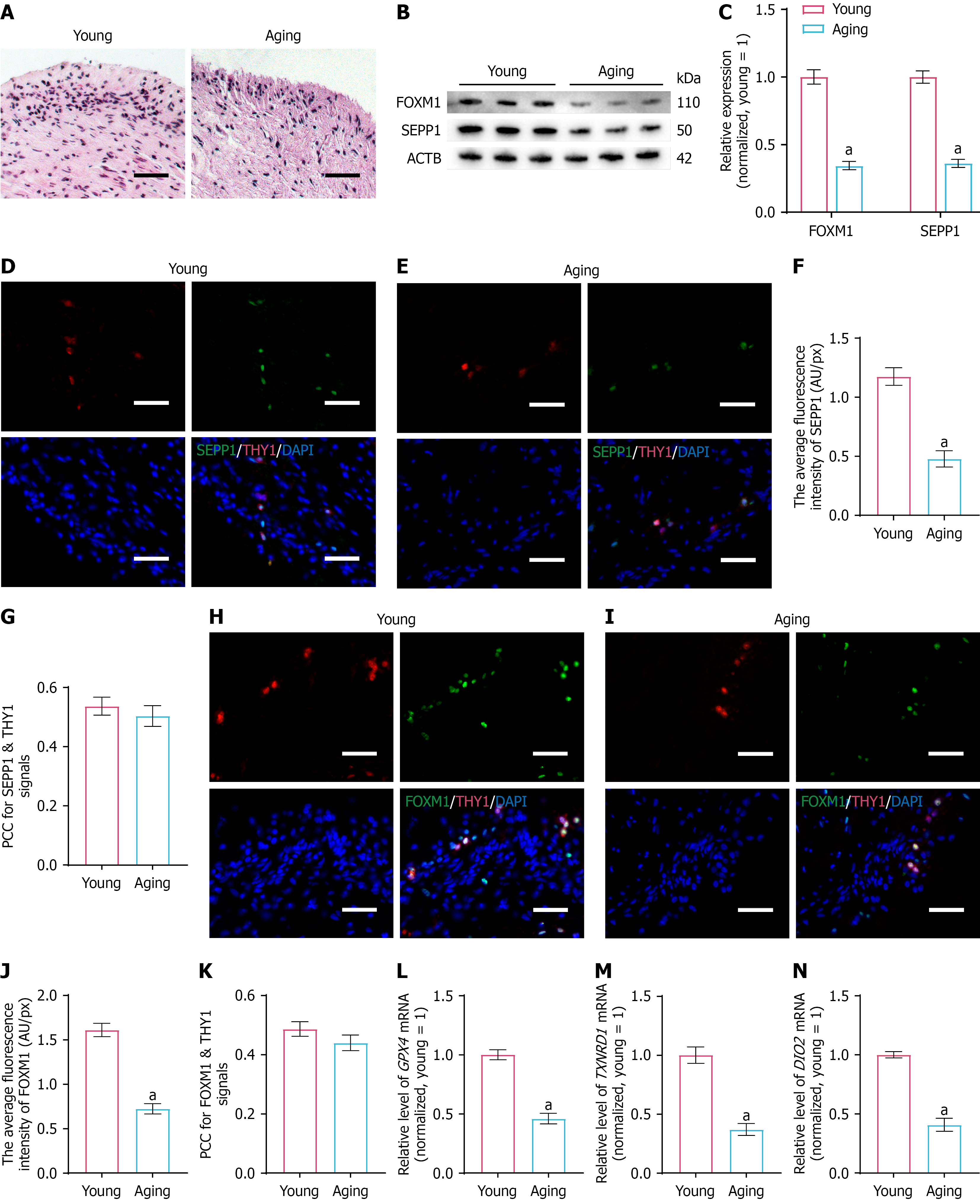
Figure 6 Aging human dental pulp exhibits depletion of selenoprotein P and forkhead box protein M1 and reduced expression of selenium-dependent antioxidant genes.
A: Representative hematoxylin and eosin staining of human dental pulp tissues from young and aging groups. Scale bars = 50 μm; B: Western blot analysis of forkhead box protein M1 (FOXM1) and selenoprotein P (SEPP1) in human dental pulp tissues (young vs aging); ACTB was used as the loading control; C: Densitometric quantification of FOXM1 and SEPP1 protein expression normalized to ACTB (n = 3); D: Representative immunofluorescence images of SEPP1 (green) and THY1 (red) in young dental pulp tissues; nuclei were counterstained with DAPI (blue). Scale bars = 50 μm; E: Representative immunofluorescence images of SEPP1 (green) and THY1 (red) in aging dental pulp tissues. Scale bars = 50 μm; F: Quantification of SEPP1 fluorescence intensity; G: Pearson’s correlation coefficient analysis of SEPP1 and THY1 colocalization; H: Representative immunofluorescence images of FOXM1 (green) and THY1 (red) in young dental pulp tissues. Scale bars = 50 μm; I: Representative immunofluorescence images of FOXM1 (green) and THY1 (red) in aging dental pulp tissues. Scale bars = 50 μm; J: Quantification of FOXM1 fluorescence intensity; K: Pearson’s correlation coefficient analysis of FOXM1 and THY1 colocalization; L: Quantitative real-time polymerase chain reaction (qPCR) analysis of glutathione peroxidase 4 mRNA in young and aging pulp tissues; M: QPCR analysis of thioredoxin reductase 1 mRNA in young and aging pulp tissues; N: QPCR analysis of DIO2 mRNA in young and aging pulp tissues. Data are presented as mean ± SD. aP < 0.05. FOXM1: Forkhead box protein M1; SEPP1: Selenoprotein P; GPX4: Glutathione peroxidase 4; TXNRD1: Thioredoxin reductase 1.
- Citation: Zhang RQ, Chu WH, Bai JB, Lei YH, Zhou D. Selenoprotein P attenuates oxidative senescence and ferroptosis-associated lipid peroxidation in dental pulp stem cells through a FOXM1-dependent program. World J Stem Cells 2026; 18(6): 119118
- URL: https://www.wjgnet.com/1948-0210/full/v18/i6/119118.htm
- DOI: https://dx.doi.org/10.4252/wjsc.119118