
















Copyright: ©Author(s) 2026.
World J Stem Cells. Jun 26, 2026; 18(6): 117622
Published online Jun 26, 2026. doi: 10.4252/wjsc.117622
Published online Jun 26, 2026. doi: 10.4252/wjsc.117622
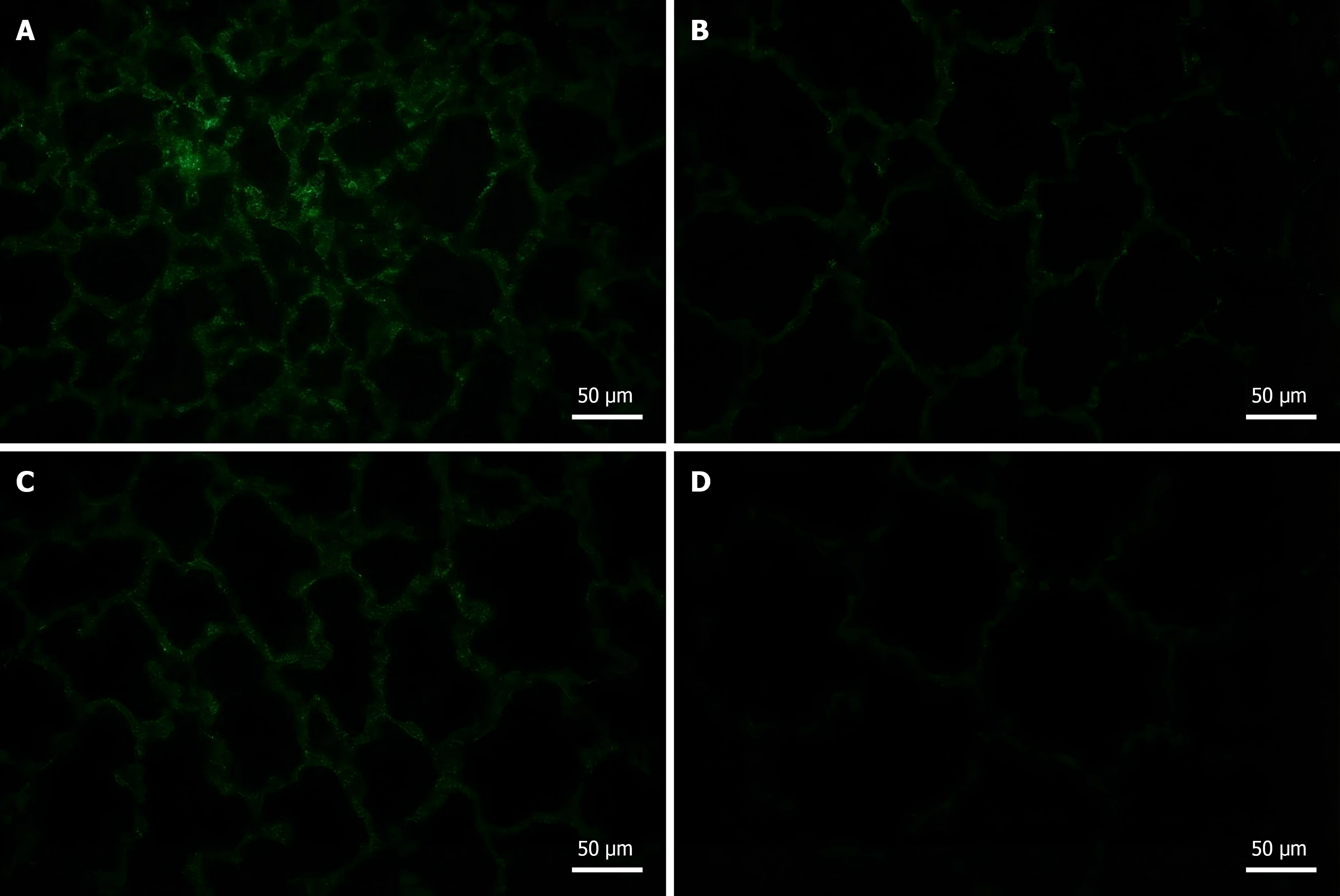
Figure 1 Oxidative stress levels in lung tissue.
A-D: Representative fluorescence microscopic images of reactive oxygen species (ROS) staining in lung tissue of each group were obtained on day 28. In the model group (A), diffuse and intense fluorescence was observed, indicating marked ROS accumulation. In the mitoquinone group (B) and the mesenchymal stem cells group (C), fluorescence intensity was significantly reduced and more localized. The combination group exhibited the weakest fluorescence signal, approaching that of normal lung tissue, indicating a synergistic effect of the combination treatment in reducing ROS levels (D), scale bar = 50 μm.
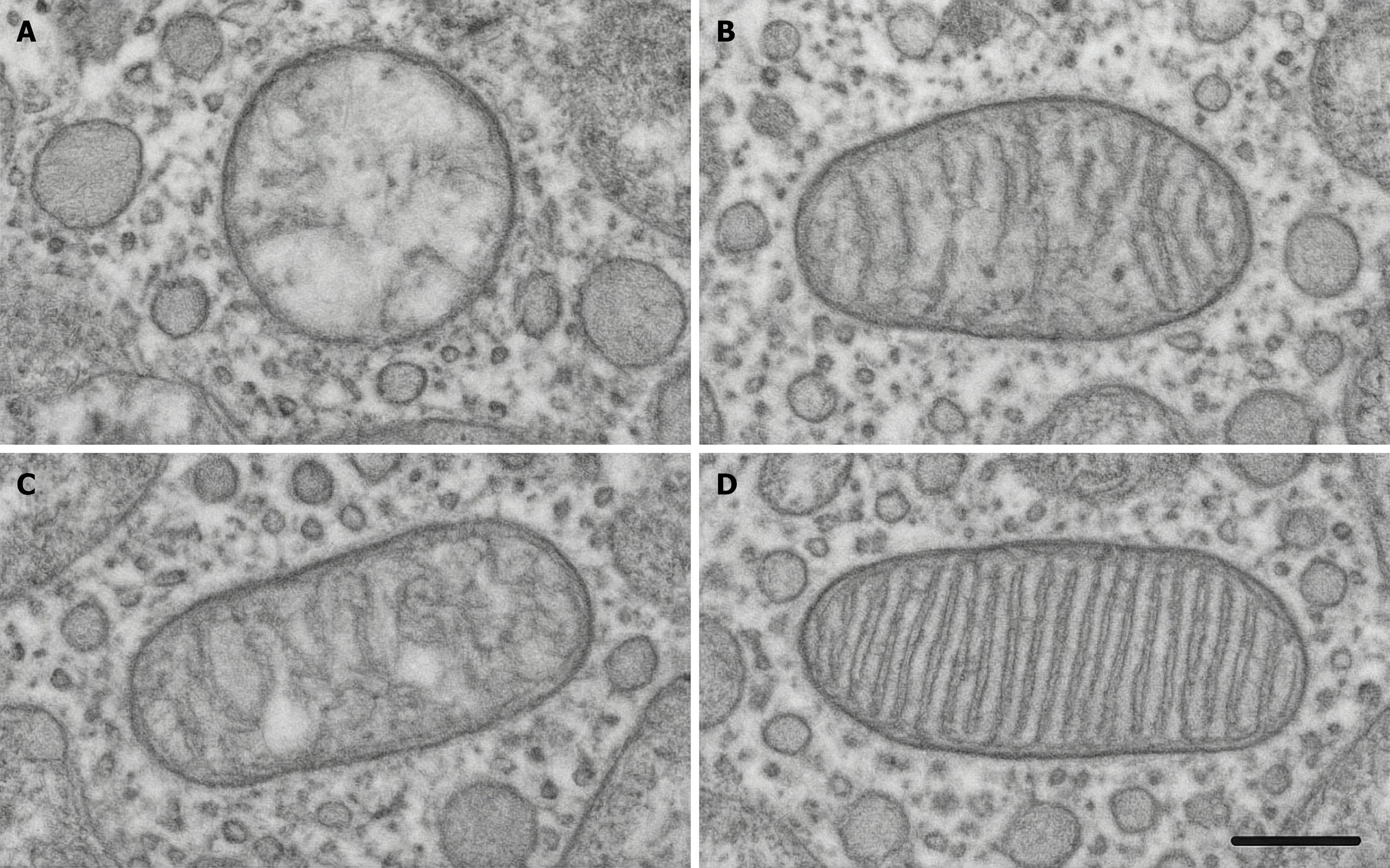
Figure 2 Transmission electron microscopy of mitochondrial ultrastructure.
A-D: Mitochondrial ultrastructure in lung tissue was examined by transmission electron microscopy. In the model group, mitochondria exhibited pronounced swelling, cristae disruption or loss, and indistinct membrane structures (A). In the mitoquinone group (B) and the mesenchymal stem cells group (C), mitochondrial morphology was partially restored, with relatively preserved cristae. The combination group displayed the most intact mitochondrial morphology, with well-organized cristae closely resembling normal structure, suggesting superior protection of mitochondrial structural integrity by the combination treatment (D), scale bar = 0.5 μm.
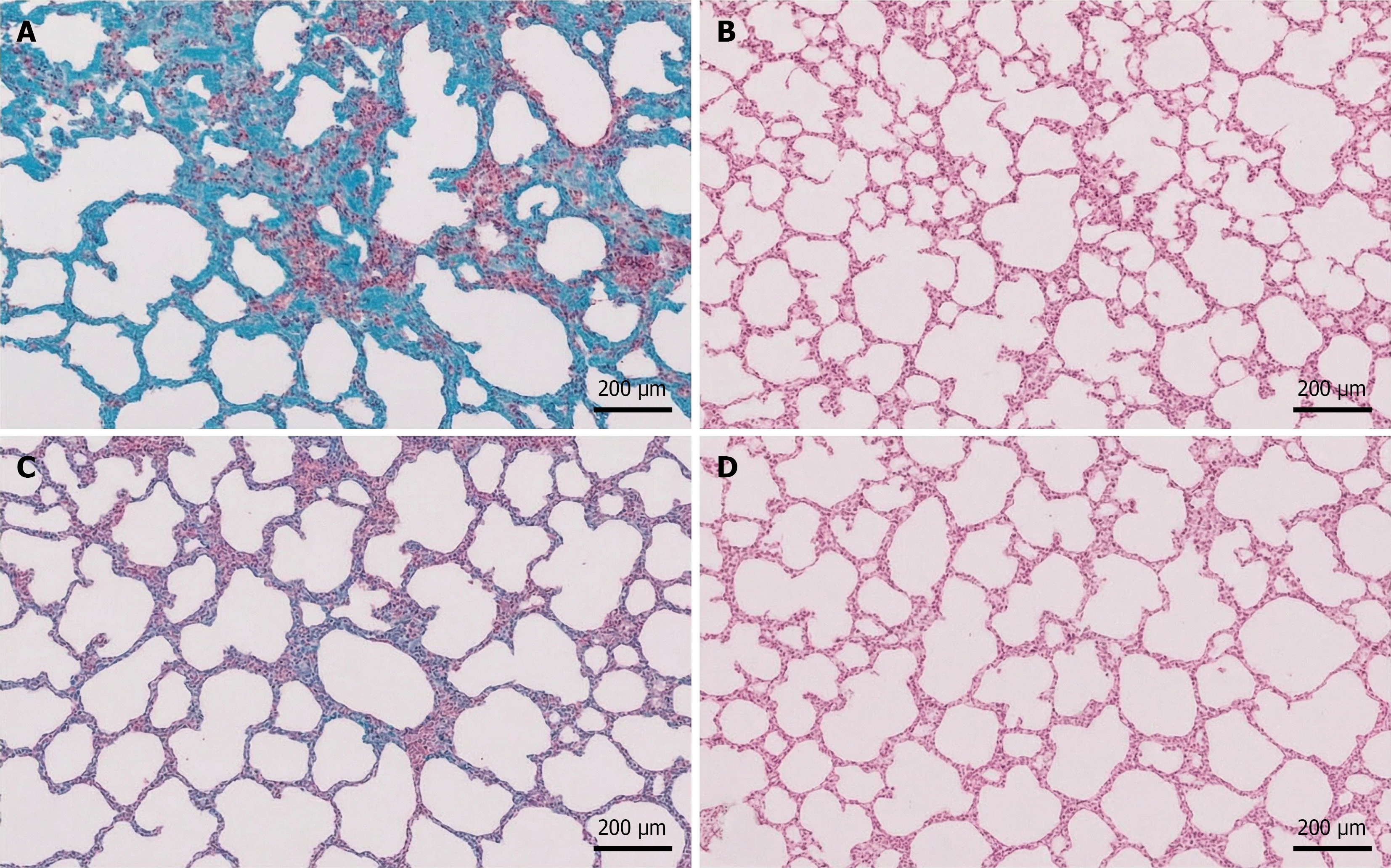
Figure 3 Histopathological assessment of pulmonary fibrosis and inflammation.
A-D: Lung tissue sections stained with Masson’s trichrome and hematoxylin and eosin were evaluated on the 28th day. In the model group, extensive blue-stained collagen deposition, disrupted alveolar architecture, and prominent inflammatory cell infiltration were observed (A). In the mitoquinone group (B) and mesenchymal stem cells group (C), collagen deposition and inflammatory infiltration were reduced. In the combination group, lung tissue architecture was largely preserved, with minimal collagen deposition and inflammatory cell infiltration, indicating a significant synergistic effect of the combination treatment in attenuating pulmonary fibrosis and inflammation (D), scale bar = 200 μm.
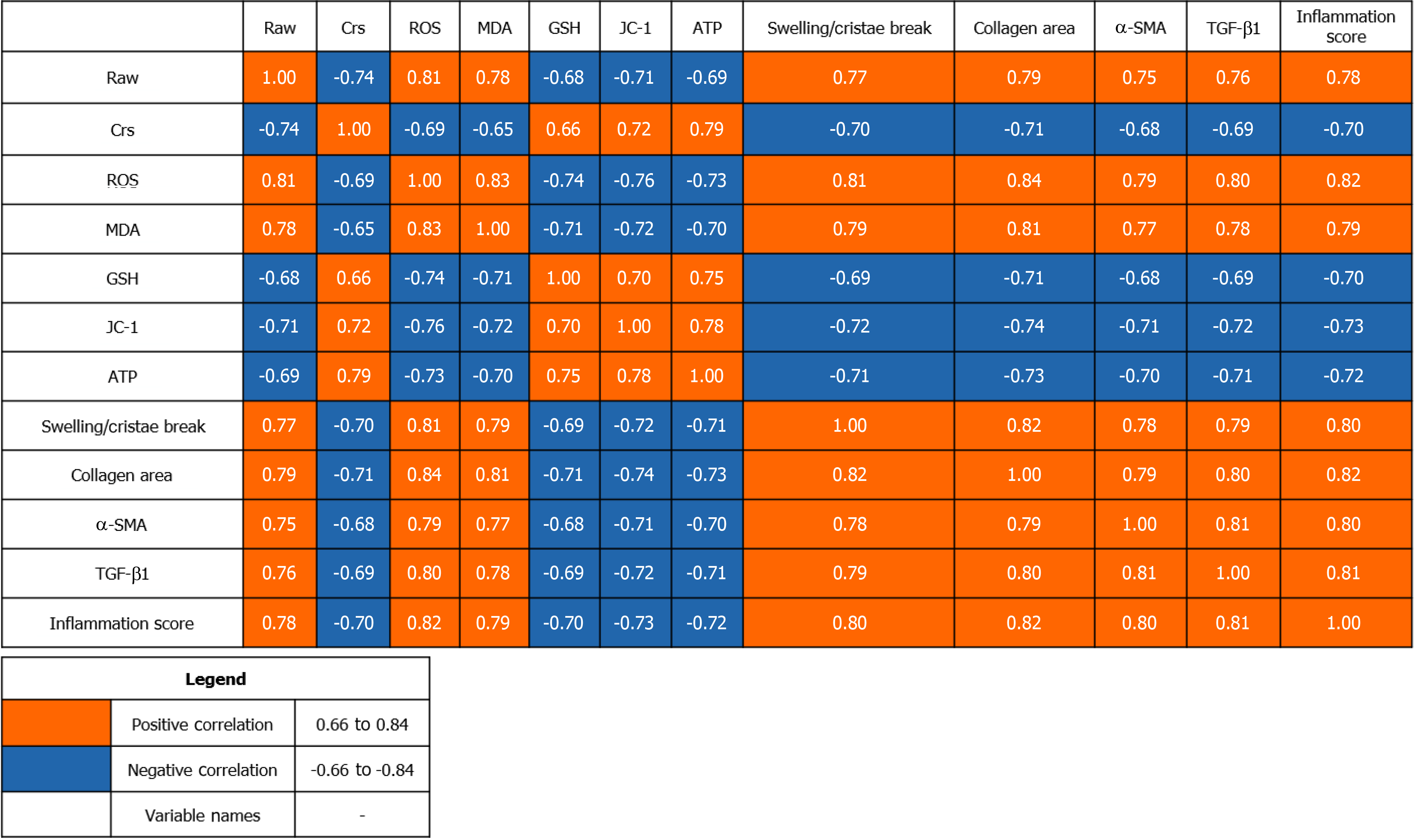
Figure 4 Correlation matrix.
ROS: Reactive oxygen species; MDA: Malondialdehyde; GSH: Glutathione; α-SMA: Α-smooth muscle actin; TGF-β1: Transforming growth factor-β1.
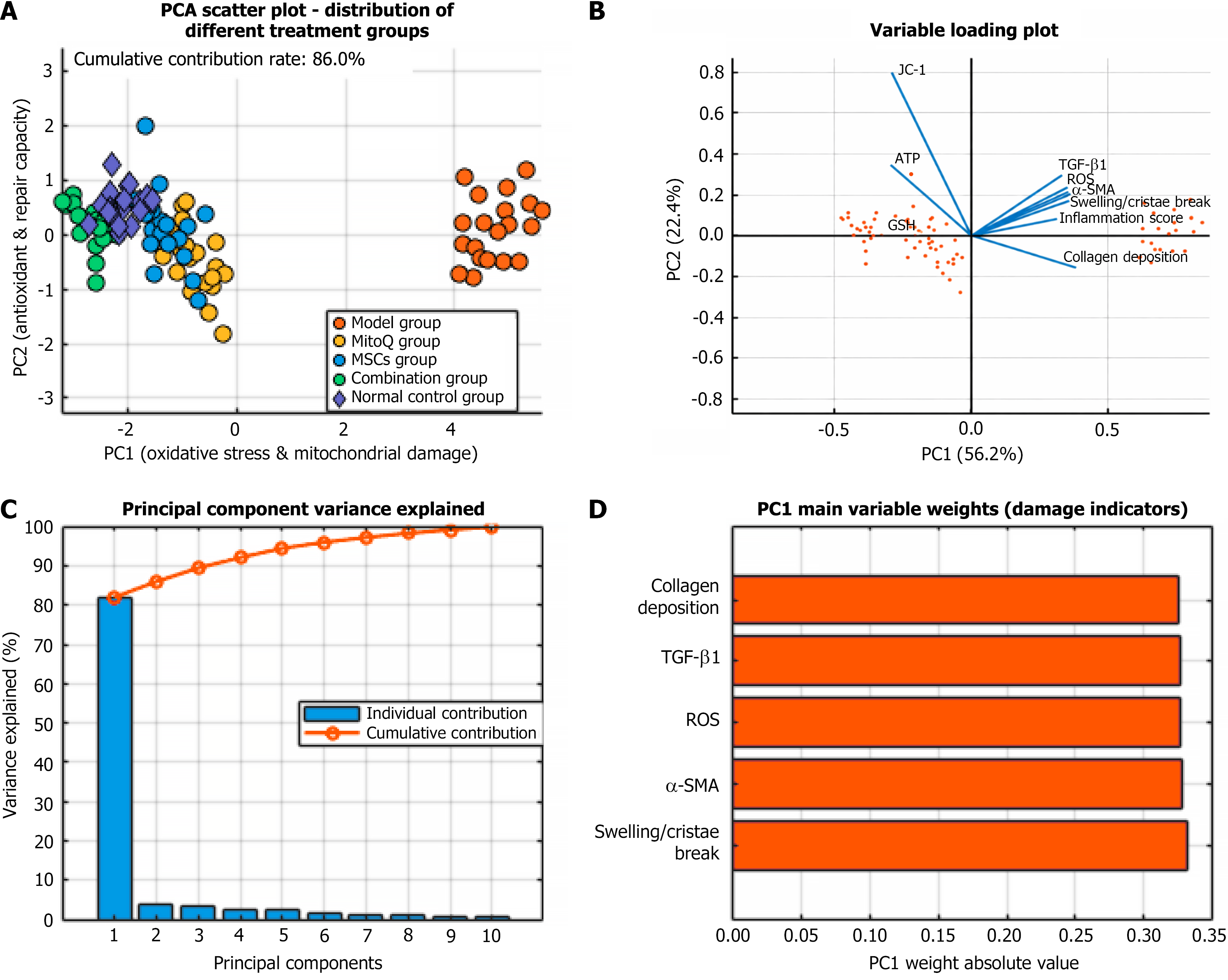
Figure 5 Principal component analysis results.
A: Principal component analysis score plot showing the distribution of the normal control, model, mitoquinone, mesenchymal stem cells, and combination groups; B: Principal component analysis loading plot showing the contributions of the measured variables to PC1 and PC2; C: Scree plot showing the individual and cumulative variance explained by each principal component; D: Bar plot showing the absolute weights of the main damage-related variables contributing to PC1. PC1 and PC2 explained 56.2% and 22.4% of the total variance, respectively, with a cumulative contribution rate of 86.0%. PCA: Principal component analysis.
- Citation: Hu YL, Lin ZX, Zhang XY, Li GL, Liu WJ, Shi ZQ, Li XH, Yang ZZ. Combining mitochondrial antioxidant mitoquinone and mesenchymal stem cell therapy for amelioration of radiation-induced lung injury: Synergistic regenerative strategy. World J Stem Cells 2026; 18(6): 117622
- URL: https://www.wjgnet.com/1948-0210/full/v18/i6/117622.htm
- DOI: https://dx.doi.org/10.4252/wjsc.117622