
















Copyright: ©Author(s) 2026.
World J Stem Cells. Jun 26, 2026; 18(6): 116526
Published online Jun 26, 2026. doi: 10.4252/wjsc.116526
Published online Jun 26, 2026. doi: 10.4252/wjsc.116526

Figure 1 Microscopic observation (40 × magnification) and trilineage differentiation outcomes of primary cultured human amniotic epithelial cells.
A: Morphology of human amniotic epithelial cells (hAECs) under light microscopy, scale bar = 100 μm; B: Outcome of adipogenic differentiation of hAECs, scale bar = 50 μm; C: Osteogenic differentiation of hAECs, scale bar = 50 μm; D: Chondrogenic differentiation of hAECs, scale bar = 200 μm.
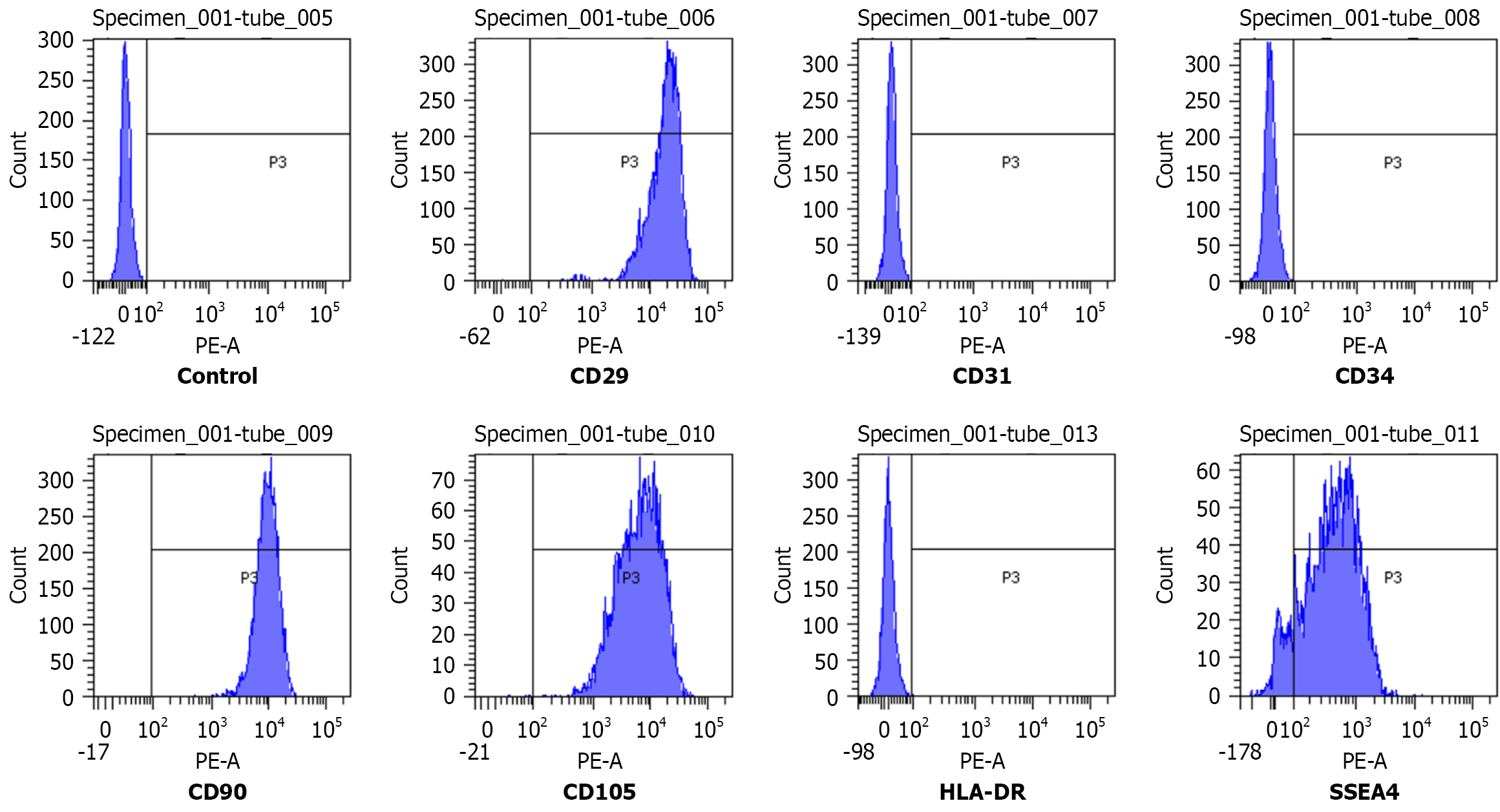
Figure 2
Detection of expression of surface markers on human amniotic epithelial cells by flow cytometry.

Figure 3 Microscopic (40 ×) observations and trilineage differentiation outcomes of primary cultured mesenchymal stem cells derived from human umbilical cord blood.
A: Morphology of mesenchymal stem cells derived from human umbilical cord blood (hucbMSCs) under light microscopy, scale bar = 100 μm; B: Outcomes of adipogenic differentiation of hucbMSCs, scale bar = 50 μm; C: Osteogenic differentiation of hucbMSCs, scale bar 50 μm; D: Chondrogenic differentiation of hucbMSCs, scale bar = 200 μm.
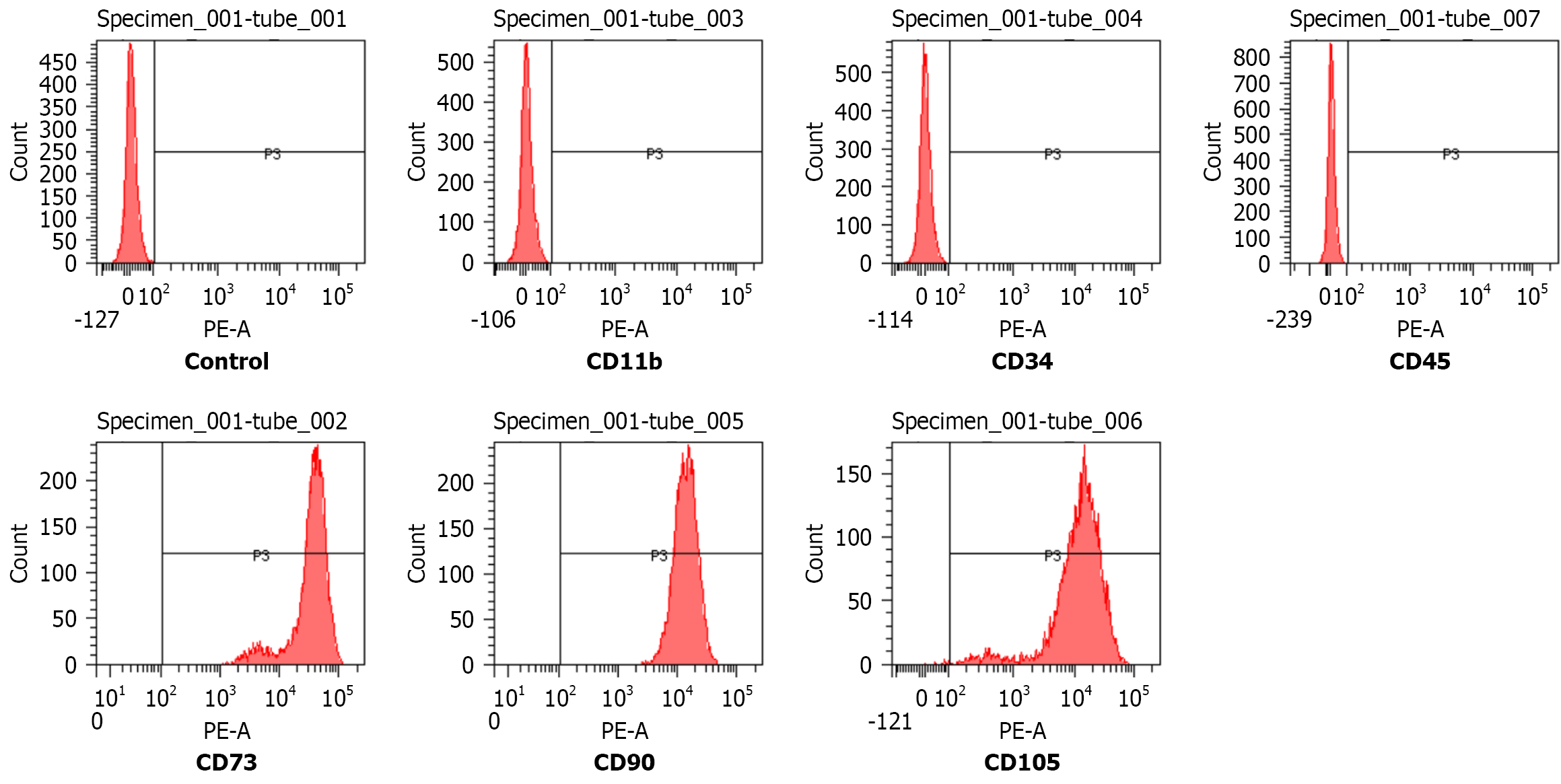
Figure 4
Flow cytometry detection of surface marker expression on mesenchymal stem cells derived from human umbilical cord blood.
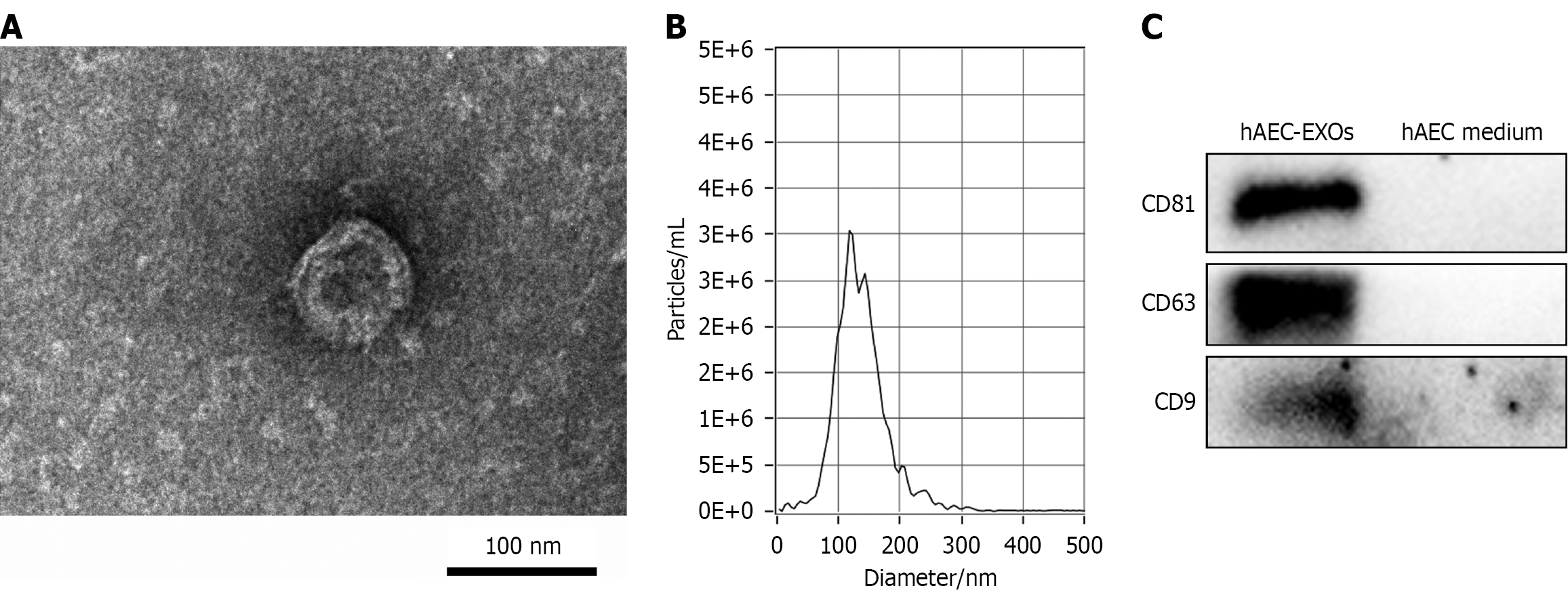
Figure 5 Identification of human amniotic epithelial cell exosomes.
A: Morphological examination of human amniotic epithelial cell exosomes (hAECs-exos) using transmission electron microscopy (scale bar = 100 nm); B: Analysis of hAECs-exo particle size distribution via nanoparticle tracking analysis; C: Assessment of CD9, CD63 and CD81 surface protein expression on hAECs-exos by western blotting. hAECs-exos: Human amniotic epithelial cell exosomes; hAECs: Human amniotic epithelial cells.
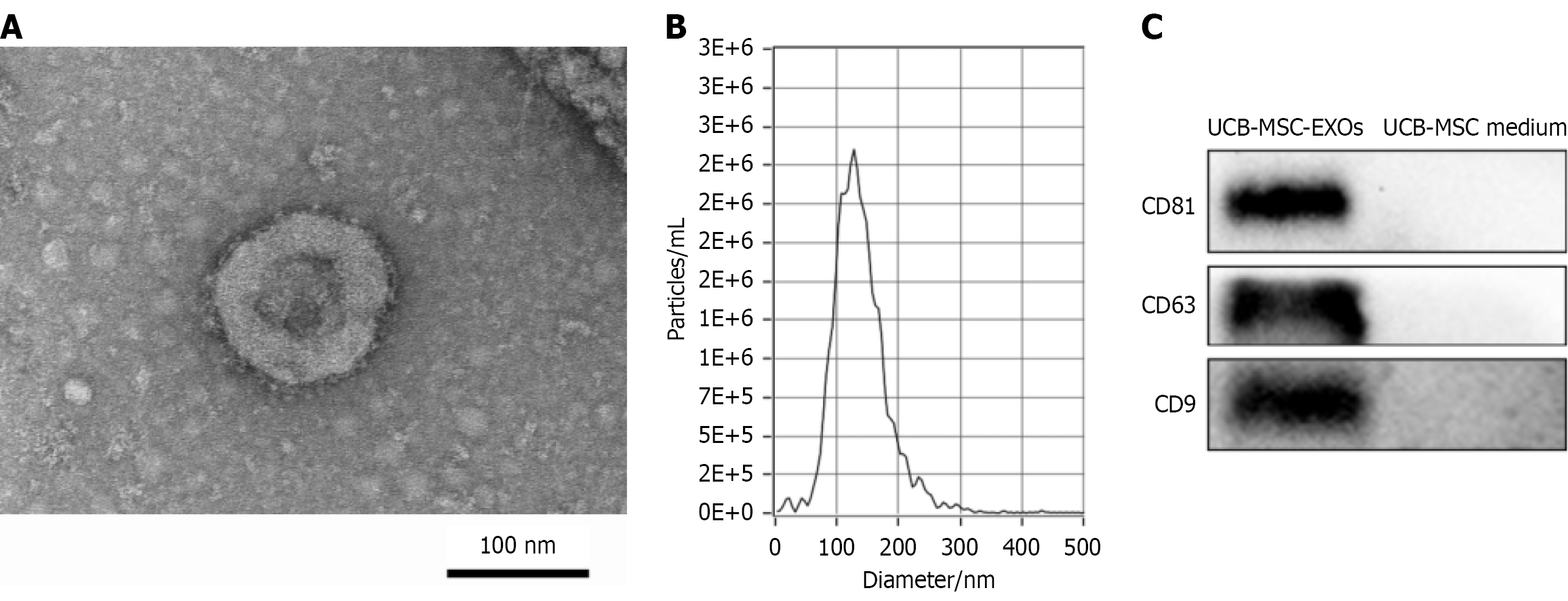
Figure 6 Identification of exosomes from mesenchymal stem cells derived from human umbilical cord blood.
A: Morphological examination of exosomes from mesenchymal stem cells derived from human umbilical cord blood (hucbMSCs-exos) using transmission electron microscopy (scale bar = 100 nm); B: Analysis of hucbMSCs-exos particle size distribution via nanoparticle tracking analysis; C: Evaluation of CD9, CD63 and CD81 surface protein expression in hucbMSCs-exos by western blotting. hucbMSCs-exos: Exosomes from mesenchymal stem cells derived from human umbilical cord blood; hucbMSCs: Mesenchymal stem cells derived from human umbilical cord blood.
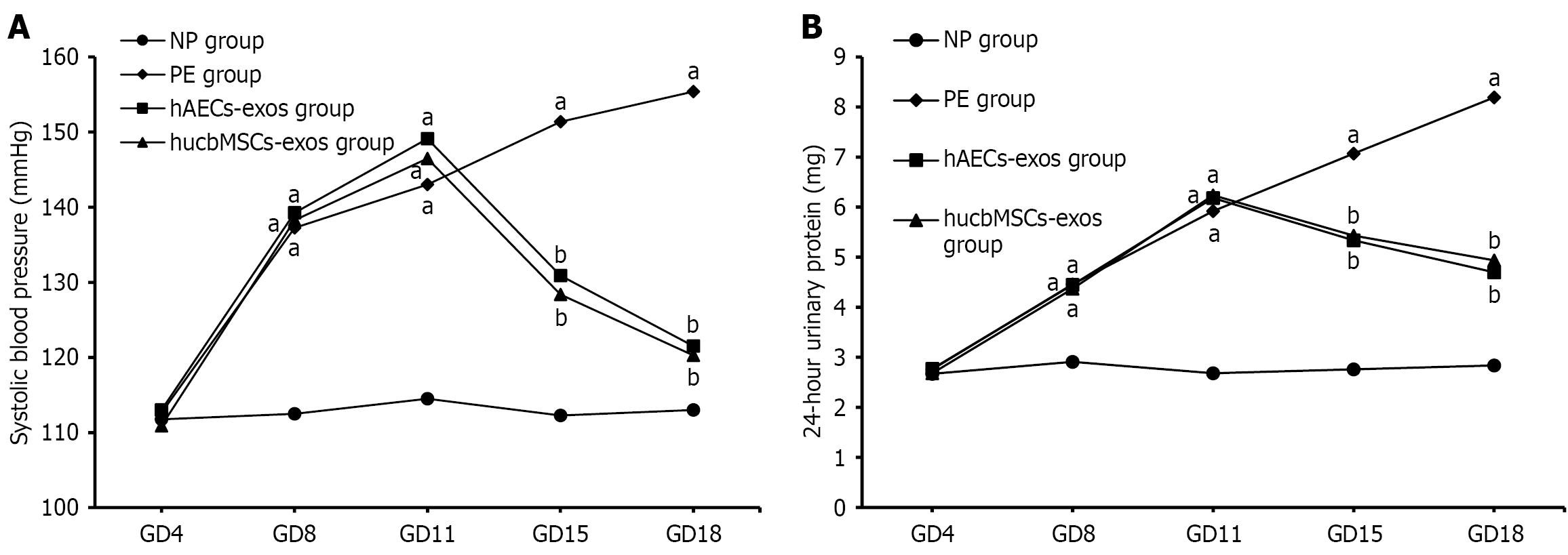
Figure 7 Changes in systolic blood pressure and 24-hours urinary protein in rats.
A: Changes in systolic blood pressure in rats; B: Changes in 24-hours urinary protein in rats. aP < 0.05, compared to the normal pregnancy group; bP < 0.05, compared to the preeclampsia group. NP: Normal pregnancy; PE: Preeclampsia; hAECs-exos: Human amniotic epithelial cell exosomes; hucbMSCs-exos: Exosomes from mesenchymal stem cells derived from human umbilical cord blood; GD: Gestational day.

Figure 8 Morphological appearance of fetal mice.
A: Fetal mice from the normal pregnancy group; B: Fetal mouse abortion images from the preeclampsia group; C: Fetal mice from the preeclampsia group; D: Fetal mice from the human amniotic epithelial cell exosomes group; E: Fetal mice from the exosomes from mesenchymal stem cells derived from human umbilical cord blood group.
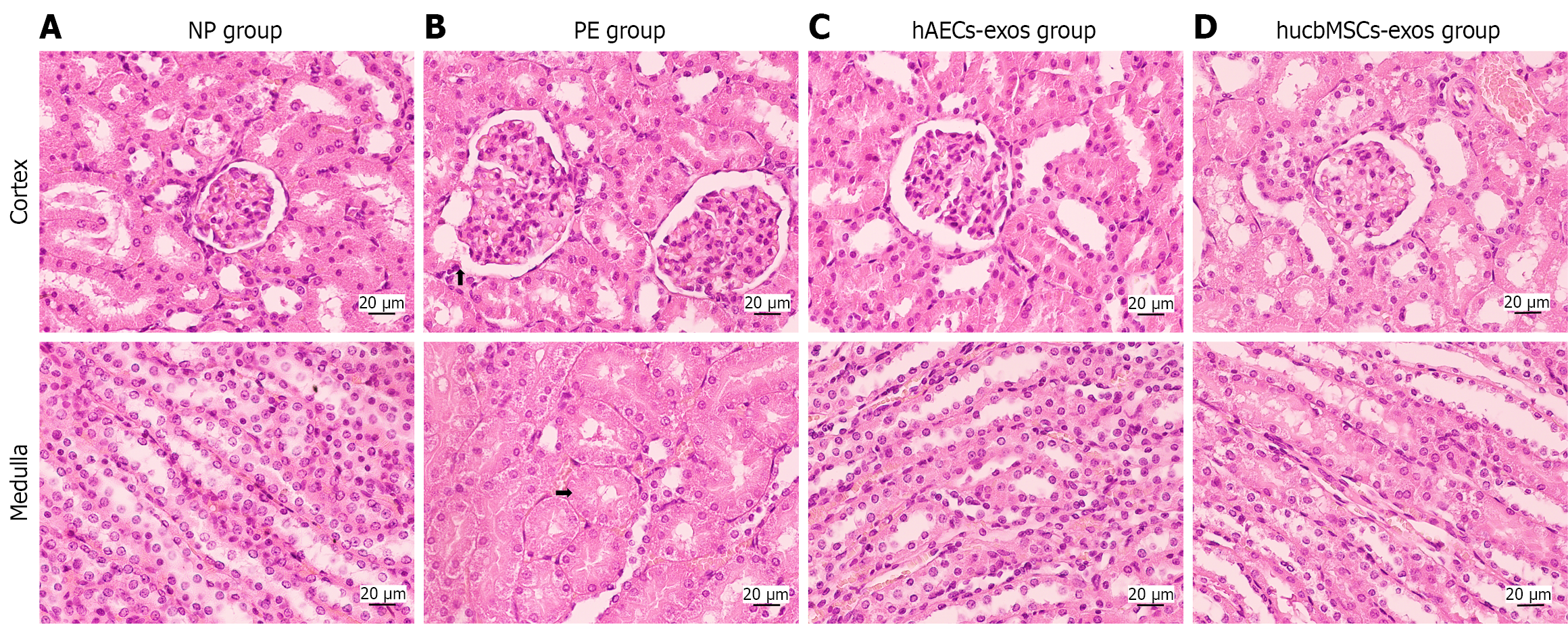
Figure 9 Hematoxylin and eosin staining of rat kidneys (400 ×).
A: The kidneys of rats in the normal pregnancy group; B: The kidneys of rats in the preeclampsia group; C: The kidneys of rats in the human amniotic epithelial cell exosomes group; D: The kidneys of rats in the exosomes from mesenchymal stem cells derived from human umbilical cord blood group. NP: Normal pregnancy; PE: Preeclampsia; hAECs-exos: Human amniotic epithelial cell exosomes; hucbMSCs-exos: Exosomes from mesenchymal stem cells derived from human umbilical cord blood.
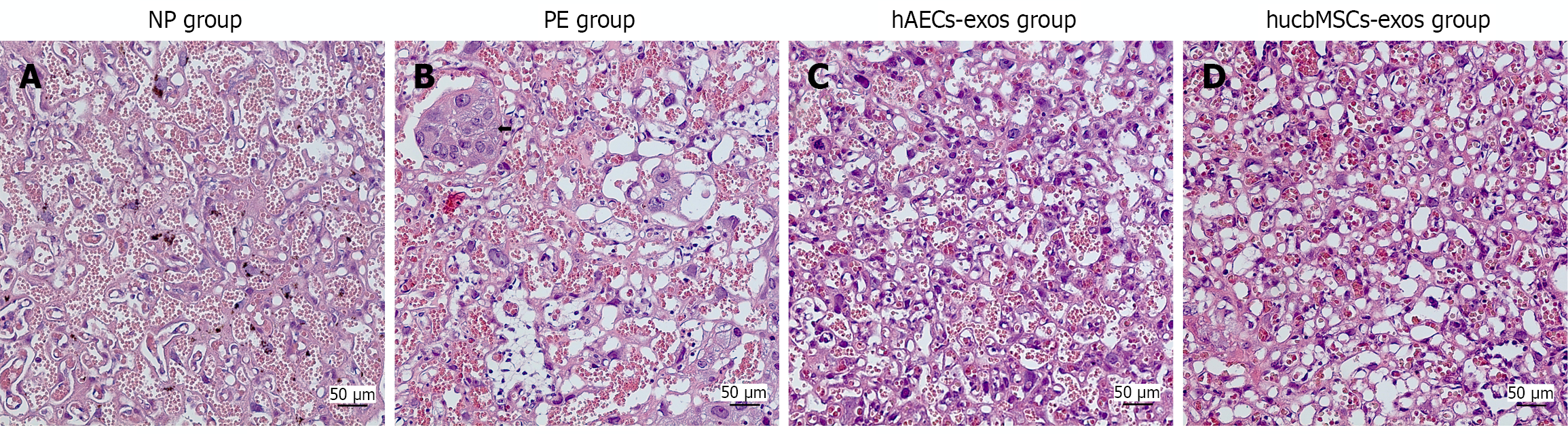
Figure 10 Hematoxylin and eosin staining of placental tissues from rats (200 ×).
A: The placental of rats in the normal pregnancy group; B: The placental of rats in the preeclampsia group; C: The placental of rats in the human amniotic epithelial cell exosomes group; D: The placental of rats in the exosomes from mesenchymal stem cells derived from human umbilical cord blood group. NP: Normal pregnancy; PE: Preeclampsia; hAECs-exos: Human amniotic epithelial cell exosomes; hucbMSCs-exos: Exosomes from mesenchymal stem cells derived from human umbilical cord blood.
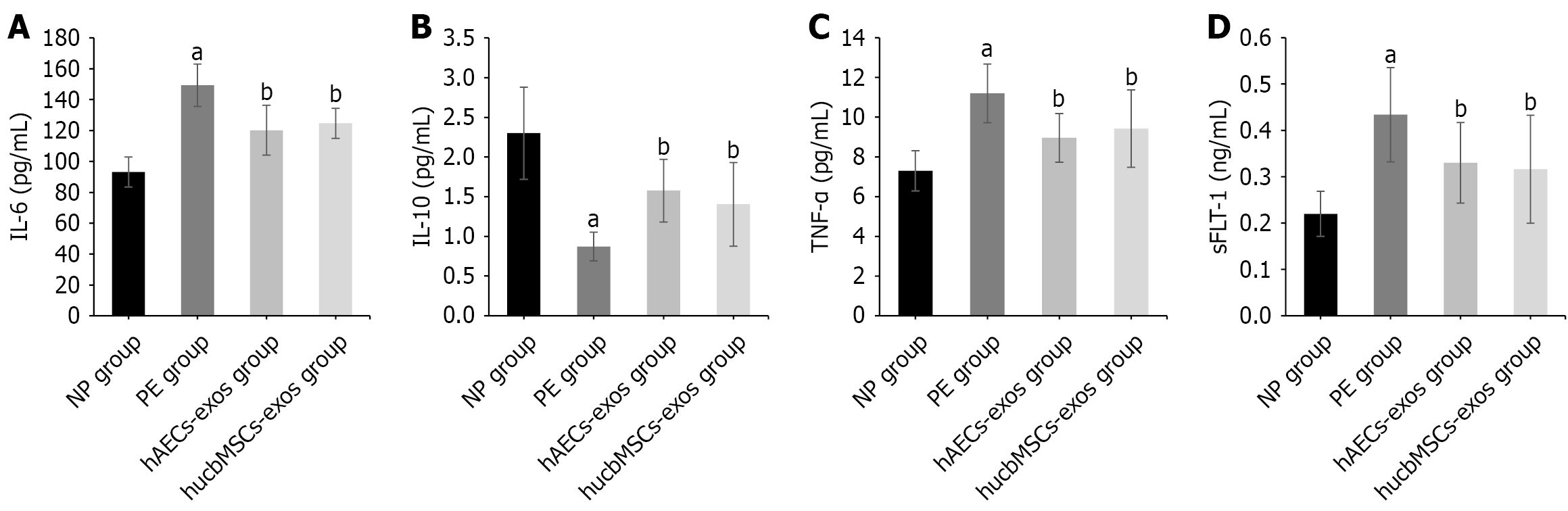
Figure 11 Serum levels of interleukin-6, interleukin-10, tumor necrosis factor-α, and soluble fms-like tyrosine kinase-1.
A: Interleukin-6; B: Interleukin-10; C: Tumor necrosis factor-α; D: Soluble fms-like tyrosine kinase-1. aP < 0.05, compared to the normal pregnancy group; bP < 0.05, compared to the preeclampsia group. IL: Interleukin; TNF: Tumor necrosis factor; sFLT-1: Soluble fms-like tyrosine kinase-1; NP: Normal pregnancy; PE: Preeclampsia; hAECs-exos: Human amniotic epithelial cell exosomes; hucbMSCs-exos: Exosomes from mesenchymal stem cells derived from human umbilical cord blood.
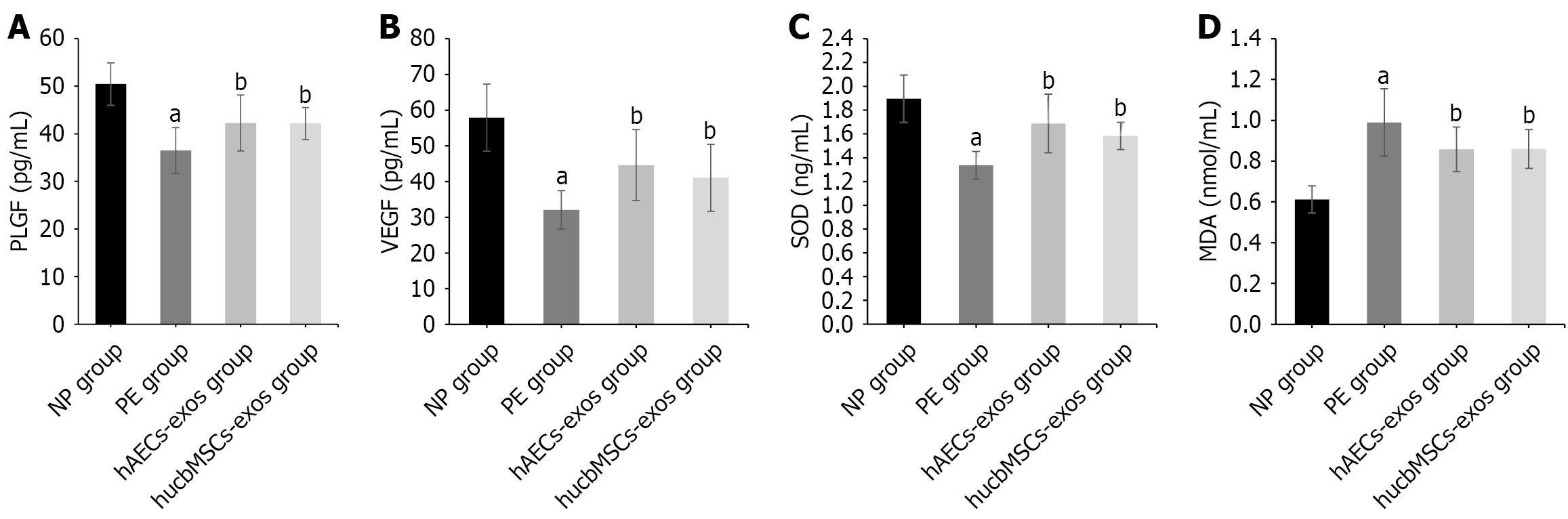
Figure 12 Comparison of placental growth factor, vascular endothelial growth factor, superoxide dismutase and malondialdehyde levels in the rat placenta.
A: Placental growth factor; B: Vascular endothelial growth factor; C: Superoxide dismutase; D: Malondialdehyde. aP < 0.05, compared to the normal pregnancy group; bP < 0.05, compared to the preeclampsia group. PLGF: Placental growth factor; VEGF: Vascular endothelial growth factor; SOD: Superoxide dismutase; MDA: Malondialdehyde; NP: Normal pregnancy; PE: Preeclampsia; hAECs-exos: Human amniotic epithelial cell exosomes; hucbMSCs-exos: Exosomes from mesenchymal stem cells derived from human umbilical cord blood.
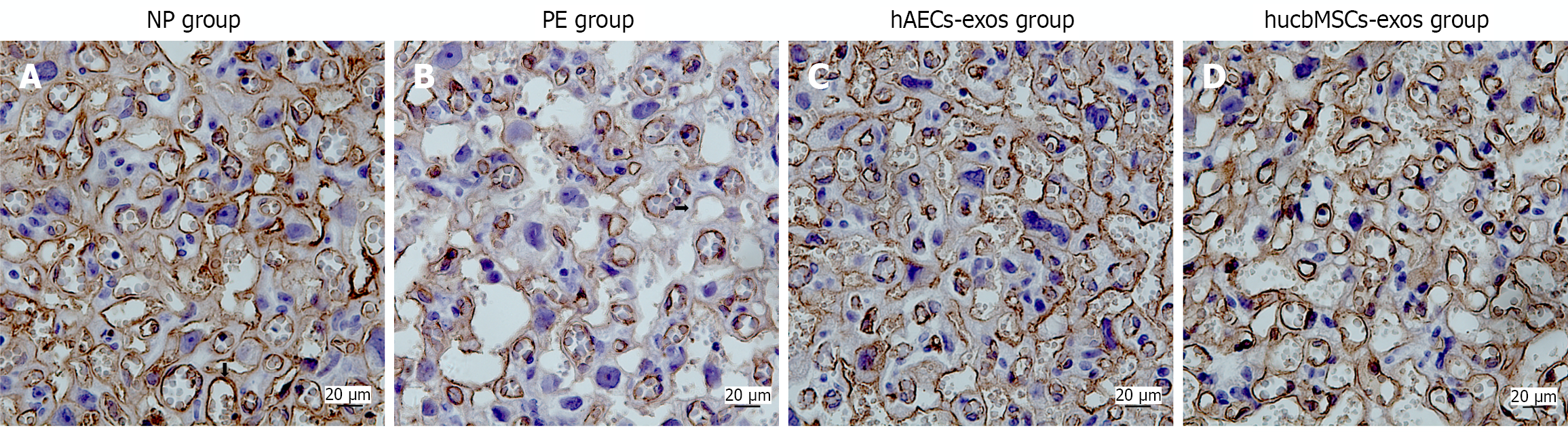
Figure 13 Immunohistochemical staining of placental tissues from rats (400 ×).
A: Immunohistochemical staining results of CD31-positive cells in the placenta of rats in the normal pregnancy group; B: Immunohistochemical staining results of CD31-positive cells in the placenta of rats in the preeclampsia group; C: Immunohistochemical staining results of CD31-positive cells in the placenta of rats in the human amniotic epithelial cell exosomes group; D: Immunohistochemical staining results of CD31-positive cells in the placenta of rats in the exosomes from mesenchymal stem cells derived from human umbilical cord blood group. NP: Normal pregnancy; PE: Preeclampsia; hAECs-exos: Human amniotic epithelial cell exosomes; hucbMSCs-exos: Exosomes from mesenchymal stem cells derived from human umbilical cord blood.
- Citation: Han LY, Zhang WZ, Zhang Y, Zhong W, Sun JL, Shen J. Therapeutic effects of human amniotic epithelial cell-derived and umbilical cord blood mesenchymal stem cell-derived exosomes on preeclamptic rats. World J Stem Cells 2026; 18(6): 116526
- URL: https://www.wjgnet.com/1948-0210/full/v18/i6/116526.htm
- DOI: https://dx.doi.org/10.4252/wjsc.116526