
















Copyright: ©Author(s) 2026.
World J Stem Cells. Jun 26, 2026; 18(6): 116276
Published online Jun 26, 2026. doi: 10.4252/wjsc.116276
Published online Jun 26, 2026. doi: 10.4252/wjsc.116276
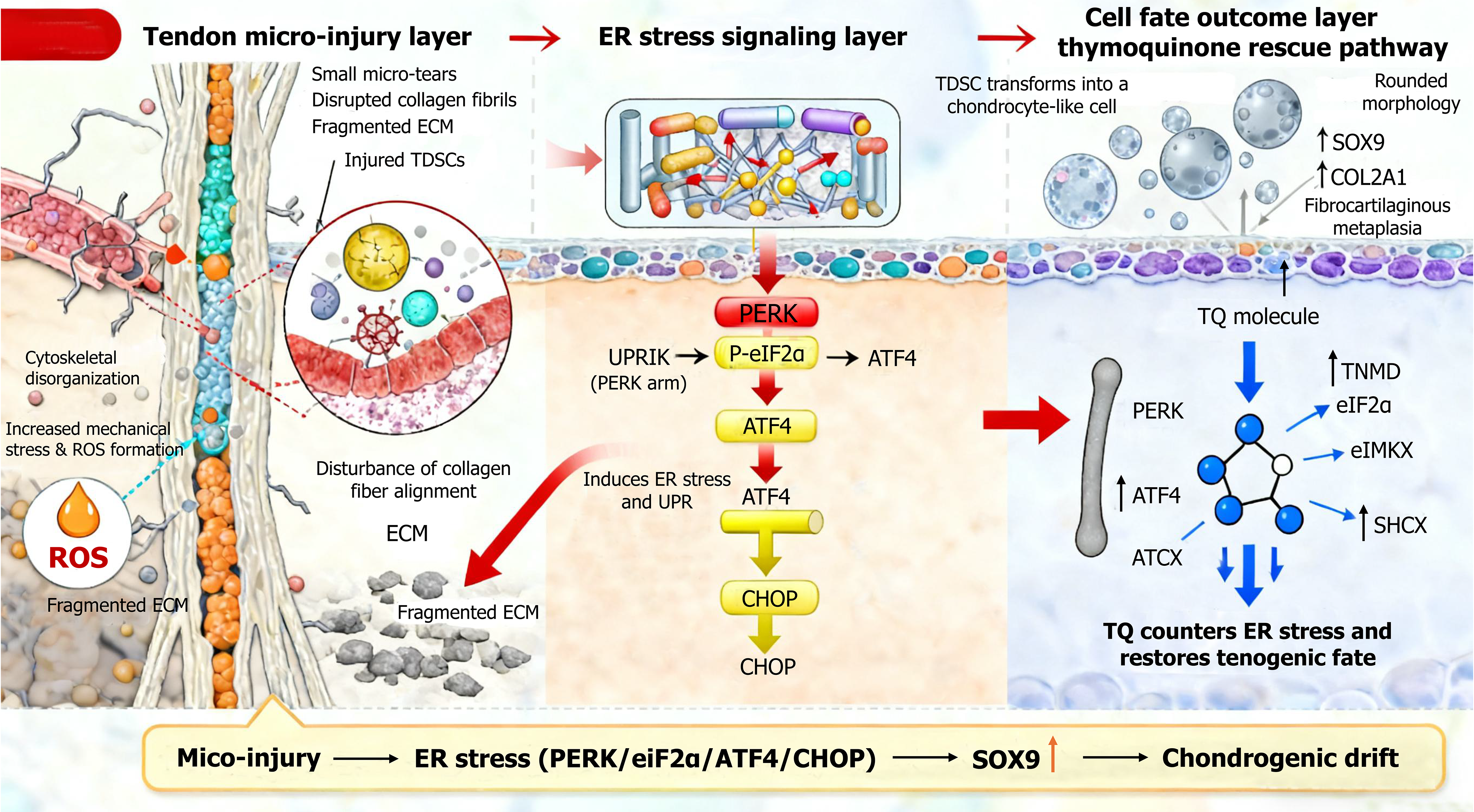
Figure 1 Graphic: Thymoquinone attenuates endoplasmic reticulum stress-induced chondrogenic drift of tendon-derived stem cells.
This conceptual illustration depicts how mechanical micro-injury initiates endoplasmic reticulum (ER) stress in tendon-derived stem cells (TDSCs) and how thymoquinone counteracts this process to restore tenogenic fate. Left panel: Repetitive treadmill loading and mechanical overload create micro-tears within tendon collagen fibers, leading to extracellular matrix disruption, cytoskeletal disorganization, and increased reactive oxygen species. These biomechanical and oxidative insults damage resident TDSCs and initiate the unfolded protein response. Middle panel: ER stress is characterized by misfolded protein accumulation, ER lumen overload, and loss of protein homeostasis, activating the protein kinase RNA-like ER kinase (PERK) branch of the unfolded protein response. The PERK → phosphorylated eukaryotic initiation factor 2 → activating transcription factor 4 → enhancer-binding protein homologous protein (CHOP) signaling cascade is shown vertically, with CHOP driving transcriptional programs that promote SRY-box transcription factor 9 (SOX9) upregulation and pathological differentiation. Right-upper panel: Sustained ER stress redirects TDSCs toward a chondrocyte-like phenotype, characterized by rounded cell morphology, cartilaginous matrix deposition, and increased expression of SOX9, collagen type II alpha-1, and ACAN. These changes contribute to fibrocartilaginous metaplasia and loss of tenogenic identity. Right-lower panel: Thymoquinone exerts protective effects by attenuating PERK activation, reducing eukaryotic initiation factor 2 phosphorylation, suppressing activating transcription factor 4 activity, and downregulating CHOP. Inhibitory interactions are indicated by blockade symbols (⊣). By dampening ER stress, thymoquinone prevents SOX9 induction, restores spindle-shaped TDSC morphology, and promotes tenogenic marker expression, including TNMD, MKX, and SCX. Color coding distinguishes pathological signaling (red-orange-yellow) from thymoquinone-mediated rescue (blue-green). ECM: Extracellular matrix; TDSC: Tendon-derived stem cell; ROS: Reactive oxygen species; ER: Endoplasmic reticulum; PERK: Protein kinase RNA-like endoplasmic reticulum kinase; P-eIF2α: Phosphorylated eukaryotic initiation factor 2; ATF4: Activating transcription factor 4; UPR: Unfolded protein response; CHOP: Enhancer-binding protein homologous protein; SOX9: SRY-box transcription factor 9; COL2A1: Collagen type II alpha-1; TQ: Thymoquinone.
- Citation: Zhang JW. Letter to the Editor: Thymoquinone targets endoplasmic reticulum stress to rescue tendon stem cell identity - a new era for tendinopathy therapy. World J Stem Cells 2026; 18(6): 116276
- URL: https://www.wjgnet.com/1948-0210/full/v18/i6/116276.htm
- DOI: https://dx.doi.org/10.4252/wjsc.116276