
















Copyright: ©Author(s) 2026.
World J Stem Cells. Apr 26, 2026; 18(4): 116175
Published online Apr 26, 2026. doi: 10.4252/wjsc.v18.i4.116175
Published online Apr 26, 2026. doi: 10.4252/wjsc.v18.i4.116175
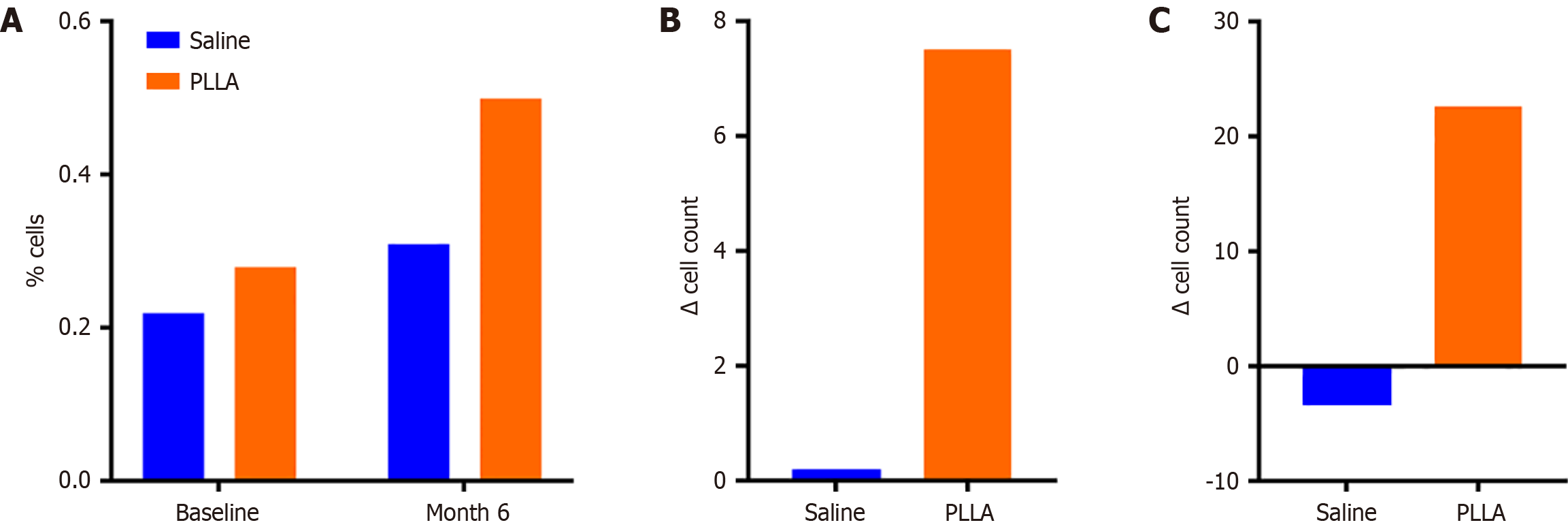
Figure 1 Immunofluorescence cell phenotyping.
A: Adipose-derived stem cells as a percentage of all cells 6 months after treatment with poly-L-lactic acid (PLLA) and saline; B: Change in the number of adipose-derived stem cells 6 months after treatment with PLLA and saline; C: Change in number of fibroblasts 6 months after treatment with PLLA and saline. PLLA: Poly-L-lactic acid.
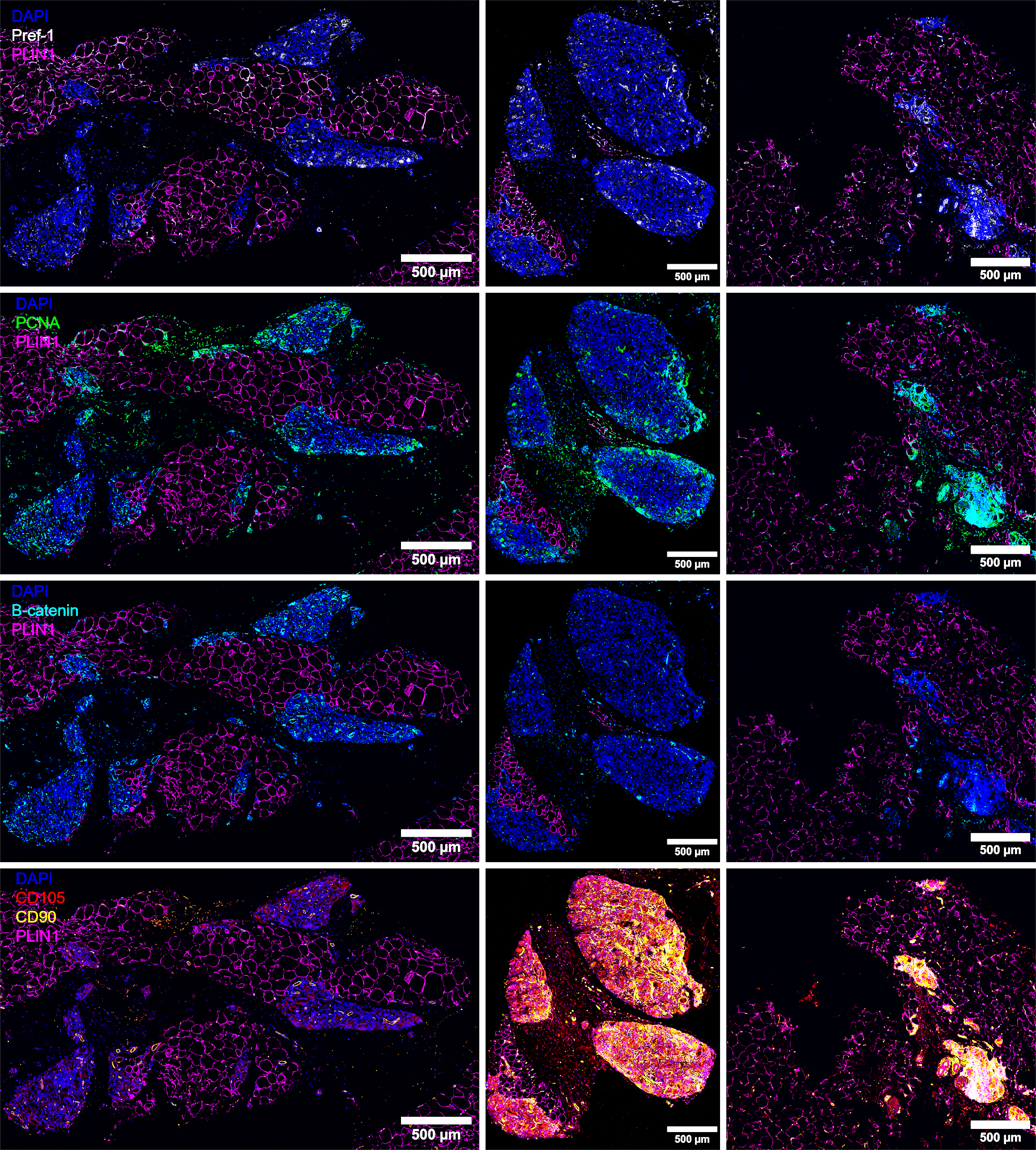
Figure 2 Immunofluorescence images of poly-L-lactic acid-treated subcutaneous adipose tissue.
The poly-L-lactic acid-macrophage-fibroblast encapsulations show intense expression of CD90, CD105, preadipocyte factor, proliferating cell nuclear antigen, and β-catenin. These encapsulations have high concentrations of proliferating cells expressing phenotypes consistent with adipose-derived stem cells and fibroblasts. The perilipin-expressing (purple outline) cells seen distinctly separate from the encapsulations are mature adipocytes.
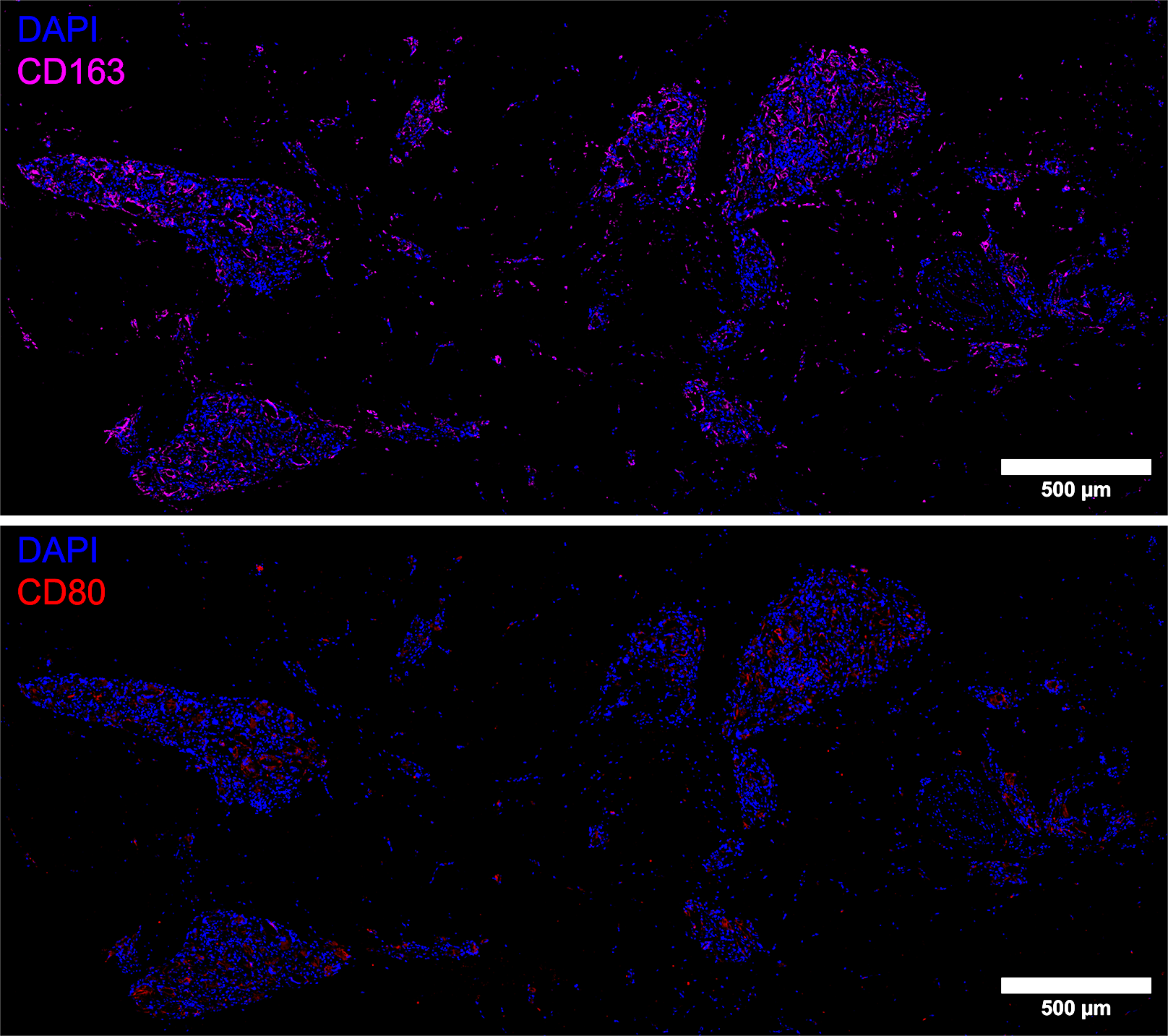
Figure 3 Immunofluorescence image of macrophages.
M2 macrophages (CD163 labeled magenta in top figure) greatly predominate over the barely visible M1 macrophages (CD80 labeled red in bottom figure).
- Citation: Zubair RA, Zhou XH, Fabi SG. Adipose-derived stem cell stimulation using poly-L-lactic acid injection. World J Stem Cells 2026; 18(4): 116175
- URL: https://www.wjgnet.com/1948-0210/full/v18/i4/116175.htm
- DOI: https://dx.doi.org/10.4252/wjsc.v18.i4.116175