
















Copyright: ©Author(s) 2026.
World J Stem Cells. Nov 26, 2026; 18(11): 127968
Published online Nov 26, 2026. doi: 10.4252/wjsc.127968
Published online Nov 26, 2026. doi: 10.4252/wjsc.127968
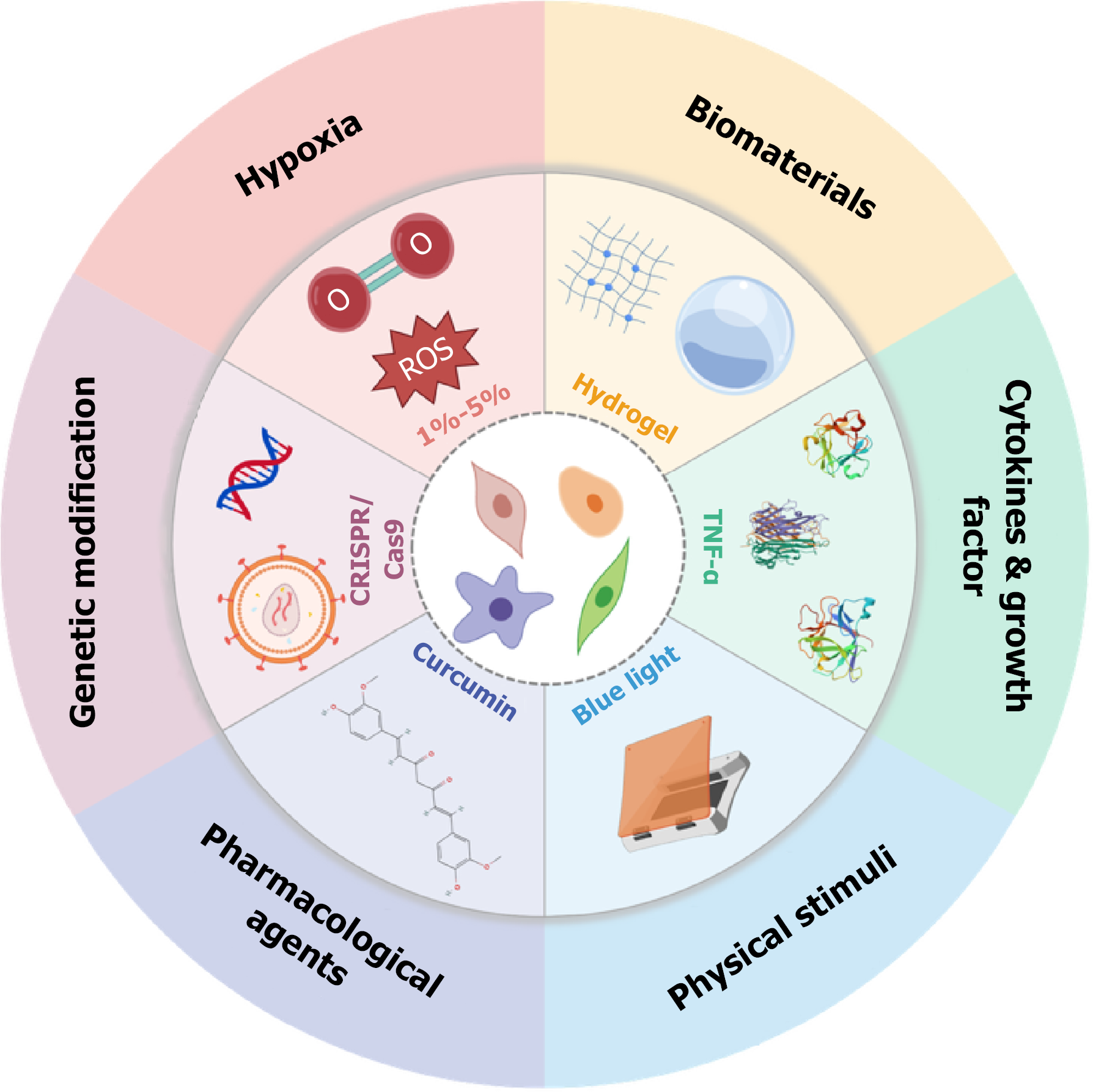
Figure 1
General overview of major stem cell preconditioning strategies.
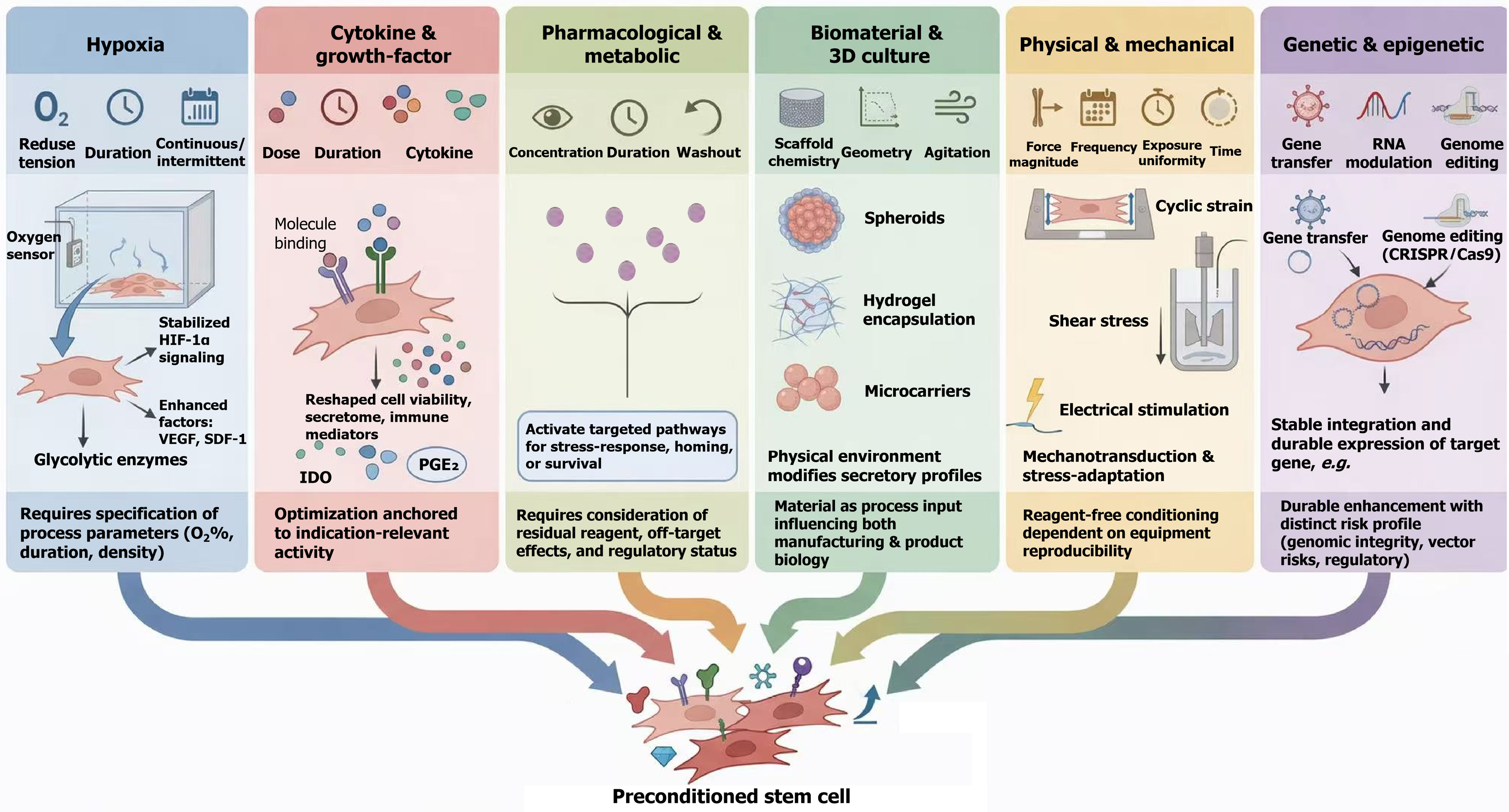
Figure 2
Biological mechanisms and translational considerations of major stem cell preconditioning strategies.
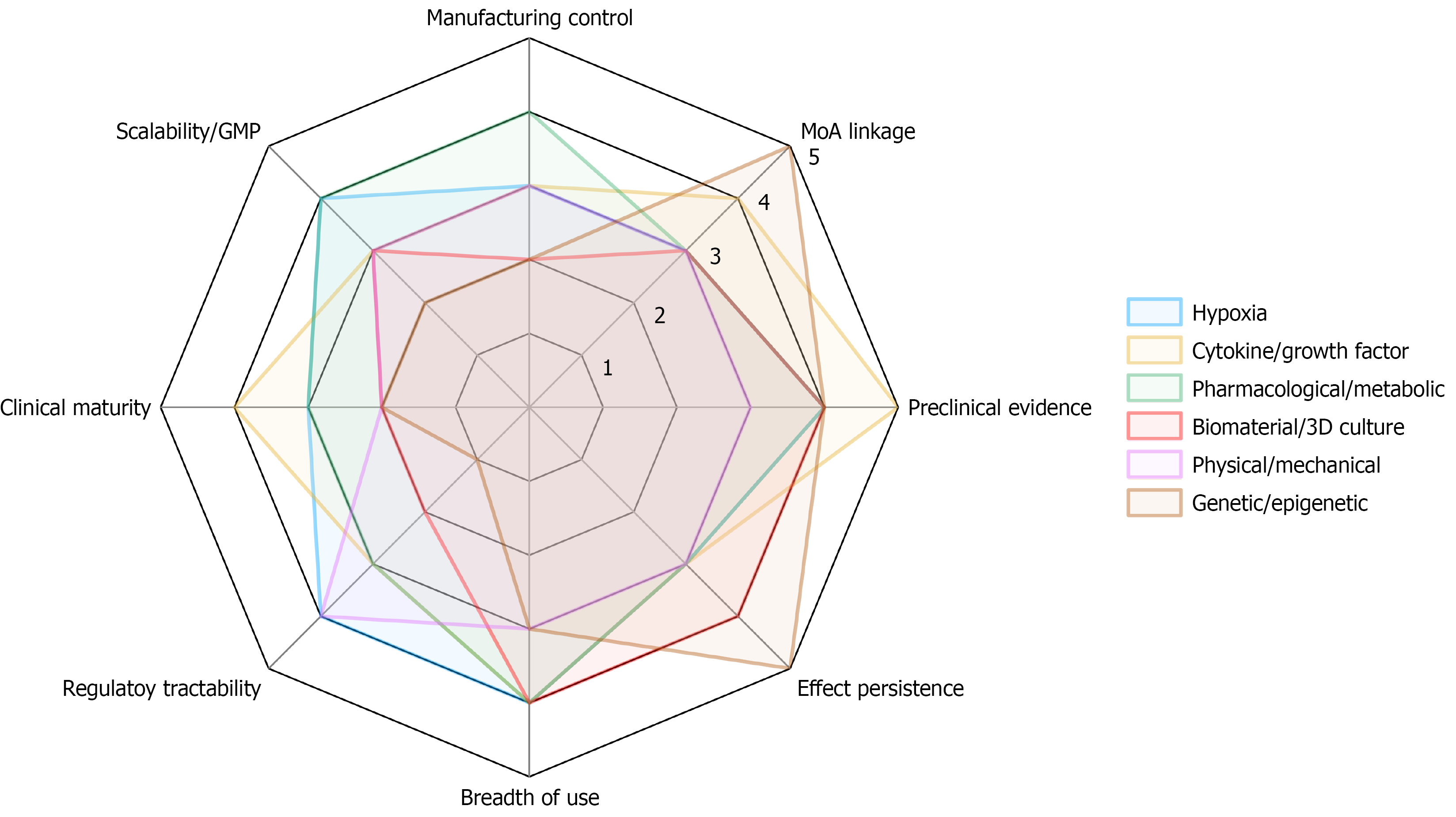
Figure 3 Comparative translational profile of major stem-cell preconditioning strategies.
Eight dimensions are scored through author consensus qualitatively from 1 (relative disadvantage) to 5 (relative advantage) to visualize differences in preclinical evidence, mechanism-of-action linkage, manufacturing control, scalability/good manufacturing practice fit, clinical maturity, regulatory tractability, breadth of use, and effect persistence. The framework is intended for conceptual comparison rather than quantitative efficacy ranking; scores are not derived from meta-analysis and should be interpreted in an indication- and product-specific context. Detailed rationale for each dimension is provided in Supplementary Table 2.
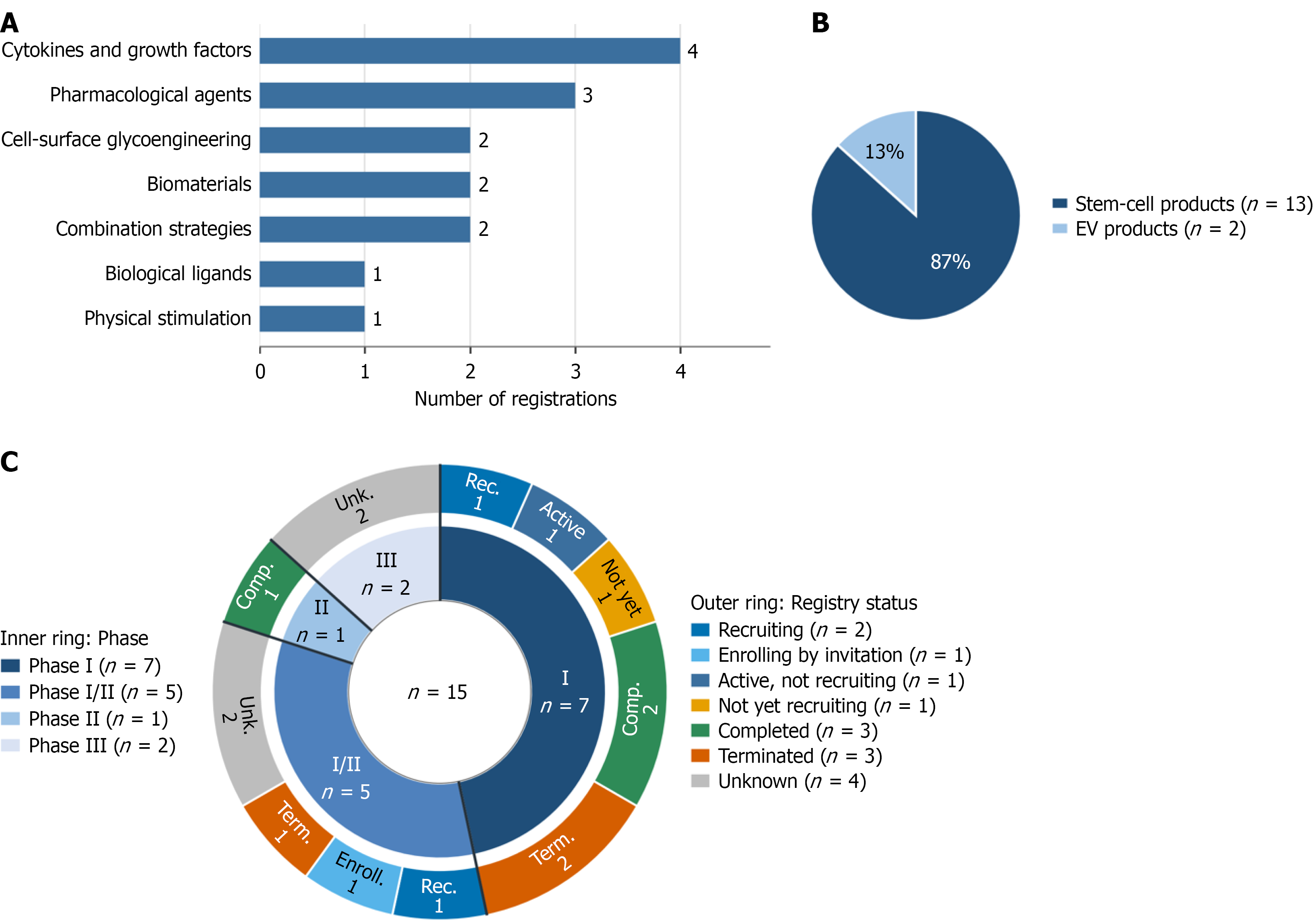
Figure 4 Clinical-trial landscape of preconditioned stem cell and extracellular vesicles products registered in ClinicalTrials.
gov, EU Clinical Trials Register and ChiCTR. A: Distribution of included registrations by preconditioning strategy. Registrations involving more than one preconditioning strategy were counted under each component strategy, with ‘Combination’ shown as an additional descriptor of multi-strategy preconditioning; B: Distribution of registrations by final therapeutic product type; C: Nested donut chart showing clinical phase in the inner ring and registry status in the outer ring. EV: Extracellular vesicle.
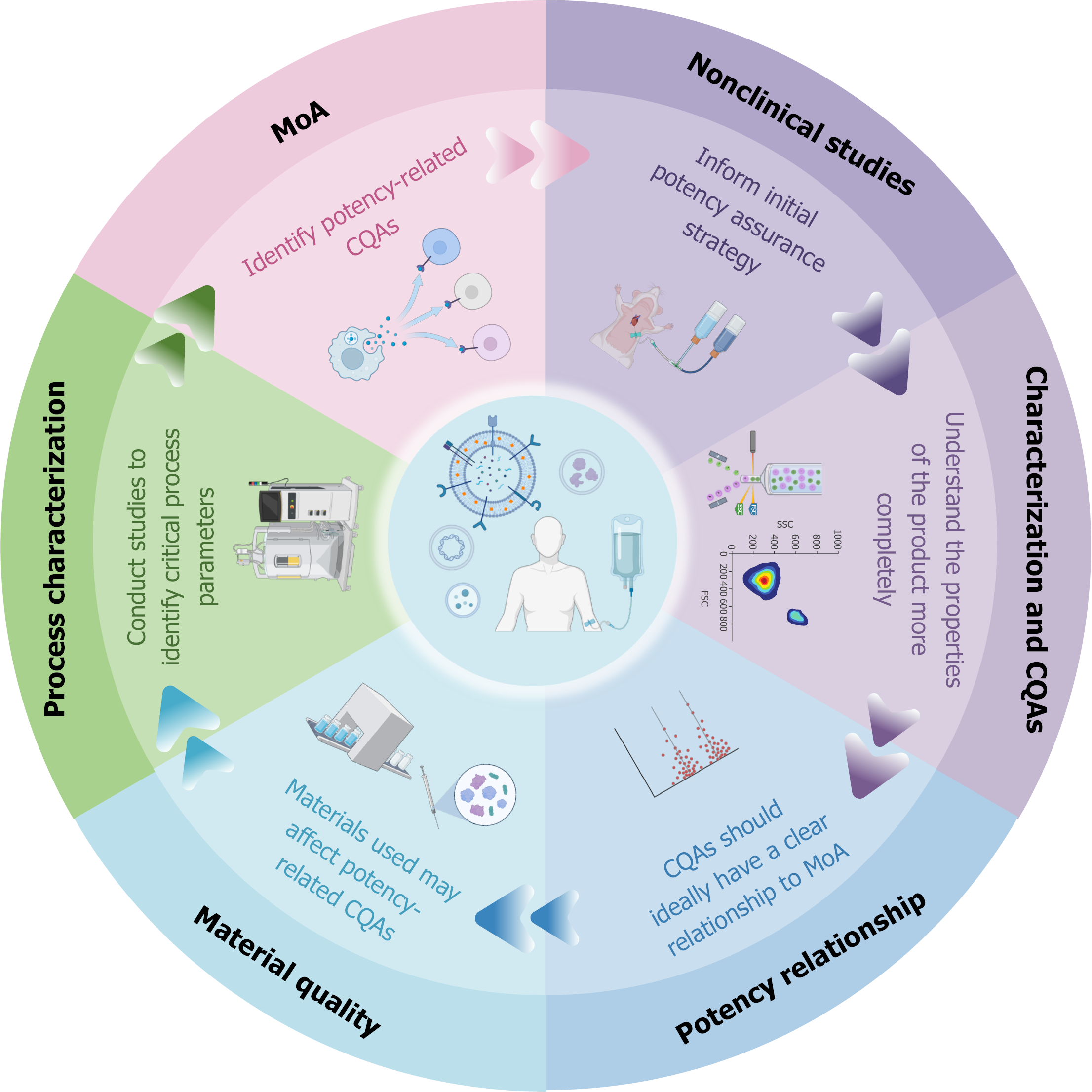
Figure 5 Integrated quality and potency development framework for clinical translation of preconditioned stem cell and extracellular vesicle products.
MoA: Mechanism of action; CQAs: Critical quality attributes; FSC: Forward scatter; SSC: Side scatter.
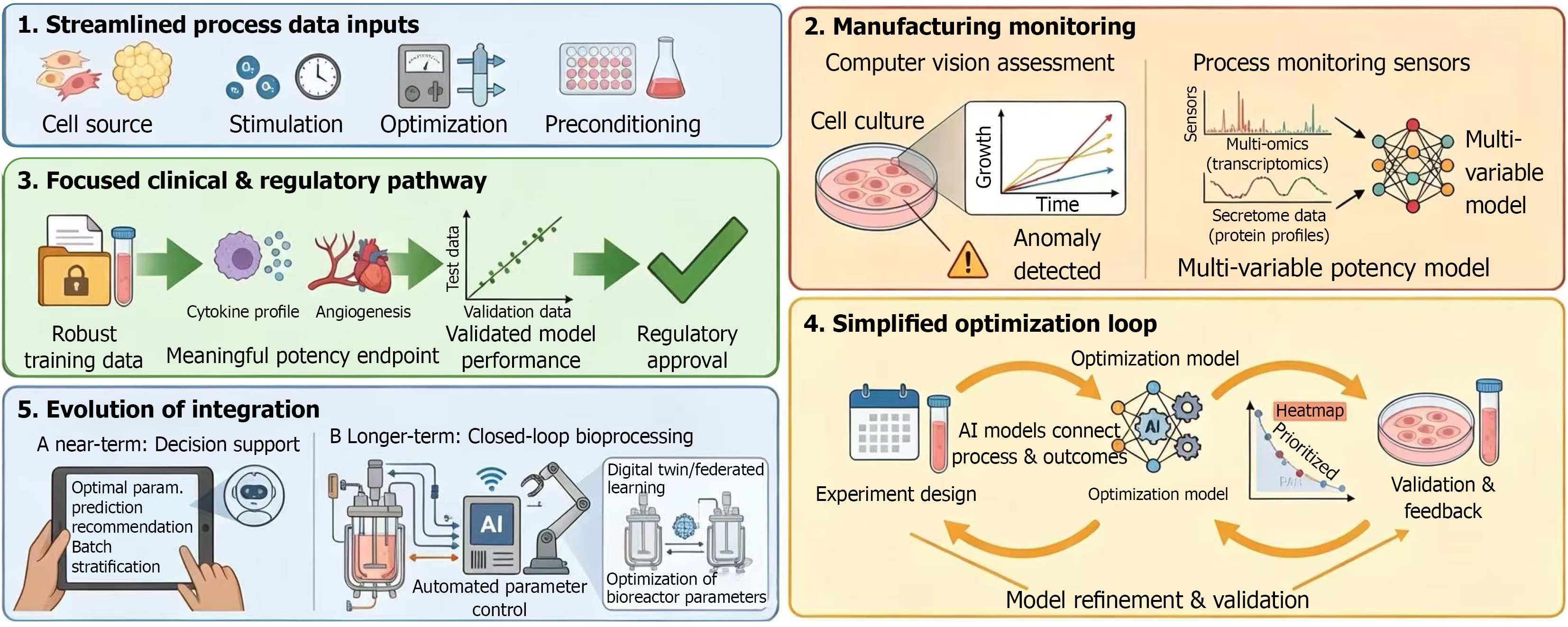
Figure 6 Artificial intelligence-assisted optimization and control framework for stem cell preconditioning.
Structured design-of-experiments and multimodal process/product data feed interpretable models that prioritize candidate conditions and support batch-level decision making. Prospective validation, independent testing, uncertainty assessment, drift monitoring, and change control are required before implementation. Artificial intelligence outputs should complement rather than replace indication-relevant potency assays and predefined biological or clinical objectives.
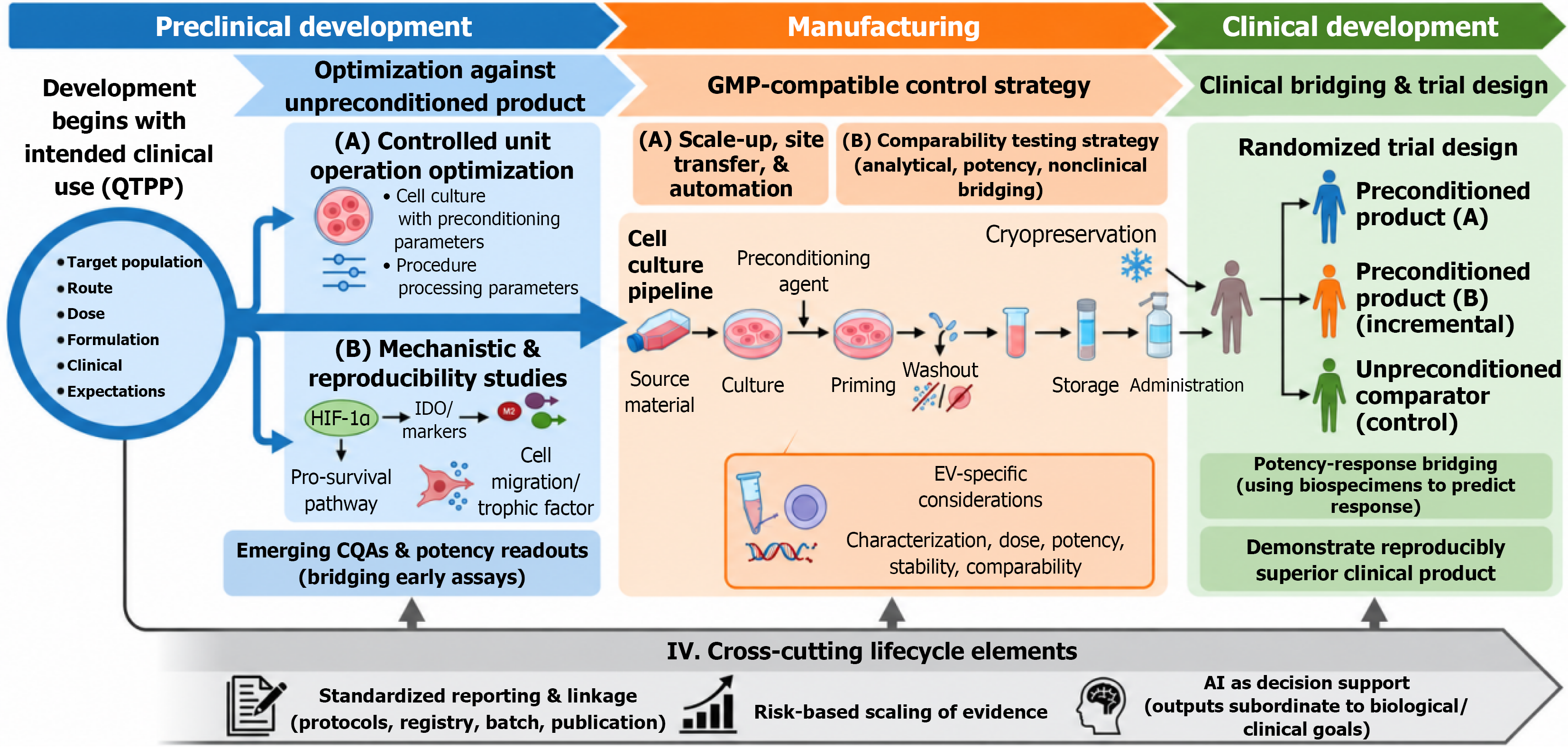
Figure 7 Proposed clinical translation pathway for stem cell preconditioning.
Development proceeds from indication and product definition through controlled preconditioning, mechanism-of-action-linked critical quality attribute and potency development, good manufacturing practice process lock, and phase-appropriate clinical evaluation. Evidence gates test reproducible superiority, mechanistic linkage, comparability, and clinical attribution. Standardized reporting, artificial intelligence-assisted optimization, and lifecycle risk management operate across the pathway. For extracellular vesicles therapeutics, source-cell conditioning is an upstream process variable and the final extracellular vesicles preparation requires product-specific characterization and potency assessment.
- Citation: Su HK, Cui C, Yu Z, Huang KR. Stem cell preconditioning for enhanced therapeutic efficacy: Translational challenges and strategic solutions. World J Stem Cells 2026; 18(11): 127968
- URL: https://www.wjgnet.com/1948-0210/full/v18/i11/127968.htm
- DOI: https://dx.doi.org/10.4252/wjsc.127968