
















©Author(s) (or their employer(s)) 2026.
World J Gastroenterol. Mar 7, 2026; 32(9): 114302
Published online Mar 7, 2026. doi: 10.3748/wjg.v32.i9.114302
Published online Mar 7, 2026. doi: 10.3748/wjg.v32.i9.114302
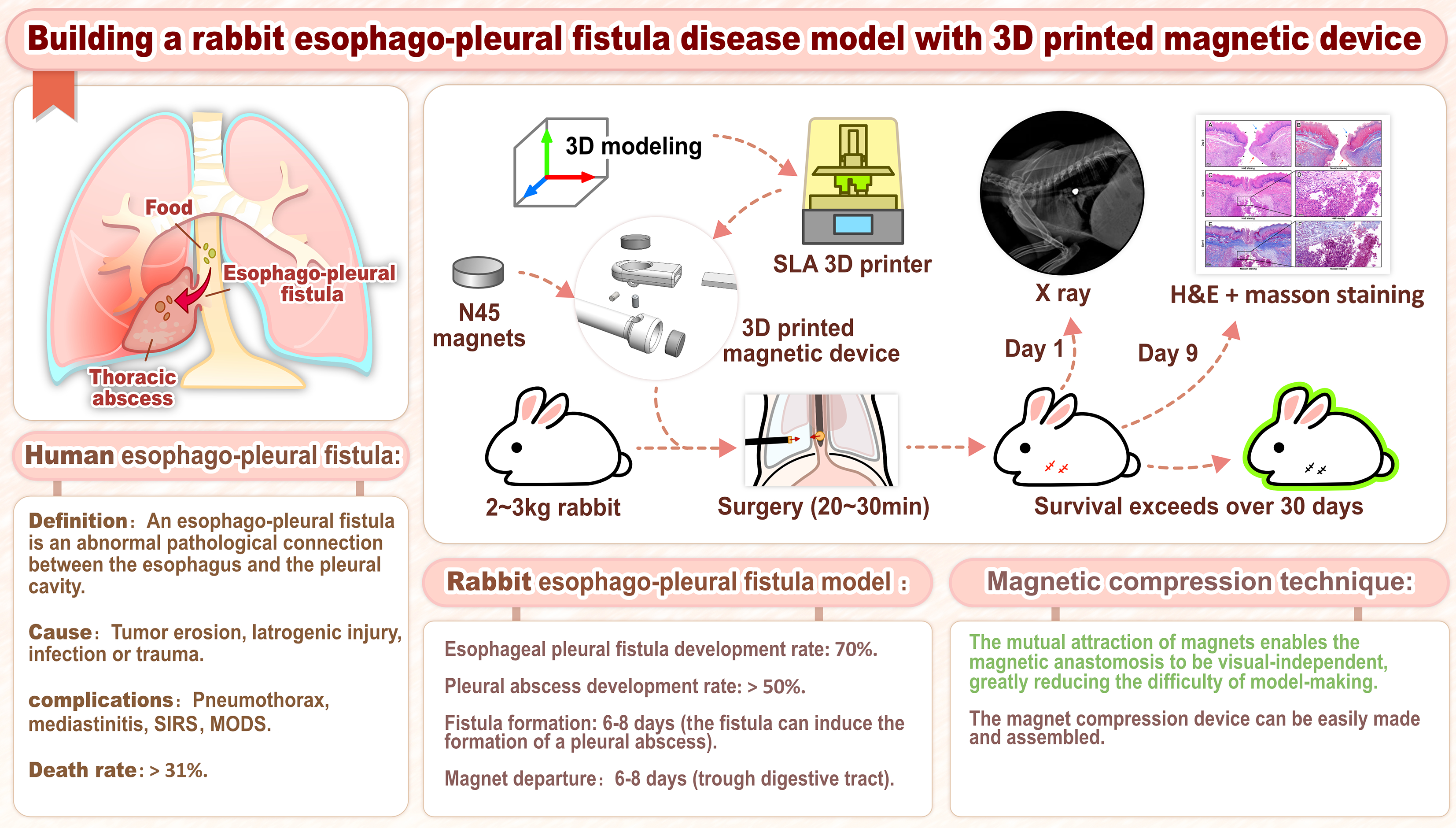
Figure 1 Graphical abstract of the study.
SIRS: Systemic inflammatory response syndrome; MODS: Multiple organ dysfunction syndrome; H&E: Hematoxylin & eosin; SLA: Sterolithography apparatus.
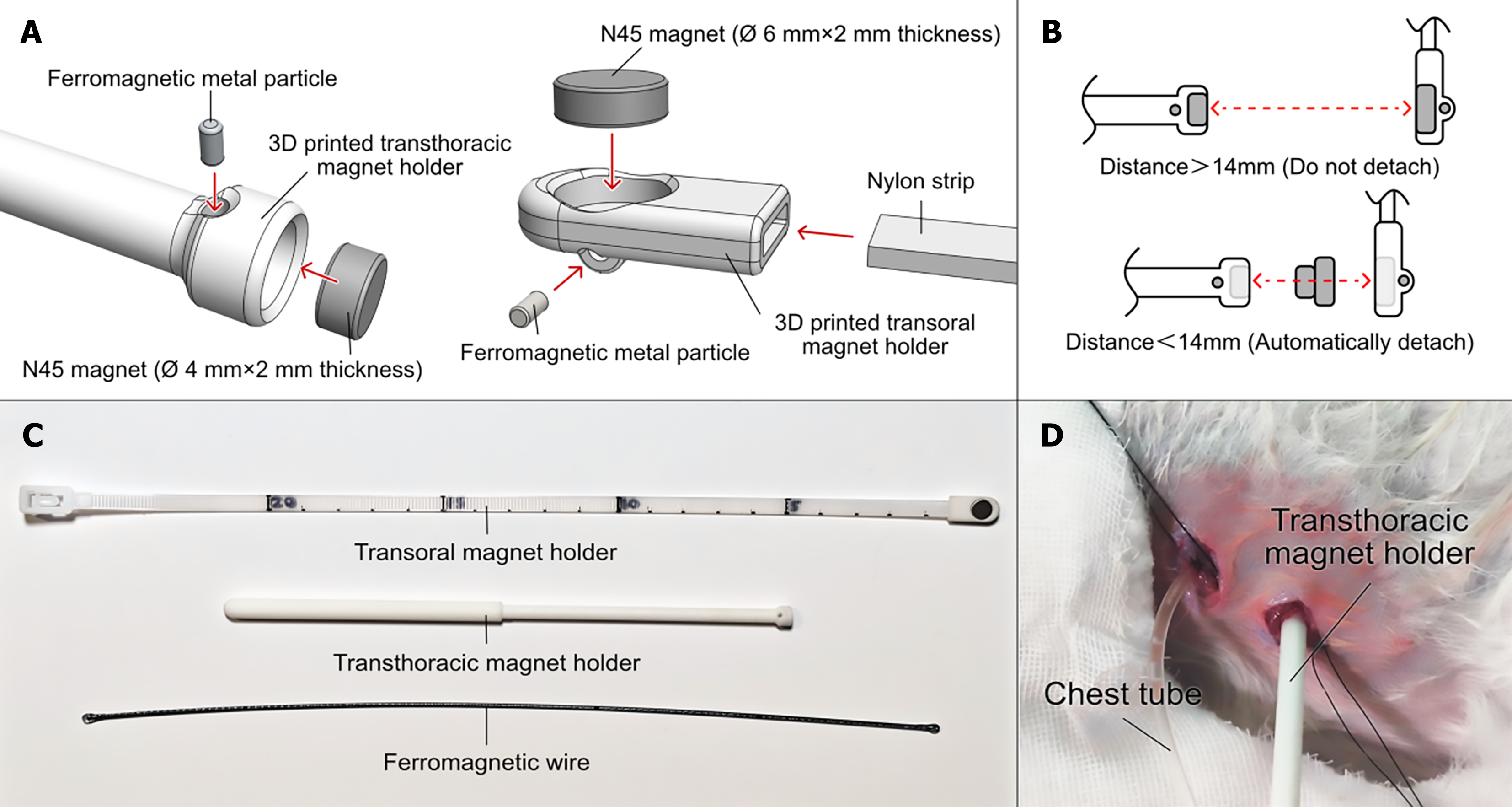
Figure 2 Magnetic compression technology-based modeling tool for esophageal pleural fistula induction in rabbits.
A: Schematic assembly of the modeling tool; B: Schematic of the magnetic release mechanism; C: Picture of the modeling tool; D: Pre-alignment setup: Transthoracic magnet holder insertion (right side, parallel to xiphoid process on the anterior axillary line) and a chest tube should be in place.
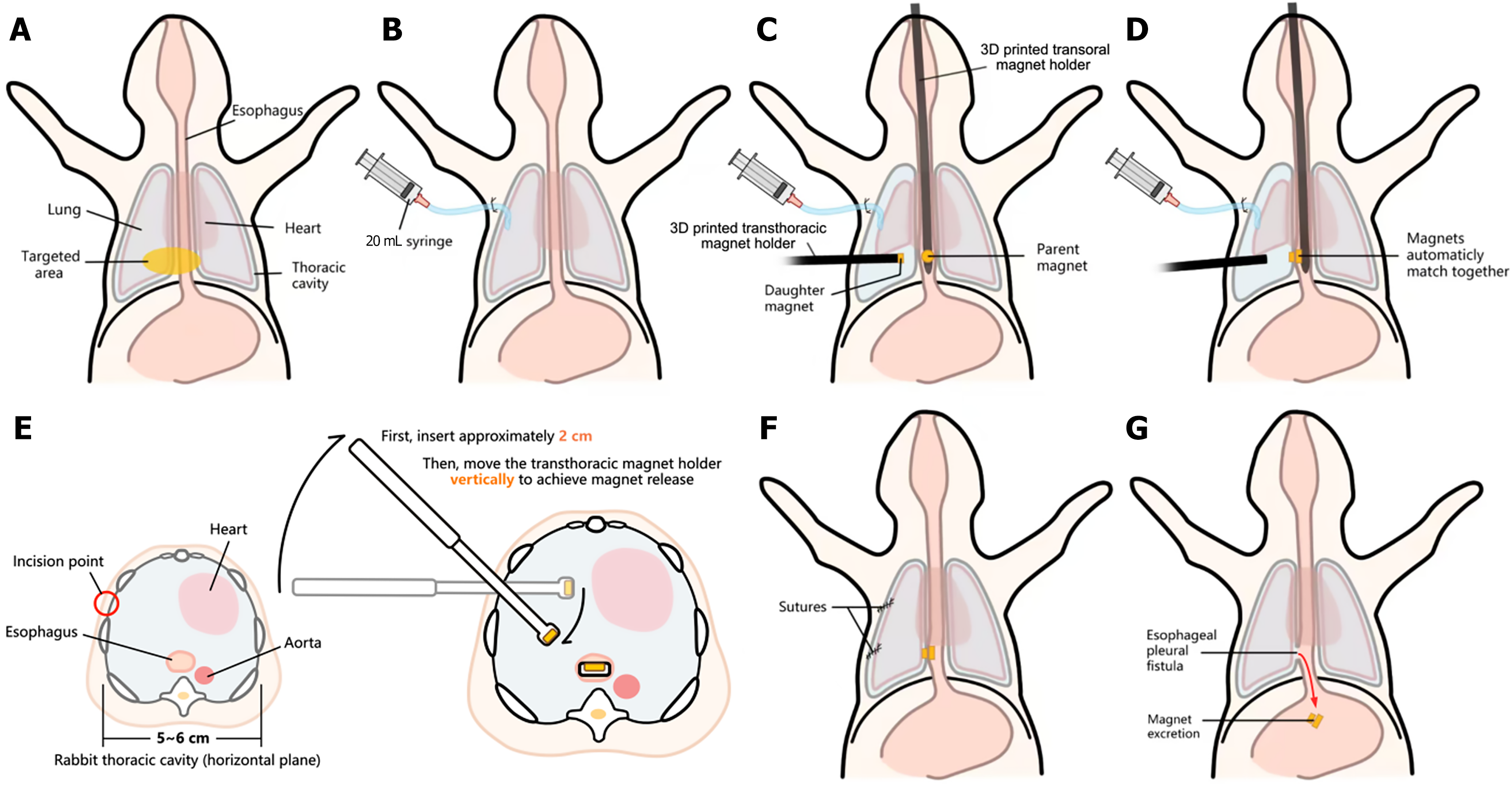
Figure 3 Schematic diagram of the esophageal pleural fistula modeling process.
A: The primary operative site (marked yellow); B: Insertion of a 20 mL syringe-connected catheter into the thoracic cavity; C: After injecting 20 mL of air to create space for operation, the transthoracic magnet holder and the transoral magnet holder were inserted; D: Magnetic force pulls the magnets together, compressing the tissue in between; E: A cross-sectional view at the xiphoid level of the thorax; F: Surgical closure after removal of both magnet holders; G: Magnets naturally fall off within 6-8 days postoperatively.
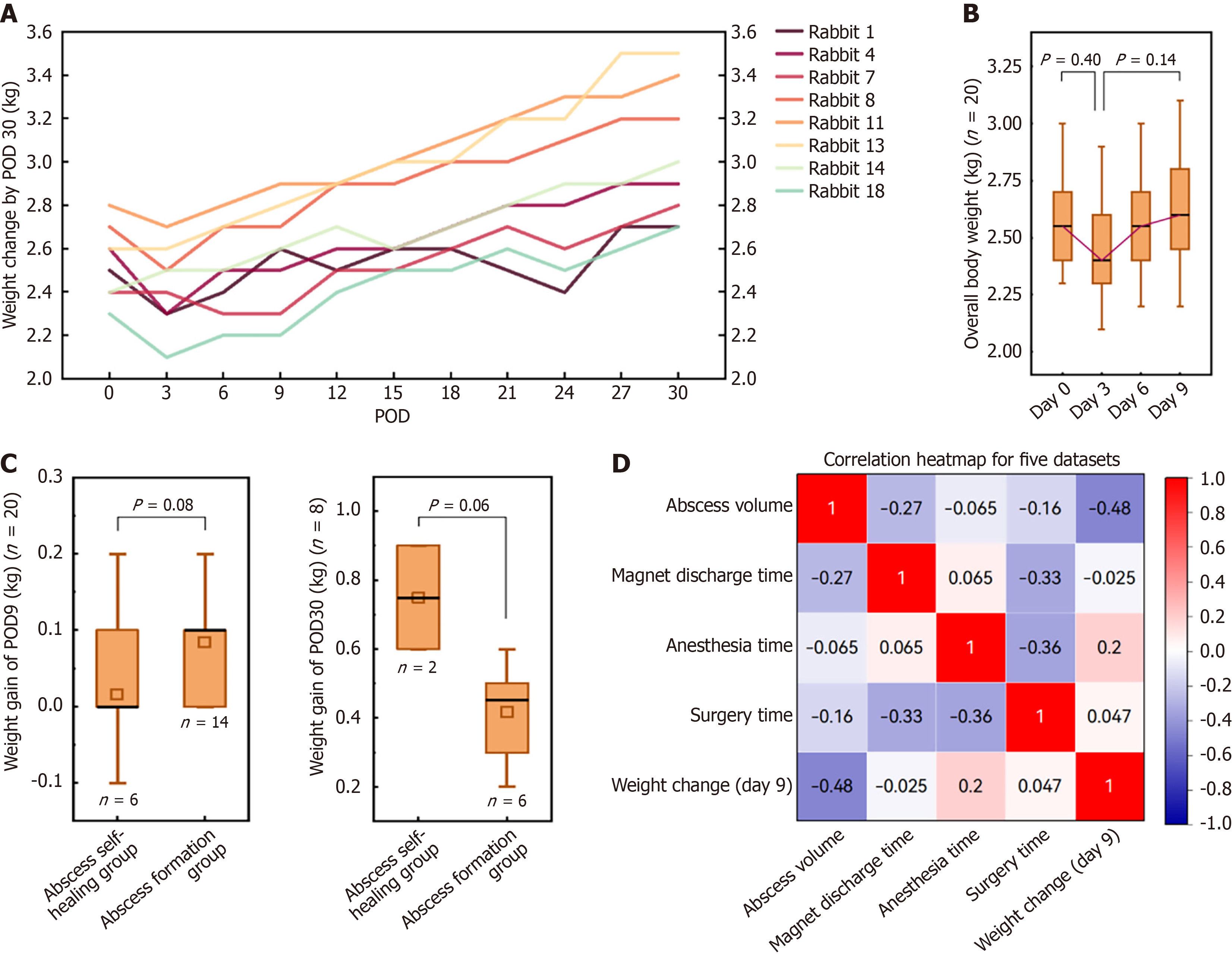
Figure 4 Results of perioperative weight changes and correlation analysis in esophageal pleural fistula modeling.
A: Body weight changes in 8 rabbits during the 30-day perioperative period; B: Body weight changes in 20 rabbits over the 9-day perioperative period; C: Changes in rabbit body weight after surgery (the body weight of postoperative day 9 minus the body weight before surgery, and the body weight of postoperative day 30 minus the body weight before surgery), the “□” represents the mean value; D: Correlation analysis among five datasets. POD: Postoperative day.
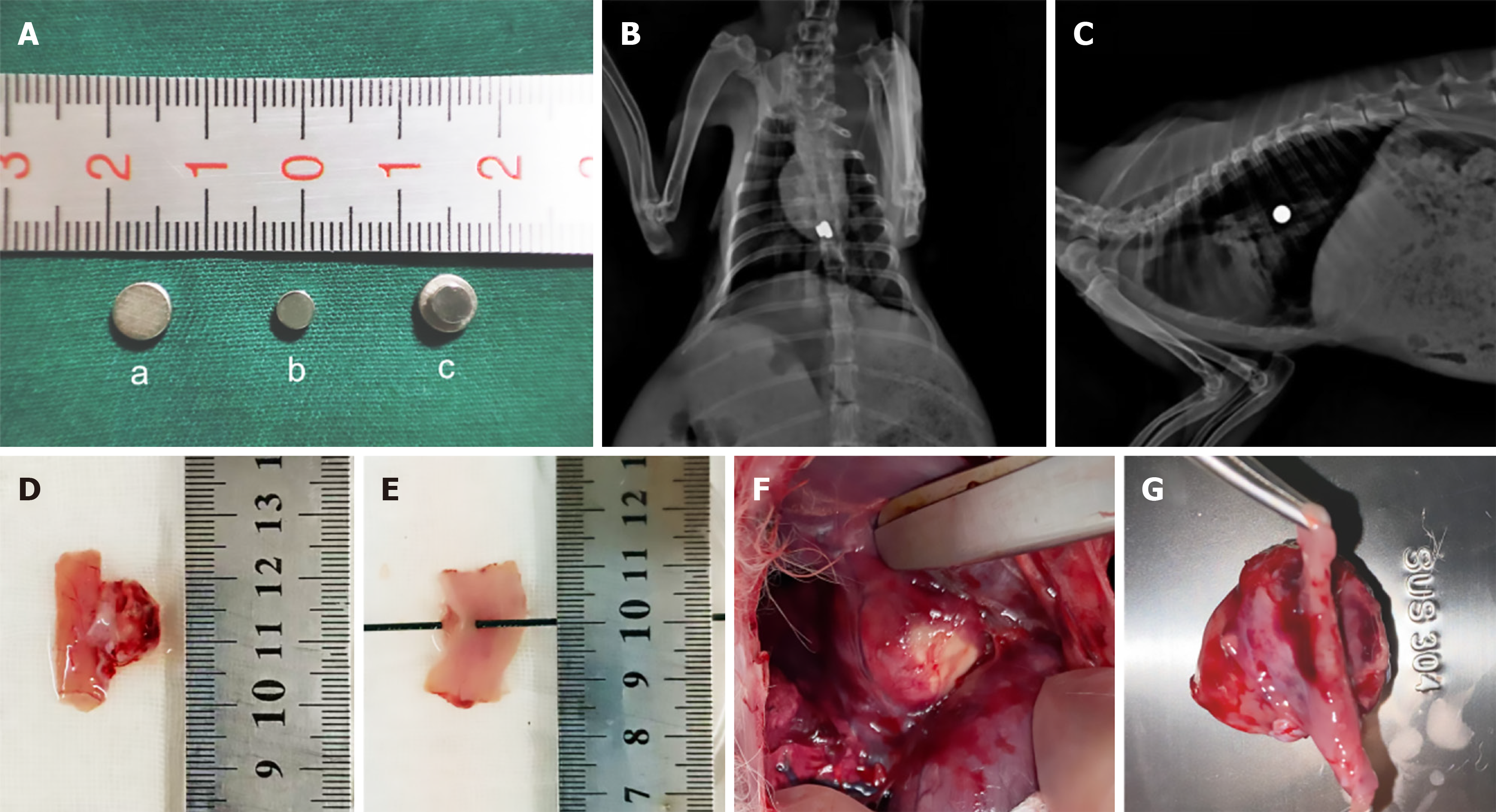
Figure 5 Magnets and gross observations.
A: Picture of the magnets, transoral magnet (Ø 6 mm × 2 mm thickness) (a), transthoracic magnet (Ø 4 mm × 2 mm thickness) (b), magnetically coupled magnets (c); B and C: X-ray day 1 post-operation; D: Gross specimen of the esophagus and the esophageal pleural fistula (EPF) abscess (day 9); E: Gross specimen of EPF (day 9) (with the EPF abscess cleared away and a metal wire passing through the fistula); F: Gross specimen of the EPF abscess in vivo (day 30); G: Gross specimen of the EPF abscess in vitro (day 30).
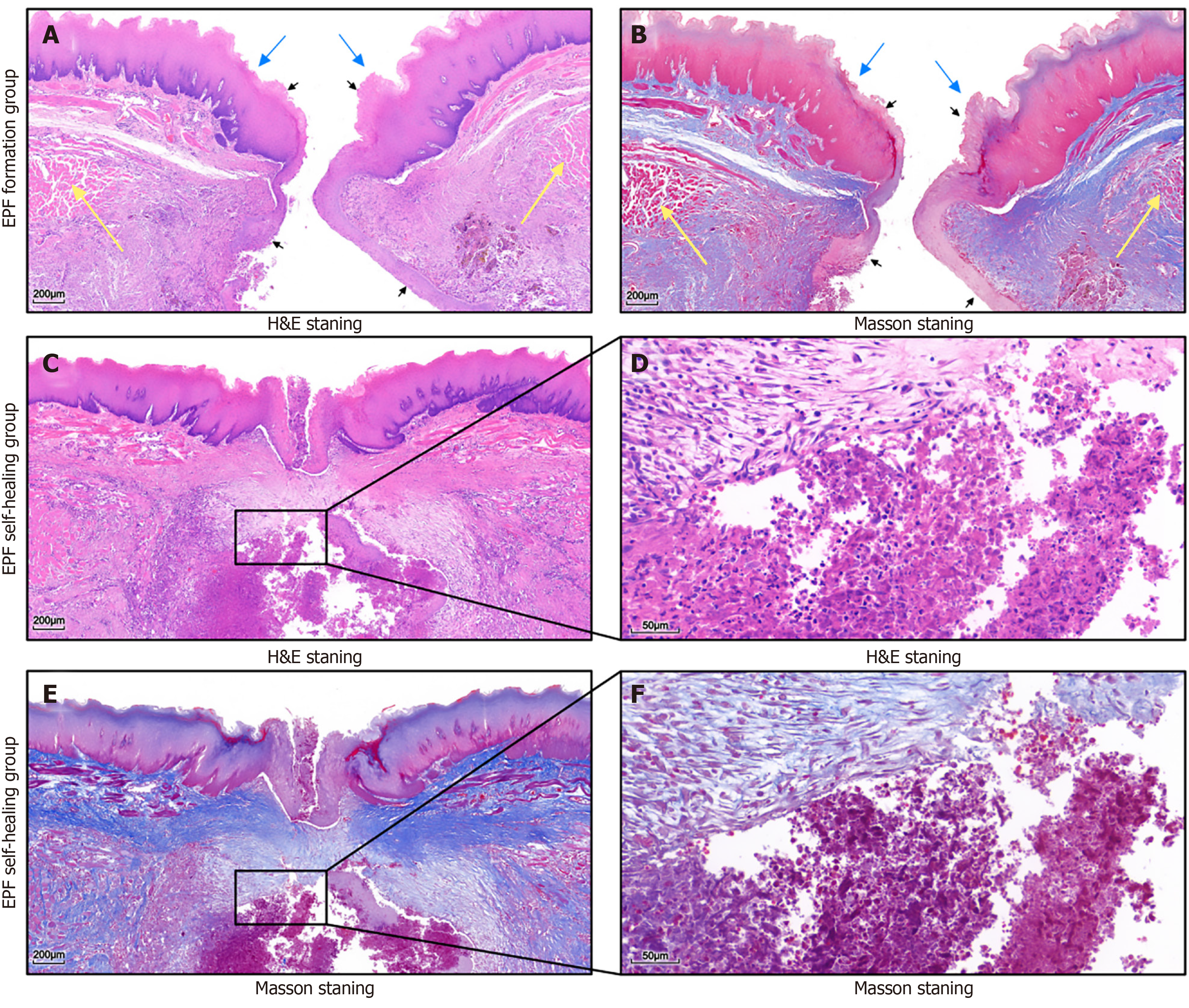
Figure 6 Histological observations.
A and B: Histological analysis shows disruption of the esophageal mucosa (blue arrow) and muscular layer (yellow arrow), with esophageal squamous epithelium extending towards the thoracic cavity (black arrow), representing the formation of esophageal pleural fistula (EPF); C-F: The EPF self-healing group shows that mucosal restitution is the primary reparative event; the abscess cavity contains abundant necrotic debris and infiltrating inflammatory cells, surrounded by newly synthesized fibrous tissue that initiates the encapsulation of the abscess. H&E: Hematoxylin & eosin; EPF: Esophageal pleural fistula.
- Citation: He Q, Chen XY, Xiang Q, Huang CH, Wu ZW. Establishing an esophago-pleural fistula disease model in rabbits with a magnetic compression technique. World J Gastroenterol 2026; 32(9): 114302
- URL: https://www.wjgnet.com/1007-9327/full/v32/i9/114302.htm
- DOI: https://dx.doi.org/10.3748/wjg.v32.i9.114302