
















©The Author(s) 2026.
World J Gastroenterol. Feb 28, 2026; 32(8): 113861
Published online Feb 28, 2026. doi: 10.3748/wjg.v32.i8.113861
Published online Feb 28, 2026. doi: 10.3748/wjg.v32.i8.113861
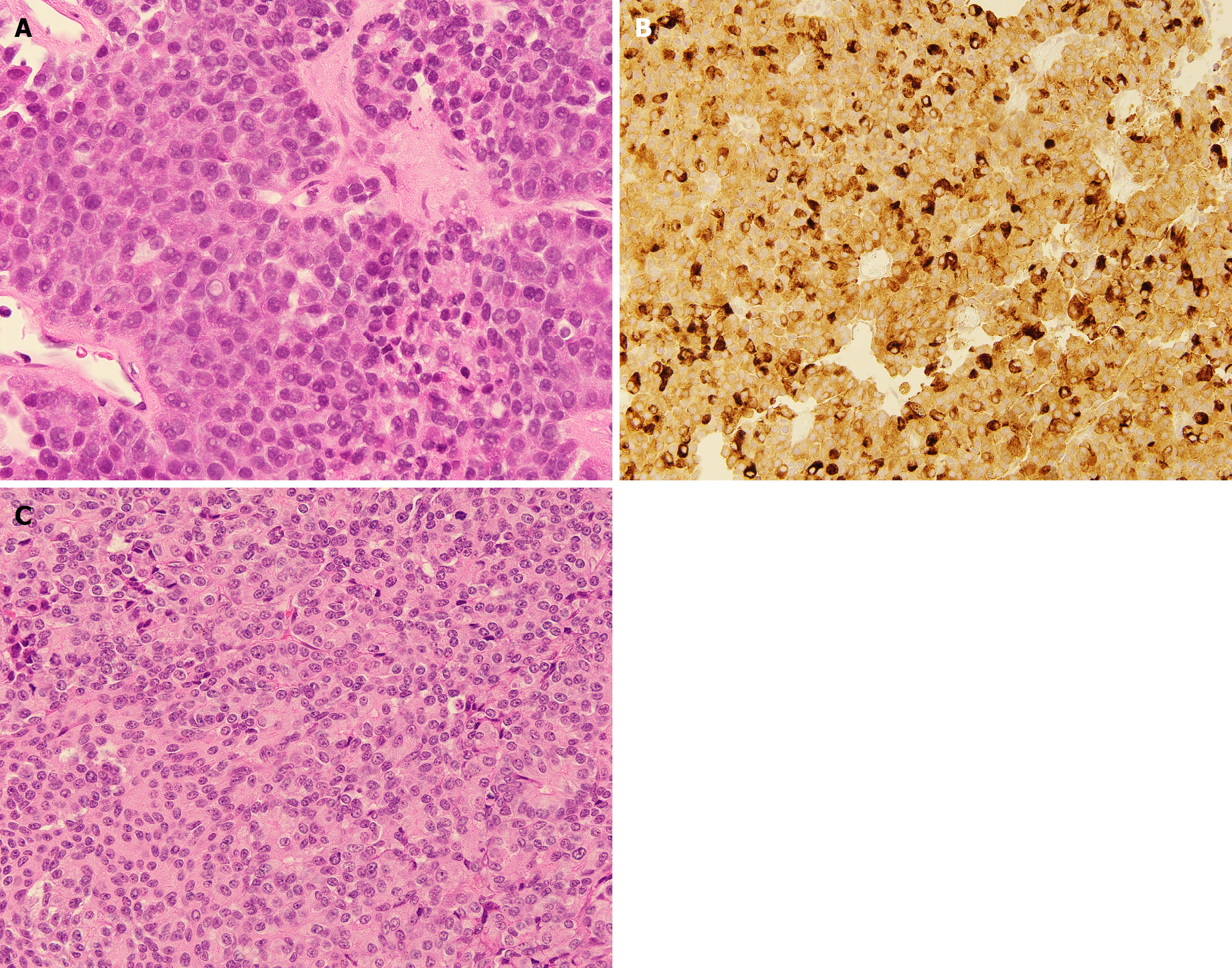
Figure 1 Representative histopathology and immunohistochemical staining of pancreatic acinar cell carcinoma and pancreatoblastoma.
A: Pancreatic acinar cell carcinoma (PACC) patient, hematoxylin and eosin 40 ×: The tumor is composed of sheet-like epithelioid cells, some of them forming acinar structures; B: PACC patient immunohistochemistry 20 ×: The tumor demonstrates cytoplasmic positivity of trypsin. A diagnostic feature of PACC; C: Pancreatoblastoma patient, hematoxylin and eosin 40 ×: Tumor consists of epithelioid cells, some of which form acinar structures with a central lumen.
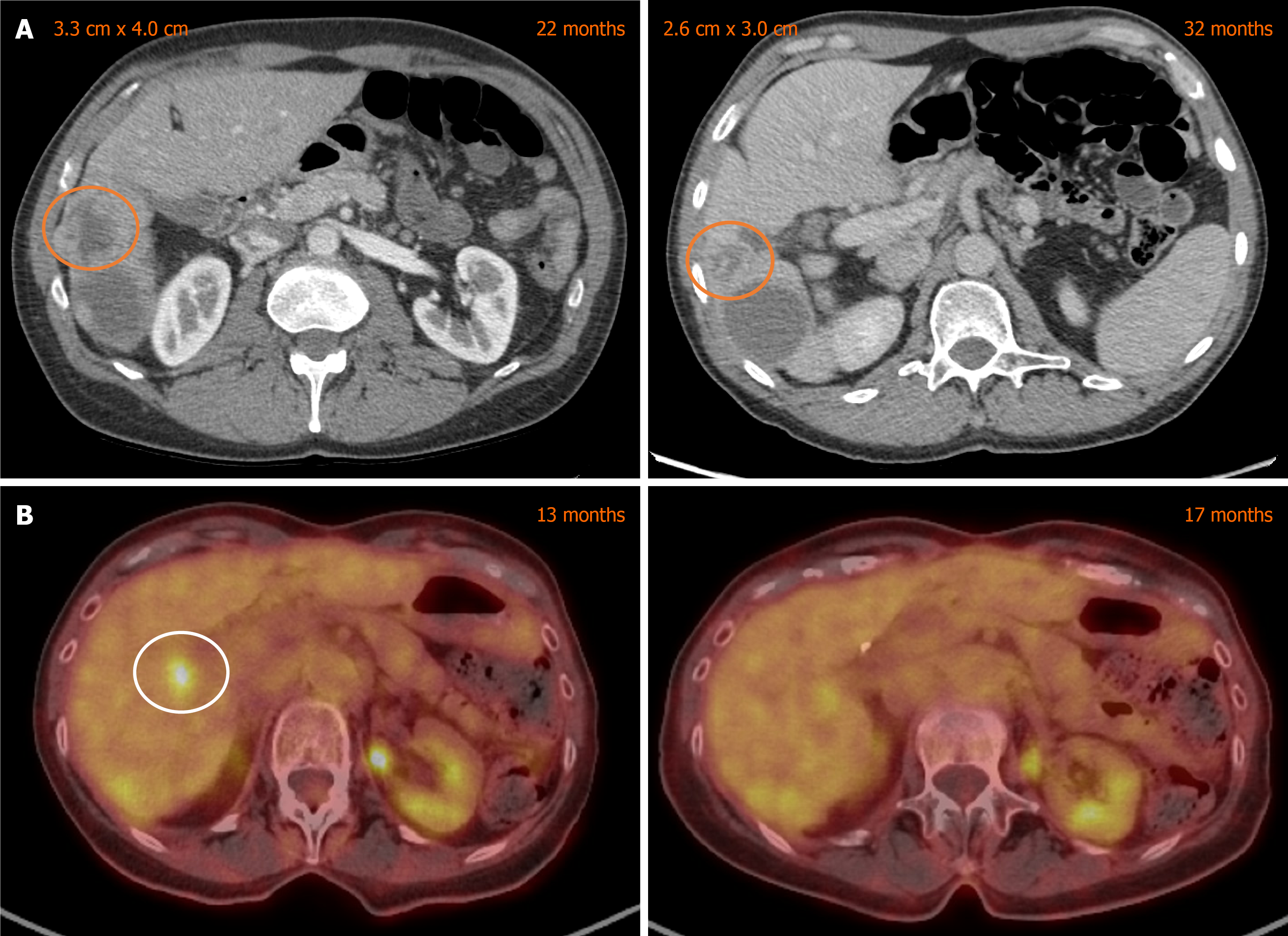
Figure 2 Interval imaging demonstrating activity of yttrium-90 radioembolization.
A: Patient with pancreatic acinar cell carcinoma. Yttrium-90 (Y-90) treatment was performed at 23 months post-diagnosis due to increasing size of some liver metastases. Serial computed tomography scans obtained prior to this treatment (22 months, left) and 9 months after the treatment (32 months, right) demonstrated a decrease in size of right liver lobe lesions, including the tumor outlined by the orange circle. Following this Y-90 procedure, the patient experienced a treatment-free interval of almost 12 months; B: Patient with pancreatoblastoma. Y-90 treatment was performed at 14 months post-resection of pancreatic primary due to the appearance of a new fluorodeoxyglucose-avid liver metastasis (white circle). Serial positron emission tomography/computed tomography scans obtained prior to this treatment (13 months, left) and 3 months after the treatment (17 months, right) demonstrated resolution of fluorodeoxyglucose activity. Y-90 administration resulted in a subsequent treatment-free interval of 5 months.
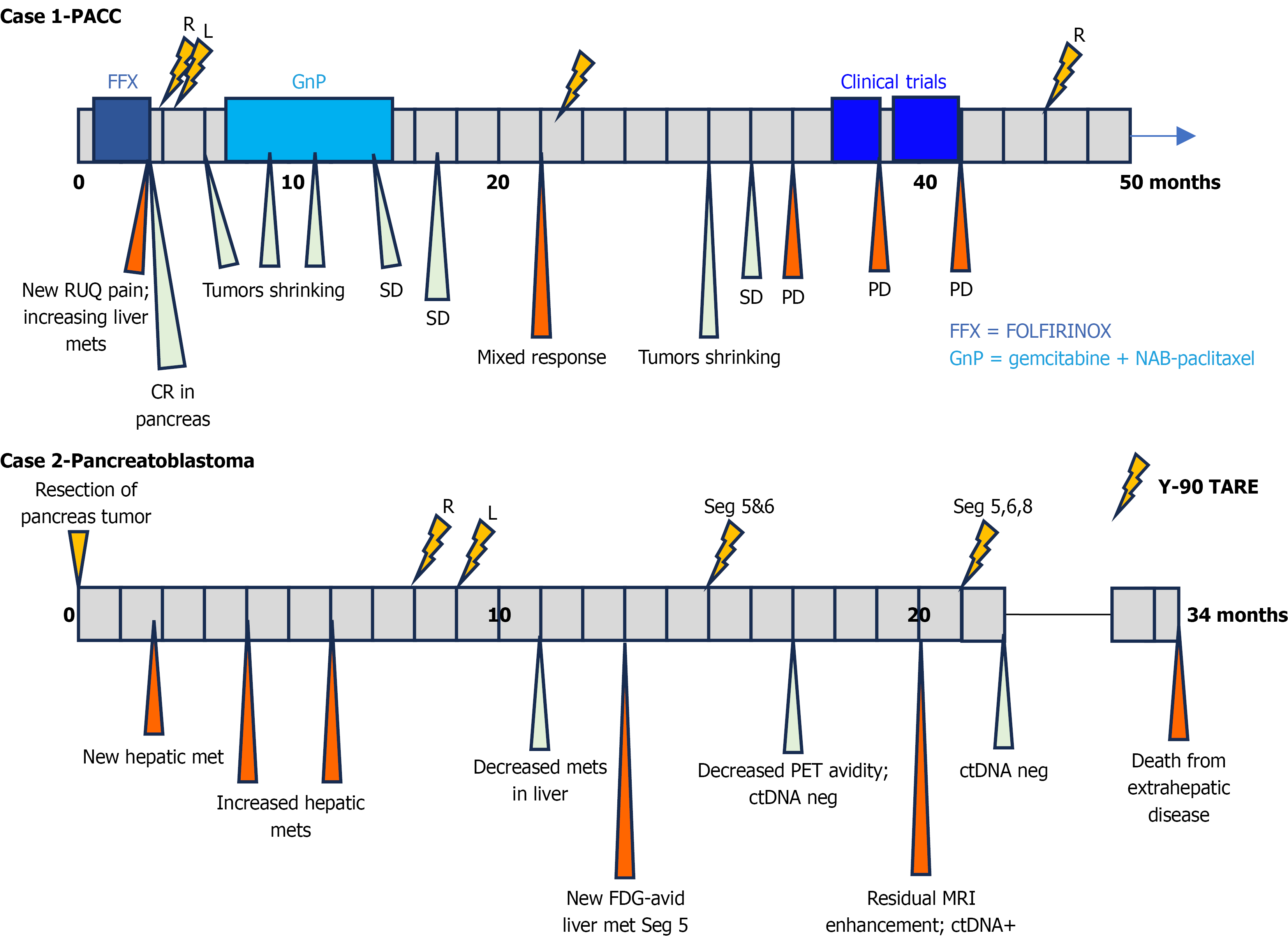
Figure 3 Clinical course, timeline of events.
Local interventions such as yttrium-90 (Y-90) transarterial radioembolization are shown above the time bar. Liver area treated by Y-90 (if known) is indicated near each lightning bolt marking this intervention (R = right lobe, L = left lobe, Seg = segment). Both patients had no visible disease outside of liver when treated with Y-90 transarterial radioembolization. Results of clinical/ radiologic assessments are shown below the bar (green markers indicate favorable responses, while orange markers indicate unfavorable responses). Systemic therapies are marked by blue rectangles along the time bar that indicate duration of therapy. RUQ: Right upper quadrant; CR: Complete response; SD: Stable disease; PD: Progressing disease; met: Metastasis; FDG: Fluorodeoxyglucose; PET: Positron emission tomography; ctDNA: Circulating tumor DNA; Y-90: Yttrium-90; PACC: Pancreatic acinar cell carcinoma.
- Citation: Skorupan N, Sperling D, Nutting C, Miettinen M, Cohn A, Alewine C. Use of yttrium-90 radioembolization to control liver metastases in pancreatic acinar cell carcinoma and pancreatoblastoma: Two case reports. World J Gastroenterol 2026; 32(8): 113861
- URL: https://www.wjgnet.com/1007-9327/full/v32/i8/113861.htm
- DOI: https://dx.doi.org/10.3748/wjg.v32.i8.113861