
















Copyright: ©Author(s) 2026.
World J Gastroenterol. Dec 28, 2026; 32(48): 122776
Published online Dec 28, 2026. doi: 10.3748/wjg.122776
Published online Dec 28, 2026. doi: 10.3748/wjg.122776
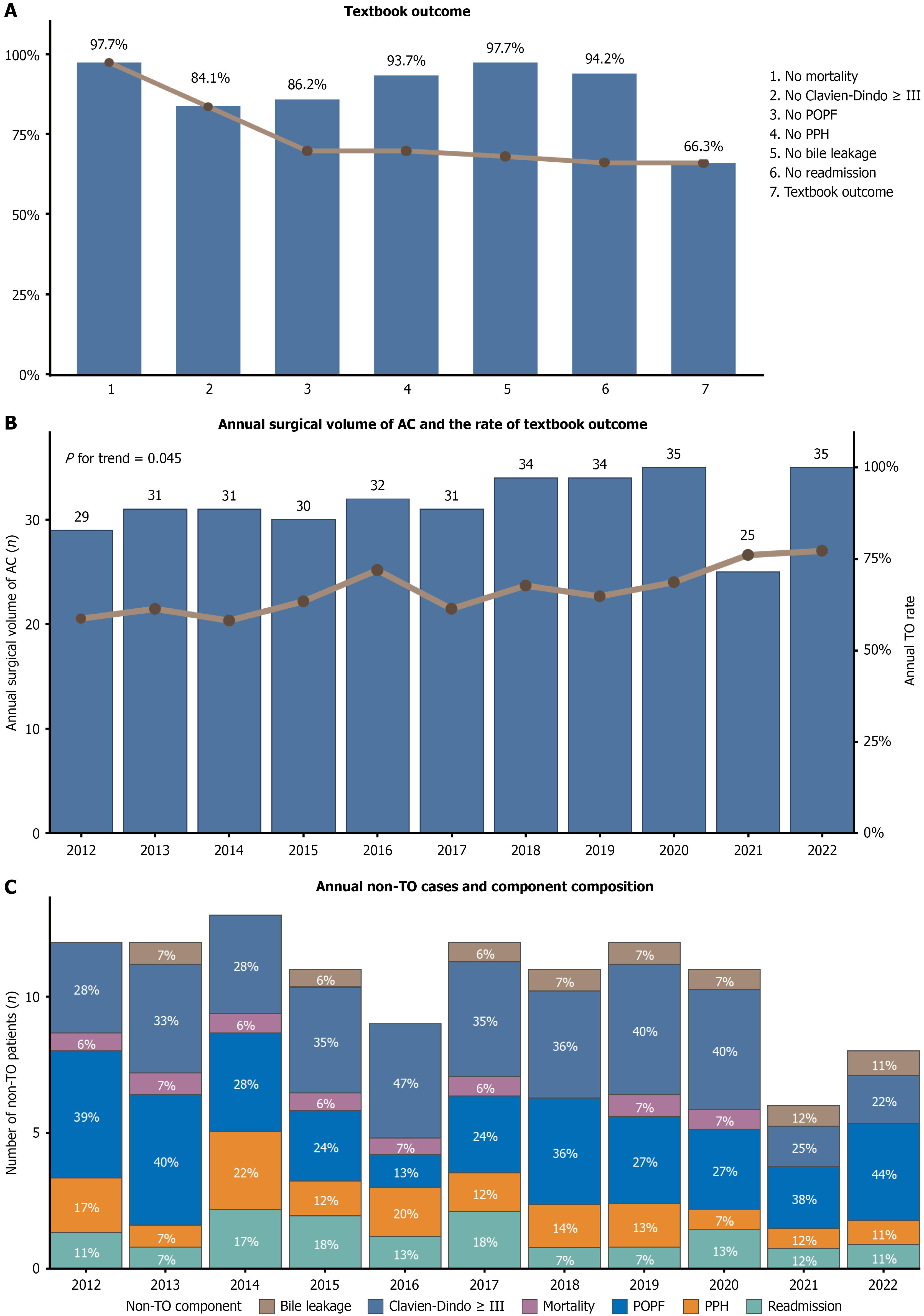
Figure 1 Textbook outcome achievement after pancreaticoduodenectomy for ampullary cancer and annual trends during the study period.
A: Achievement rates of individual textbook outcome components and the overall textbook outcome rate after pancreaticoduodenectomy; B: Annual surgical volume of patients with ampullary cancer undergoing pancreaticoduodenectomy and annual textbook outcome rates from 2012 to 2022; C: Annual number of patients who failed to achieve textbook outcome and the distribution of non-textbook outcome events from 2012 to 2022. POPF: Postoperative pancreatic fistula; PPH: Postpancreatectomy hemorrhage; AC: Ampullary cancer; TO: Textbook outcome.
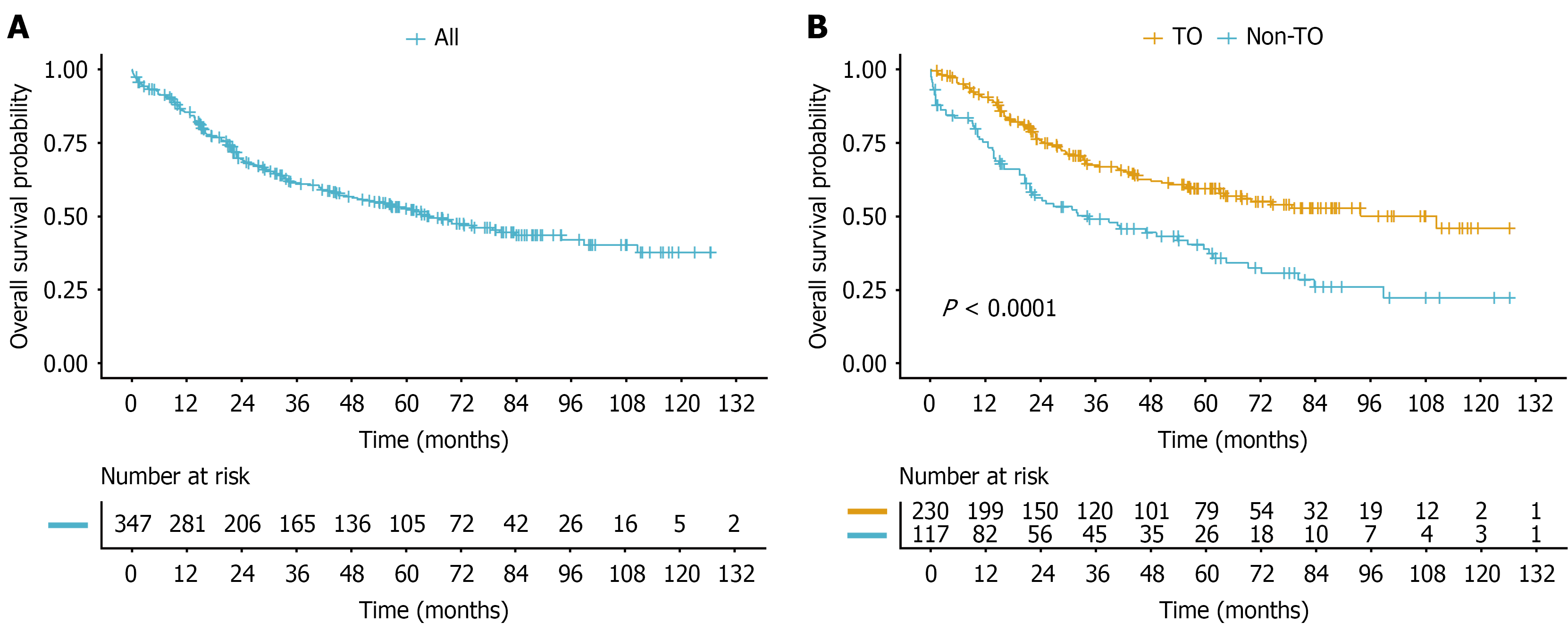
Figure 2 Kaplan-Meier curves for overall survival after pancreaticoduodenectomy in patients with ampullary cancer.
A: Overall survival curve for the entire cohort of patients with ampullary cancer (n = 347); B: Overall survival curves stratified by textbook outcome achievement. Survival differences between groups were compared using the log-rank test. The numbers at risk are shown below the plots. TO: Textbook outcome.
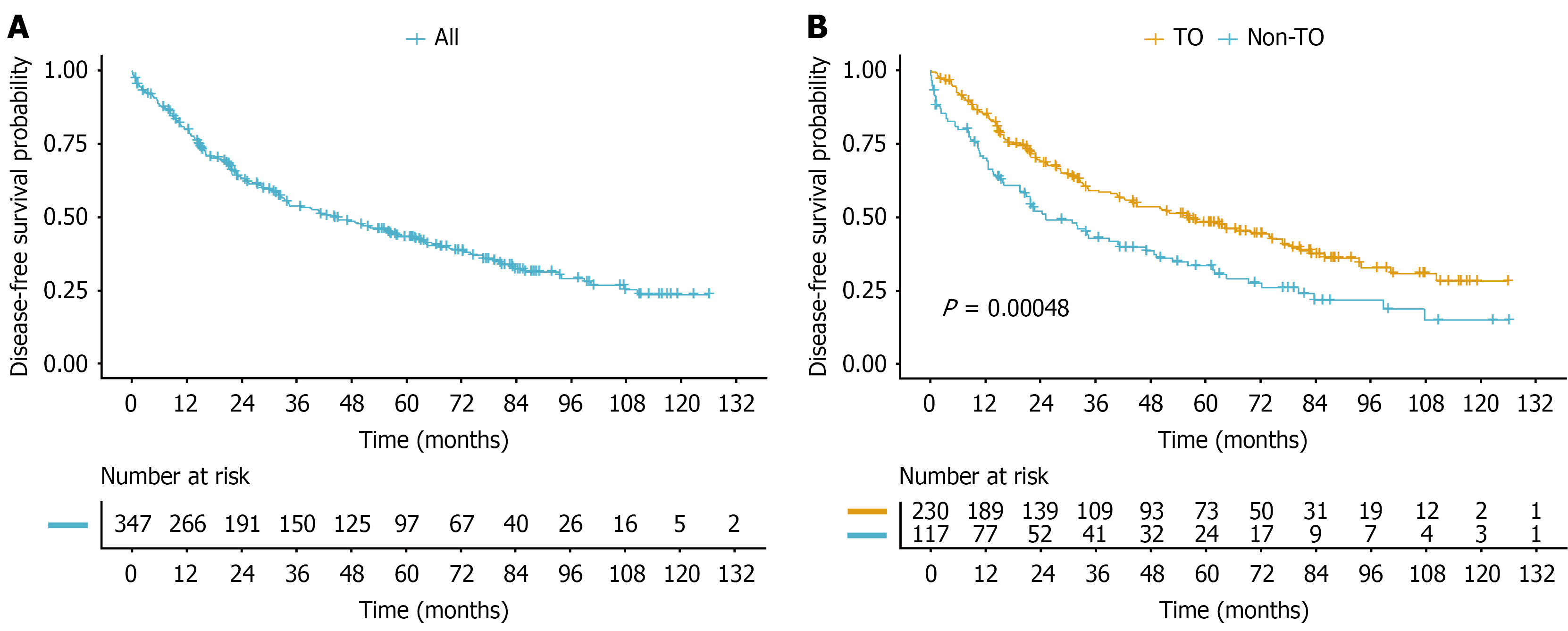
Figure 3 Kaplan–Meier curves for disease-free survival after pancreaticoduodenectomy in patients with ampullary cancer.
A: Disease-free survival curve for the entire cohort of patients with ampullary cancer (n = 347); B: Disease-free survival curves stratified by textbook outcome achievement. Survival differences between groups were compared using the log-rank test. The numbers at risk are shown below the plots. TO: Textbook outcome.
- Citation: Guo XY, Zhang JZ, Guo T, Huang XR, Zhu DS, Zhang Z, Zheng H, Yu YH, Zhang ZW. Textbook outcome as a predictor of long-term prognosis in ampullary cancer: A retrospective cohort study. World J Gastroenterol 2026; 32(48): 122776
- URL: https://www.wjgnet.com/1007-9327/full/v32/i48/122776.htm
- DOI: https://dx.doi.org/10.3748/wjg.122776