
















Copyright: ©Author(s) 2026.
World J Gastroenterol. Nov 21, 2026; 32(43): 121310
Published online Nov 21, 2026. doi: 10.3748/wjg.121310
Published online Nov 21, 2026. doi: 10.3748/wjg.121310
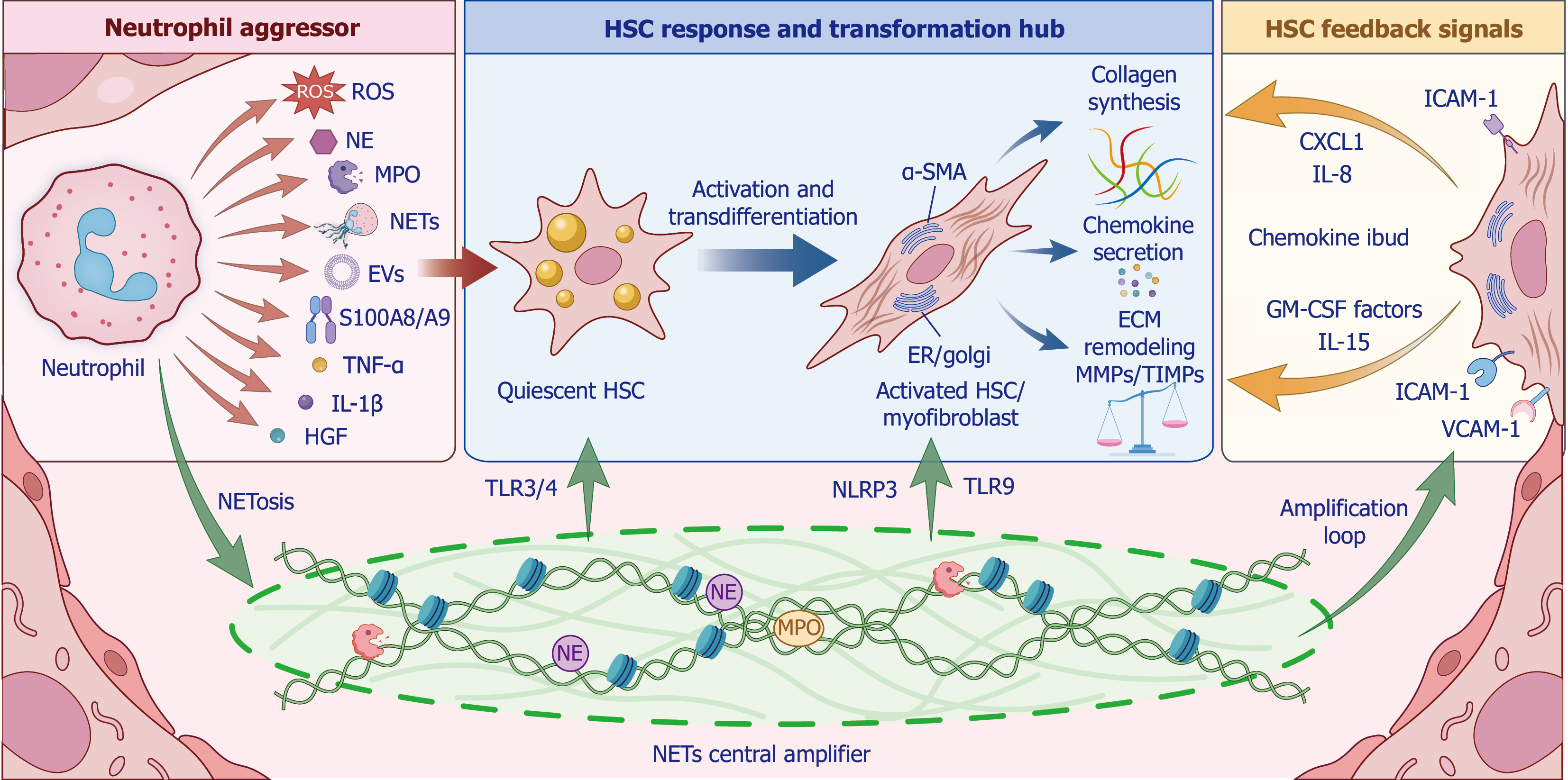
Figure 1 Central amplifier of fibrosis via neutrophil-hepatic stellate cells crosstalk.
Neutrophils mediators (neutrophil extracellular traps, extracellular vesicles, S100A8/A9, cytokines) activate hepatic stellate cells (HSCs), driving extracellular matrix production and chemokine release. Activated HSCs, promote neutrophil recruitment and activation, forming a self-sustaining positive-feedback loop. ROS: Reactive oxygen species; NE: Neutrophils elastase; MPO: Myeloperoxidase; NET: Neutrophils extracellular trap; EVs: Extracellular vesicles; TNF-α: Tumor necrosis factor-α; IL: Interleukin; HGF: Hepatocyte growth factor; TLR: Toll-like receptors; HSC: Hepatic stellate cell; ECM: Extracellular matrix; NLRP3: NOD-like receptor family pyrin domain containing 3.
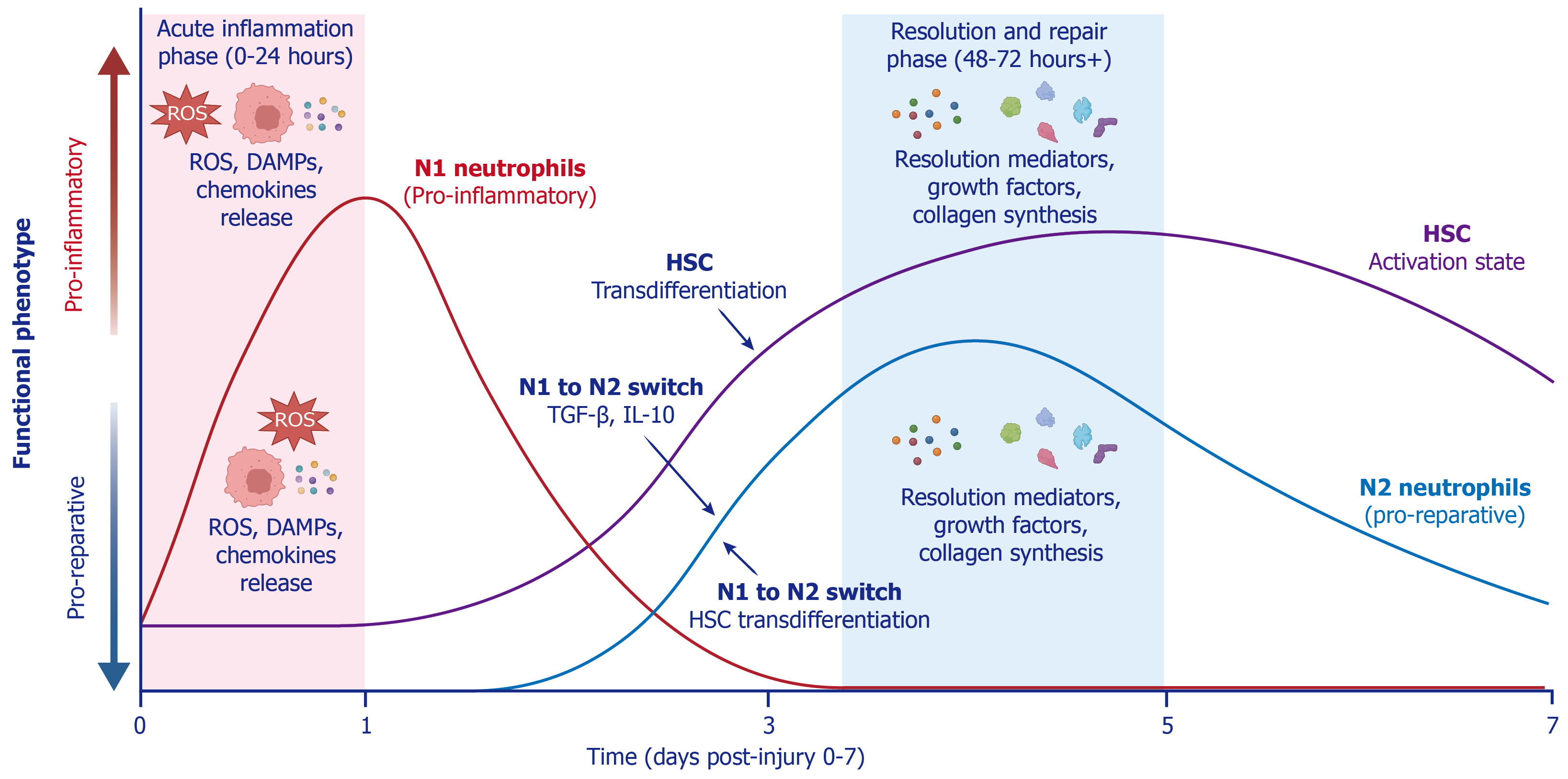
Figure 2 Time-stratified neutrophil polarization and hepatic stellate cells activation after liver injury.
Neutrophils shift from N1 (0-24 hours; pro-inflammatory) to N2 (48-72 hours; reparative). Hepatic stellate cells activate during this transition and peak in repair, driving extracellular matrix remodeling and collagen synthesis; persistent activation may sustain fibrosis. ROS: Reactive oxygen species; HSC: Hepatic stellate cell; IL: Interleukin; TGF-β: Transforming growth factor-β; DAMPs: Damage-associated molecular patterns.
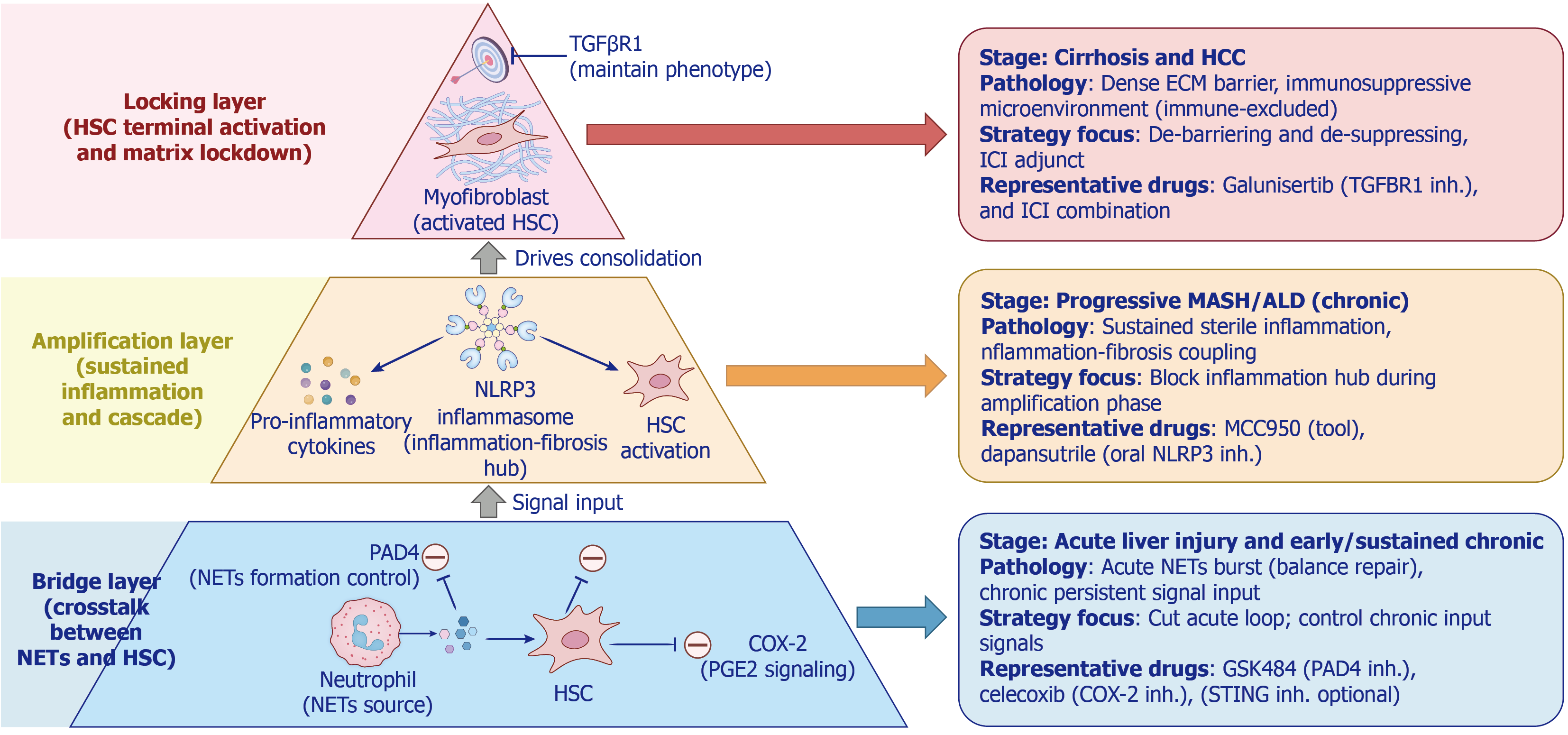
Figure 3 Hierarchical framework of stage-specific therapeutic strategies for liver disease progression.
Fibrosis progression is organized into bridging, amplification, and locking layers, targeting neutrophil extracellular traps-hepatic stellate cells crosstalk, NOD-like receptor family pyrin domain containing 3 signaling, and transforming growth factor-βR1-driven extracellular matrix/immune exclusion, respectively, enabling stage-specific disruption of inflammation-fibrosis coupling. HSC: Hepatic stellate cell; IL: Interleukin; NET: Neutrophils extracellular trap; TGFβR1: Transforming growth factor-β receptor 1; NLRP3: NOD-like receptor family pyrin domain containing 3; PAD4: Peptidylarginine deiminase 4; PGE2: Prostaglandin E2; COX-2: Cyclooxygenase-2; HCC: Hepatocellular carcinoma; ECM: Extracellular matrix; ICI: Immune checkpoint inhibitor; MASH: Metabolic dysfunction-associated steatohepatitis; ALD: Alcohol-related liver disease.
- Citation: Lian YJ, Li MY, Wang L, Gao YW, Zhu D, Lyu WL. Crosstalk between neutrophils and hepatic stellate cells in liver injury and repair: Mechanisms and implications. World J Gastroenterol 2026; 32(43): 121310
- URL: https://www.wjgnet.com/1007-9327/full/v32/i43/121310.htm
- DOI: https://dx.doi.org/10.3748/wjg.121310