
















Copyright: ©Author(s) 2026.
World J Gastroenterol. Jul 21, 2026; 32(27): 120135
Published online Jul 21, 2026. doi: 10.3748/wjg.120135
Published online Jul 21, 2026. doi: 10.3748/wjg.120135
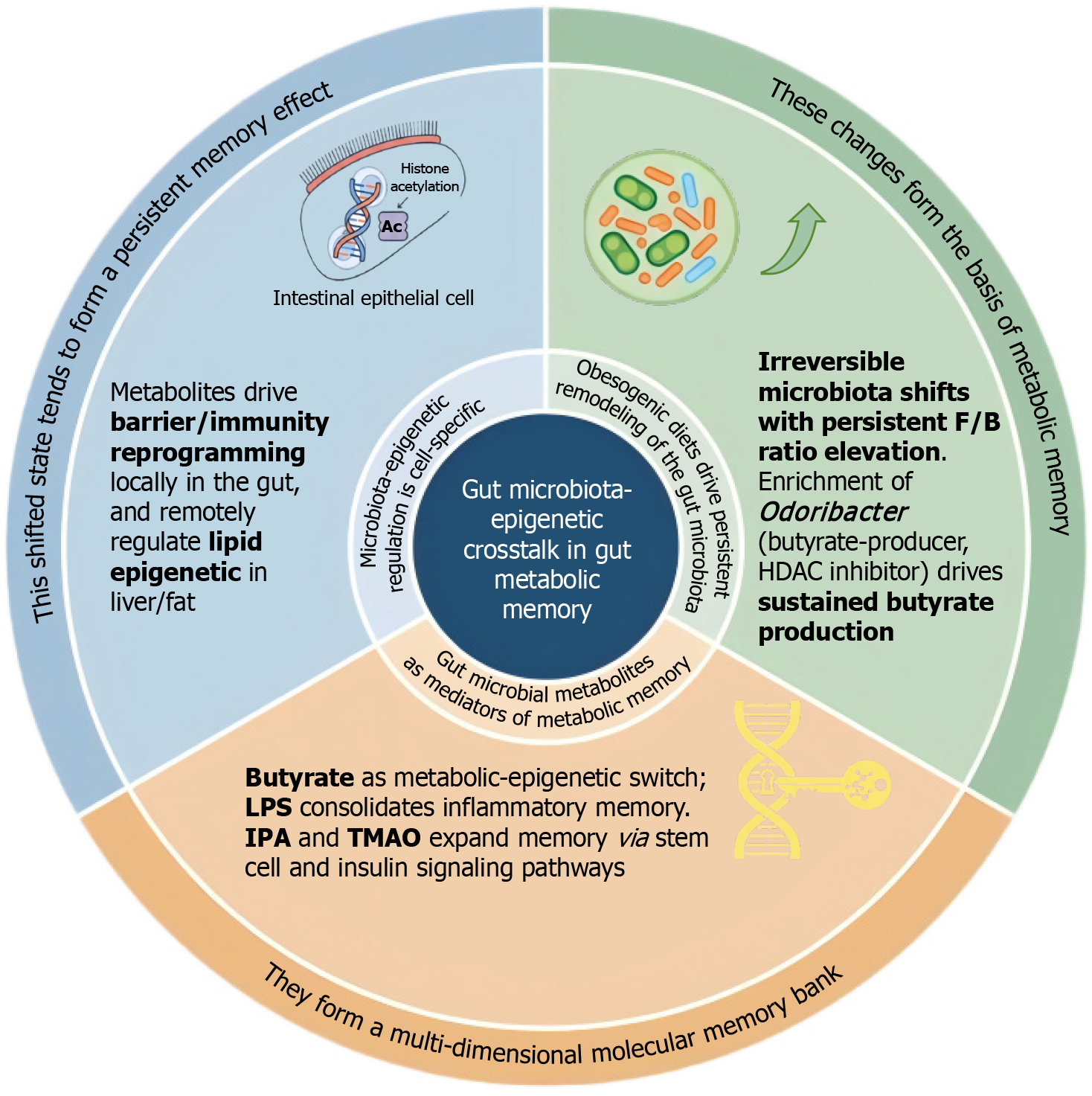
Figure 1 A mechanistic model of gut metabolic memory and its role in obesity.
This schematic illustrates the integrated mechanisms of gut metabolic memory that drive obesity pathogenesis. The model is constructed as three concentric circles representing mechanistic hierarchy. The central core states the overarching concept, surrounded by three 120° sectors detailing: (1) Persistent remodeling of the gut microbiota, driven by obesogenic diets, which induces irreversible shifts characterized by an elevated Firmicutes/Bacteroidetes ratio and enrichment of specific taxa such as Odoribacter (a butyrate-producer with histone deacetylase inhibitor activity), establishing a dysbiotic foundation; (2) Gut microbial metabolites as key mediators, where butyrate acts as a metabolic-epigenetic switch, lipopolysaccharide consolidates inflammatory memory, and indole-3-propionic acid and trimethylamine N-oxide expand memory persistence by regulating stem cell epigenetics and insulin signaling, respectively, forming a multi-dimensional molecular memory bank; and (3) Cell-type-specific epigenetic regulation, wherein microbial metabolites locally drive barrier reprogramming and inflammatory shifts in intestinal epithelial and immune cells, and remotely regulate lipid metabolism gene epigenetics in hepatocytes and adipocytes. These spatially defined, persistent epigenetic alterations collectively sustain the metabolic memory state. Created in BioRender (Supplementary material). F/B: Firmicutes/Bacteroidetes; LPS: Lipopolysaccharide; IPA: Indole-3-propionic acid; TMAO: Trimethylamine N-oxide.
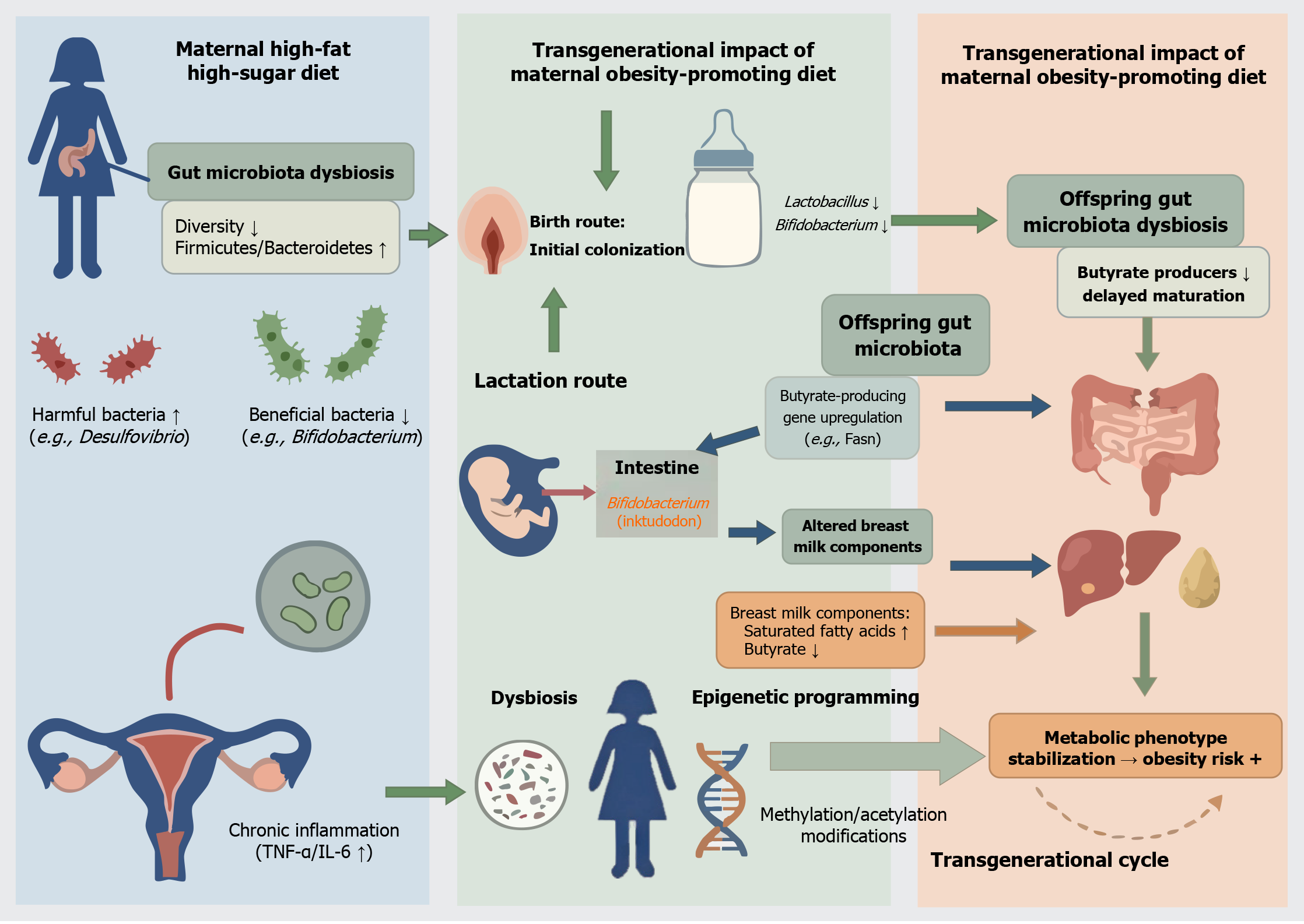
Figure 2 Intergenerational impact pathways of maternal obesogenic diets.
This schematic illustrates the key mechanisms through which maternal high-fat high-sugar diets exert intergenerational effects on offspring metabolic health. Maternal diet-induced gut microbiota dysbiosis, characterized by reduced microbial diversity, elevated Firmicutes/Bacteroidetes ratio, and decreased beneficial taxa such as Bifidobacterium and Lactobacillus, is vertically transmitted to offspring via birth and breastfeeding. Altered breast milk composition, including increased saturated fatty acids and reduced butyrate, further disrupts offspring gut microbiota maturation and function. Concurrently, maternal chronic inflammation and epigenetic modifications (e.g., DNA methylation and histone acetylation) contribute to impaired intestinal barrier function and metabolic dysregulation in offspring, perpetuating a transgenerational cycle of obesity risk. Created in BioRender (Supplementary material). TNF: Tumor necrosis factor; IL: Interleukin; Fasn: Fatty acid synthase.
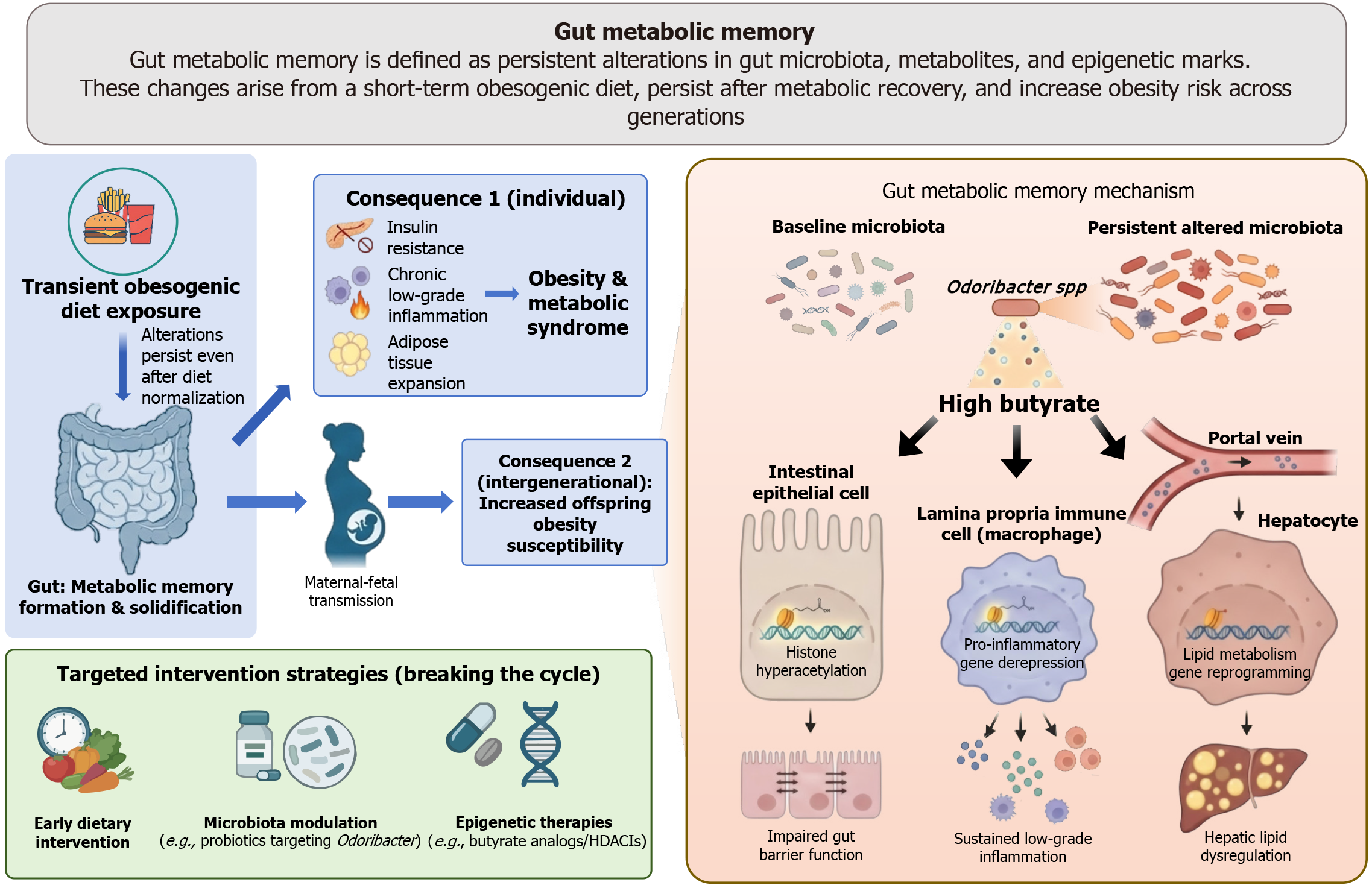
Figure 3 Gut metabolic memory.
Created in BioRender (Supplementary material). HDACIs: Histone deacetylase inhibitors.
- Citation: Liu Y, Wang YJ, Wang SY, Xie CY, Zhou M, Zhao EH, Shen XY, Pan JY, Xu B, Xu TC. Metabolic memory in the gut: The microbiota-epigenetic crosstalk orchestrating obesity onset and novel therapeutic landscapes. World J Gastroenterol 2026; 32(27): 120135
- URL: https://www.wjgnet.com/1007-9327/full/v32/i27/120135.htm
- DOI: https://dx.doi.org/10.3748/wjg.120135