
















Copyright: ©Author(s) 2026.
World J Gastroenterol. Jul 21, 2026; 32(27): 119490
Published online Jul 21, 2026. doi: 10.3748/wjg.119490
Published online Jul 21, 2026. doi: 10.3748/wjg.119490
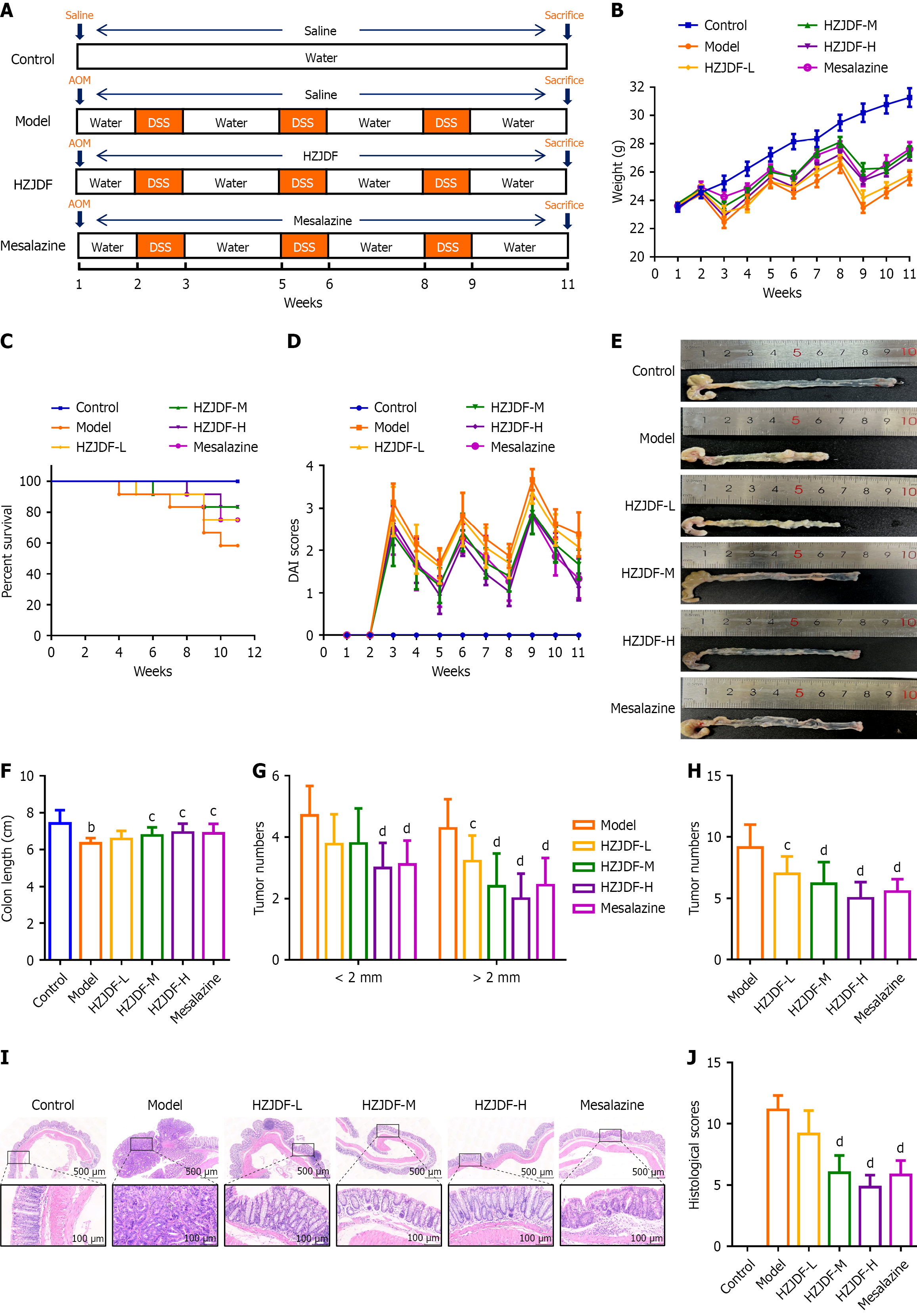
Figure 1 Hua-Zhuo-Jie-Du formula inhibited the tumorigenesis of colitis-associated colorectal cancer.
A: Schematic diagram of the animal experiment operating procedures; B: Percentage change in body weight; C: Rate of survival; D: Disease activity index scores; E: Representative images of the colorectal tissues of the colitis-associated colorectal cancer mice; F: Colon lengths; G: Distribution of tumor sizes; H: Count of the colorectal tumors; I: Representative images for hematoxylin-eosin staining; J: Histological scores. Data are shown as the mean ± SD. bP < 0.01 vs control group. cP < 0.05 vs model group. dP < 0.01 vs model group. Control group (n = 12), model group (n = 7), low-dose Hua-Zhuo-Jie-Du formula group (n = 9), medium-dose Hua-Zhuo-Jie-Du formula group (n = 10), high-dose Hua-Zhuo-Jie-Du formula group (n = 10), and mesalazine group (n = 9). DSS: Dextran sodium sulfate; AOM: Azoxymethane; DAI: Disease activity index; HZJDF: Hua-Zhuo-Jie-Du formula; HZJDF-L: Low-dose Hua-Zhuo-Jie-Du formula; HZJDF-M: Medium-dose Hua-Zhuo-Jie-Du formula; HZJDF-H: High-dose Hua-Zhuo-Jie-Du formula.
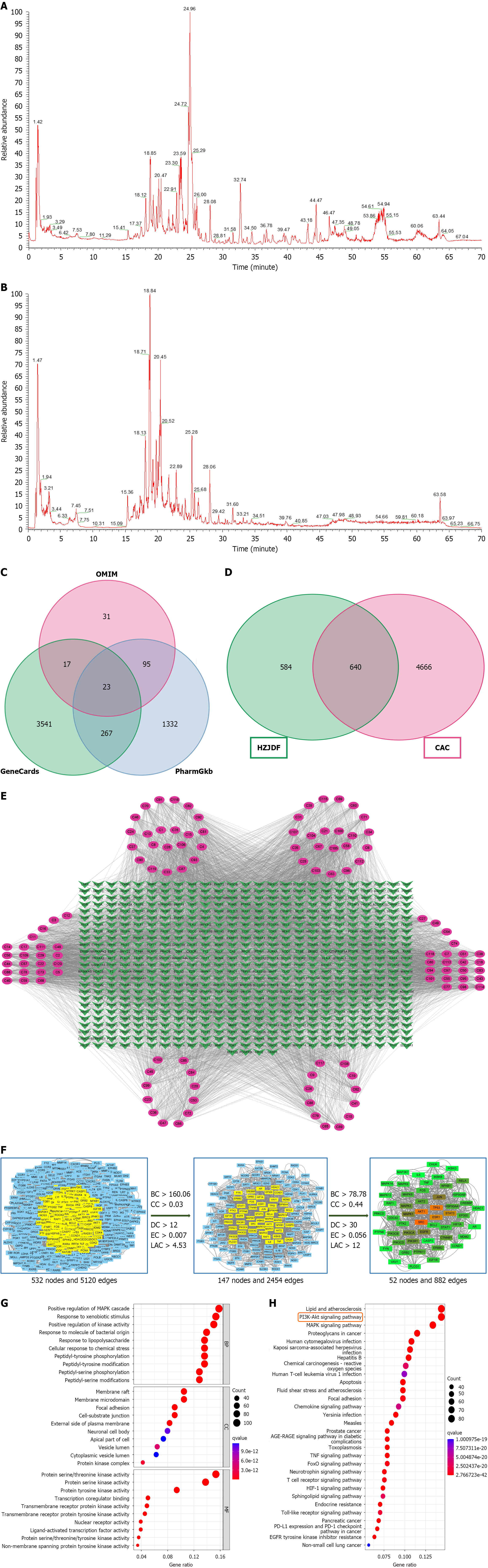
Figure 2 Network pharmacological analysis of Hua-Zhuo-Jie-Du formula against colitis-associated colorectal cancer.
A: Total ion chro
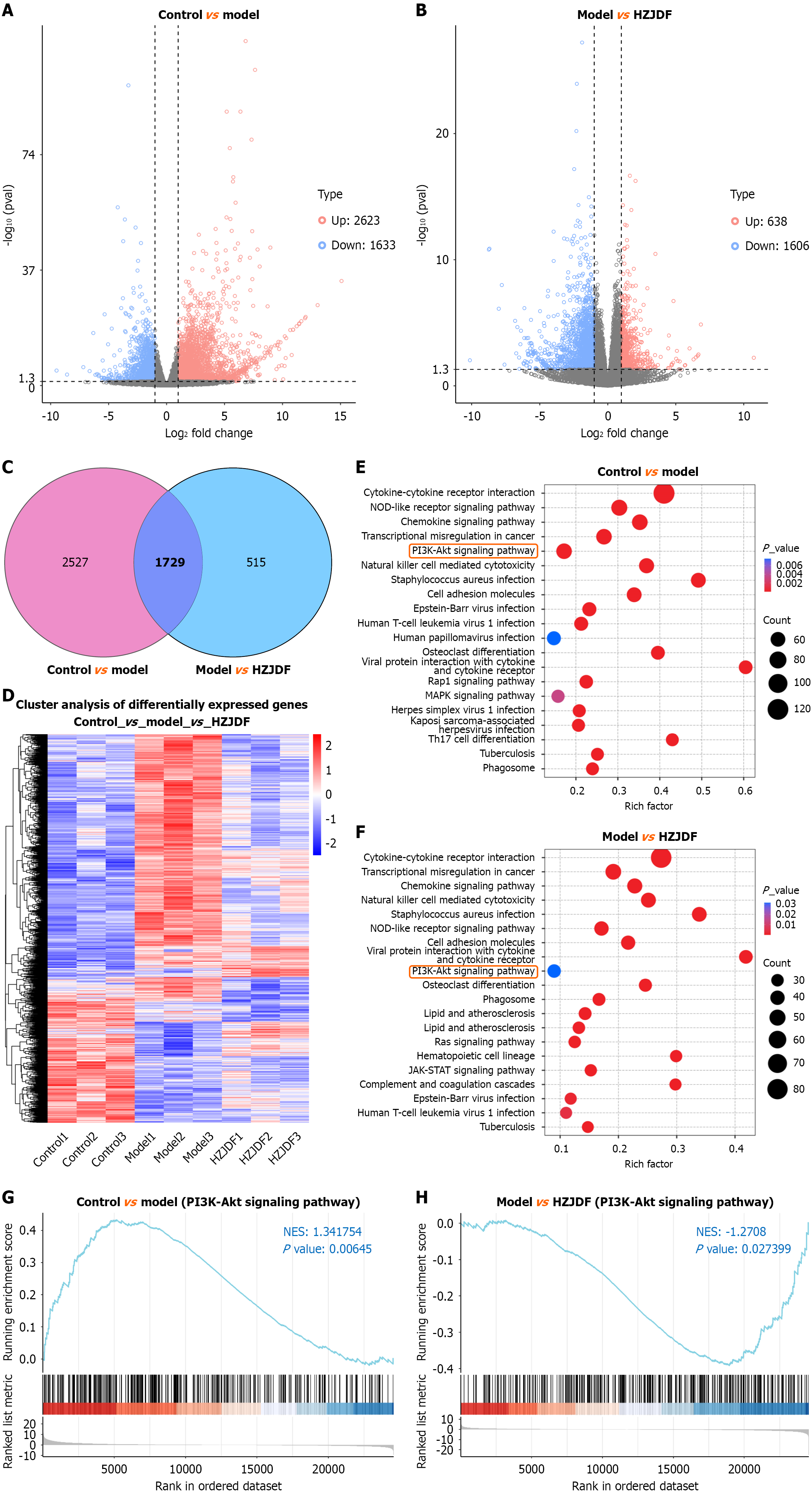
Figure 3 Transcriptomics analysis of Hua-Zhuo-Jie-Du formula against colitis-associated colorectal cancer.
A: Volcano plot of the differentially expressed genes (DEGs) between the control group and model group; B: Volcano plot of the DEGs between the model group and the Hua-Zhuo-Jie-Du formula (HZJDF) group; C: Venn diagram showing the overlapping genes in the control group vs model group and the model group vs HZJDF group; D: Heatmap from cluster analysis of the DEGs among three different groups; E: Bubble plot from Kyoto Encyclopedia of Genes and Genomes (KEGG) enrichment analysis of the genes that were upregulated in the model group compared to the control group; F: Bubble plot from KEGG enrichment analysis of the genes that were downregulated in the HZJDF group compared with the model group; G: Gene set enrichment analysis (GSEA) analysis for comparison of the control group vs model group; H: GSEA analysis for comparison of the model group vs HZJDF group. HZJDF: Hua-Zhuo-Jie-Du formula; MAPK: Mitogen-activated protein kinase; PI3K: Phosphatidylinositol 3-kinase; AKT: Protein kinase B; JAK-STAT: Janus tyrosine kinase/signal transducer and activator of transcription.
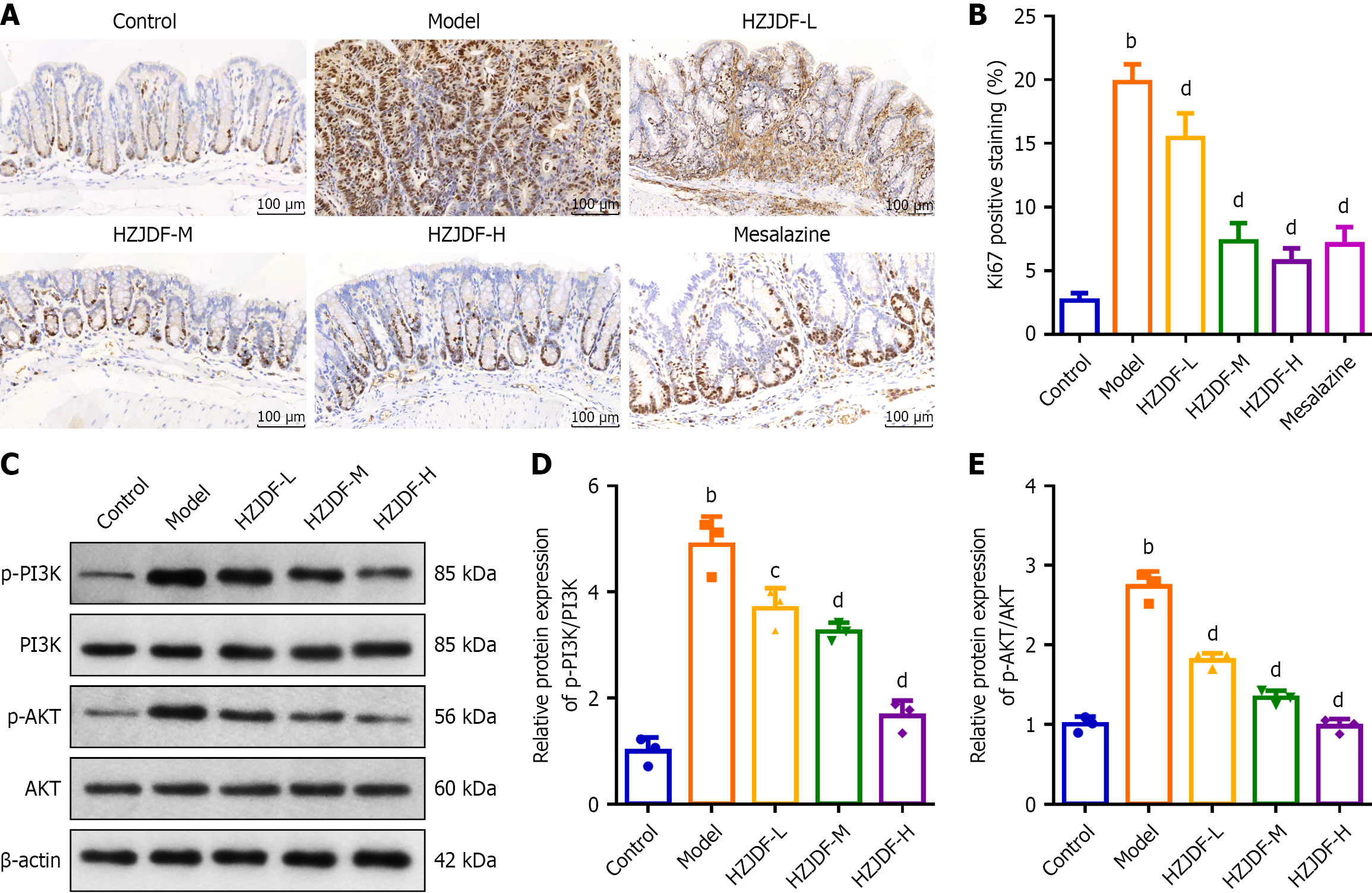
Figure 4 Hua-Zhuo-Jie-Du formula inhibited tumor proliferation and the phosphatidylinositol 3-kinase/protein kinase B pathway in colitis-associated colorectal cancer mice.
A: Representative images of Ki67 staining; B: Quantitative analysis of Ki67-positive cell staining; C: Detection of the proteins associated with the phosphatidylinositol 3-kinase (PI3K)/protein kinase B (AKT) signaling pathway by Western blot analysis; β-actin served as a loading control; D: Quantitative analysis of the expression levels of phosphorylated-PI3K/PI3K; E: Quantitative analysis of the expression levels of phosphorylated-AKT/AKT. Data are shown as the mean ± SD. bP < 0.01 vs control group. cP < 0.05 vs model group. dP < 0.01 vs model group. HZJDF-L: Low-dose Hua-Zhuo-Jie-Du formula; HZJDF-M: Medium-dose Hua-Zhuo-Jie-Du formula; HZJDF-H: High-dose Hua-Zhuo-Jie-Du formula; PI3K: Phosphatidylinositol 3-kinase; p-PI3K: Phosphorylated-phosphatidylinositol 3-kinase; AKT: Protein kinase B; p-AKT: Phosphorylated-protein kinase B.
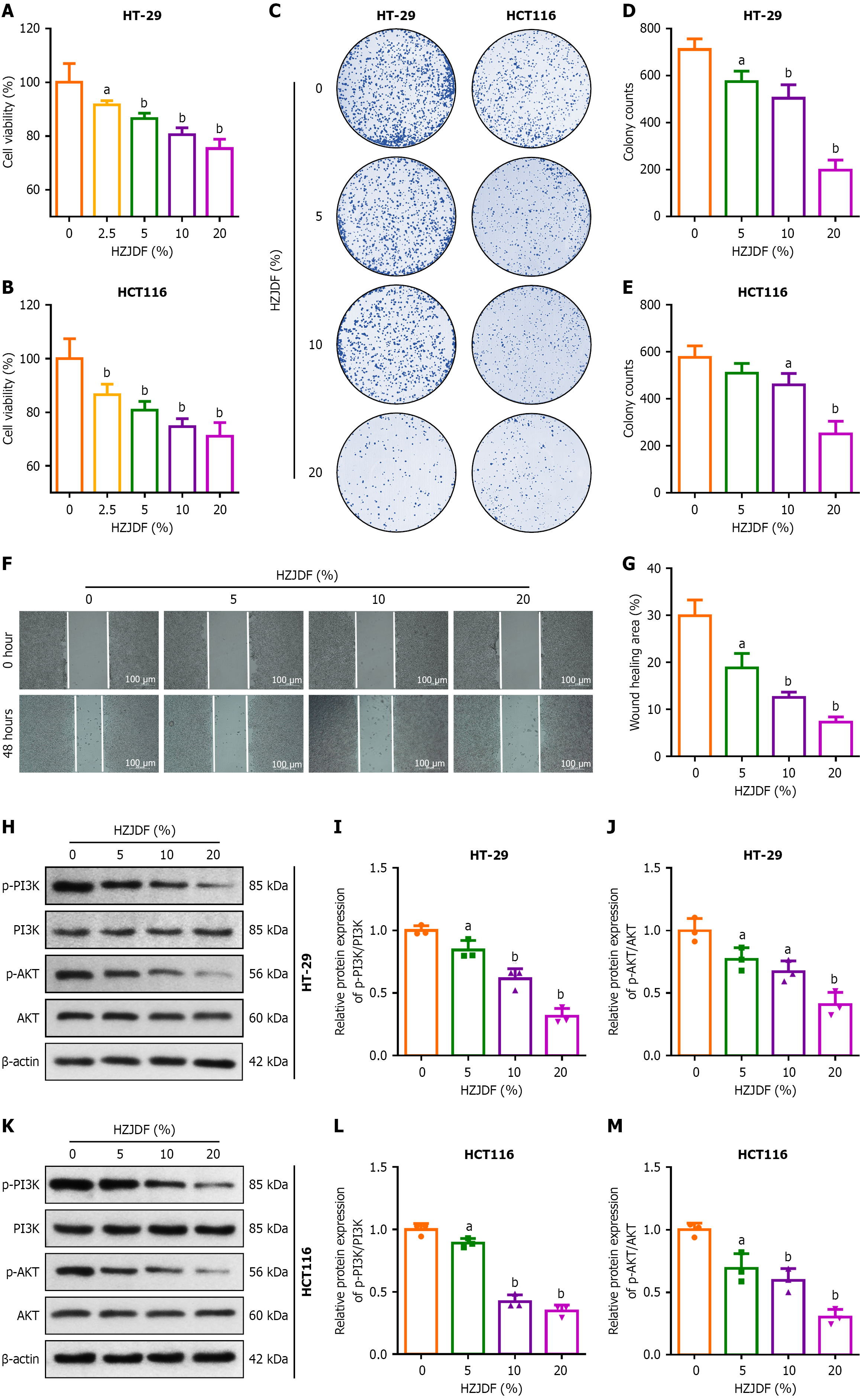
Figure 5 Hua-Zhuo-Jie-Du formula-containing serum inhibited cell viability, proliferation, migration, and the phosphatidylinositol 3-kinase/protein kinase B signaling pathway in vitro.
A: Effects of varying concentrations of Hua-Zhuo-Jie-Du formula (HZJDF)-containing serum on the viability of HT-29 cells; B: Effects of varying concentrations of HZJDF-containing serum on the viability of HCT116 cells; C: Effects of HZJDF-containing serum on the clonogenic ability of HT-29 and HCT116 cells; D: Quantitative assessment of the quantity of HT-29 cell clones generated in each group; E: Quantitative assessment of the quantity of HCT116 cell clones generated in each group; F: Effect of HZJDF-containing serum on the migratory capacity of HT-29 cells; G: Quantitative as
- Citation: Hu SP, Cai YR, Liu Y, Guo YX, Jia XM, Jiang JM, Yang Q. Hua-Zhuo-Jie-Du formula alleviates colitis-associated colorectal cancer via regulating phosphatidylinositol 3-kinase/protein kinase B signaling pathway. World J Gastroenterol 2026; 32(27): 119490
- URL: https://www.wjgnet.com/1007-9327/full/v32/i27/119490.htm
- DOI: https://dx.doi.org/10.3748/wjg.119490