
















Copyright: ©Author(s) 2026.
World J Gastroenterol. Jul 21, 2026; 32(27): 119356
Published online Jul 21, 2026. doi: 10.3748/wjg.119356
Published online Jul 21, 2026. doi: 10.3748/wjg.119356
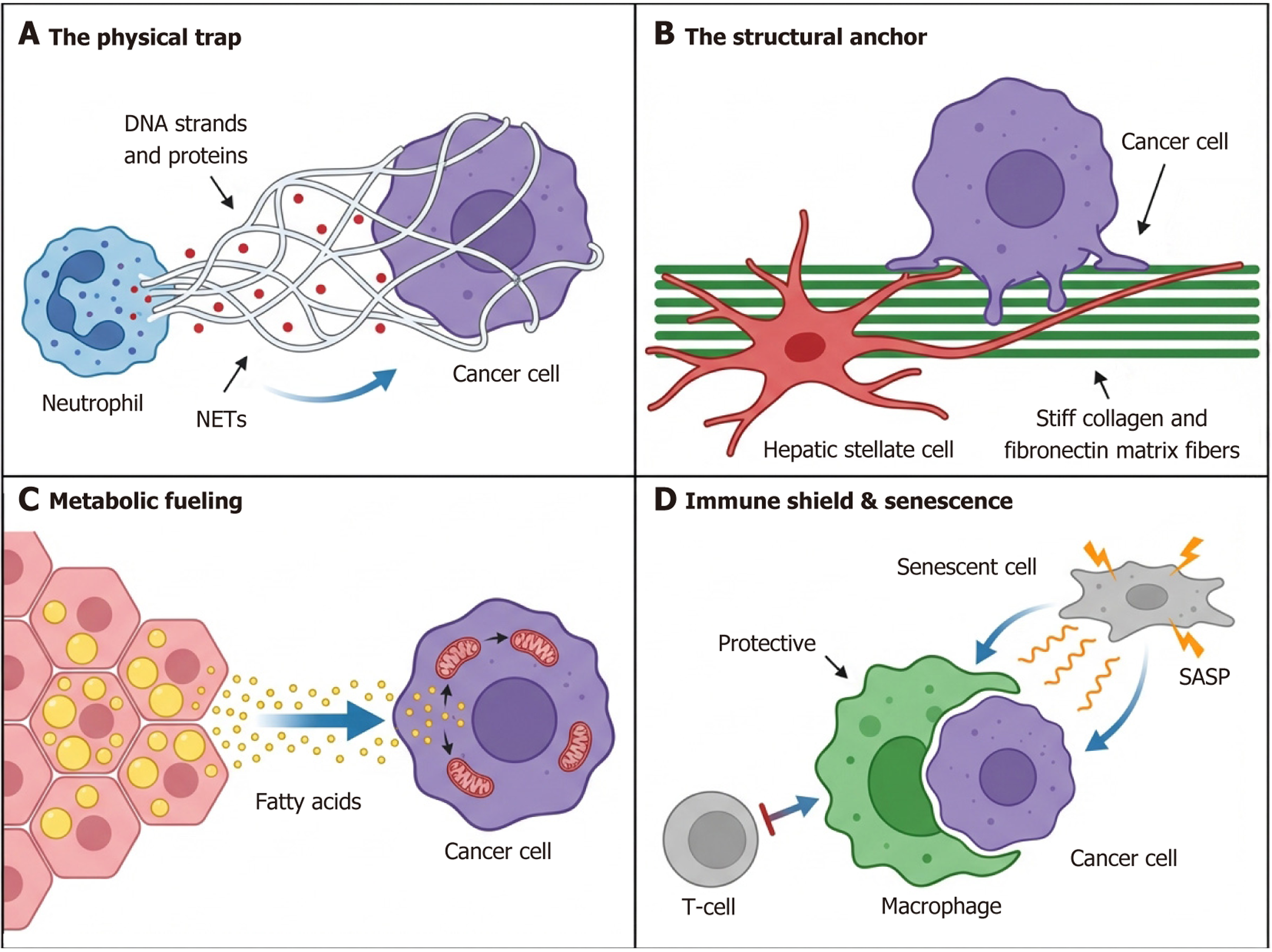
Figure 1 Biological mechanisms of pancreatic cancer metastasis.
A: In the inflammatory milieu, hepatic neutrophils undergo NETosis, expelling DNA webs decorated with granular proteins. These structures physically entrap circulating pancreatic cancer cells, acting as an initial scaffold for metastatic seeding; B: Activated hepatic stellate cells transdifferentiate to deposit a stiff extracellular matrix composed of collagen and fibronectin fibers. This rigid architecture facilitates cancer cell adhesion via integrin signaling and promotes survival; C: Lipid-engorged hepatocytes release exogenous fatty acids, which are actively taken up by cancer cells to fuel mitochondrial β-oxidation and support rapid biomass production; D: Tumor-associated macrophages adopt a protective phenotype, shielding the tumor from cytotoxic T-cells. Meanwhile, metabolically stressed senescent hepatocytes release senescence-associated secretory phenotype factors, which stimulate tumor proliferation in a paracrine manner.
- Citation: Xiong ZK, Jiang YZ, Lin YH, Cao JD, Deng TY, Zheng YY. Is metabolic dysfunction-associated steatotic liver disease truly irrelevant? Unmasking the heterogeneity and confounders in pancreatic cancer outcomes. World J Gastroenterol 2026; 32(27): 119356
- URL: https://www.wjgnet.com/1007-9327/full/v32/i27/119356.htm
- DOI: https://dx.doi.org/10.3748/wjg.119356