
















Copyright: ©Author(s) 2026.
World J Gastroenterol. Jul 14, 2026; 32(26): 118889
Published online Jul 14, 2026. doi: 10.3748/wjg.118889
Published online Jul 14, 2026. doi: 10.3748/wjg.118889
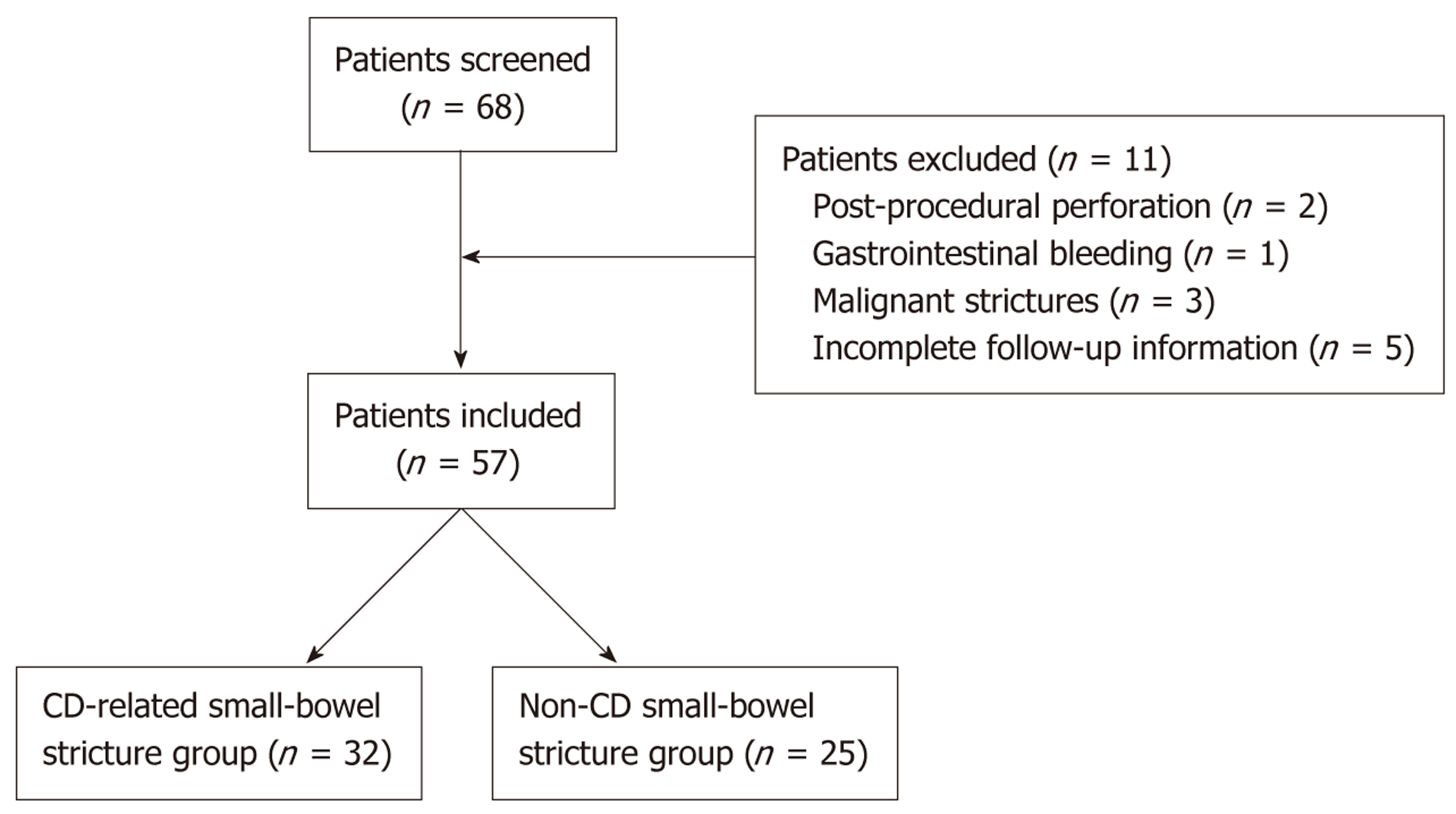
Figure 1 Flowchart of patient selection and grouping.
CD: Crohn’s disease.
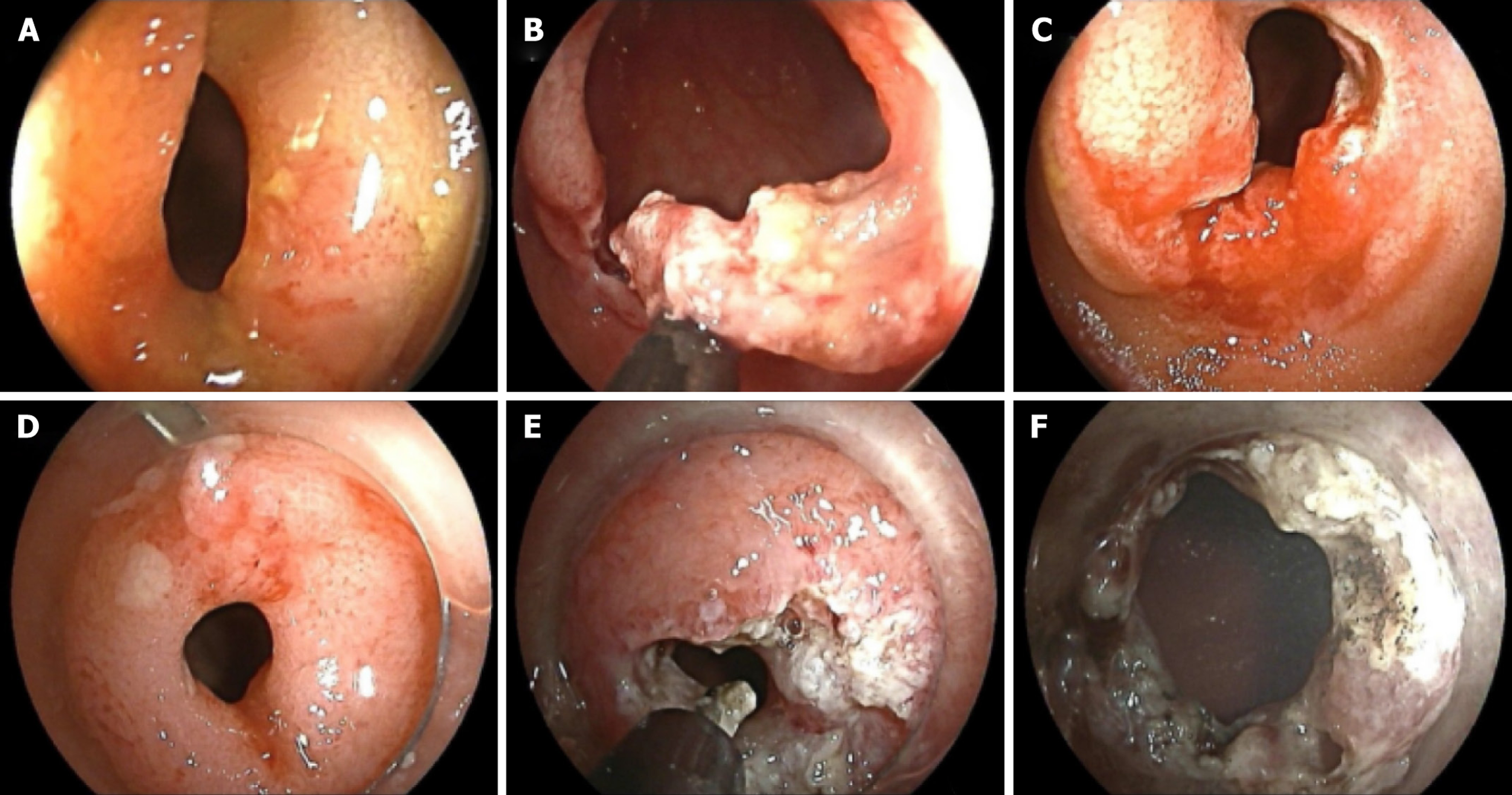
Figure 2 Representative techniques of endoscopic stricturotomy for small-bowel strictures.
A: Narrow tubular stenosis in the ileum; B: Layered incision performed parallel to the bowel axis; C: Luminal patency restored after longitudinal incision; D: Circumferential narrowing of the ileum; E: Multiple radial incisions performed perpendicular to the stricture plane; F: Luminal patency restored after radial incision.
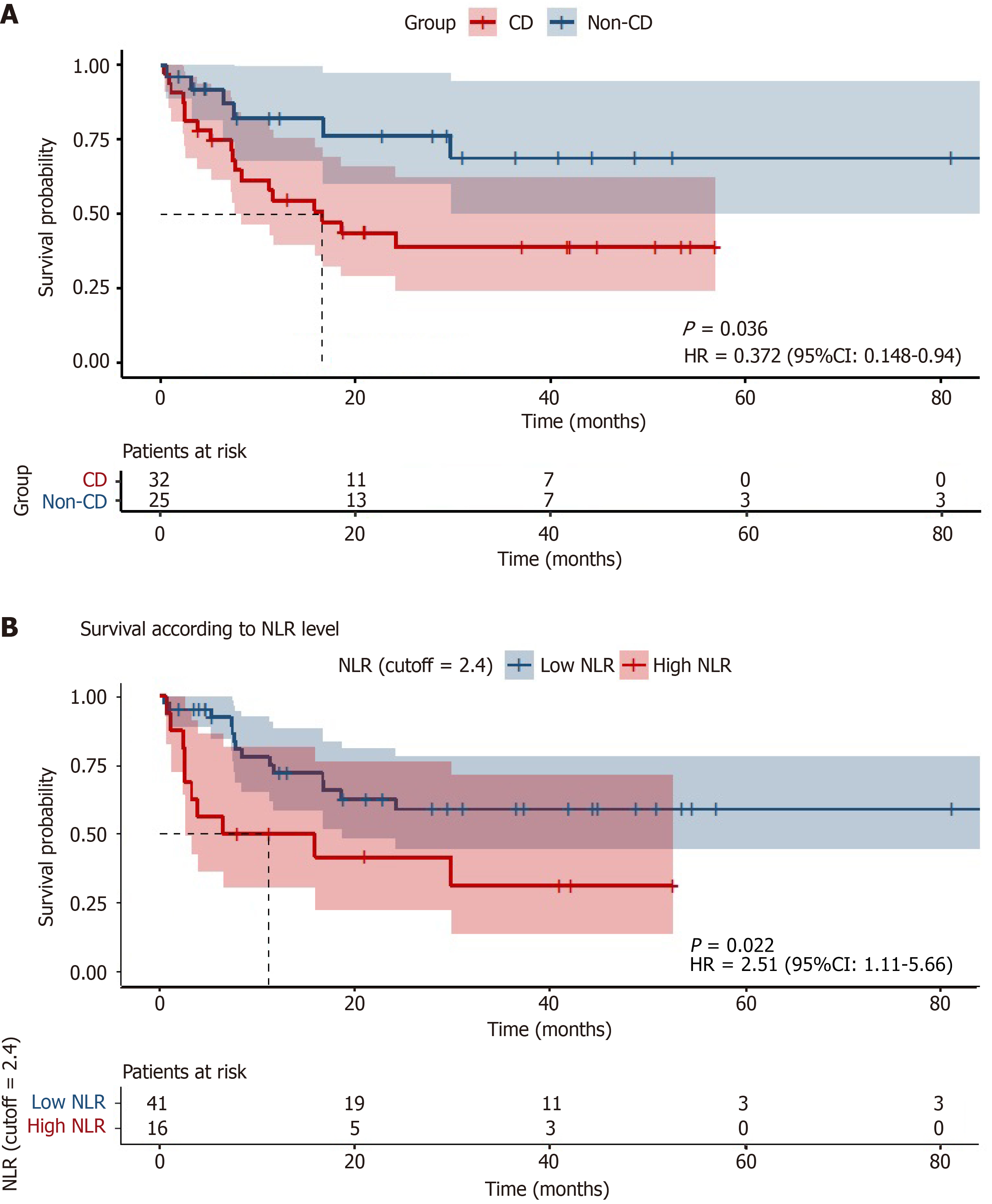
Figure 3 Reintervention-free survival following endoscopic stricturotomy in patients with small-bowel strictures.
A: Kaplan-Meier curves comparing reintervention-free survival between patients with Crohn’s disease (CD)-related and non-CD small-bowel strictures; B: Kaplan-Meier curves stratified by neutrophil-to-lymphocyte ratio (NLR). Patients were categorized as low NLR (< 2.4) or high NLR (≥ 2.4). Shaded areas represent 95%CIs, and plus signs indicate censored observations. Survival curves were compared using the log-rank test. CD: Crohn’s disease; NLR: Neutrophil-to-lymphocyte ratio.
- Citation: Lai WC, Feng XM, Huang ZH, Jiang ZM, Sun T, Yin X, Zhang L, Ning SB, Li BR. Balloon-assisted endoscopic stricturotomy for small bowel fibrostenotic strictures: A comparison of Crohn’s disease-related and non-Crohn’s disease strictures. World J Gastroenterol 2026; 32(26): 118889
- URL: https://www.wjgnet.com/1007-9327/full/v32/i26/118889.htm
- DOI: https://dx.doi.org/10.3748/wjg.118889