
















Copyright: ©Author(s) 2026.
World J Gastroenterol. Jul 7, 2026; 32(25): 118561
Published online Jul 7, 2026. doi: 10.3748/wjg.118561
Published online Jul 7, 2026. doi: 10.3748/wjg.118561
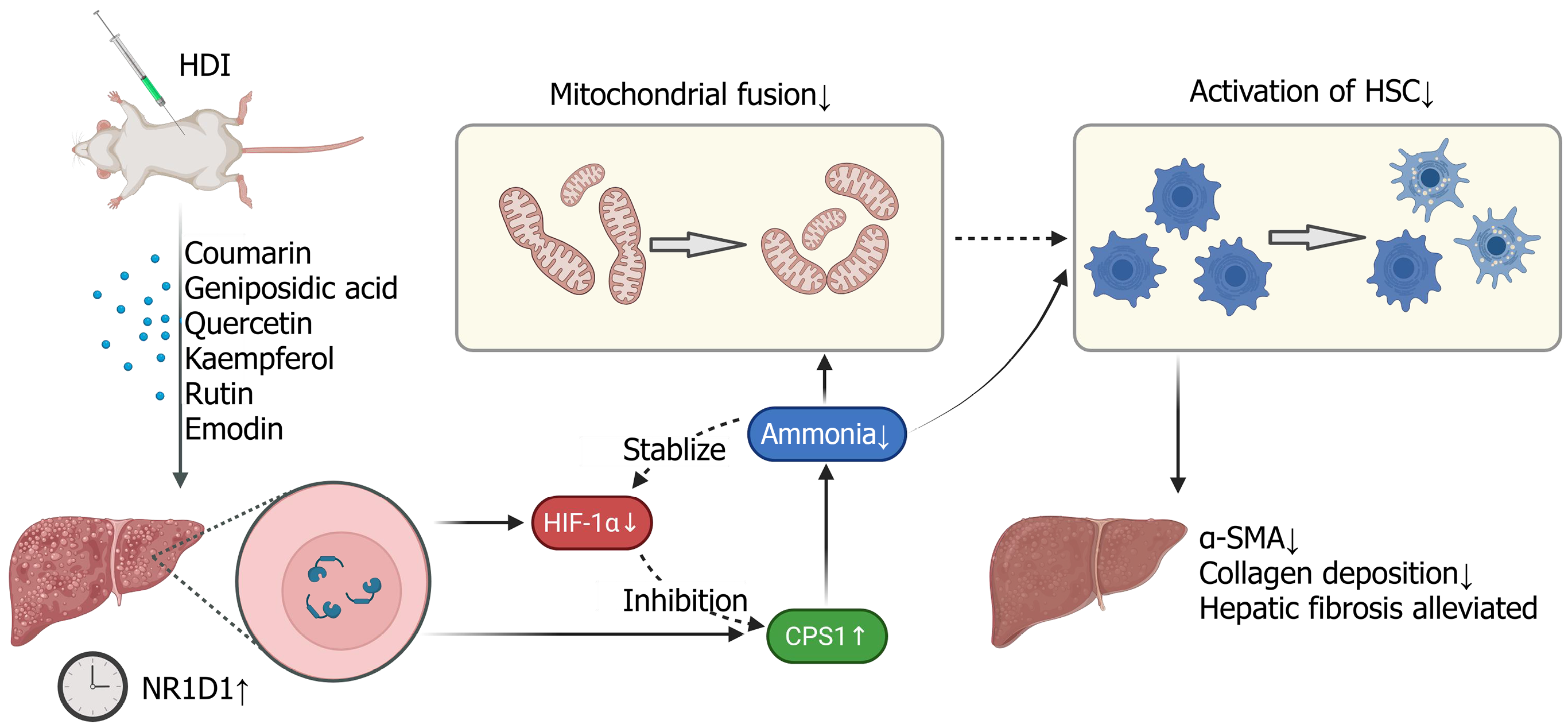
Figure 1 Schematic summary of the main findings reported by Xia et al[6].
In a CCl4-induced mouse model of liver fibrosis, Hedyotis diffusa injection (HDI) was administered intraperitoneally. Six constituents capable of migrating to the liver were identified, including coumarin, geniposidic acid, quercetin, kaempferol, rutin, and emodin. HDI treatment was associated with increased hepatic expression of the core circadian regulator NR1D1. Functional studies indicated that the antifibrotic effects of HDI were NR1D1-dependent and were accompanied by decreased HIF-1α protein levels, increased CPS1 activity, and reduced hepatic ammonia levels. Reduction of ammonia burden was also associated with decreased mitochondrial fusion and attenuation of hepatic stellate cell (HSC) activation. However, a causal role of mitochondrial dynamics in HSC activation was not directly demonstrated. Collectively, these findings support a model in which NR1D1 upregulation is linked to suppression of HIF-1α signaling and restoration of CPS1-associated urea cycle function, leading to reduced ammonia levels and diminished HSC activation, thereby contributing to the alleviation of liver fibrosis. In addition, the authors proposed a putative crosstalk between hypoxia signaling and ammonia metabolism, whereby elevated ammonia may stabilize HIF-1α, while HIF-1α may suppress CPS1 and urea cycle function, potentially forming a positive feedback loop. HDI: Hedyotis diffusa injection; HSC: Hepatic stellate cell; α-SMA: α-smooth muscle actin. Created in BioRender (Supplementary material).
- Citation: Wang SR, Lu XY, Jin GJ, Cao TL, Jiang HZ. Resetting the fibrotic liver clock: NR1D1 couples Hedyotis diffusa to the HIF-1/urea-cycle-ammonia axis and stellate cell activation. World J Gastroenterol 2026; 32(25): 118561
- URL: https://www.wjgnet.com/1007-9327/full/v32/i25/118561.htm
- DOI: https://dx.doi.org/10.3748/wjg.118561