
















Copyright: ©Author(s) 2026.
World J Gastroenterol. Jun 28, 2026; 32(24): 118757
Published online Jun 28, 2026. doi: 10.3748/wjg.118757
Published online Jun 28, 2026. doi: 10.3748/wjg.118757
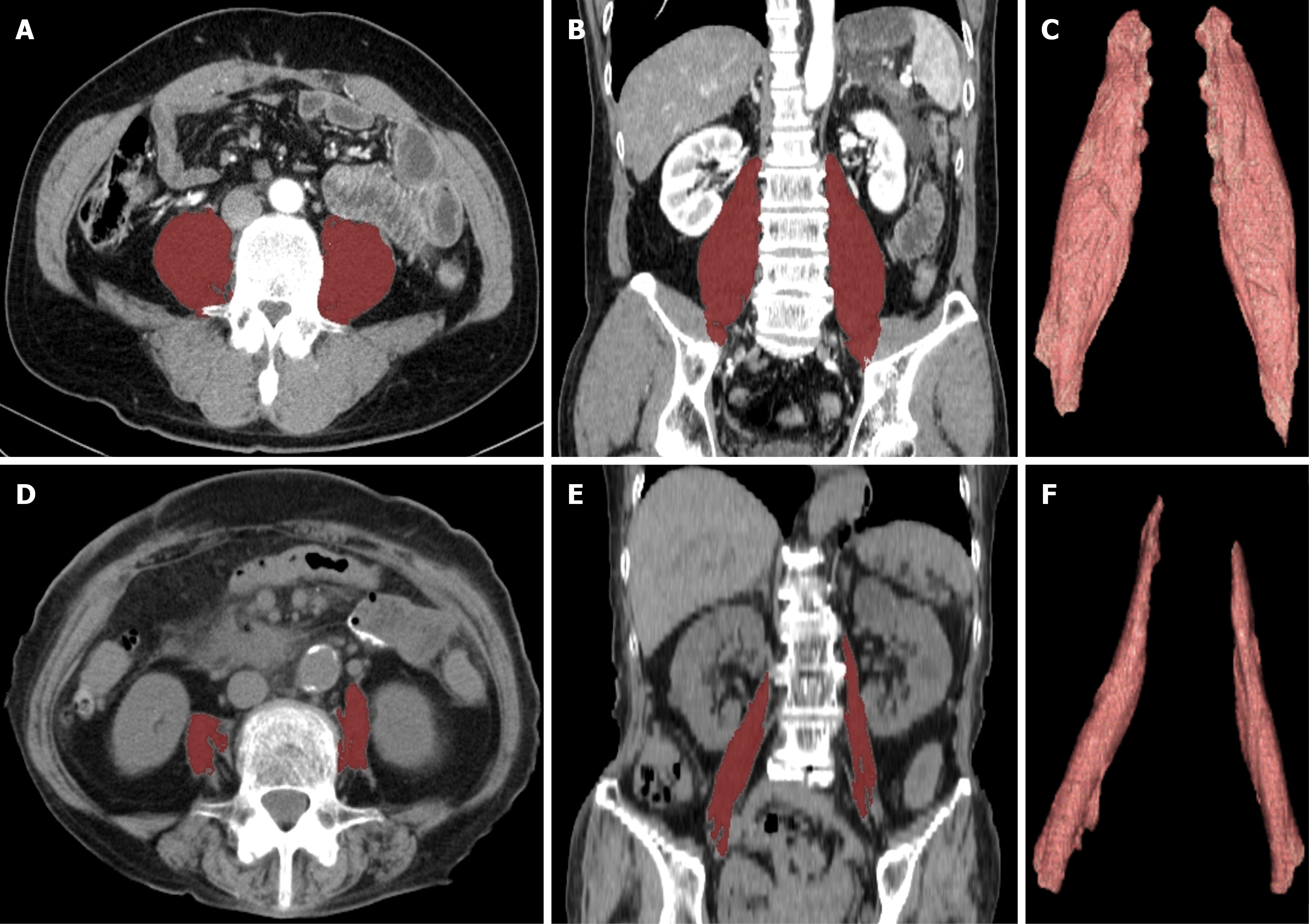
Figure 1 Psoas muscle mass analysis by three-dimensional imaging using pre-chemotherapy computed tomography in sarcopenic and non-sarcopenic patients.
A-C: In a representative non-sarcopenic patient, bilateral psoas muscle areas (red) at the third lumbar vertebra level on axial computed tomography (CT) (A) and at the maximum level on coronal CT (B), and bilateral psoas muscle volume extracted by semi-automatic image analysis (C); D-F: In a representative sarcopenic patient, bilateral psoas muscle areas (red) at the third lumbar vertebra level with axial CT image (D) and at the maximum level with coronal CT image (E), and bilateral psoas muscle volume extracted by semi-automatic image analysis (F).
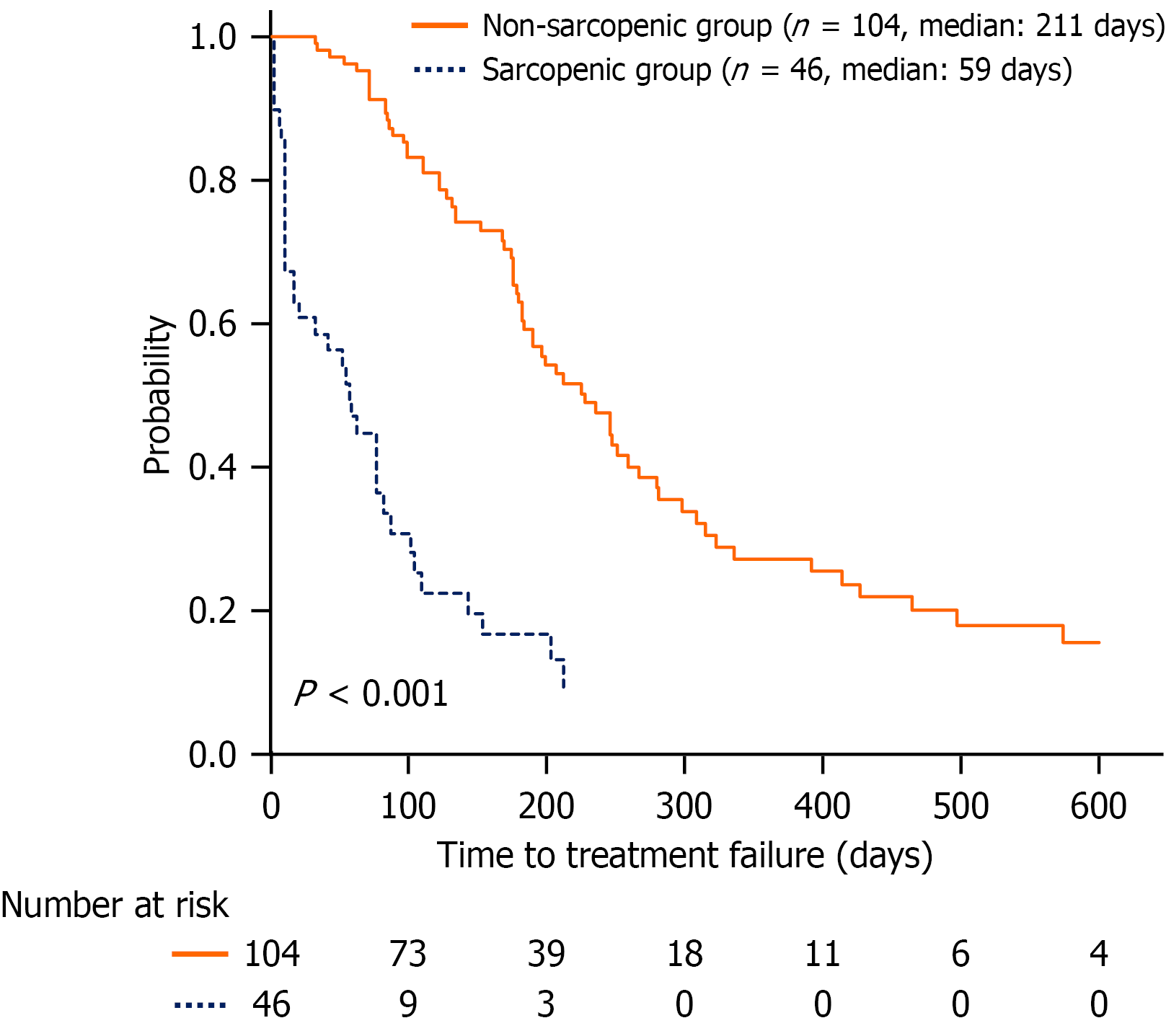
Figure 2 Kaplan-Meier curves for time to treatment failure in enrolled patients with and without sarcopenia.
The time to treatment failure of the sarcopenic group (dotted blue line) was significantly shorter than that of the non-sarcopenic group (solid orange line) (P < 0.001, log-rank test). The median time to treatment failure in the sarcopenic and non-sarcopenic groups were 59 and 211 days, respectively.
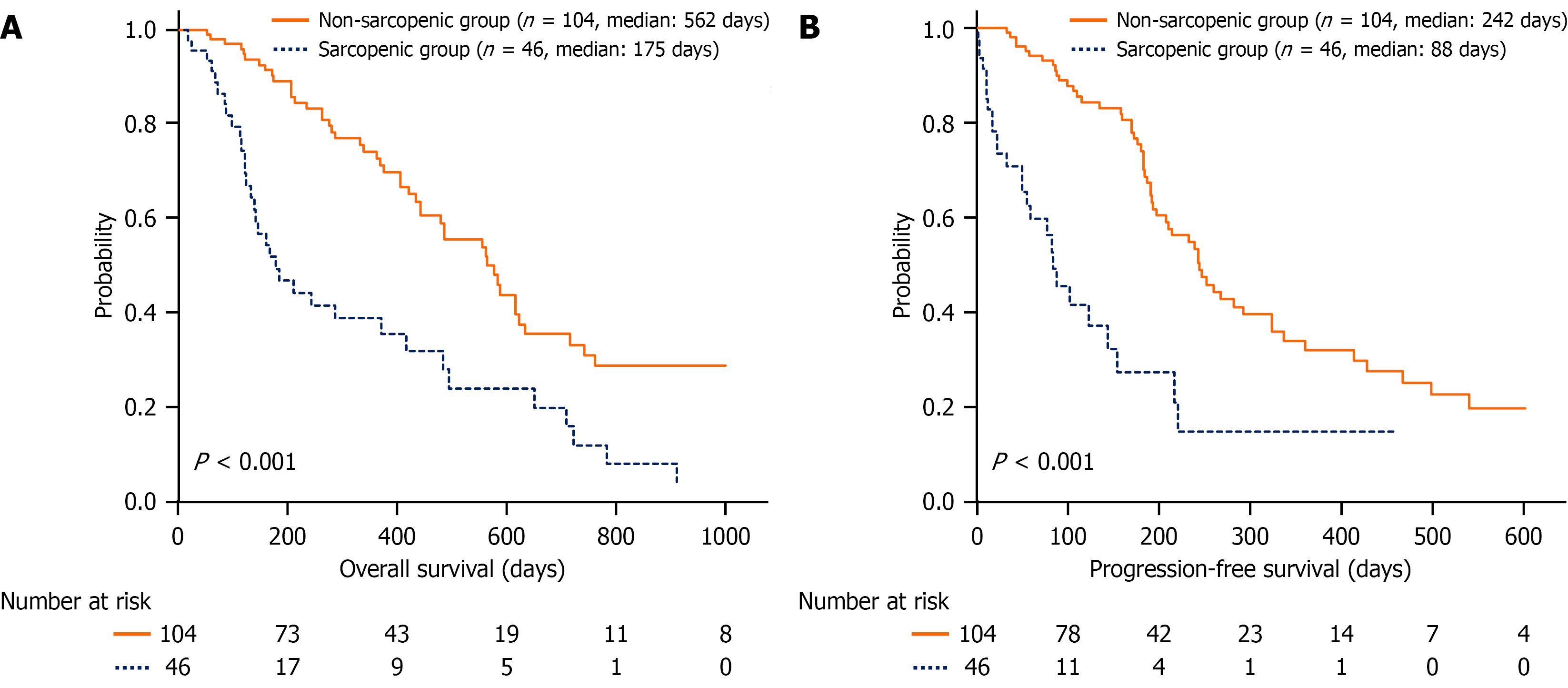
Figure 3 Kaplan-Meier curves for overall survival and progression-free survival in enrolled patients with and without sarcopenia.
A: The overall survival of the sarcopenic group (dotted blue line) was significantly shorter than that of the non-sarcopenic group (solid orange line) (P < 0.001, log-rank test). The median overall survival was 175 days and 562 days in the sarcopenic and non-sarcopenic groups, respectively; B: The progression-free survival of the sarcopenic group (dotted blue line) was significantly shorter than that of the non-sarcopenic group (solid orange line) (P < 0.001, log-rank test). The median progression-free survival was 88 days in the sarcopenic group and 242 days in the non-sarcopenic group.
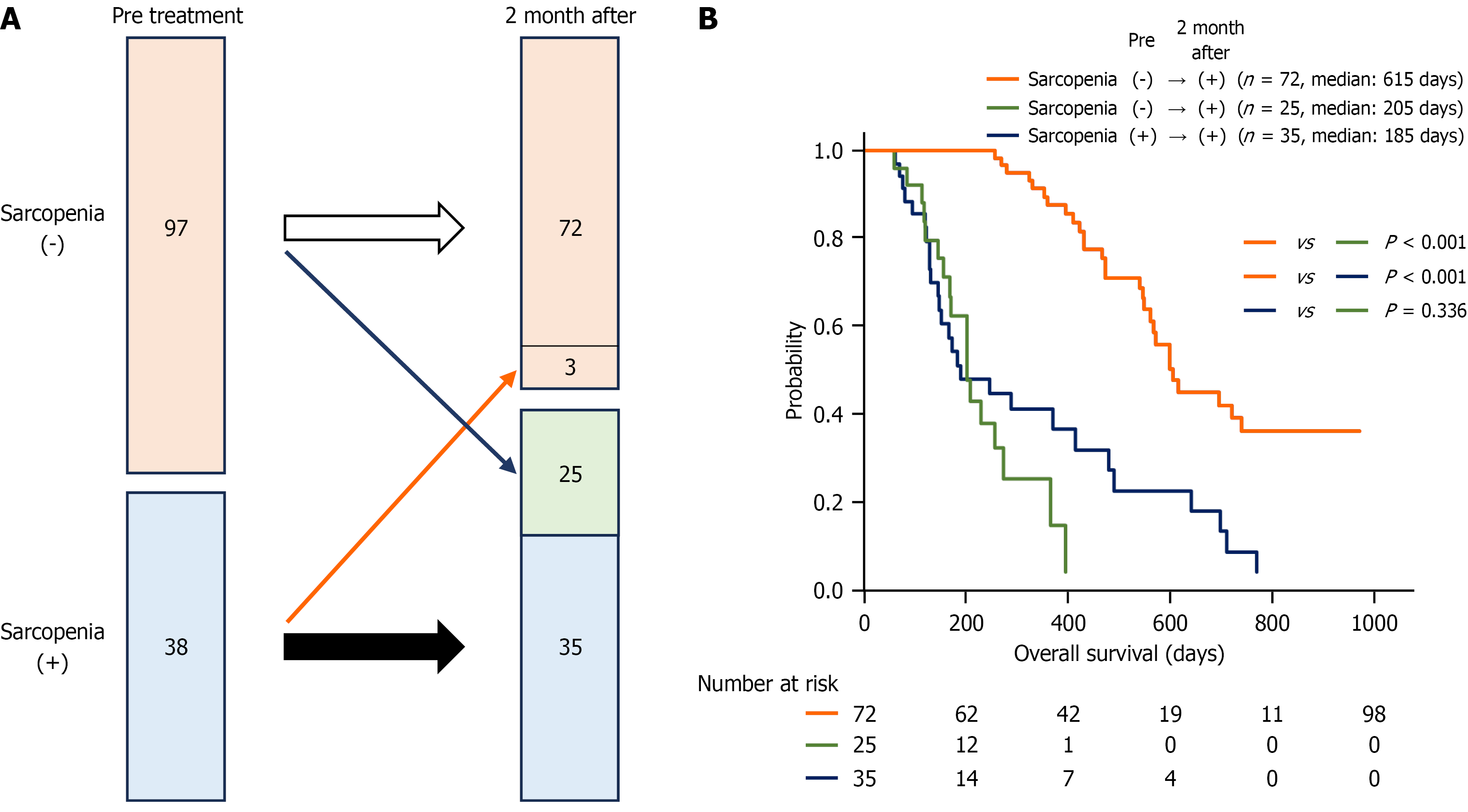
Figure 4 Association between skeletal muscle volume dynamics and long-term prognosis.
A: Longitudinal changes in the number of sarcopenic and non-sarcopenic patients according to the psoas volume index before and two months after initiation of gemcitabine plus nab-paclitaxel chemotherapy. Colored boxes represent the patient groups; specifically, red, green, and blue boxes indicate patients who were non-sarcopenic at two months (including the non-sarcopenia maintenance and sarcopenia improvement groups), the sarcopenia progression group, and the sarcopenia maintenance group, respectively; B: Kaplan-Meier curves for overall survival (OS) according to sarcopenia dynamics. The OS of the non-sarcopenia-maintenance group (orange line) was significantly longer than those of the sarcopenia-progression group (green line) and the sarcopenia-maintenance group (blue line) (P < 0.001, log-rank test). The median OS in the non-sarcopenia-maintenance, sarcopenia-progression, and sarcopenia-maintenance groups were 615, 205, and 185 days, respectively.
- Citation: Akazawa Y, Ohtani M, Murata Y, Tanaka T, Nosaka T, Takahashi K, Naito T, Nakamoto Y. Three-dimensional psoas muscle volume and longitudinal changes as predictors of outcomes in older patients with advanced pancreatic cancer. World J Gastroenterol 2026; 32(24): 118757
- URL: https://www.wjgnet.com/1007-9327/full/v32/i24/118757.htm
- DOI: https://dx.doi.org/10.3748/wjg.118757