
















Copyright: ©Author(s) 2026.
World J Gastroenterol. Jun 14, 2026; 32(22): 117290
Published online Jun 14, 2026. doi: 10.3748/wjg.v32.i22.117290
Published online Jun 14, 2026. doi: 10.3748/wjg.v32.i22.117290
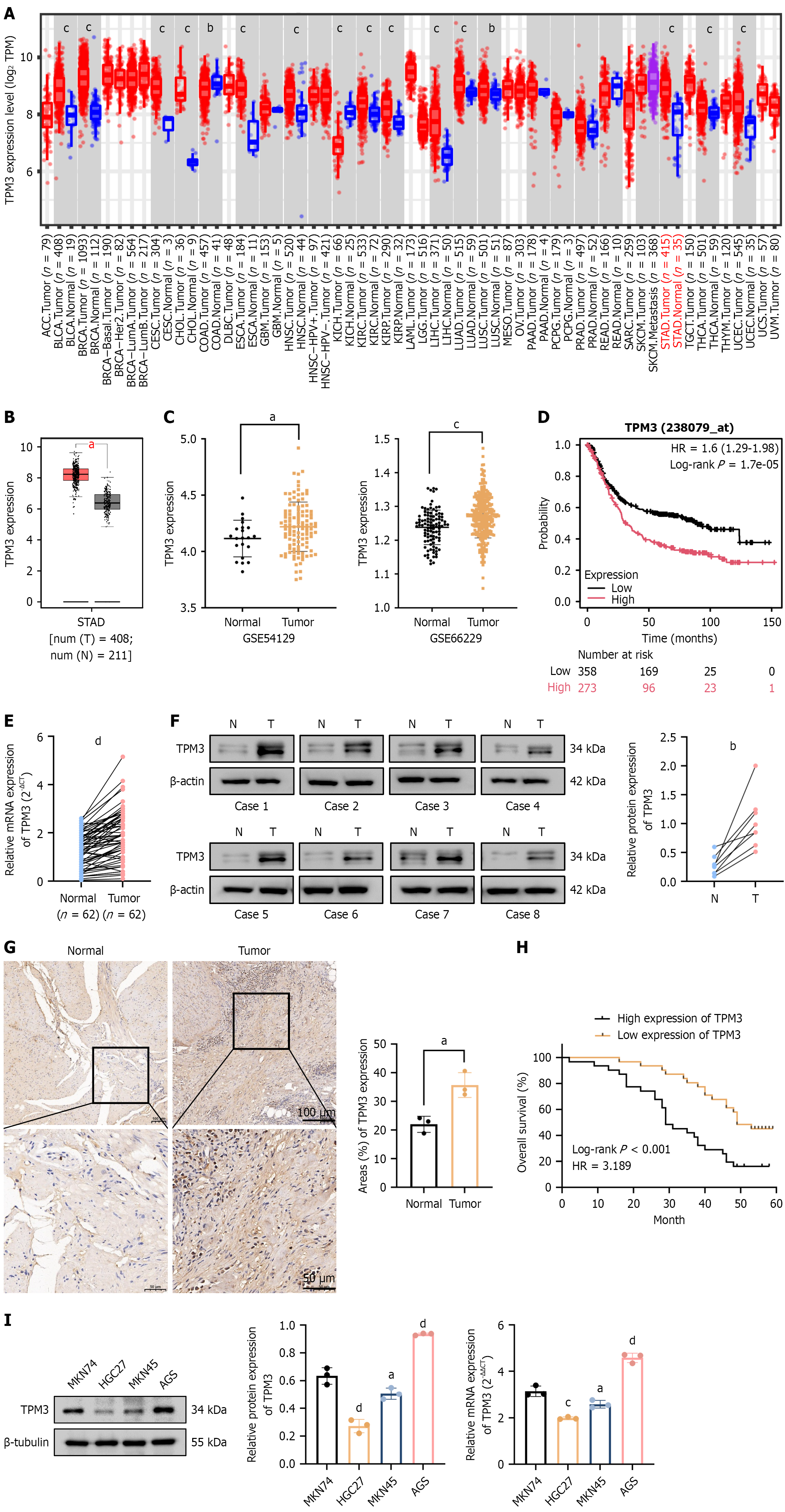
Figure 1 Tropomyosin 3 is upregulated in gastric cancer sample and associated with poor prognosis.
A: Differential expression analysis of tropomyosin 3 (TPM3) in multiple tumors from Tumor Immune Estimation Resource database; B: Comparative analysis of the expression differences of TPM3 in normal tissues and gastric cancer (GC) tissues using the GEPIA2.0 database; C: Gene Expression Omnibus databases (GSE54129 and GSE66229) analysis of TPM3 mRNA expression in normal tissues and GC tissues; D: Analyze the difference in overall survival between the high-expression group and the low-expression group of TPM3 on the Kaplan-Meier plotter website; E: Quantitative real-time PCR analysis of TPM3 mRNA expression in 62 pairs of tumorous and para-carcinoma tissue from the Second Affiliated Hospital of Nanchang University; F: Western blotting showed the protein expression of TPM3 in tumorous and para-carcinoma tissue (it shows that TPM3 protein expression in GC tissues presents as dual bands, representing different subtypes); G: Immunohistochemistry showed the protein expression of TPM3 in tumorous and para-carcinoma tissue; H: Overall survival of GC patients with low or high levels of TPM3; I: Protein and mRNA expression of TPM3 in GC cell lines. aP < 0.05, bP < 0.01, cP < 0.001, dP < 0.0001. HR: Hazard ratio; STAD: Stomach adenocarcinoma; TPM3: Tropomyosin 3.
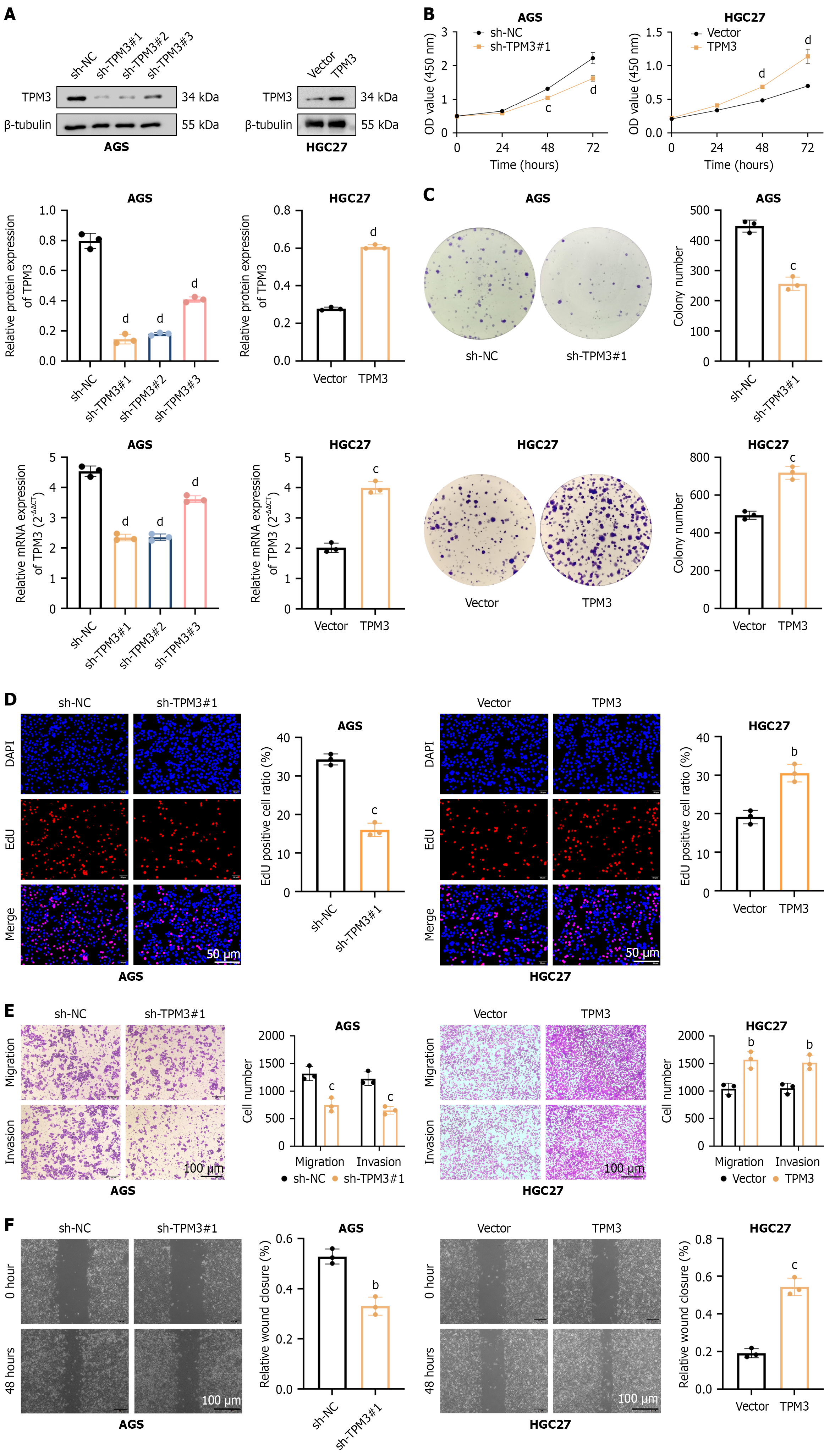
Figure 2 Tropomyosin 3 promotes proliferation, migration and invasion of gastric cancer cells.
A: Validation of tropomyosin 3 (TPM3) knockdown and overexpression efficiency; B-D: Cell counting kit-8 assay, colony formation assay, and 5-ethynyl-2-deoxyuridine assay were conducted to evaluate the effect of TPM3 knockdown or overexpression on the proliferative capacity of gastric cancer cells; E and F: Transwell assay and wound healing assay were performed to assess the impact of TPM3 knockdown or overexpression on the migration and invasion ability of gastric cancer cells. bP < 0.01, cP < 0.001, dP < 0.0001. EdU: 5-ethynyl-2-deoxyuridine; sh-NC: Control shRNA; TPM3: Tropomyosin 3; Vector: Empty vector control.
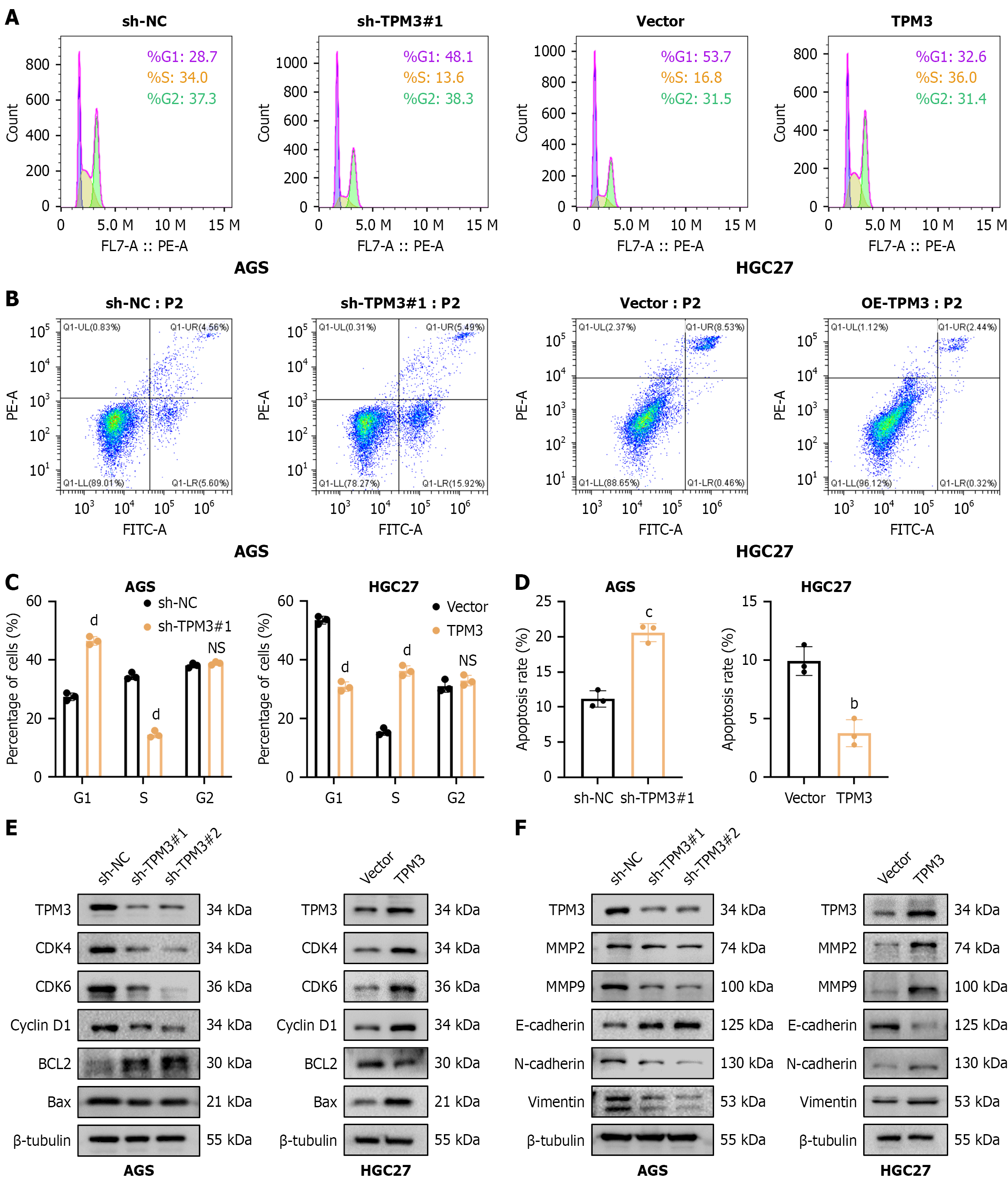
Figure 3 Tropomyosin 3 facilitates cell cycle progression and suppresses apoptosis in gastric cancer cells.
A: Flow cytometry analysis of cell cycle distribution in AGS and HGC27 cells following tropomyosin 3 knockdown or overexpression; B: Quantification of cell cycle phase distribution (G1, S, and G2) in AGS and HGC27 cells; C: Flow cytometry analysis of apoptosis using annexin V fluorescein isothiocyanate/propidium iodide staining in AGS and HGC27 cells following tropomyosin 3 knockdown or overexpression; D: Quantification of apoptosis rate in AGS and HGC27 cells; E: Western blotting analysis of proteins associated with cell cycle and apoptosis; F: Western blotting analysis was performed to examine the expression levels of epithelial-mesenchymal transition-related proteins and matrix metalloproteinase family proteins. bP < 0.01, cP < 0.001, dP < 0.0001. NS: Not significant; FITC: Fluorescein isothiocyanate; OE: Overexpression plasmid; sh-NC: Control shRNA; TPM3: Tropomyosin 3; Vector: Empty vector control.
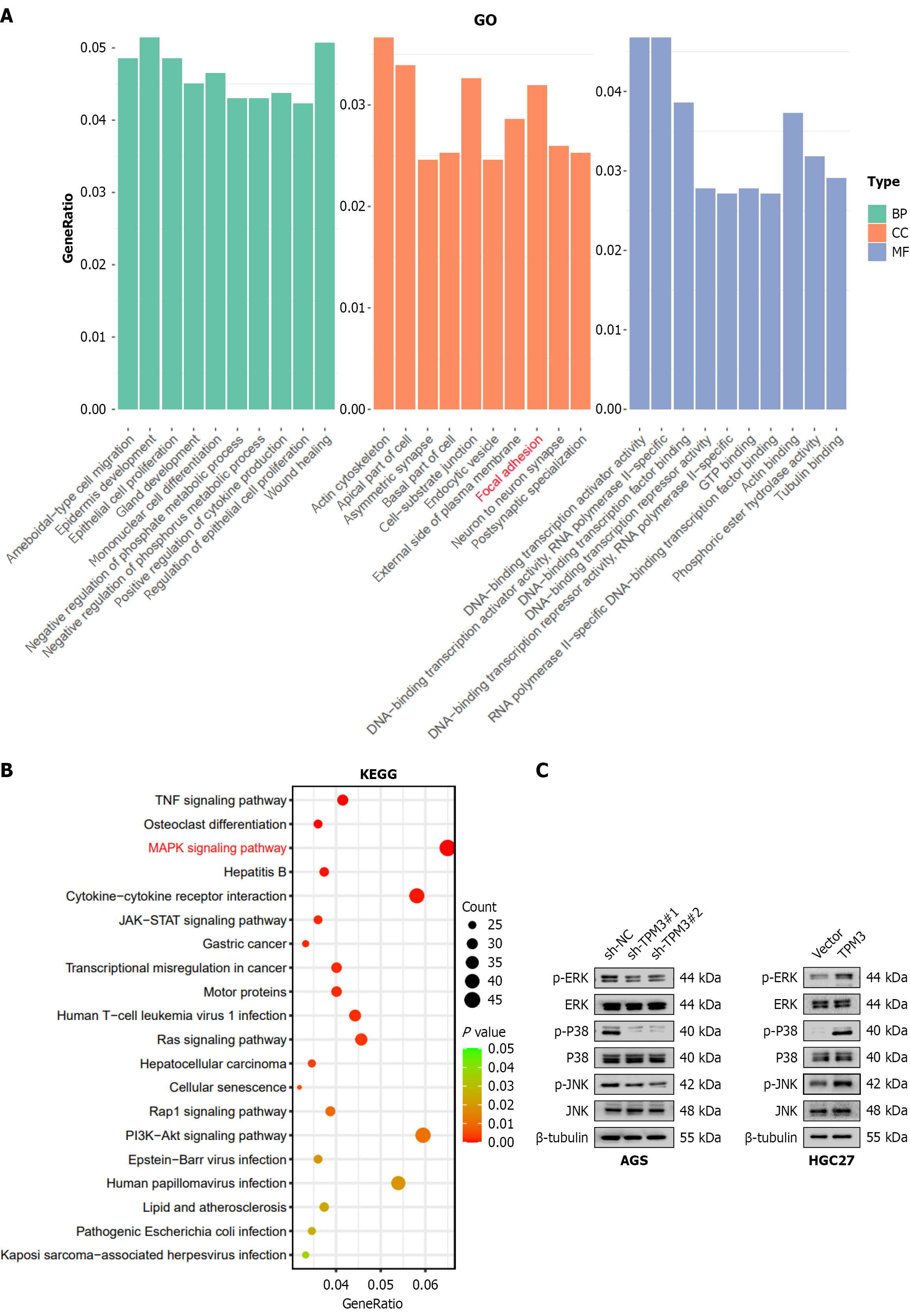
Figure 4 Tropomyosin 3 enhances the mitogen-activated protein kinase signaling pathway in gastric cancer cells.
A and B: Gene Ontology and Kyoto Encyclopedia of Genes and Genomes enrichment analyses showed that tropomyosin 3 was involved in gastric cancer progression via the mitogen-activated protein kinase pathway; C: Western blotting analysis of tropomyosin 3 knockdown or overexpression effects on the mitogen-activated protein kinase pathway. Akt: Protein kinase B; BP: Biological process; CC: Cellular component; ERK: Extracellular signal-regulated kinase; GO: Gene Ontology; JAK: Janus kinase; JNK: C-Jun N-terminal kinase; KEGG: Kyoto Encyclopedia of Genes and Genomes; MAPK: Mitogen-activated protein kinase; MF: Molecular function; PI3K: Phosphoinositide 3-kinase; sh-NC: Control shRNA; STAT: Signal transducer and activator of transcription; TNF: Tumor necrosis factor; TPM3: Tropomyosin 3; Vector: Empty vector control.
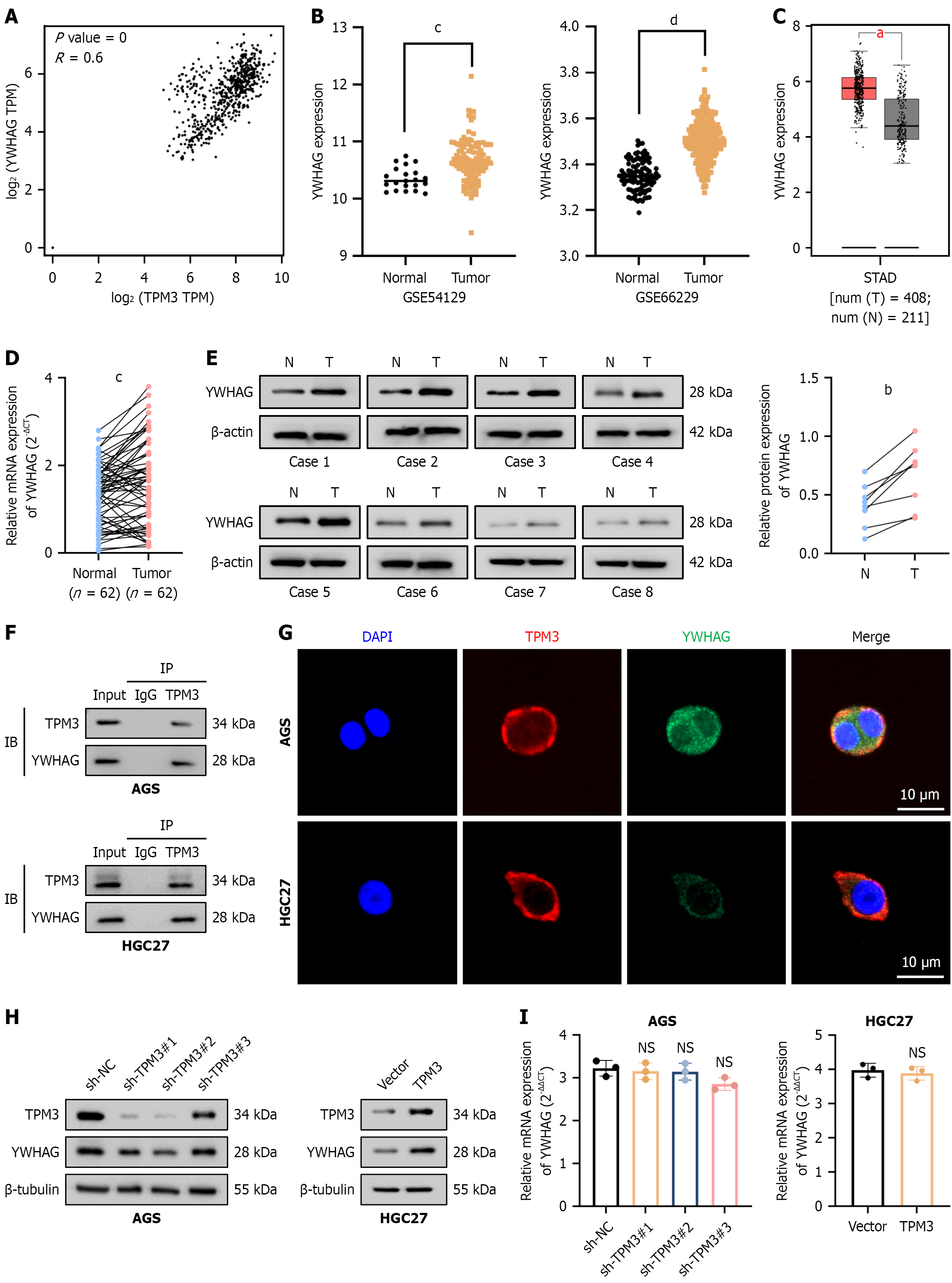
Figure 5 Tropomyosin 3 interacts with tyrosine 3-monooxygenase/tryptophan 5-monooxygenase activation protein gamma in gastric cancer cells and positively regulates the expression of tyrosine 3-monooxygenase/tryptophan 5-monooxygenase activation protein gamma.
A: Tropomyosin 3 (TPM3) was significantly positively correlated with tyrosine 3-monooxygenase/tryptophan 5-monooxygenase activation protein gamma (YWHAG) in The Cancer Genome Atlas cohort from GEPIA 2.0 database; B: Gene Expression Omnibus databases (GSE54129 and GSE66229) analysis of YWHAG mRNA expression in normal tissues and gastric cancer (GC) tissues; C: Comparative analysis of the expression differences of YWHAG in normal tissues and GC tissues using the GEPIA2.0 database; D: Quantitative real-time PCR analysis of YWHAG mRNA expression in 62 pairs of tumorous and para-carcinoma tissue from the Second Affiliated Hospital of Nanchang University; E: Western blotting showed the protein expression of YWHAG in tumorous and para-carcinoma tissue; F: Co-immunoprecipitation indicated the presence of direct or indirect binding between TPM3 and YWHAG; G: The colocalization between TPM3 and YWHAG was visualized by a confocal laser scanning microscope in different GC cell lines; H: Western blotting analysis was performed to observe the expression changes of YWHAG following TPM3 knockdown or overexpression; I: Quantitative real-time PCR analysis was performed to examine the expression changes of YWHAG following TPM3 knockdown or overexpression. aP < 0.05, bP < 0.01, cP < 0.001, dP < 0.0001. NS: Not significant; Co-IP: Co-immunoprecipitation; IgG: Immunoglobulin G; sh-NC: Control shRNA; STAD: Stomach adenocarcinoma; TPM3: Tropomyosin 3; YWHAG: Tyrosine 3-monooxygenase/tryptophan 5-monooxygenase activation protein gamma; Vector: Empty vector control.
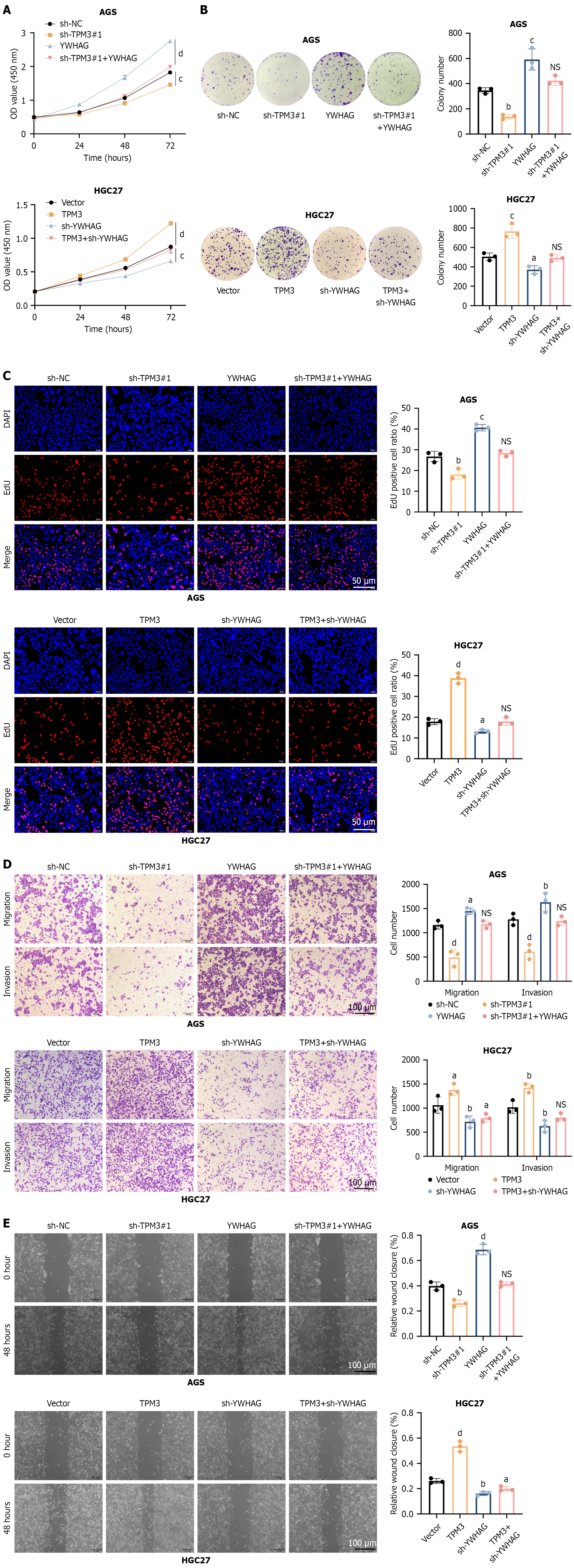
Figure 6 Tropomyosin 3 influences proliferation, migration, and invasion of gastric cancer cells by regulating tyrosine 3-monooxy
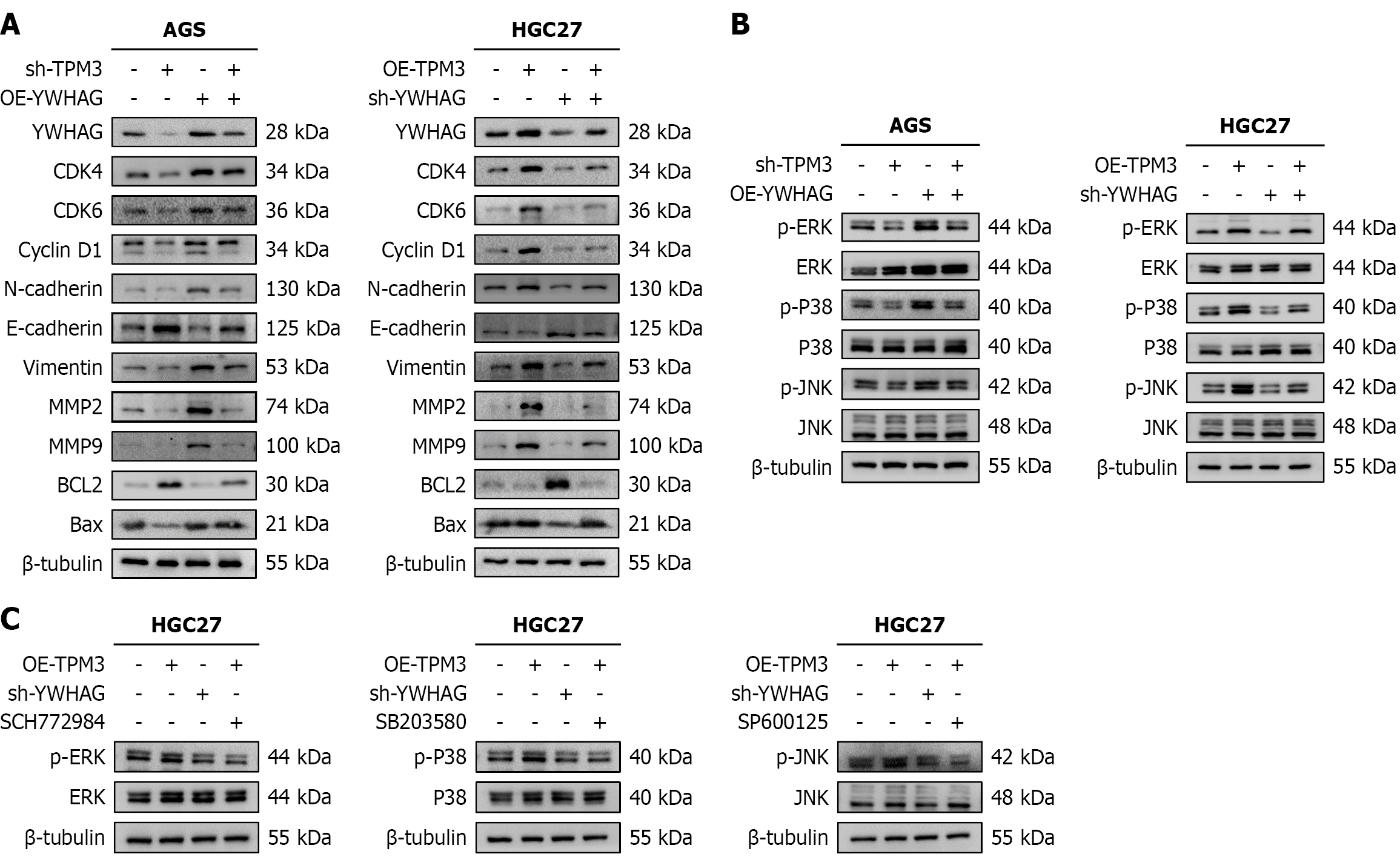
Figure 7 Tropomyosin 3 influences cell cycle, apoptosis, matrix metalloproteinase family proteins, and epithelial-mesenchymal transition in gastric cancer cells through tyrosine 3-monooxygenase/tryptophan 5-monooxygenase activation protein gamma, and activates the mitogen-activated protein kinase signaling pathway.
A and B: Western blotting analysis confirmed that tropomyosin 3 influences the cell cycle, apoptosis, matrix metalloproteinase family proteins, and epithelial-mesenchymal transition in gastric cancer cells through tyrosine 3-monooxygenase/tryptophan 5-monooxygenase activation protein gamma, and activates the mitogen-activated protein kinase signaling pathway; C: Western blotting analysis of HGC27 cells overexpressing tropomyosin 3, followed by tyrosine 3-monooxygenase/tryptophan 5-monooxygenase activation protein gamma knockdown or treatment with mitogen-activated protein kinase pathway inhibitors, including SCH772984 (extracellular signal-regulated kinase inhibitor, 20 μM), SB203580 (p38 inhibitor, 20 μM), and SP600125 (c-Jun N-terminal kinase inhibitor, 20 μM). ERK: Extracellular signal-regulated kinase; JNK: C-Jun N-terminal kinase; OE: Overexpression plasmid; MMP: Matrix metalloproteinase; TPM3: Tropomyosin 3; YWHAG: Tyrosine 3-monooxygenase/tryptophan 5-monooxygenase activation protein gamma.
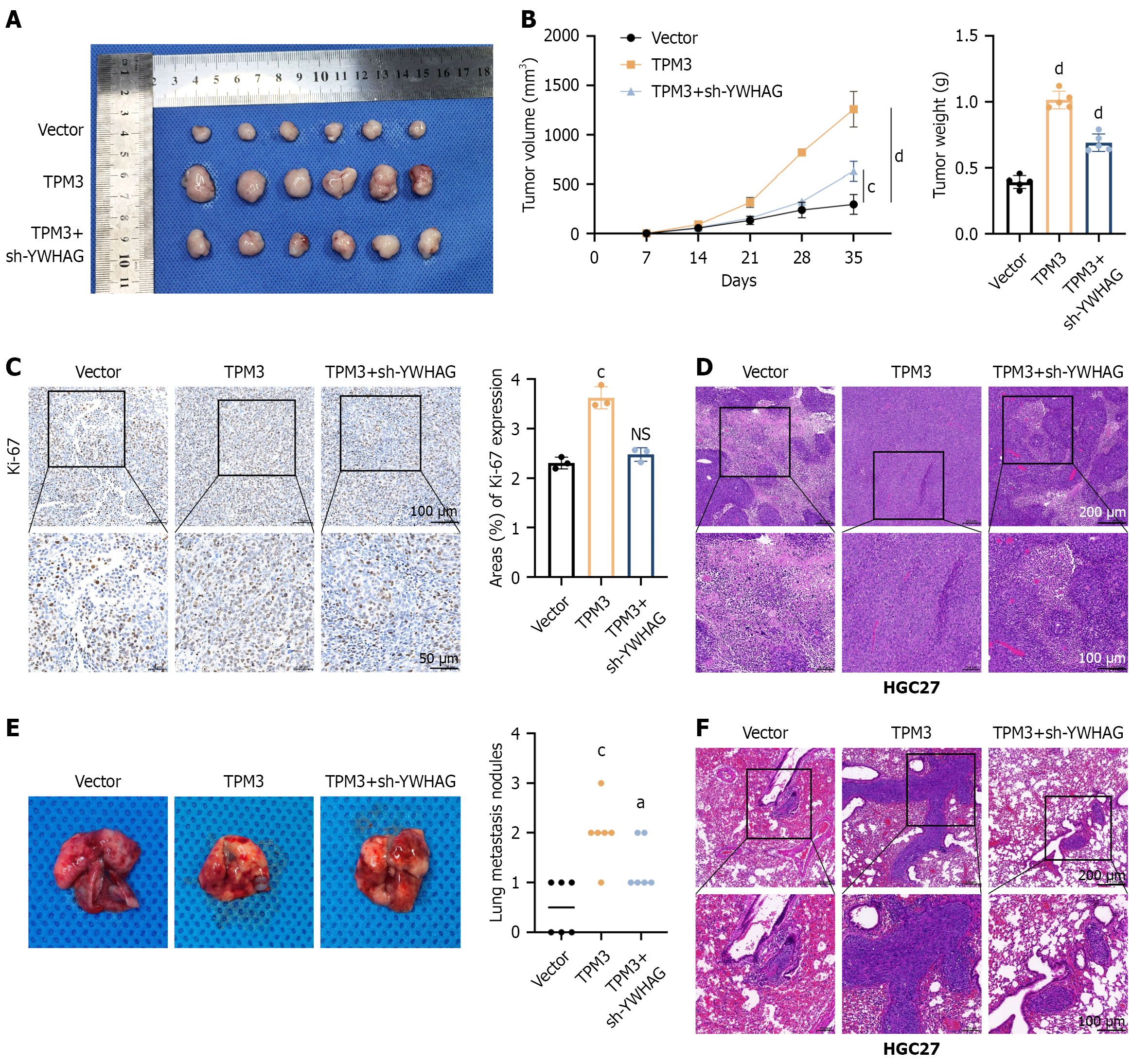
Figure 8 Tropomyosin 3 regulates gastric cancer cell progression through tyrosine 3-monooxygenase/tryptophan 5-monooxygenase activation protein gamma in vivo.
A and B: Tumor volumes and weights measured at the endpoint; C: Immunohistochemical analysis showed the expression of Ki-67 in xenograft tumor tissues from different groups; D: Hematoxylin and eosin staining analysis revealed the tumor tissues in different groups; E and F: Fresh lung tissues were harvested from mice intravenously injected with HGC27 cells through the tail vein, including the control group, tropomyosin 3 (TPM3) overexpression group, and TPM3 overexpression + tyrosine 3-monooxygenase/tryptophan 5-monooxygenase activation protein gamma knockdown group. The number of lung metastatic nodules was then counted and hematoxylin and eosin staining was used to observe the lung metastatic nodules in different groups. Primary tumor samples were collected from mice injected with HGC27 cells, including the control group, TPM3 overexpression group, and TPM3 overexpression + tyrosine 3-monooxygenase/tryptophan 5-monooxygenase activation protein gamma knockdown group. aP < 0.05, cP < 0.001, dP < 0.0001. NS: Not significant; TPM3: Tropomyosin 3; YWHAG: Tyrosine 3-monooxygenase/tryptophan 5-monooxygenase activation protein gamma; Vector: Empty vector control.
- Citation: Yue ZQ, Yuan YW, Xu HS, Li XQ, Gan JH, Zou YH, Fan LJ, Xin L. Tropomyosin 3 regulates tyrosine 3-monooxygenase/tryptophan 5-monooxygenase activation protein gamma to promote malignant progression in gastric cancer. World J Gastroenterol 2026; 32(22): 117290
- URL: https://www.wjgnet.com/1007-9327/full/v32/i22/117290.htm
- DOI: https://dx.doi.org/10.3748/wjg.v32.i22.117290