
















©The Author(s) 2026.
World J Gastroenterol. Jan 14, 2026; 32(2): 114591
Published online Jan 14, 2026. doi: 10.3748/wjg.v32.i2.114591
Published online Jan 14, 2026. doi: 10.3748/wjg.v32.i2.114591
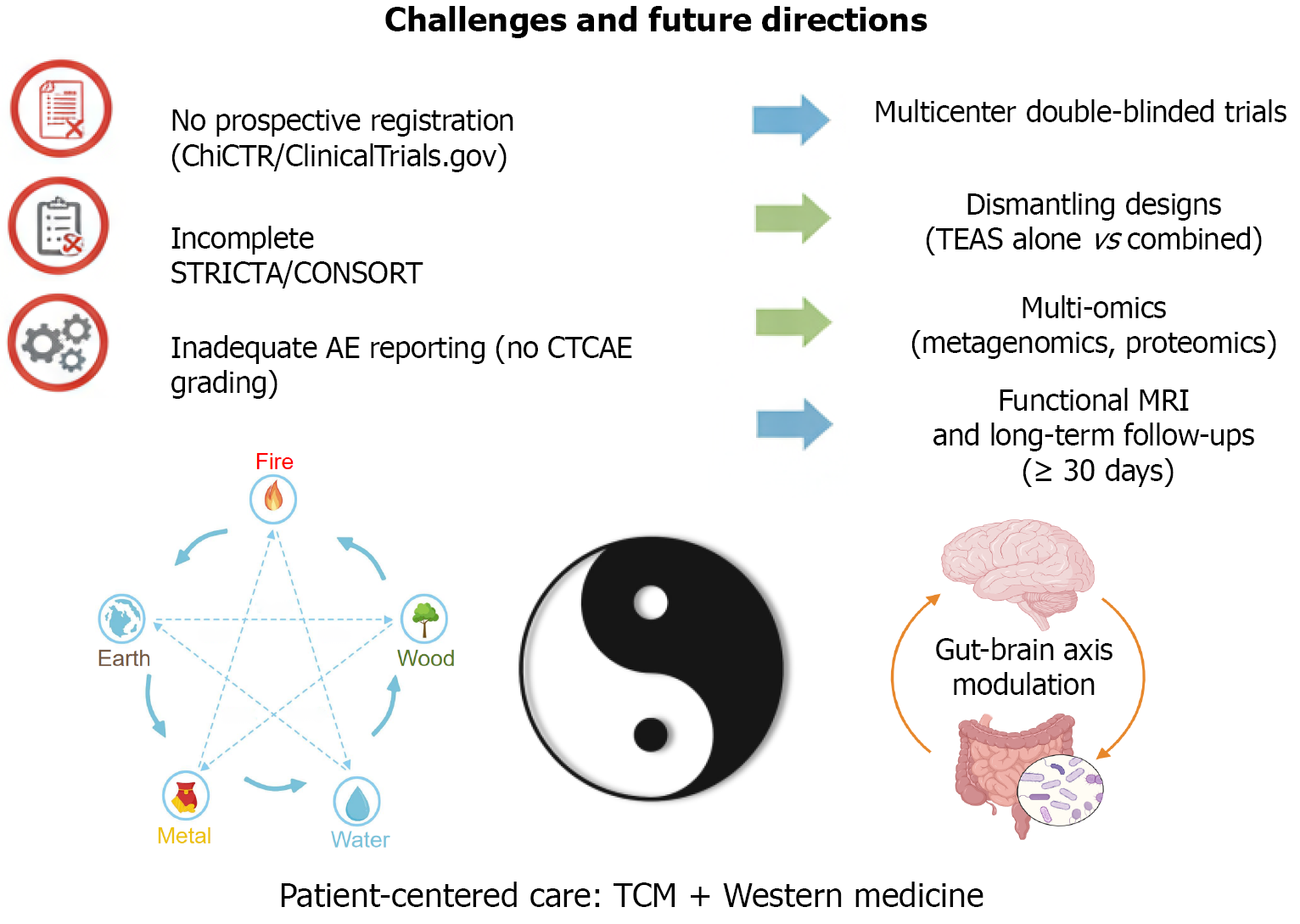
Figure 1 Challenges and future directions in traditional Chinese medicine gastroenteroscopy recovery research.
Methodological gaps include lack of prospective registration (ChiCTR/ClinicalTrials.gov), incomplete STRICTA/CONSORT adherence, composite intervention bias, and inadequate adverse event reporting (no common terminology criteria for adverse event grading). Future recommendations: Multicenter double-blinded trials, dismantling designs (transcutaneous electrical acupoint stimulation alone vs combined), multi-omics (metagenomics, proteomics), functional magnetic resonance imaging, and long-term follow-ups (≥ 30 days). Integration of traditional Chinese medicine (five-element cycle) and Western medicine via gut-brain axis modulation supports patient-centered care. AE: Adverse event; CTCAE: Common terminology criteria for adverse event; TCM: Traditional Chinese medicine; TEAS: Transcutaneous electrical acupoint stimulation; MRI: Magnetic resonance imaging.
- Citation: Zhang JL, You LZ. Evidence-based acupuncture: Methodological insights and challenges in gastroenteroscopy recovery research. World J Gastroenterol 2026; 32(2): 114591
- URL: https://www.wjgnet.com/1007-9327/full/v32/i2/114591.htm
- DOI: https://dx.doi.org/10.3748/wjg.v32.i2.114591