
















Copyright: ©Author(s) 2026.
World J Gastroenterol. May 7, 2026; 32(17): 118346
Published online May 7, 2026. doi: 10.3748/wjg.v32.i17.118346
Published online May 7, 2026. doi: 10.3748/wjg.v32.i17.118346
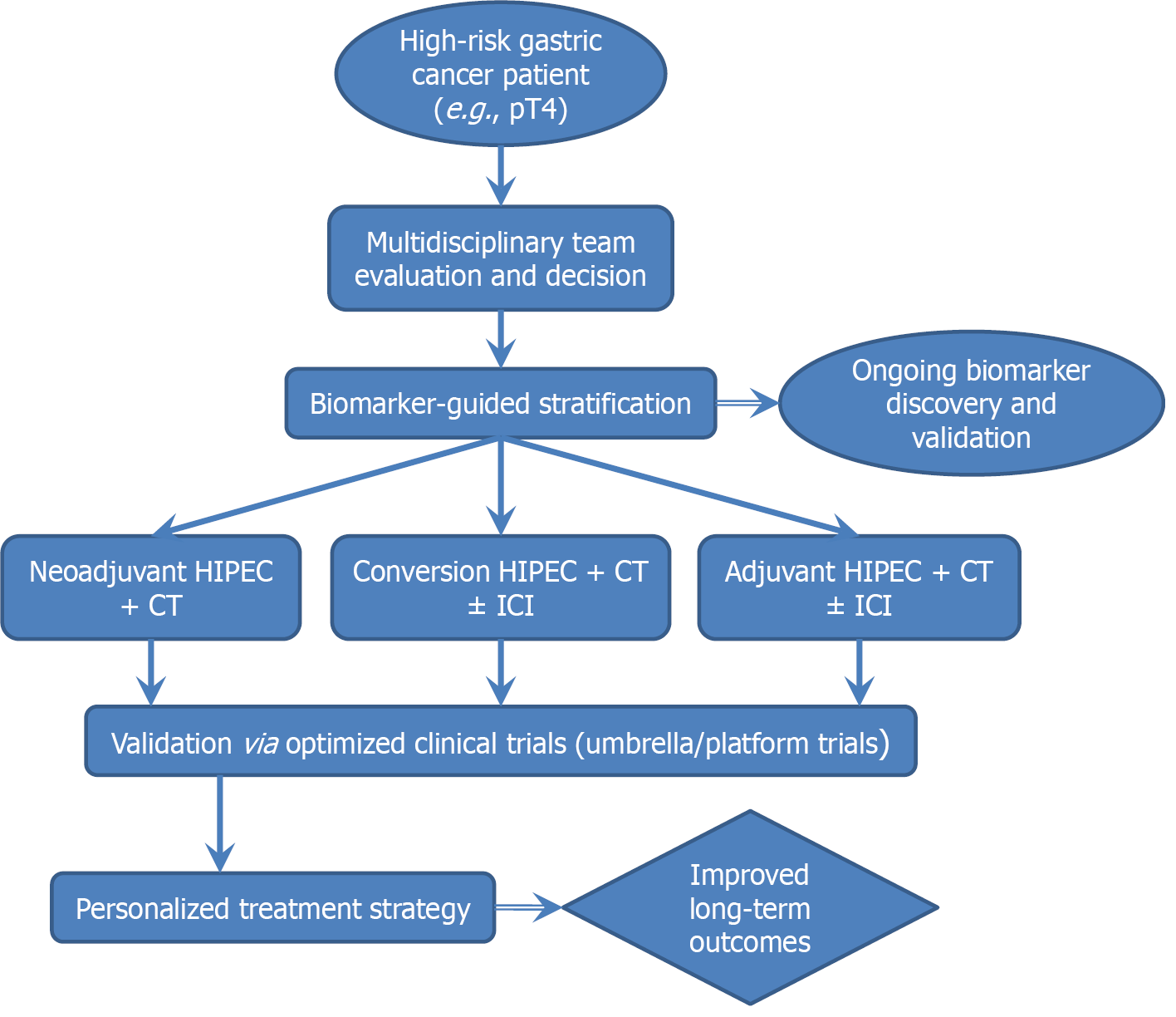
Figure 1 A roadmap for personalized decision-making in high-risk gastric cancer (e.
g., pathological T4 stage). This flowchart delineates a multi-path intervention framework for high-risk gastric cancer patients, anchored in multidisciplinary team evaluation and biomarker-guided stratification. It encompasses therapeutic strategies across neoadjuvant, conversion, and adjuvant settings, proposes validation through optimized clinical trials (umbrella/platform trials), and ultimately aims to guide personalized treatment strategies to improve long-term patient outcomes. In the diagram, solid arrows indicate the core clinical decision pathway, while dashed arrows denote associated research directions. Different node shapes are used for clarity: Rectangles represent core clinical/decision points, ovals signify associated research modules, and the diamond denotes the final outcome metric. CT: Chemotherapy; HIPEC: Hyperthermic intraperitoneal che
- Citation: Ni CX, Xu JJ. From local eradication to immune priming: Paradigm shift of hyperthermic intraperitoneal chemotherapy in gastric cancer therapy. World J Gastroenterol 2026; 32(17): 118346
- URL: https://www.wjgnet.com/1007-9327/full/v32/i17/118346.htm
- DOI: https://dx.doi.org/10.3748/wjg.v32.i17.118346