
















Copyright: ©Author(s) 2026.
World J Gastroenterol. May 7, 2026; 32(17): 116386
Published online May 7, 2026. doi: 10.3748/wjg.v32.i17.116386
Published online May 7, 2026. doi: 10.3748/wjg.v32.i17.116386
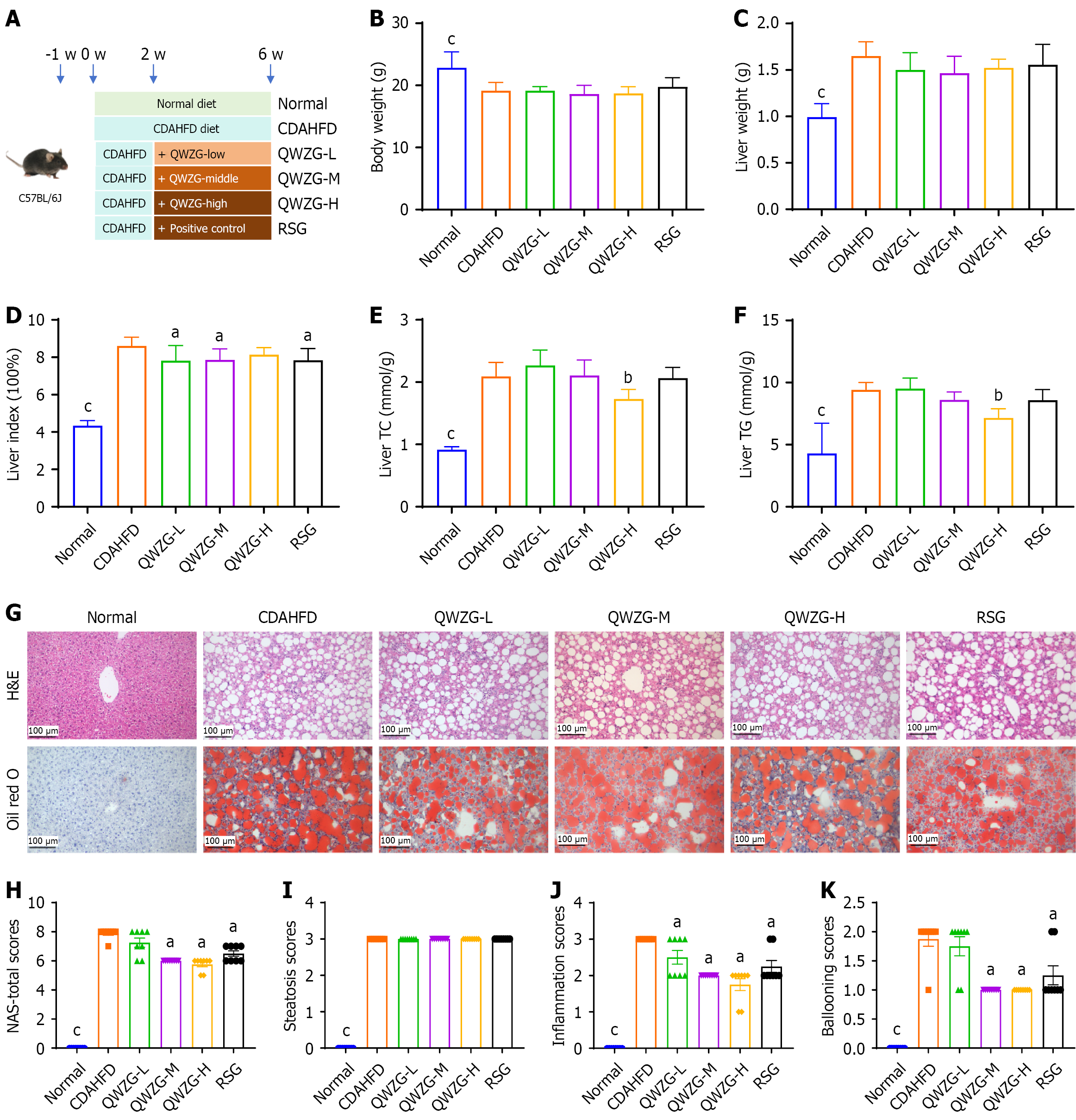
Figure 1 Qiweizhigan granule ameliorated hepatic steatosis in metabolic dysfunction-associated steatohepatitis mice.
A: Experimental design of Qiweizhigan granule animal trial; B: Body weight; C: Liver weight; D: Liver index (liver weight/body weight %); E: Liver total cholesterol content; F: Liver triglycerides content; G: Representative images of hematoxylin and eosin staining staining and Oil Red O staining; H-K: Histopathological scoring: Steatosis score, inflammation score, ballooning score, and NAFLD activity score were shown. Data were presented as means ± SEM. aP < 0.05, bP < 0.01, cP < 0.001. CDAHFD: Choline-deficient, L-amino acid-defined high-fat diet; HE: Hematoxylin and eosin; NAS: NAFLD activity score; QWZG: Qiweizhigan granule; RSG: Receiving rosiglitazone; TC: Total cholesterol; TG: Triglycerides.
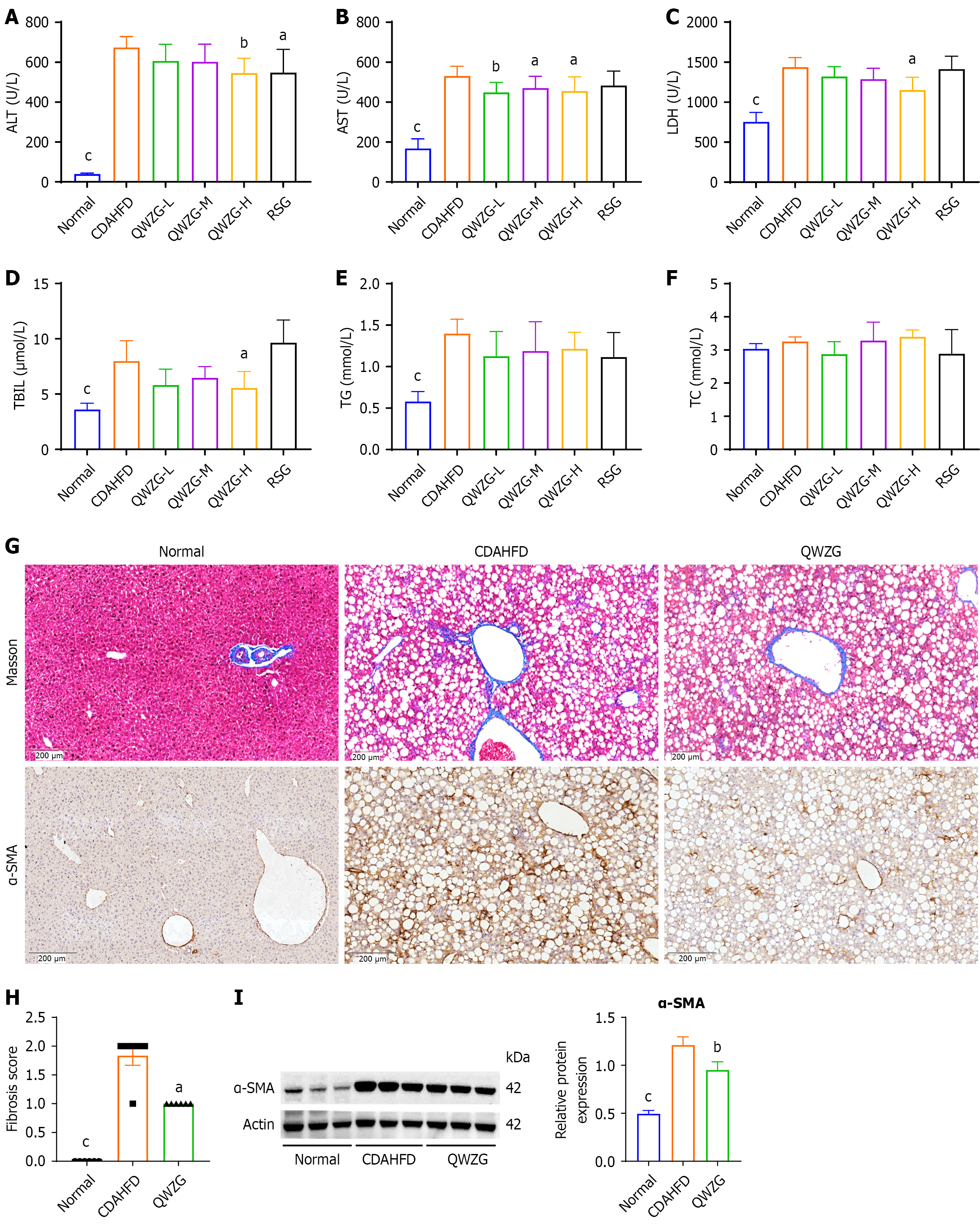
Figure 2 Qiweizhigan granule reduced fibrosis in metabolic dysfunction-associated steatohepatitis mice.
A: Serum alanine aminotransferase level; B: Serum aspartate aminotransferaselevel; C: Serum lactate dehydrogenase level; D: Serum total bilirubin level; E: Serum triglycerides level; F: Serum total cholesterol level were performed among the six groups; G: Representative images of Masson’s trichrome staining and immunohistochemical staining of α-smooth muscle actin were shown among the three groups; H and I: Fibrosis score and western blots analysis of α-smooth muscle actin and β-actin protein expression were performed. Data were presented as means ± SEM. aP < 0.05, bP < 0.01, cP < 0.001. ALT: Alanine aminotransferase; AST: Aspartate aminotransferase; α-SMA: α-smooth muscle actin; CDAHFD: Choline-deficient, L-amino acid-defined high-fat diet; LDH: Lactate dehydrogenase; QWZG: Qiweizhigan granule; TBIL: Total bilirubin; TC: Total cholesterol; TG: Triglycerides.
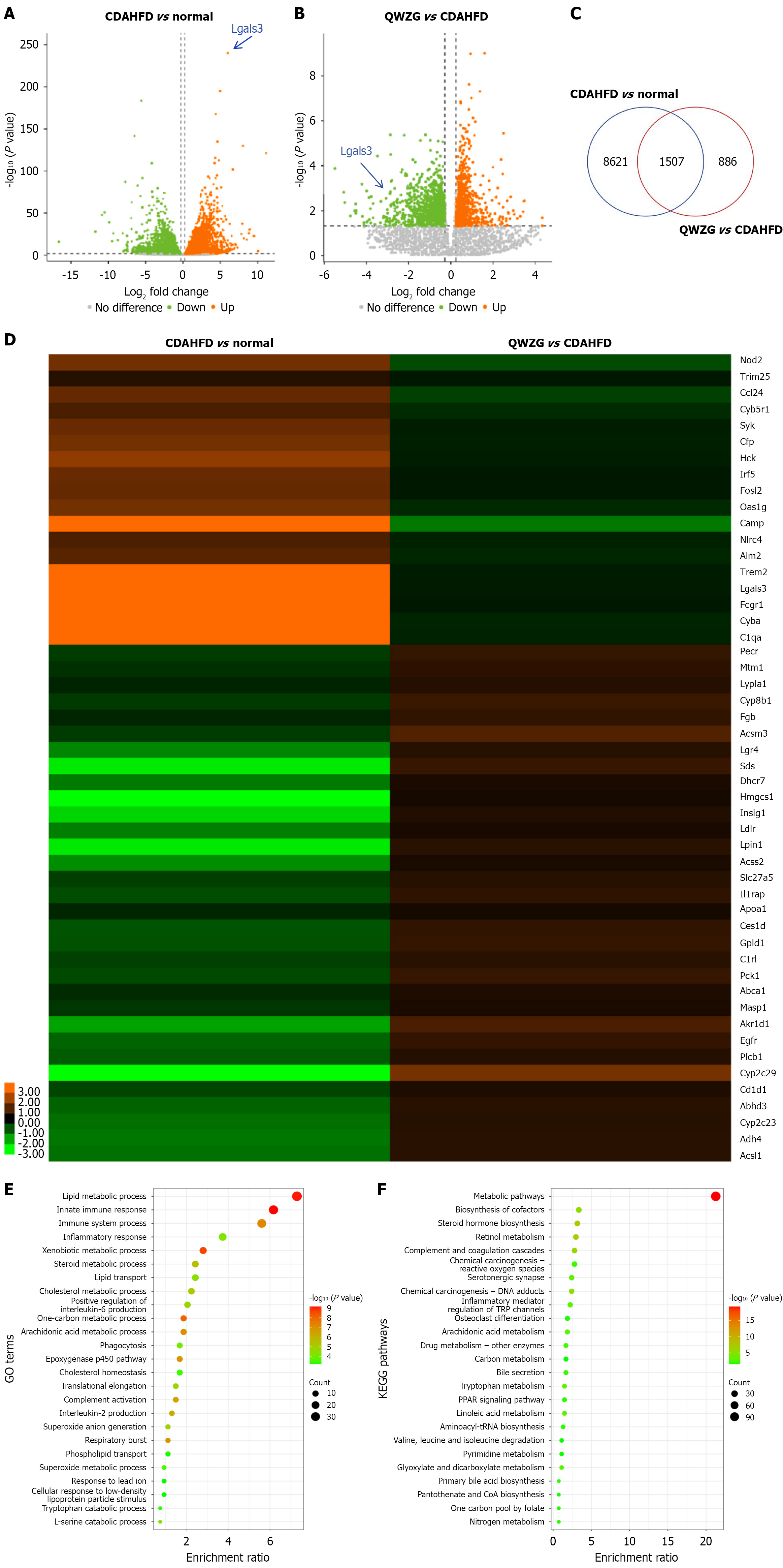
Figure 3 Transcriptomics highlights galectin 3 as a key gene mediating the therapeutic effect of Qiweizhigan granule on metabolic dysfunction-associated steatohepatitis.
A: Volcano plots between metabolic dysfunction-associated steatohepatitis model and control; B: Volcano plots between Qiweizhigan granule treated and metabolic dysfunction-associated steatohepatitis model groups. Orange dots indicate up-regulated differentially expressed genes (DEGs), green dots indicate down-regulated DEGs, and gray dots indicate no significant changes; C: Venn diagram between pairwise groups; D: Hierarchical cluster heatmap, green color indicates down-regulated and orange color indicates up-regulated; E: Top 25 enriched Gene Ontology terms, the X-axis indicates enrichment ratio, and the Y-axis indicates names of Gene Ontology term, the size and color of the dots indicates enriched gene counts and -log10 (P value), respectively; F: Top 25 enriched Kyoto Encyclopedia of Genes and Genomes pathways, the X-axis indicates enrichment ratio, and the Y-axis indicates Kyoto Encyclopedia of Genes and Genomes pathway names, the size and color of the dots indicates enriched gene counts and -log10 (P value), respectively. CDAHFD: Choline-deficient, L-amino acid-defined high-fat diet; LGALS3: Galectin 3; QWZG: Qiweizhigan granule.
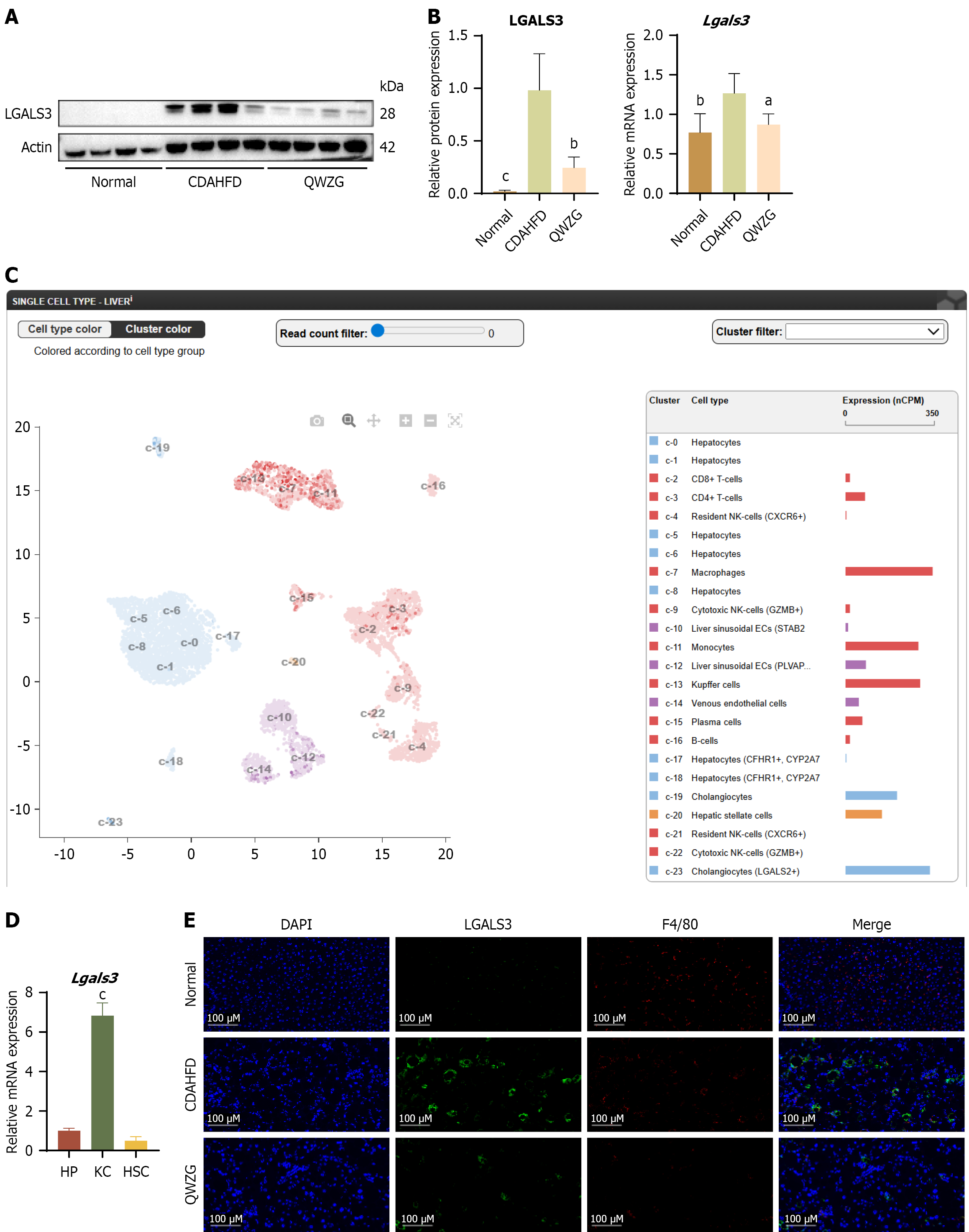
Figure 4 Qiweizhigan granule modulates the expression of galectin 3.
A and B: Protein expression and mRNA expression of galectin 3 (LGALS3) were verified among the normal, a choline-deficient, L-amino acid-defined high-fat diet, and Qiweizhigan granule groups; C: Distribution of LGALS3 protein across various cell types in liver tissue based on The Human Protein Atlas database was shown; D: Expression levels of LGALS3 mRNA in Kupffer cells, hepatocytes, and hepatic stellate cells from normal mouse liver were verified; E: Immunofluorescence results of LGALS3 among the normal, choline-deficient, L-amino acid-defined high-fat diet, and Qiweizhigan granule groups were performed. Data were presented as means ± SEM. aP < 0.05, bP < 0.01, cP < 0.001. CDAHFD: Choline-deficient, L-amino acid-defined high-fat diet; LGALS3: Galectin 3; QWZG: Qiweizhigan granule.
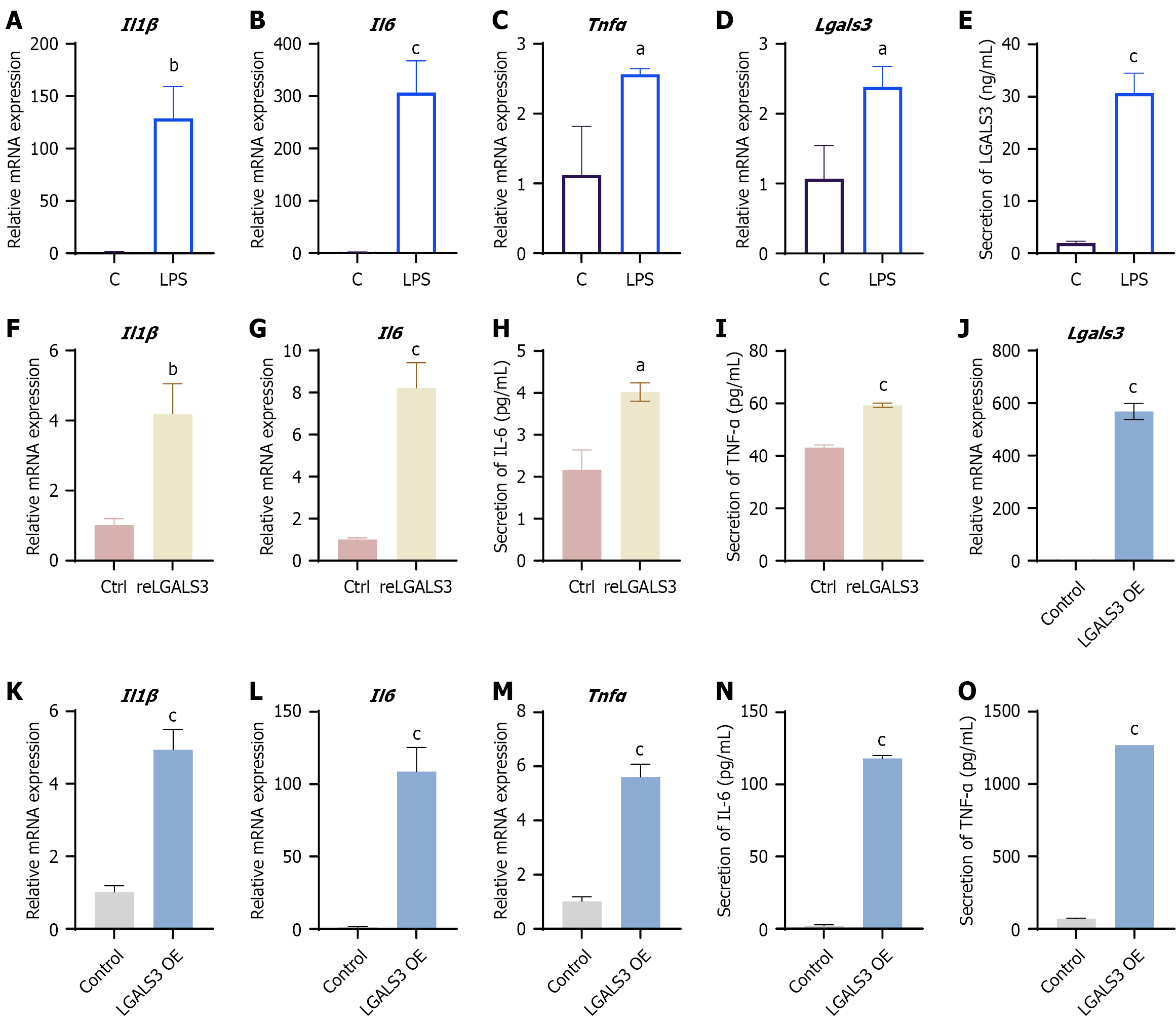
Figure 5 Galectin 3 regulates the inflammatory response in RAW264.
7 cells. A-C: The mRNA levels of interleukin (IL)-1β, IL-6, and tumor necrosis factor-α (TNF-α) in RAW264.7 cells following 24-hour intervention with lipopolysaccharide (LPS) (100 ng/mL) were significantly increased; D: Galectin 3 (LGALS3) mRNA expression in RAW264.7 cells after LPS intervention was significantly increased; E: Secreted LGALS3 level in RAW264.7 cell supernatant after LPS intervention was significantly increased; F and G: The mRNA levels of IL-1β, and IL-6 in RAW264.7 cells after intervention with recombinant LGALS3 protein were significantly increased; H and I: Secretion levels of IL-6 and TNF-α in RAW264.7 cells after recombinant LGALS3 protein intervention were significantly increased; J: The overexpression efficiency of LGALS3 in RAW264.7 cells transfected with LGALS3 overexpression plasmid was verified; K-M: The mRNA levels of IL-1β, IL-6, and TNF-α in RAW264.7 cells after LGALS3 overexpression were significantly increased; N and O: Secretion levels of IL-6 and TNF-α in RAW264.7 cells after LGALS3 overexpression were significantly increased. Data were presented as means ± SEM. aP < 0.05, bP < 0.01, cP < 0.001. IL: Interleukin; LGALS3: Galectin 3; TNF-α: Tumor necrosis factor-α.
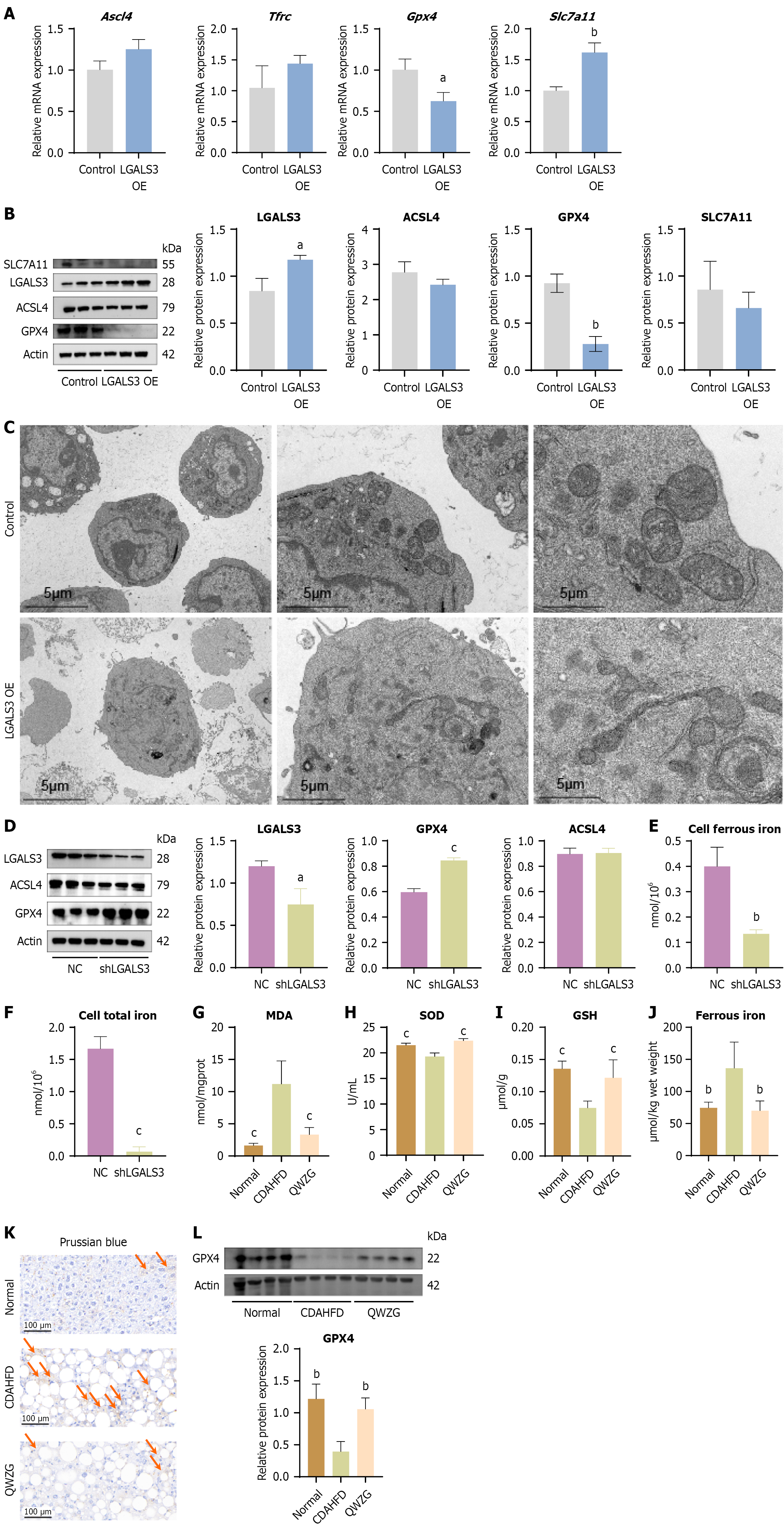
Figure 6 Galectin 3 mediates ferroptosis.
A: The levels of ferroptosis-related genes [achaete-scute family bHLH transcription factor 4 (ACSL4), transferrin receptor, glutathione peroxidase 4 (GPX4), solute carrier family 7 member 11] in RAW264.7 cells after galectin 3 (LGALS3) overexpression were verified; B: The levels of GPX4, ACSL4, and solute carrier family 7 member 11 in RAW264.7 cells were verified; C: Transmission electron microscopy observation of ferroptosis in RAW264.7 cells following LGALS3 overexpression was performed; D: LGALS3 knockdown efficiency and alterations of ferroptosis proteins (GPX4, ACSL4) in RAW264.7 cells were performed; E: Measurement of ferrous iron (Fe2+) content in RAW264.7 cells after LGALS3 knockdown; F: Measurement of total iron content in RAW264.7 cells after LGALS3 knockdown; G-I: The levels of malondialdehyde, superoxide dismutase, and glutathione were performed among the three groups; J: Quantification of ferrous iron (Fe2+) levels in liver tissues among the normal, choline-deficient, L-amino acid-defined high-fat diet (CDAHFD), and Qiweizhigan granule (QWZG) groups; K: Enhanced Prussian blue staining with DAB amplification showing iron deposition in liver sections among the normal, CDAHFD, and QWZG groups; L: GPX4 protein expression in liver tissues among the normal, CDAHFD, and QWZG groups was performed. Data were presented as means ± SEM. aP < 0.05, bP < 0.01, cP < 0.001. ACSL4: Achaete-scute family bHLH transcription factor 4; CDAHFD: Choline-deficient, L-amino acid-defined high-fat diet; GPX4: Glutathione peroxidase 4; GSH: Glutathione; LGALS3: Galectin 3; MDA: Malondialdehyde; QWZG: Qiweizhigan granule; SLC7A11: Solute carrier family 7 member 11; SOD: Superoxide dismutase; Tfrc: Transferrin receptor.
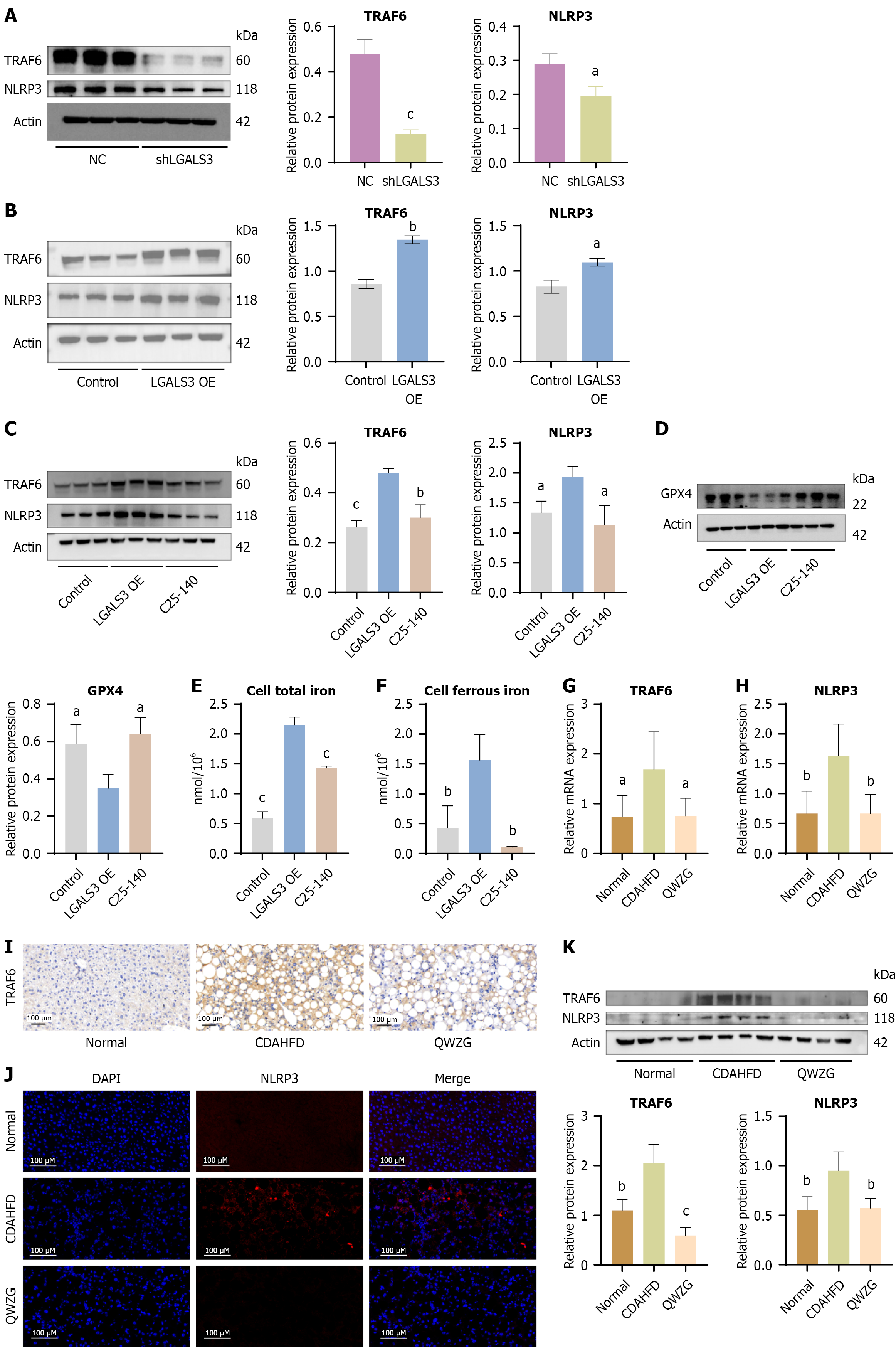
Figure 7 Qiweizhigan granule ameliorates metabolic dysfunction-associated steatohepatitis by modulating the galectin 3/tumor necrosis factor receptor-associated factor 6/ glutathione peroxidase 4 axis.
A: The levels of tumor necrosis factor receptor-associated factor 6 (TRAF6) and NOD-like receptor family pyrin domain containing 3 (NLRP3) in RAW264.7 cells after galectin 3 (LGALS3) knockdown were performed; B: The levels of TRAF6 and NLRP3 in RAW264.7 cells after LGALS3 overexpression were performed; C and D: The levels of glutathione peroxidase 4, NLRP3, and TRAF6 in RAW264.7 cells after LGALS3 overexpression with subsequent TRAF6 inhibition by C25-140 were verified; E: Measurement of total iron content in RAW264.7 cells after LGALS3 overexpression combined with TRAF6 inhibitor treatment; F: Measurement of ferrous iron (Fe2+) content in RAW264.7 cells after LGALS3 overexpression combined with TRAF6 inhibitor treatment; G and H: The mRNA expression of TRAF6 and NLRP3 in liver tissues among Normal, choline-deficient, L-amino acid-defined high-fat diet (CDAHFD), and Qiweizhigan granule (QWZG) groups were performed; I: Immunohistochemical analysis of TRAF6 in liver sections among the Normal, CDAHFD, and QWZG groups was performed; J: Immunofluorescence analysis of NLRP3 in liver sections among the Normal, CDAHFD, and QWZG groups was performed; K: Protein levels of TRAF6 and NLRP3 in liver tissues among the Normal, CDAHFD, and QWZG groups were performed. Data were presented as means ± SEM. aP < 0.05, bP < 0.01, cP < 0.001. CDAHFD: Choline-deficient, L-amino acid-defined high-fat diet; GPX4: Glutathione peroxidase 4; LGALS3: Galectin 3; NLRP3: NOD-like receptor family pyrin domain containing 3; QWZG: Qiweizhigan granule; TRAF6: Tumor necrosis factor receptor-associated factor 6.
- Citation: Yang YN, Sun YH, Zhu MZ, Wang YR, Li M, Wang K, Ma J, Zhang L, Hu D, Zhou WJ, Ji G, Dang YQ. Qiweizhigan granule ameliorates metabolic dysfunction-associated steatohepatitis by modulating the galectin 3/tumor necrosis factor receptor-associated factor 6-mediated ferroptosis. World J Gastroenterol 2026; 32(17): 116386
- URL: https://www.wjgnet.com/1007-9327/full/v32/i17/116386.htm
- DOI: https://dx.doi.org/10.3748/wjg.v32.i17.116386