
















Copyright: ©Author(s) 2026.
World J Gastroenterol. Apr 28, 2026; 32(16): 117259
Published online Apr 28, 2026. doi: 10.3748/wjg.v32.i16.117259
Published online Apr 28, 2026. doi: 10.3748/wjg.v32.i16.117259
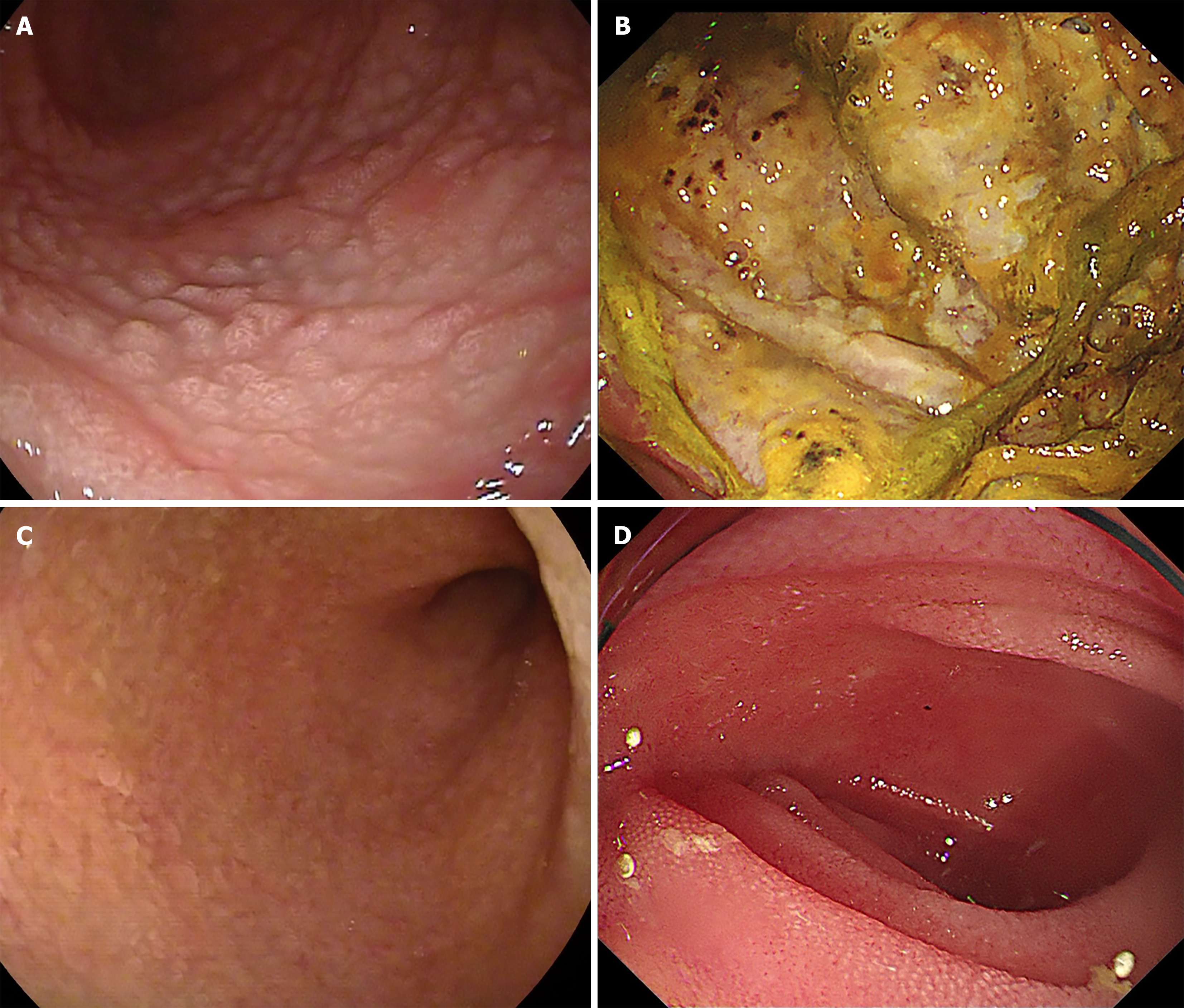
Figure 1 Endoscopic findings in patients with monomorphic epitheliotropic intestinal T-cell lymphoma.
A: Duodenum showing a mosaic pattern; B: Small intestinal mucosa with a large ulcer covered by dirty exudate, without bleeding; C: Small intestinal mucosa exhibiting edema and clustered villous blunting, with partial villous loss; D: Distal ileum with diffuse hyperemia and edema and granular mucosal changes.
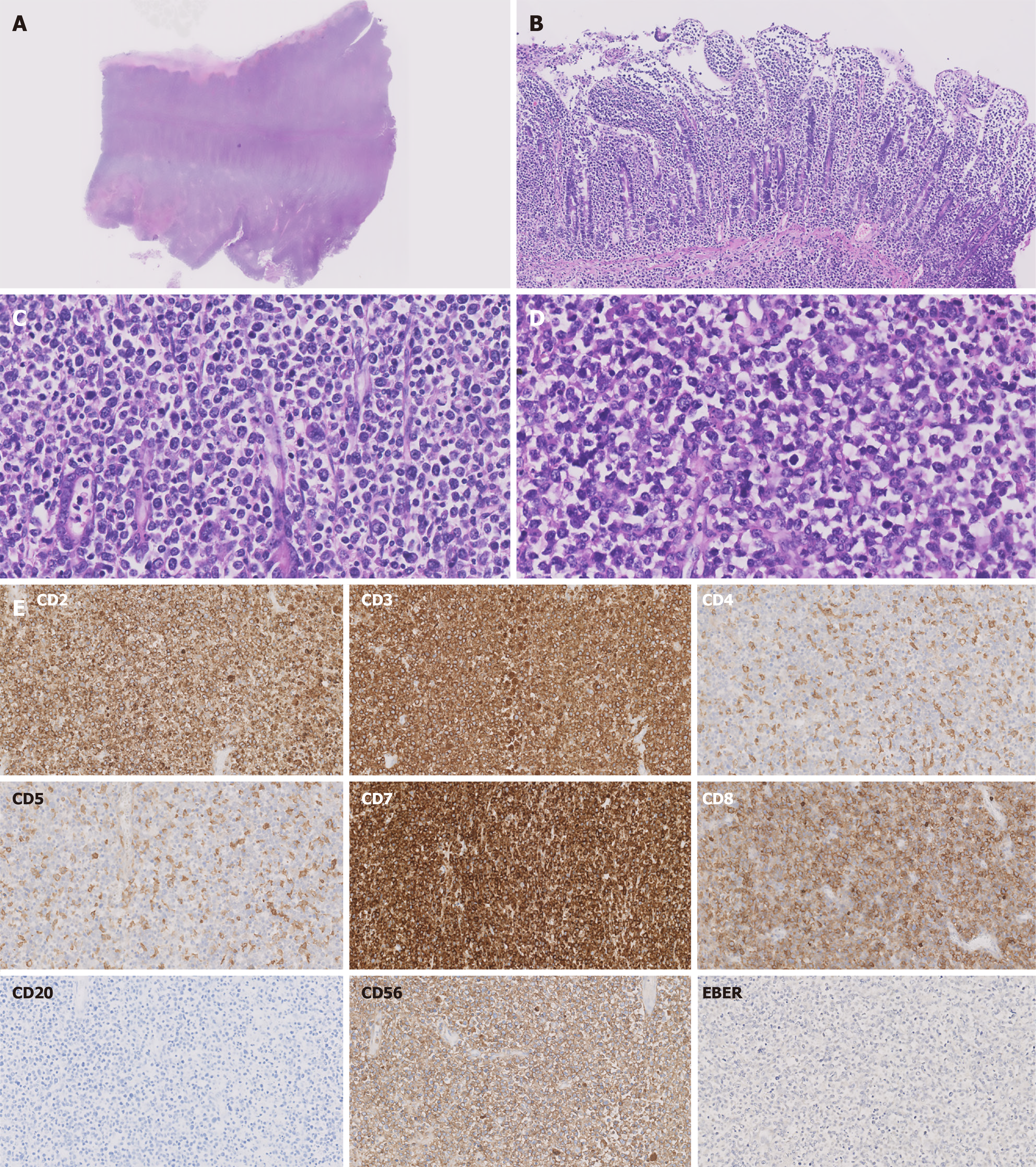
Figure 2 Histopathological and immunophenotypic profiles of monomorphic epitheliotropic intestinal T-cell lymphoma patients.
A: The tumor cells demonstrate transmural invasion (ultra-low magnification preview); B: The mucosa shows a dense, monomorphic infiltrate of lymphoma cells, characterized by prominent epitheliotropism with infiltration of the surface epithelium by numerous neoplastic cells (hematoxylin and eosin, × 40); C and D: The tumor cells are predominantly small to medium-sized with round or slightly irregular nuclei, dense chromatin and frequent mitotic figures, accompanied by a minor population of larger cells (hematoxylin and eosin, × 400); E: Immunohistochemical staining shows that the tumor cells are positive for CD2, CD3, CD7, CD8, and CD56 but negative for CD20, CD5, and CD4. Staining for CD5 and CD4 highlights a minor population of reactive background T lymphocytes. Epstein-Barr virus-encoded RNA in situ hybridization is negative, which helps to exclude extranodal natural killer/T-cell lymphoma (× 200). EBER: Epstein-Barr virus-encoded RNA.
- Citation: Jiang SJ, Ou CZ, Tang H, Li MH, Jia CW, Zhou WX, He ZYT, Li J, Zhang Y, Li JN. Monomorphic epitheliotropic intestinal T-cell lymphoma: Clinical, endoscopic and pathological features. World J Gastroenterol 2026; 32(16): 117259
- URL: https://www.wjgnet.com/1007-9327/full/v32/i16/117259.htm
- DOI: https://dx.doi.org/10.3748/wjg.v32.i16.117259