
















Copyright: ©Author(s) 2026.
World J Gastroenterol. Apr 28, 2026; 32(16): 116142
Published online Apr 28, 2026. doi: 10.3748/wjg.v32.i16.116142
Published online Apr 28, 2026. doi: 10.3748/wjg.v32.i16.116142
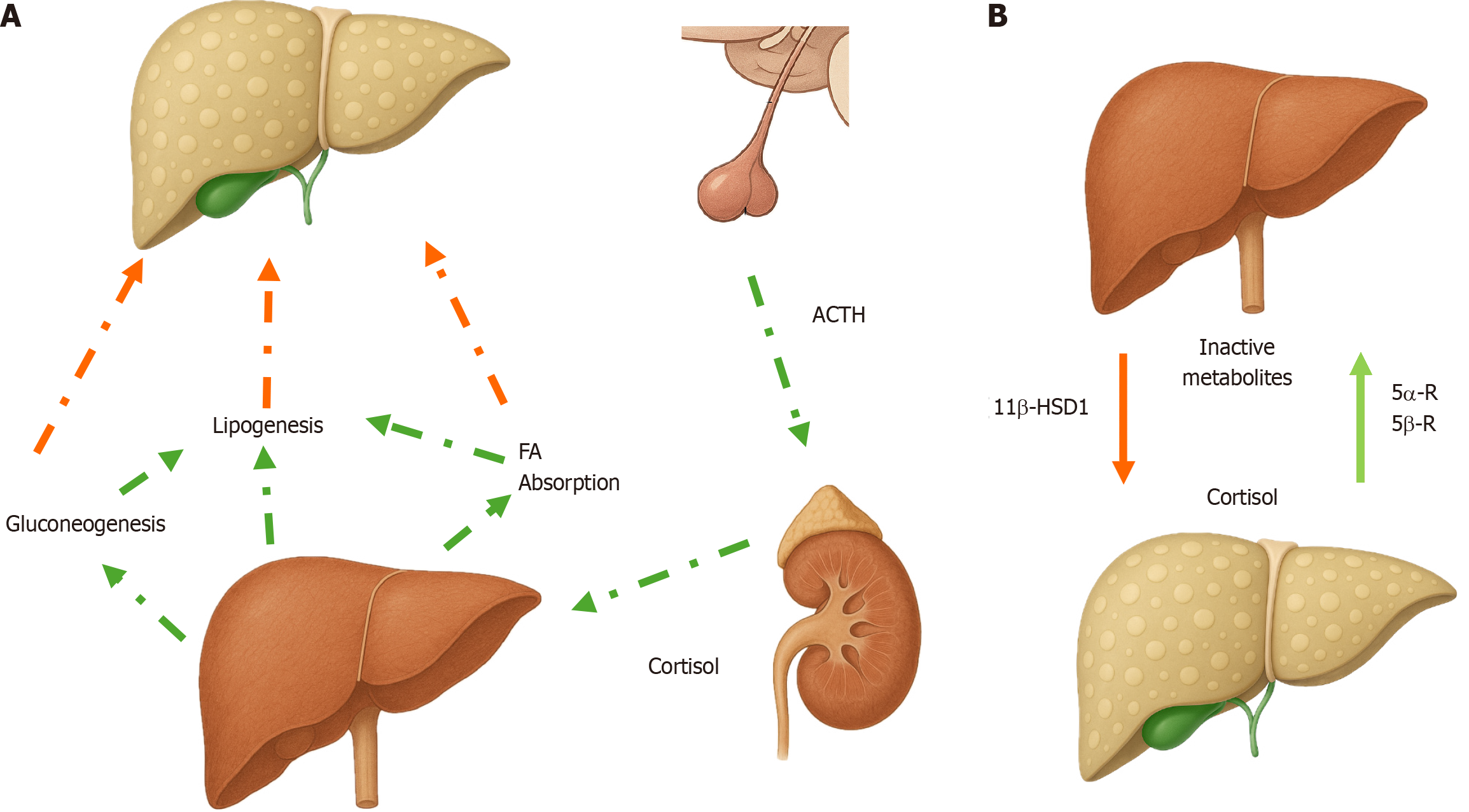
Figure 1 Role of cortisol in liver metabolism and its metabolic pathways.
A: Cortisol is produced upon stimulation by adrenocorticotropic hormone. In the liver, it enhances gluconeogenesis, fatty acid absorption, and lipogenesis, thereby increasing the risk of liver steatosis; B: Cortisone is metabolized by 11β-hydroxysteroid dehydrogenase type 1 into cortisol, and by 5α-reductase and 5β-reductase into inactive metabolites. ACTH: Adrenocorticotropic hormone; FA: Fatty acid; 11β-HSD1: 11β-hydroxysteroid dehydrogenase type 1; 5α-R: 5α-reductase; 5β-R: 5β-reductase.
- Citation: Morgante C, Camma C, Petta S, Guarnotta V, Arnaldi G. Relation between cortisol and metabolic dysfunction-associated steatotic liver disease: A dog chasing its tail. World J Gastroenterol 2026; 32(16): 116142
- URL: https://www.wjgnet.com/1007-9327/full/v32/i16/116142.htm
- DOI: https://dx.doi.org/10.3748/wjg.v32.i16.116142