
















Copyright: ©Author(s) 2026.
World J Gastroenterol. Apr 21, 2026; 32(15): 116105
Published online Apr 21, 2026. doi: 10.3748/wjg.v32.i15.116105
Published online Apr 21, 2026. doi: 10.3748/wjg.v32.i15.116105
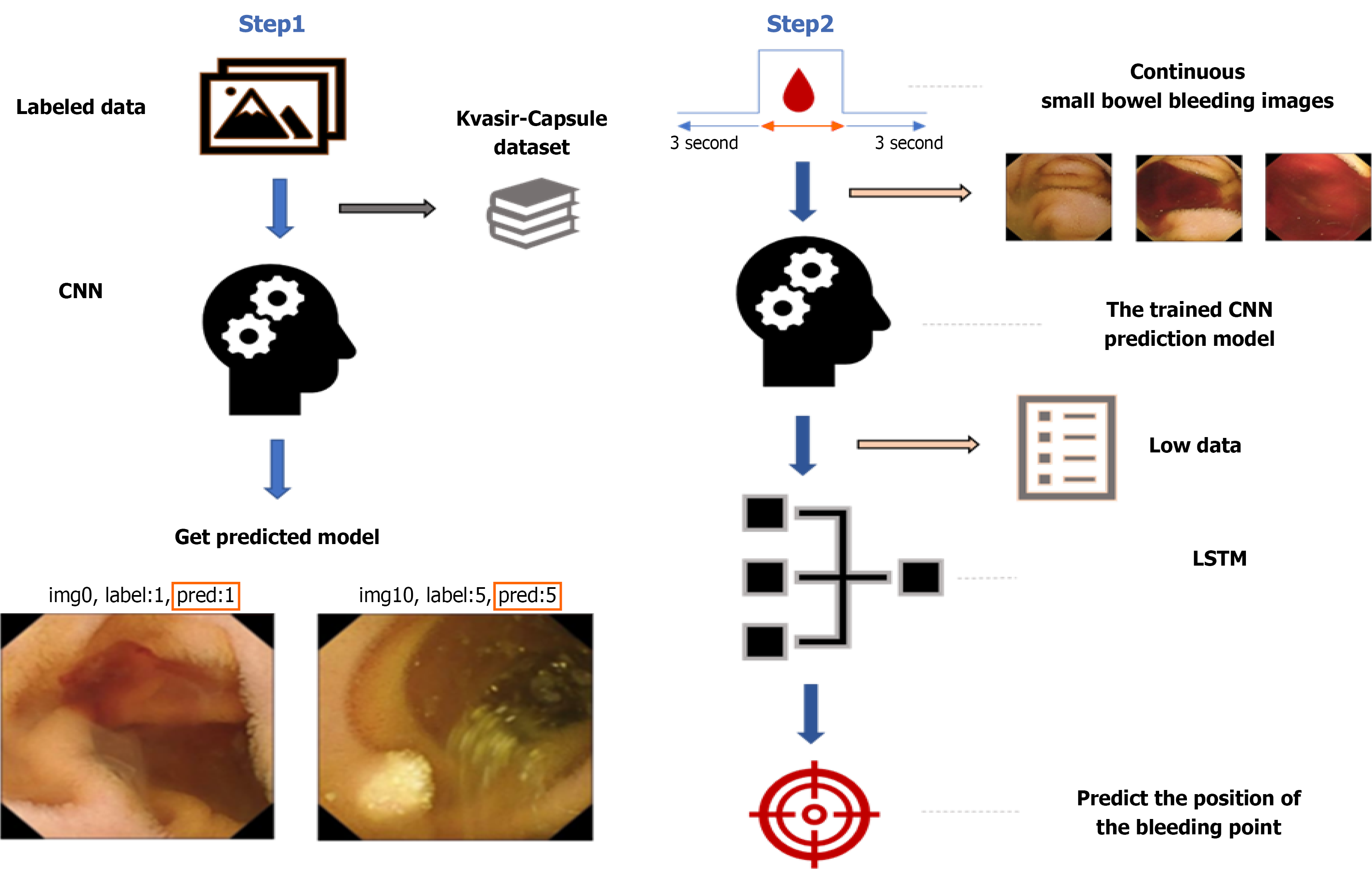
Figure 1 Overall schematic of the proposed convolutional neural network-long short-term memory framework for capsule endoscopy bleeding detection.
The diagram illustrates the workflow from image acquisition, preprocessing, and convolutional neural network-based spatial feature extraction to long short-term memory-based temporal modeling and final prediction. LSTM: Long short-term memory; CNN: Convolutional neural network.
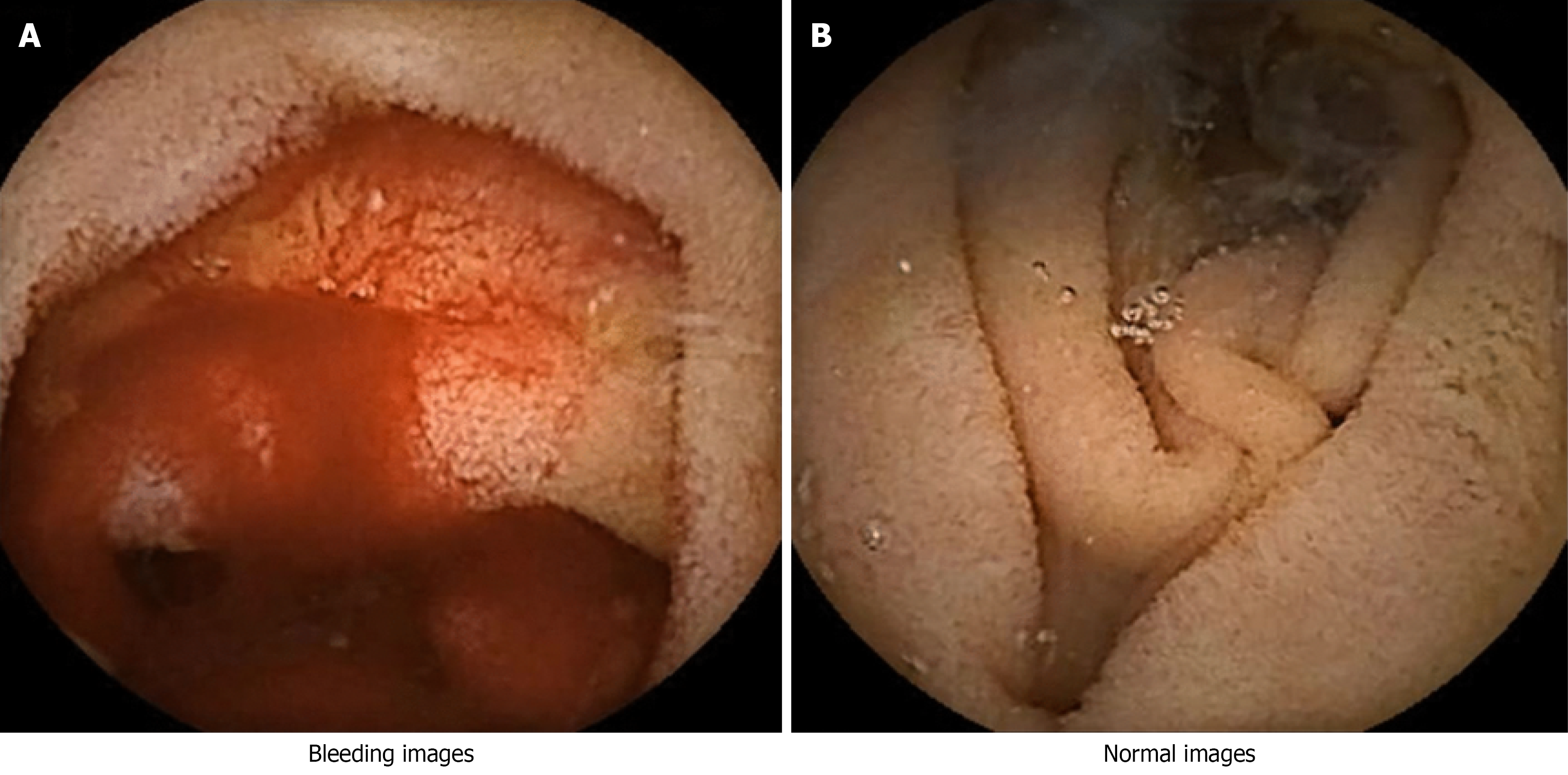
Figure 2 Representative capsule endoscopy images used in this study.
A: Bleeding frame, showing visible bleeding regions in the small intestine; B: Non-bleeding frame, representing normal intestinal mucosa without pathological findings. These examples highlight the visual differences between positive and negative samples.

Figure 3 Schematic representation of the temporal frame sequences used for long short-term memory input.
A: Balanced sequence: Continuous video frames capturing the 3-second interval immediately before and the 3-second interval after the bleeding point; B: Post-event sequence: Discontinuous frames preceding the bleeding point, followed by a continuous 6-second sequence of the bleeding event; C: Pre-event sequence: A continuous 6-second sequence leading up to the bleeding point, followed by discontinuous frames.
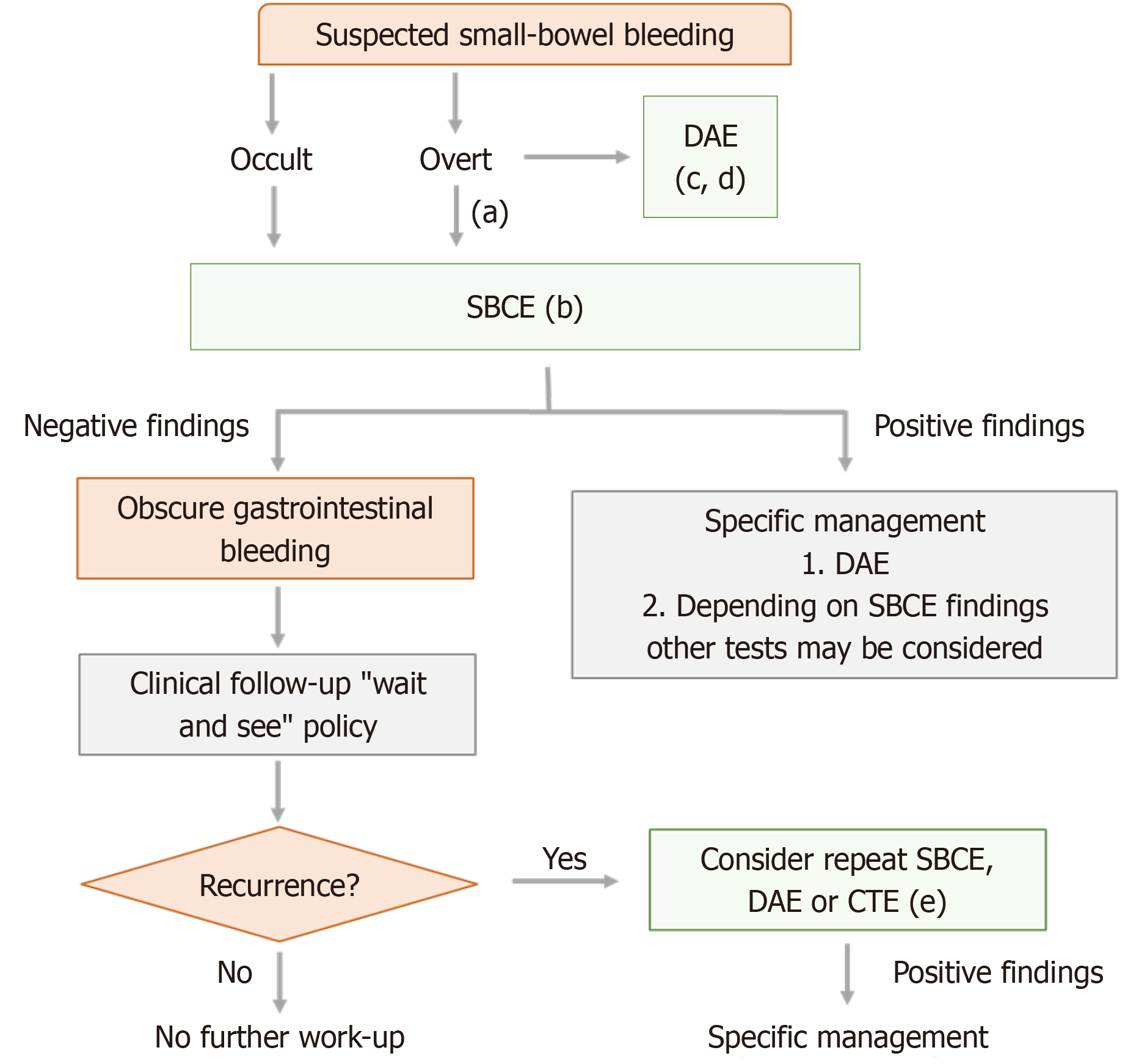
Figure 4 Clinical workflow for diagnosis and treatment of unexplained gastrointestinal bleeding.
The figure summarizes how capsule endoscopy is integrated into the diagnostic process, from initial patient evaluation to bleeding source localization and subsequent therapeutic intervention. a: Initial patient evaluation; b: Bidirectional endoscopy; c: Small bowel evaluation; d: Bleeding source localization; e: Therapeutic intervention. DAE: Device-assisted enteroscopy; SBCE: Small-bowel capsule endoscopy; CTE: Computed tomography enterography.
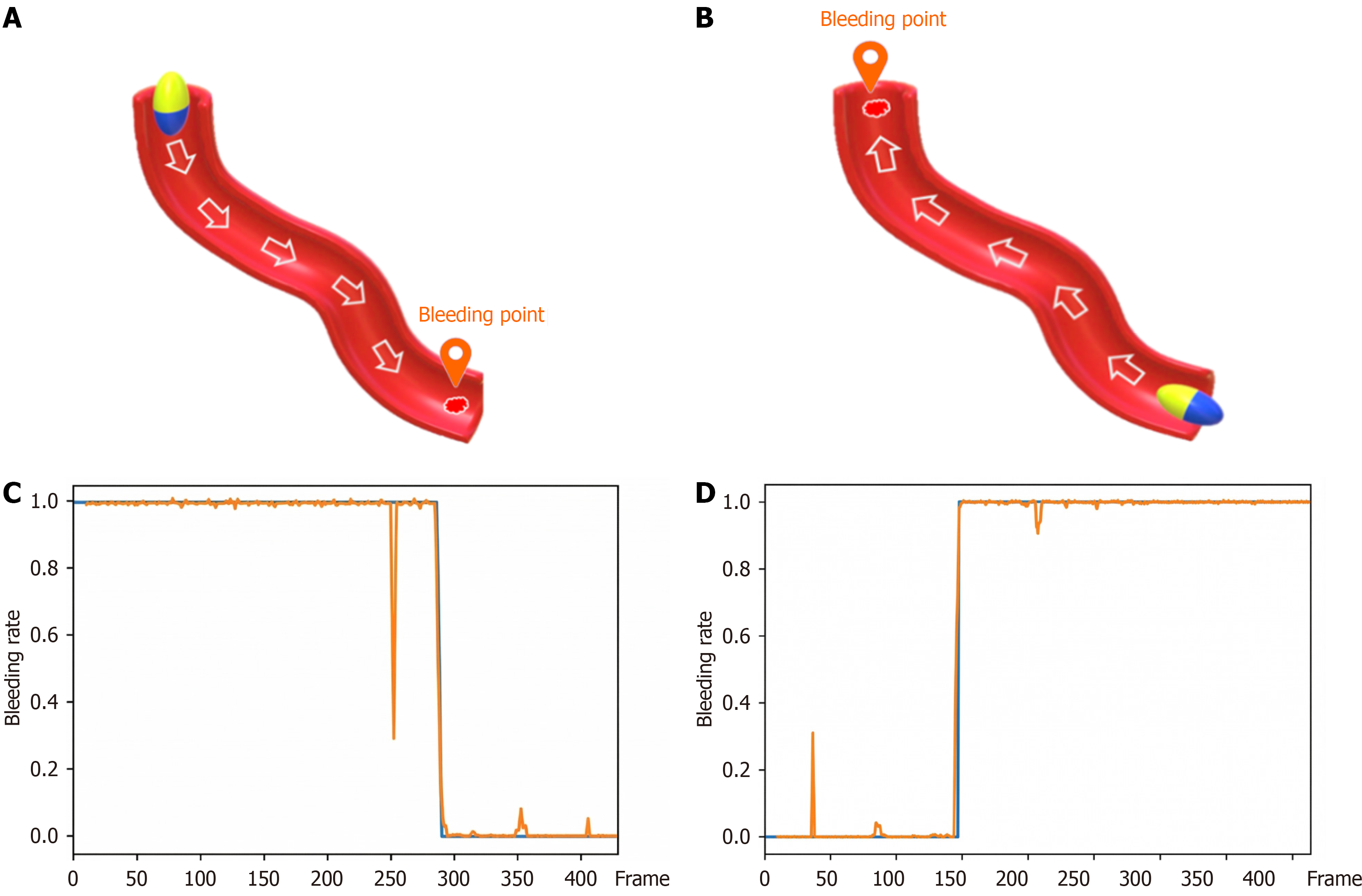
Figure 5 Long short-term memory prediction results on capsule endoscopy sequences.
A: Forward prediction of bleeding frames, visualized in the natural progression toward the anus; B: Reverse prediction aligned in the opposite direction toward the stomach; C: Graph of long short-term memory (LSTM) forward prediction probabilities across a sequence, showing temporal variation in bleeding likelihood; D: Graph of LSTM reverse prediction probabilities, capturing prediction stability across the sequence.
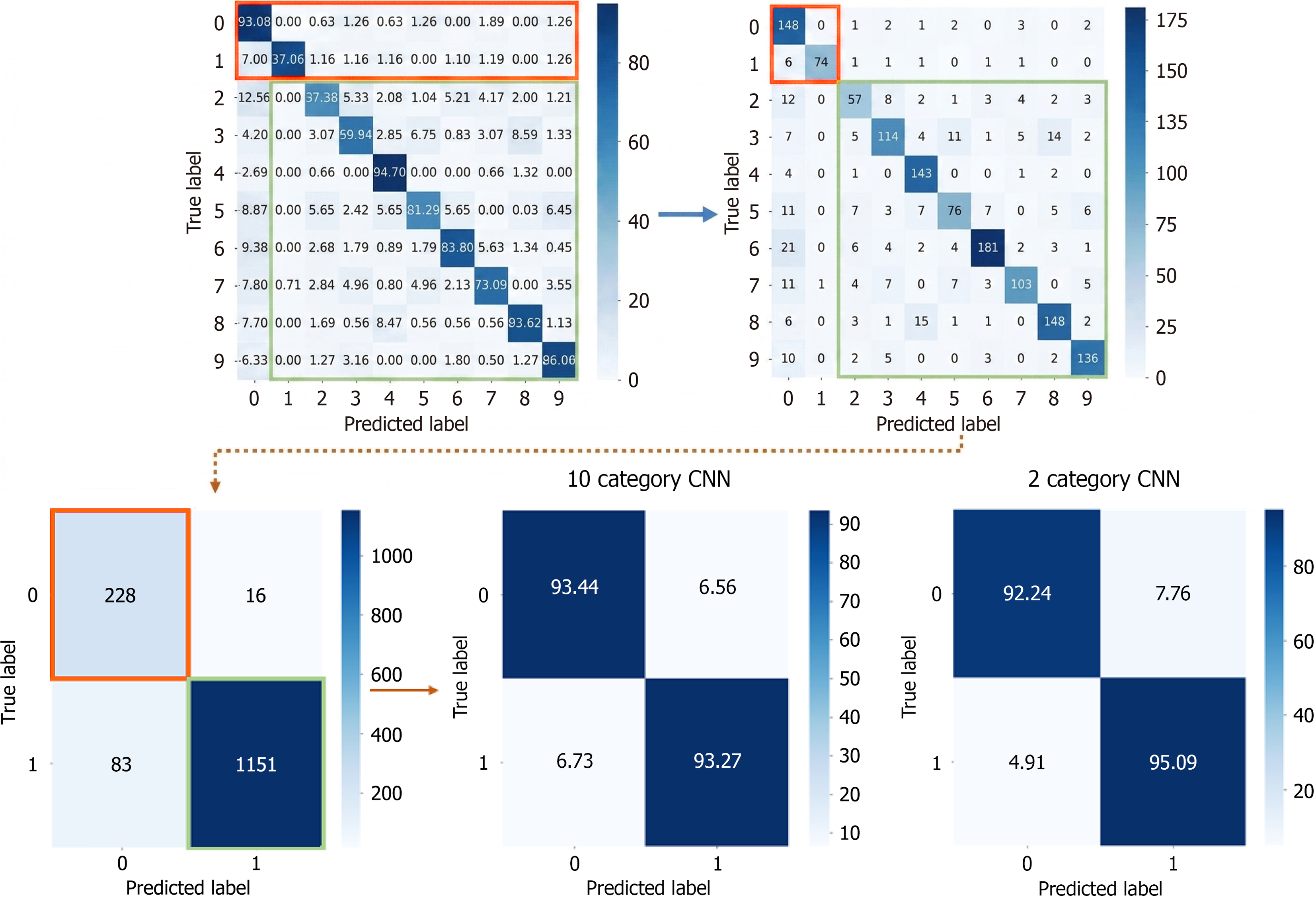
Figure 6 Confusion matrices comparing 10-class and 2-class convolutional neural network performance for capsule endoscopy bleeding detection.
(Top) Original 10-class confusion matrix (left) and the corresponding collapsed 2-class version (right), where bleeding-related categories (classes 0-1) were grouped as “bleeding” and classes 2-9 were grouped as “non-bleeding.” (Bottom left) Collapsed 10-class confusion matrix showing classification counts (true positive = 228, false negative = 16, false positive = 83, true negative = 1151). (Bottom middle and right) Normalized confusion matrices for the 10-class convolutional neural network (CNN) (converted to 2-class) and the direct 2-class CNN, respectively. Results indicate nearly identical performance between the collapsed and direct 2-class models, with high sensitivity and specificity in both cases. CNN: Convolutional neural network.
- Citation: Kuo HY, Lee KH, Chou CK, Mukundan A, Karmakar R, Chen TH, Wang TL, Liu PH, Wang HC. Deep learning-enhanced prediction of small intestinal bleeding points using long short-term memory networks. World J Gastroenterol 2026; 32(15): 116105
- URL: https://www.wjgnet.com/1007-9327/full/v32/i15/116105.htm
- DOI: https://dx.doi.org/10.3748/wjg.v32.i15.116105