
















Copyright: ©Author(s) 2026.
World J Gastroenterol. Apr 14, 2026; 32(14): 115162
Published online Apr 14, 2026. doi: 10.3748/wjg.v32.i14.115162
Published online Apr 14, 2026. doi: 10.3748/wjg.v32.i14.115162
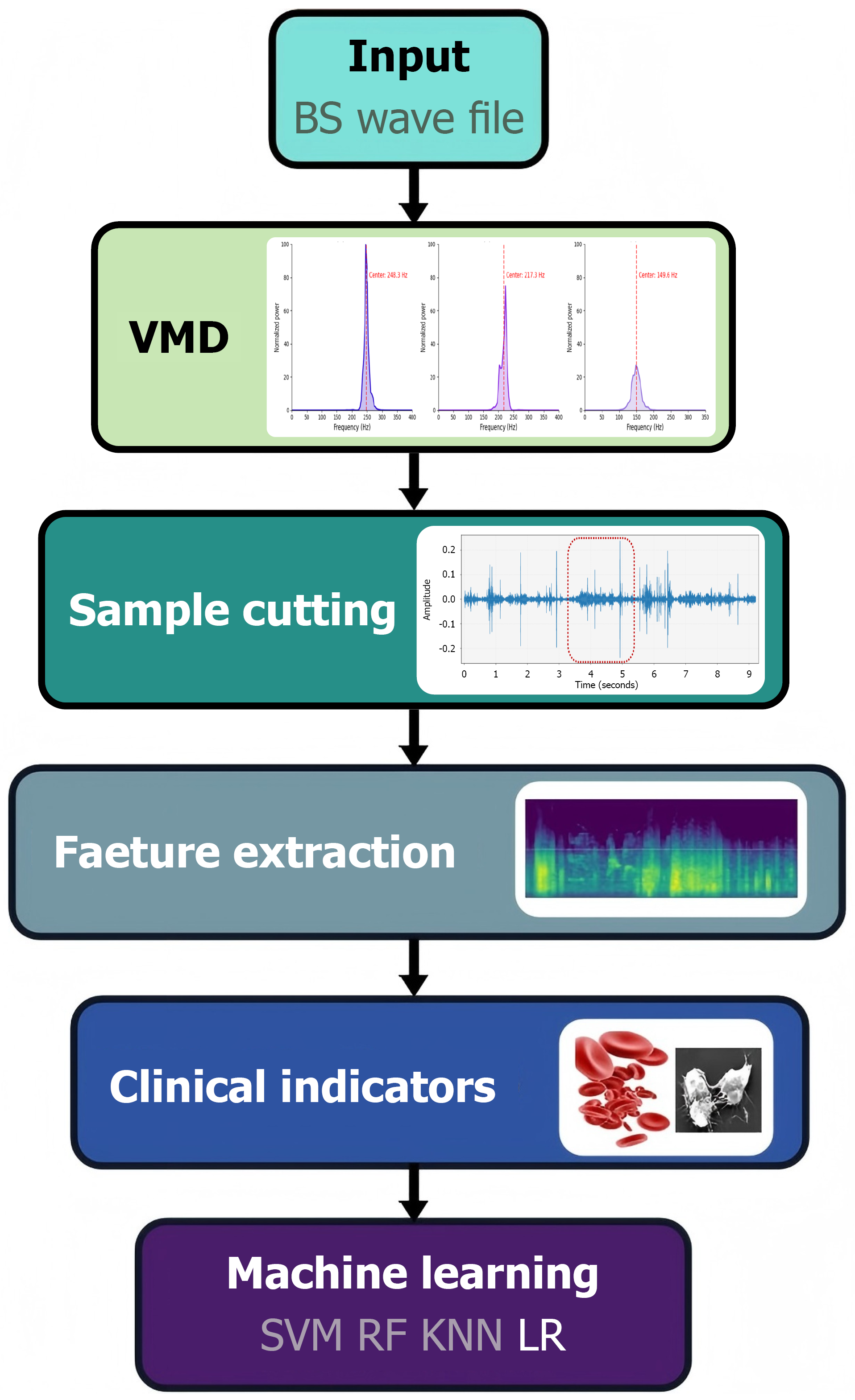
Figure 1 Research flowchart.
BS: Bowel sound; VMD: Variational mode decomposition; SVM: Support vector machine; RF: Random forest; KNN: K-nearest neighbors; LR: Logistic regression.
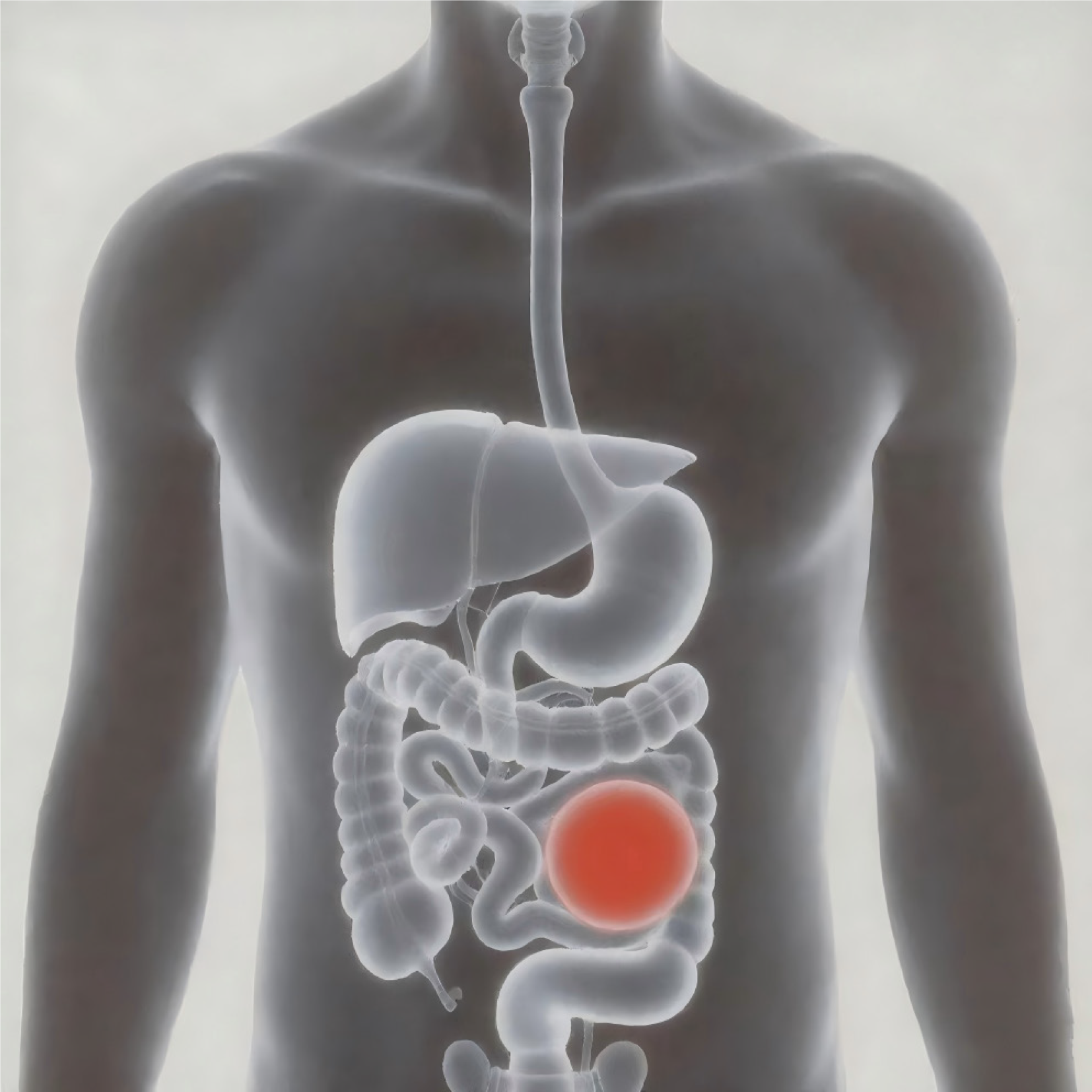
Figure 2
Schematic diagram of bowel sound collection.
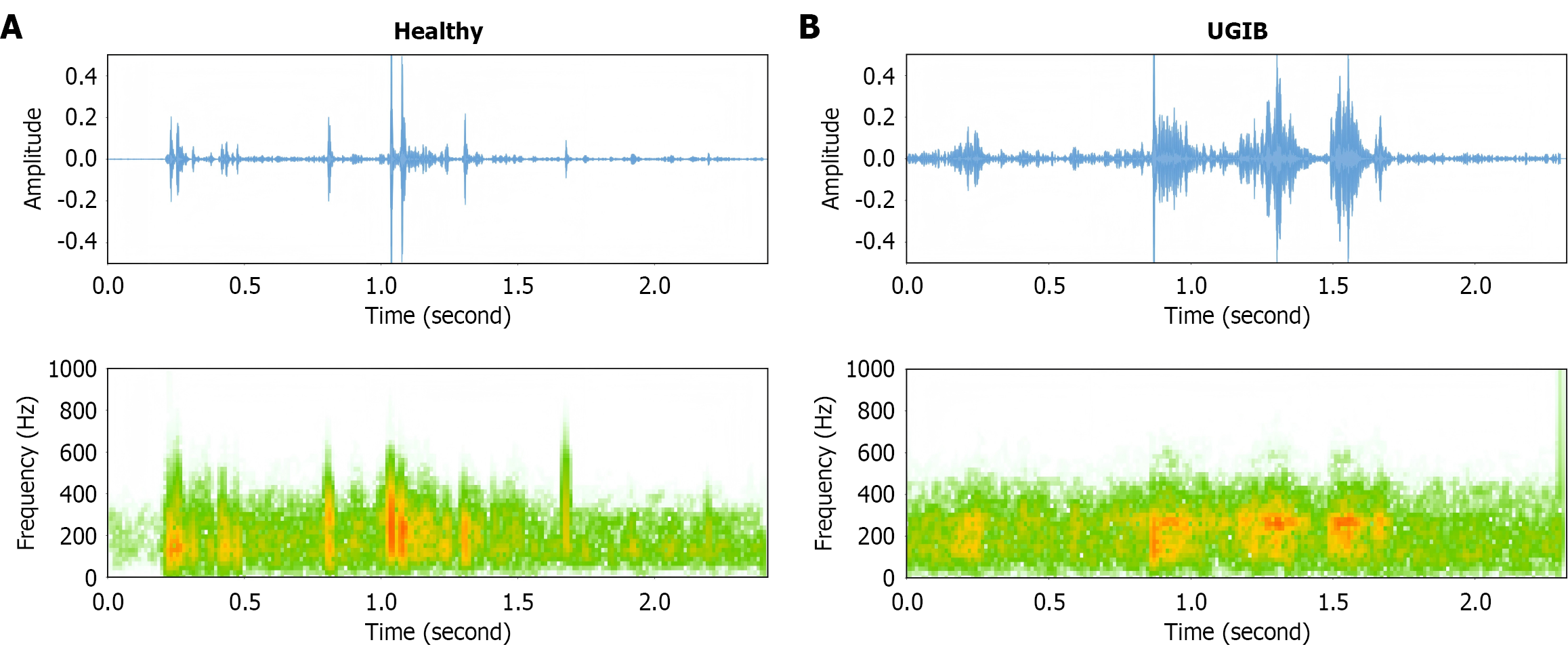
Figure 3 Bowel sound time-domain waveforms and spectrograms.
A: Healthy group; B: Upper gastrointestinal bleeding group. UGIB: Upper gastrointestinal bleeding.
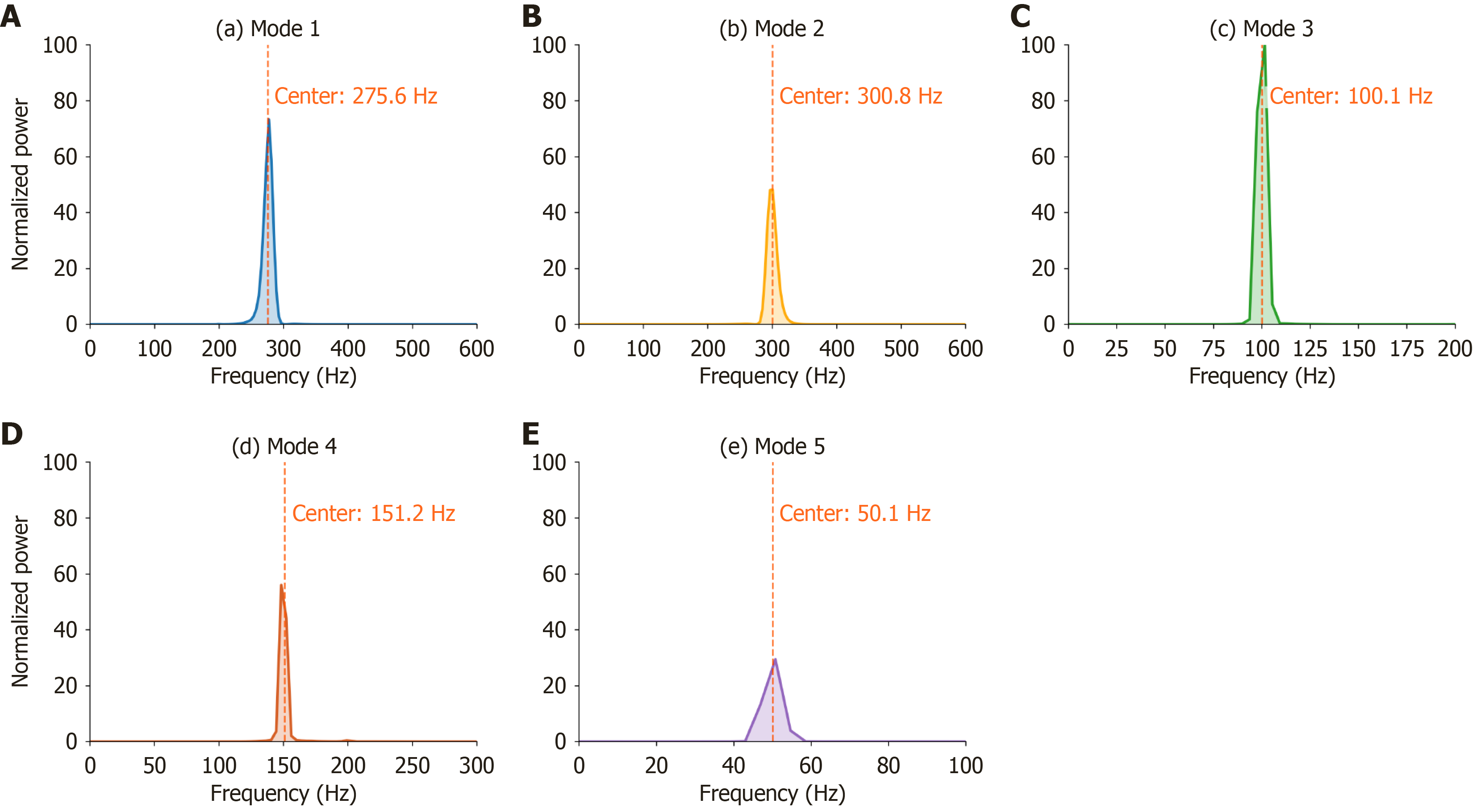
Figure 4 Power spectral density of variational-mode-decomposition-derived intrinsic mode functions for bowel sounds.
A: Mode 1. Center frequency = 300.8 Hz; B: Mode 2. Center frequency = 275.6 Hz; C: Mode 3. Center frequency = 151.2 Hz; D: Mode 4. Center frequency = 100.1 Hz; E: Mode 5. Center frequency = 50.1 Hz.
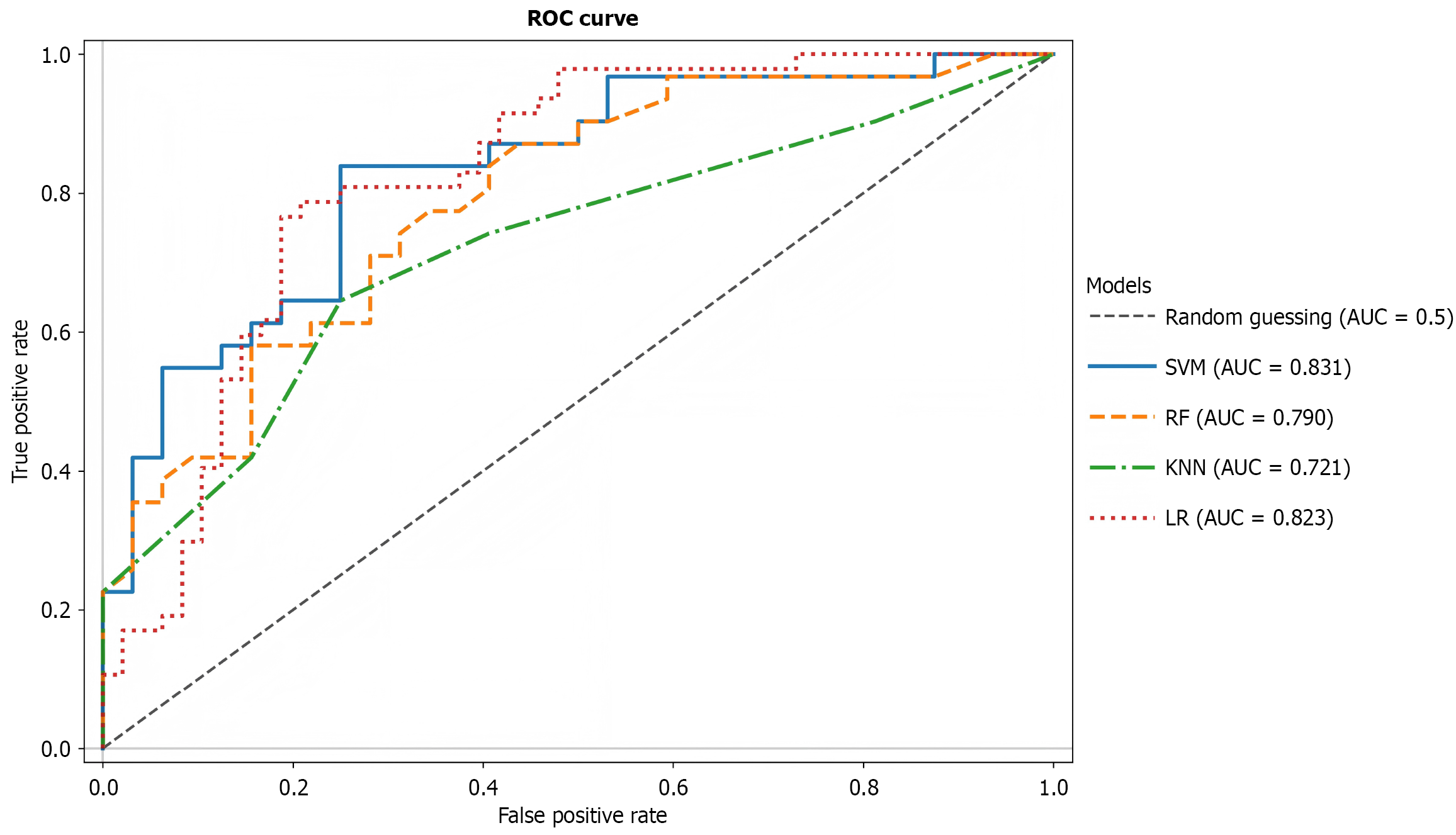
Figure 5 Receiver operating characteristic curves and area under the curve values of the four models.
ROC: Receiver operating characteristic; AUC: Area under the curve; SVM: Support vector machine; RF: Random forest; KNN: K-nearest neighbors; LR: Logistic regression.
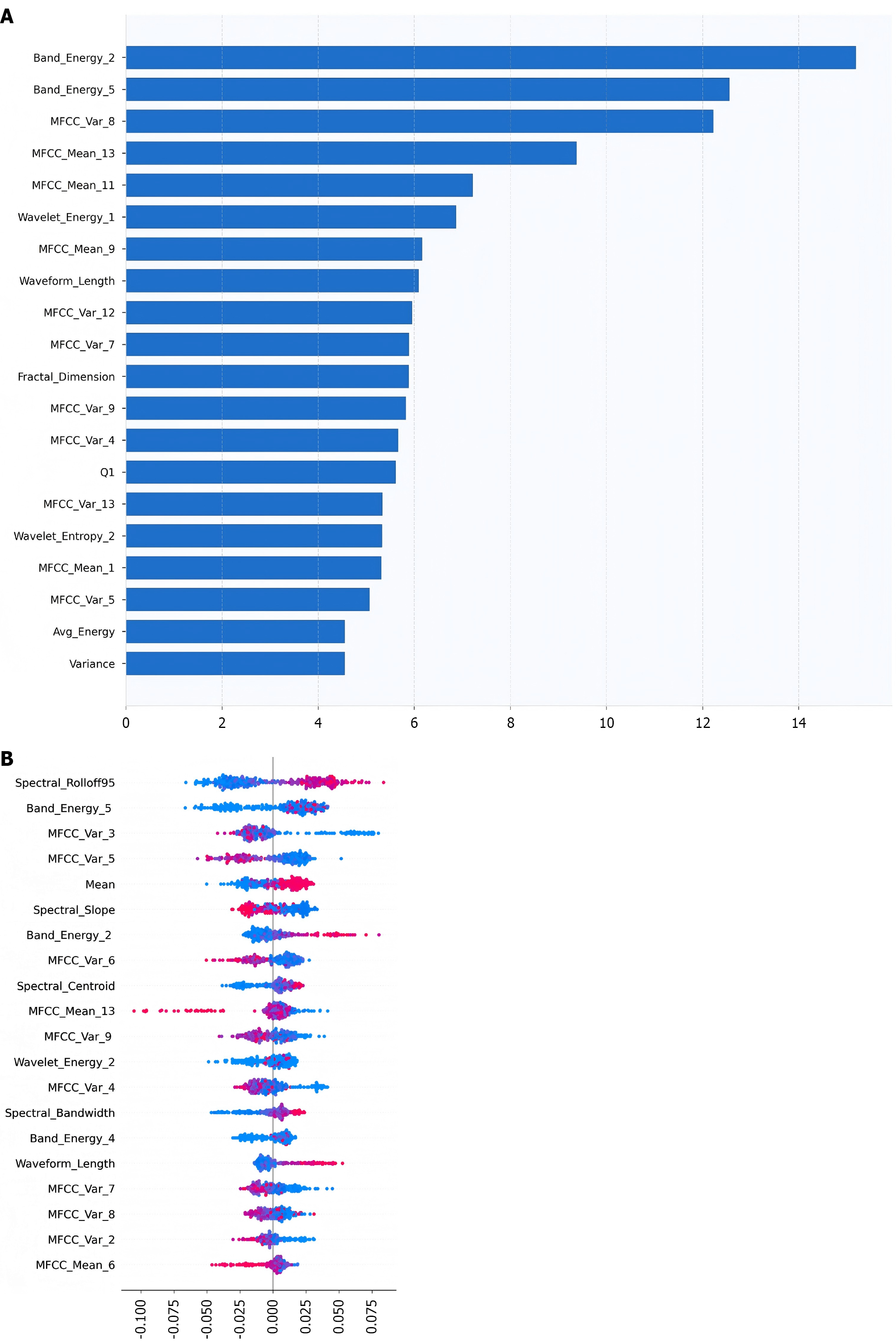
Figure 6 Importance ranking and SHapley Additive exPlanations summary chart of top 20 features in support vector machine model.
A: Top 20 features importance ranking; B: SHapley Additive exPlanations summary chart of top 20 features.
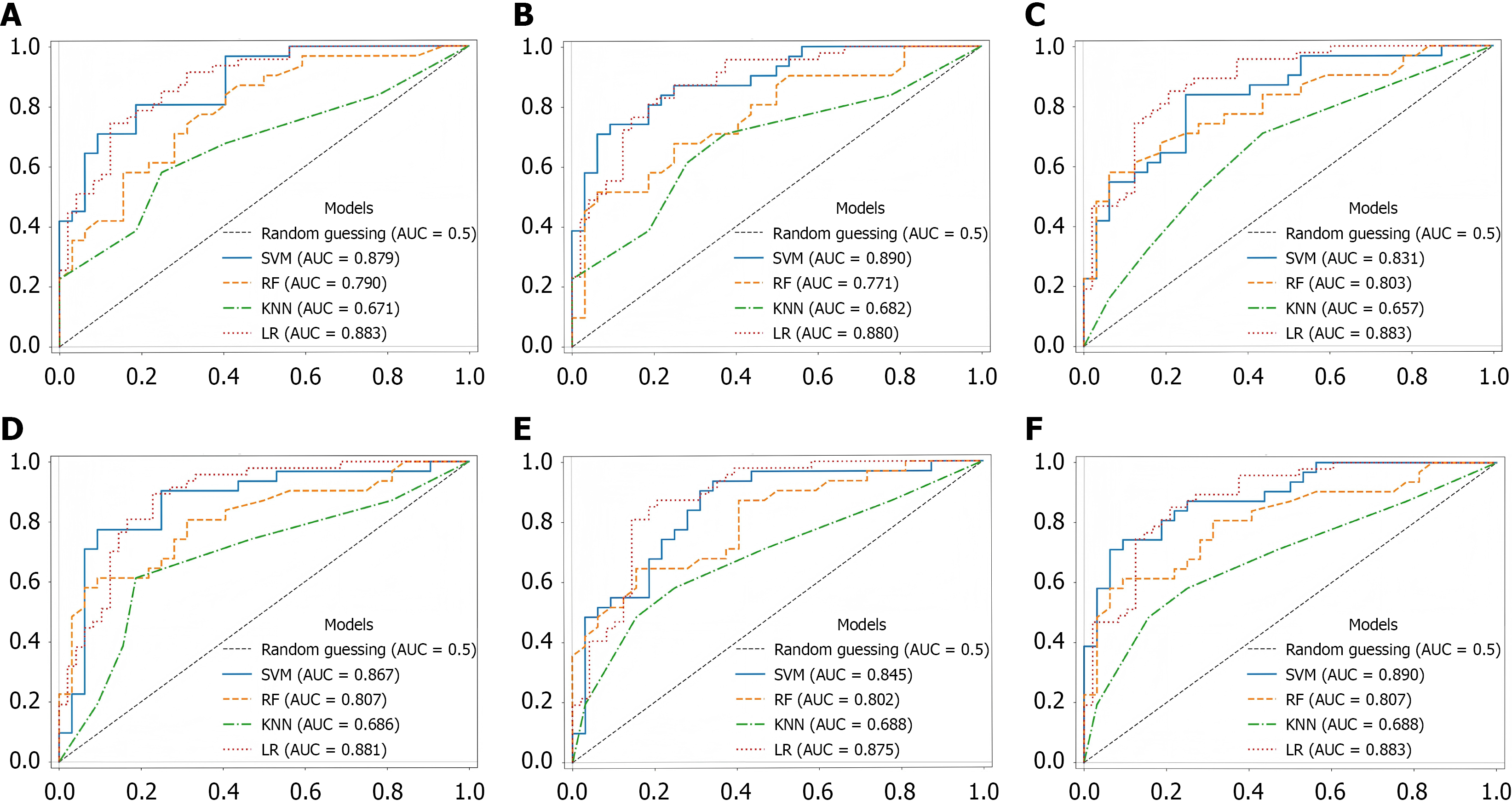
Figure 7 Receiver operating characteristic curves and area under the curve values of each model.
A-E: Show the top 20, 25, 30, 35, and 40 feature subsets; F: Presents the area under the curve for each model under its respective optimal feature subset size. AUC: Area under the curve; SVM: Support vector machine; RF: Random forest; KNN: K-nearest neighbors; LR: Logistic regression.
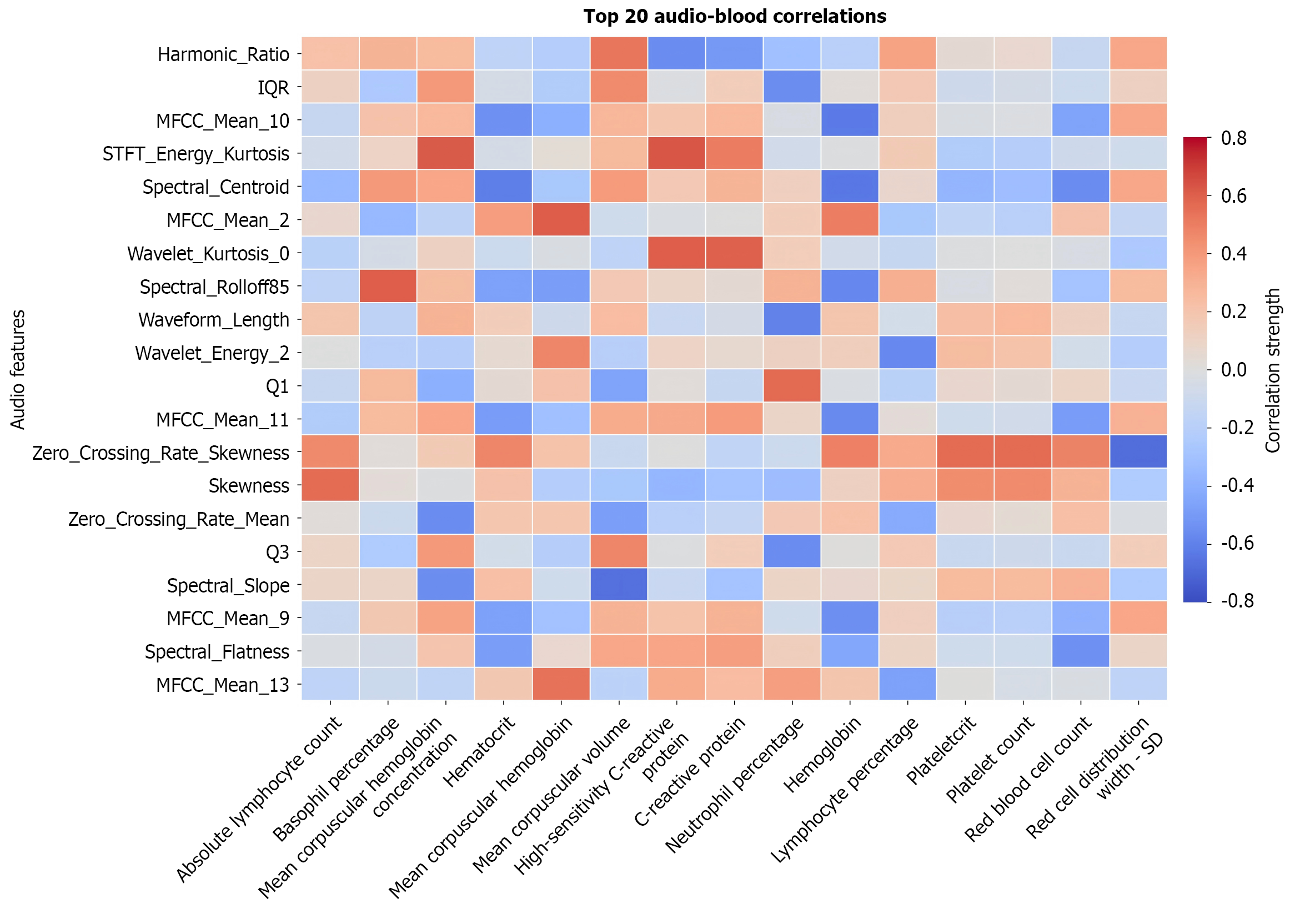
Figure 8
Correlation heatmap of the top 30 features and clinical biochemical indicators.
- Citation: Zhang L, Wang MY, Wei SY, Su C, Hu SY, Ren XY, Liu YP, Liu C, Wan Y. Predicting gastrointestinal bleeding and audio biomarkers based on machine learning analysis of bowel sounds. World J Gastroenterol 2026; 32(14): 115162
- URL: https://www.wjgnet.com/1007-9327/full/v32/i14/115162.htm
- DOI: https://dx.doi.org/10.3748/wjg.v32.i14.115162