
















©Author(s) (or their employer(s)) 2026.
World J Gastroenterol. Mar 14, 2026; 32(10): 115821
Published online Mar 14, 2026. doi: 10.3748/wjg.v32.i10.115821
Published online Mar 14, 2026. doi: 10.3748/wjg.v32.i10.115821
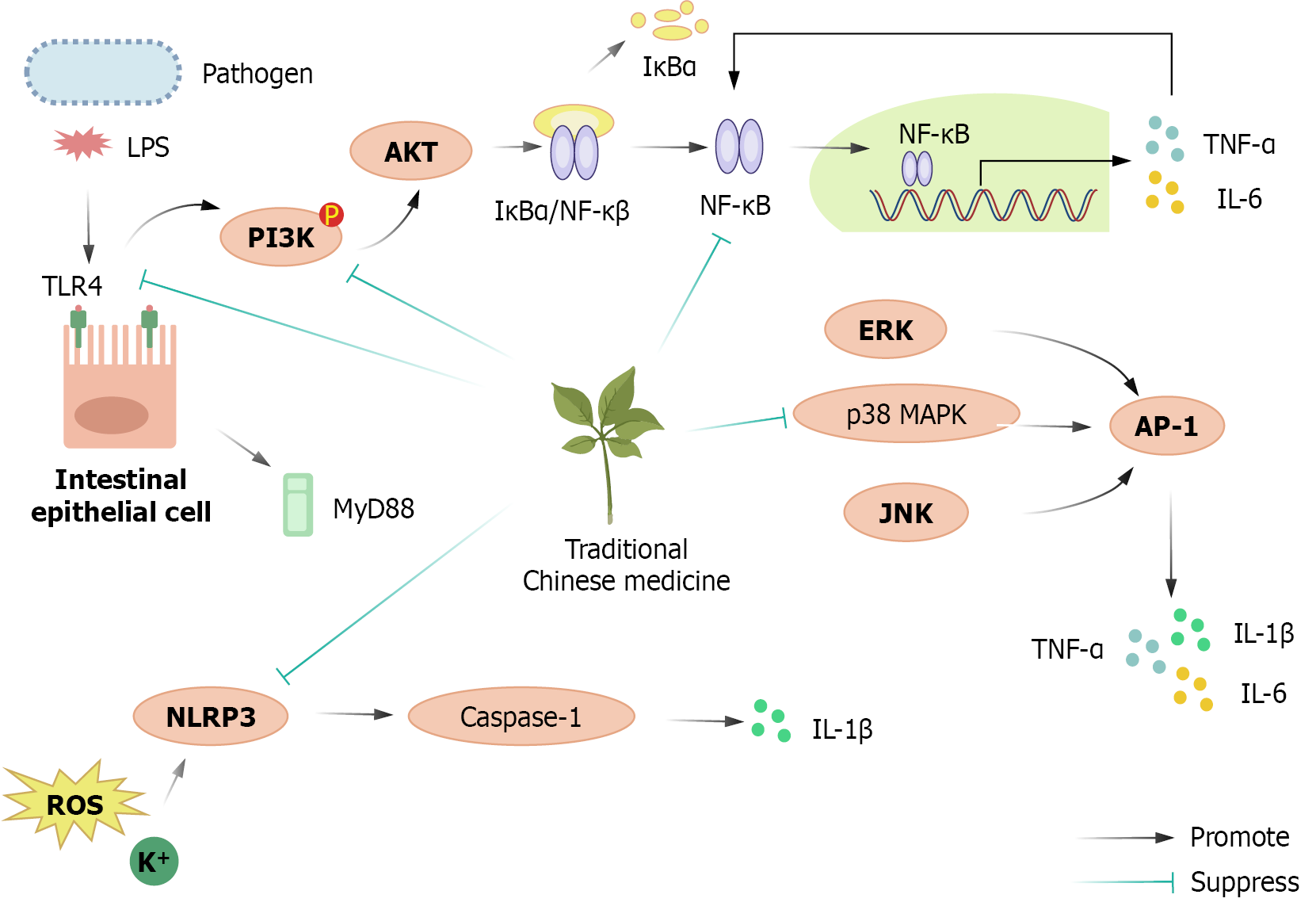
Figure 1 Traditional Chinese medicine modulates inflammatory signalling pathways.
LPS: Lipopolysaccharide; TLR4: Toll-like receptor 4; PI3K: Phosphatidylinositol 3-kinase; AKT: Protein kinase B; IκBα: Inhibitor of nuclear factor-kappa B alpha; NF-κB: Nuclear factor-kappa B; TNF-α: Tumour necrosis factor-alpha; IL-6: Interleukin-6; MyD88: Myeloid differentiation primary response 88; NLRP3: Nucleotide-binding oligomerisation domain-like receptor family pyrin domain containing 3; ROS: Reactive oxygen species; ERK: Extracellular regulated protein kinases; p38 MAPK: P38 mitogen-activated protein kinase; JNK: C-Jun N-terminal kinase; AP-1: Activator protein-1; IL-1β: Interleukin-1β.
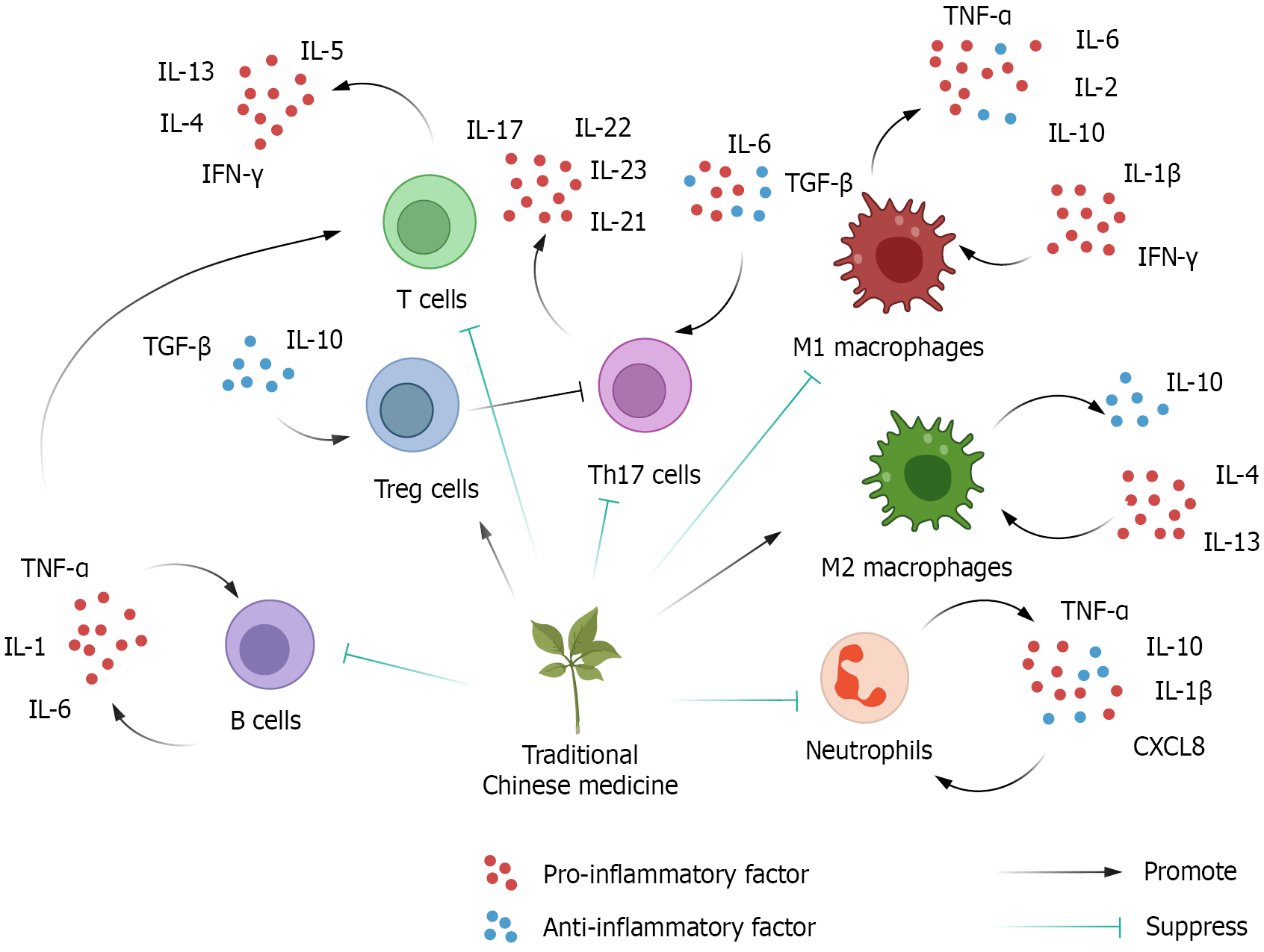
Figure 2 Traditional Chinese medicine modulates immune system.
IL: Interleukin; IFN-γ: Interferon-γ; TGF-β: Transforming growth factor-β; TNF-α: Tumour necrosis factor-α; Treg: Regulatory T cell; Th17: T helper 17; CXCL8: C-X-C motif chemokine ligand 8.
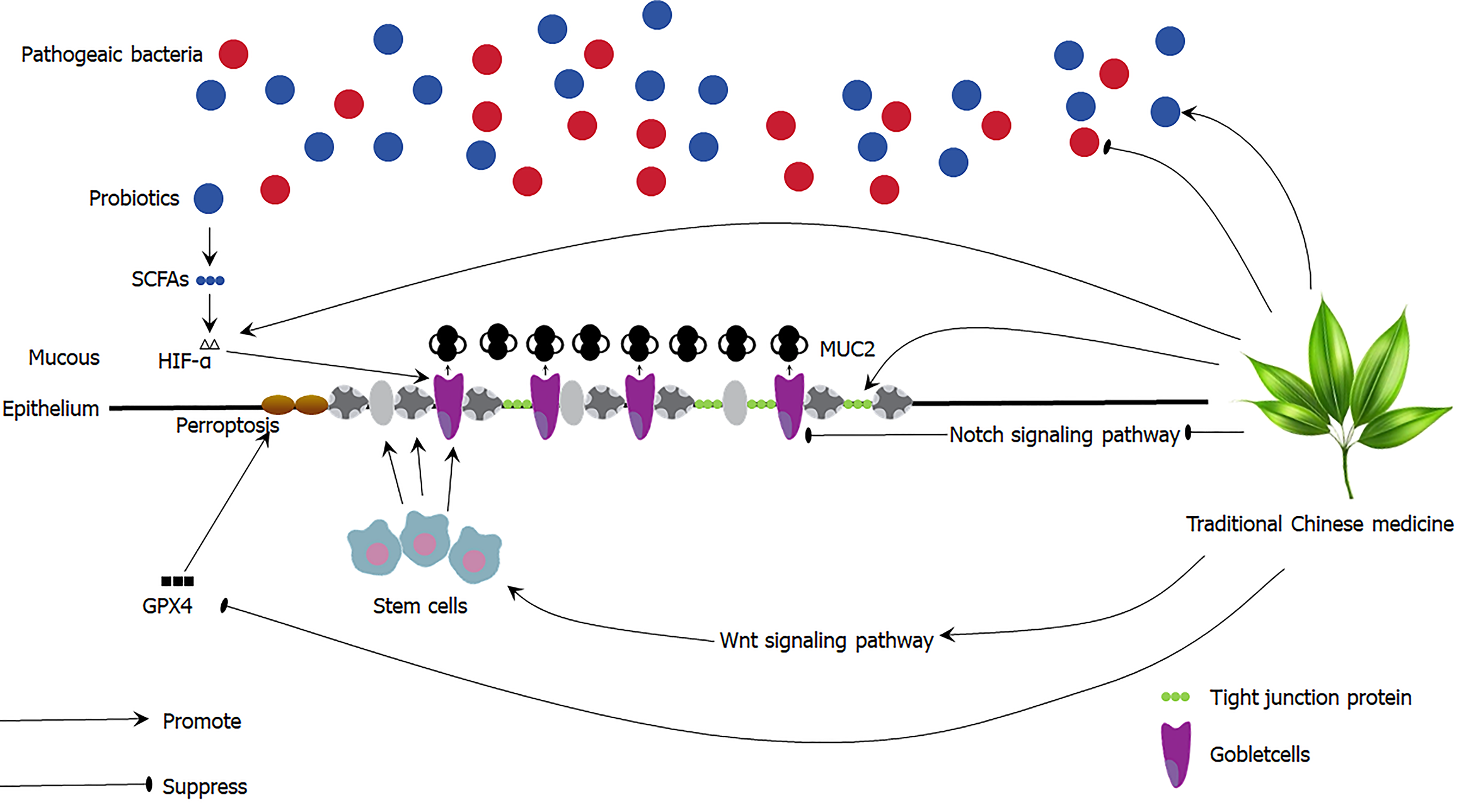
Figure 3 Traditional Chinese medicine modulates gut microbiota and intestinal barrier function.
SCFAs: Short-chain fatty acids; HIF-α: Hypoxia inducible factor-α; GPX4: Glutathione peroxidase 4; MUC2: Mucin 2.
- Citation: Zeng SH, Jiang XY, Lin DR, Zhang WJ, Wu YQ, Xu L, Guo SJ. Mechanisms and therapeutic potential of traditional Chinese medicine for inflammatory bowel disease. World J Gastroenterol 2026; 32(10): 115821
- URL: https://www.wjgnet.com/1007-9327/full/v32/i10/115821.htm
- DOI: https://dx.doi.org/10.3748/wjg.v32.i10.115821