
















©Author(s) (or their employer(s)) 2026.
World J Gastroenterol. Mar 14, 2026; 32(10): 115731
Published online Mar 14, 2026. doi: 10.3748/wjg.v32.i10.115731
Published online Mar 14, 2026. doi: 10.3748/wjg.v32.i10.115731
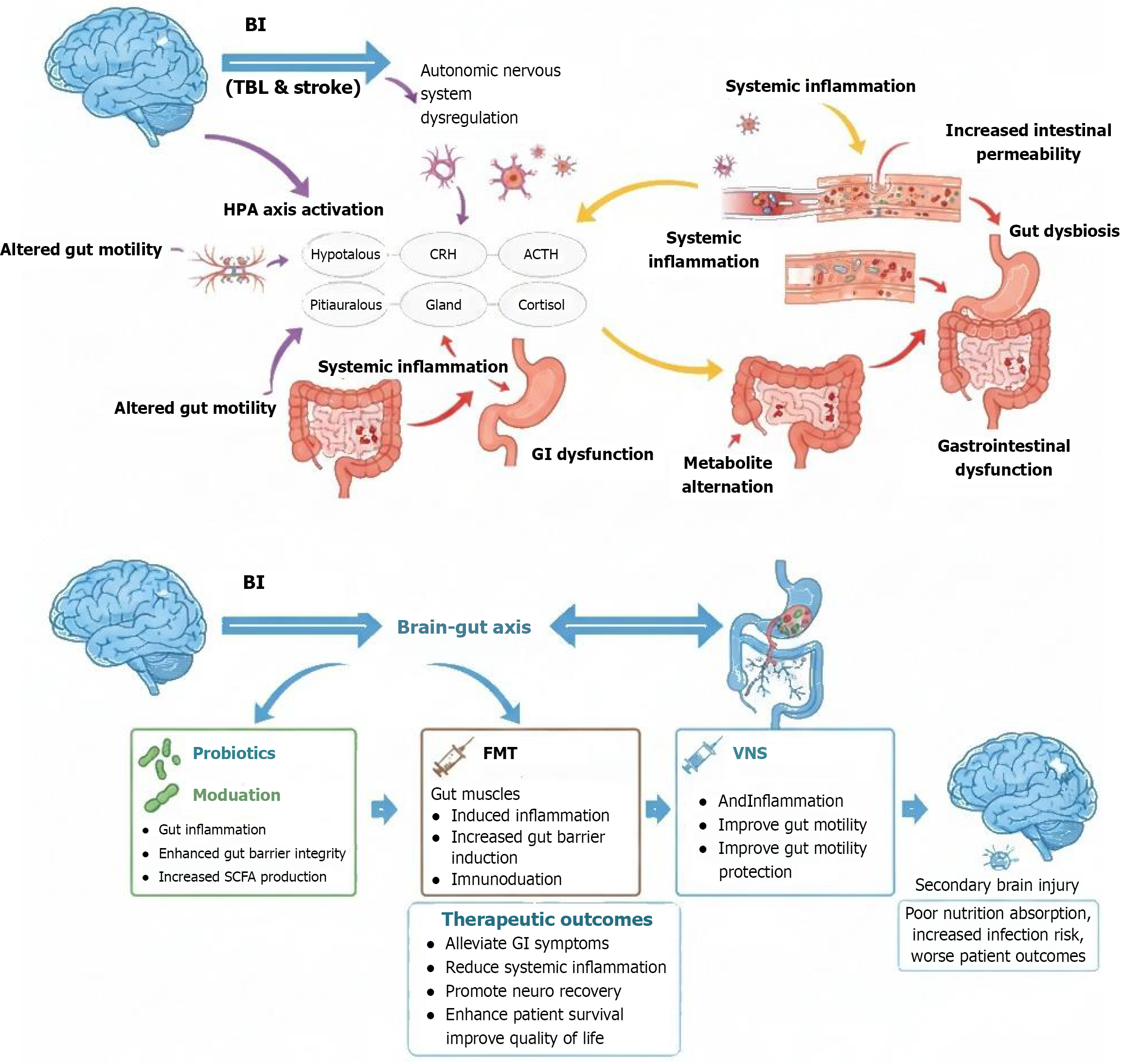
Figure 1 The brain-gut axis in brain injury: Mechanisms and therapeutic strategies.
BI: Brain injury; TBI: Traumatic brain injury; HPA: Hypothalamic-pituitary-adrenal; CRH: Corticotropin-releasing hormone; ACTH: Adrenocorticotropic hormone; GI: Gastrointestinal; SCFA: Short-chain fatty acid; FMT: Fecal microbiota transplantation; VNS: Vagus nerve stimulation.
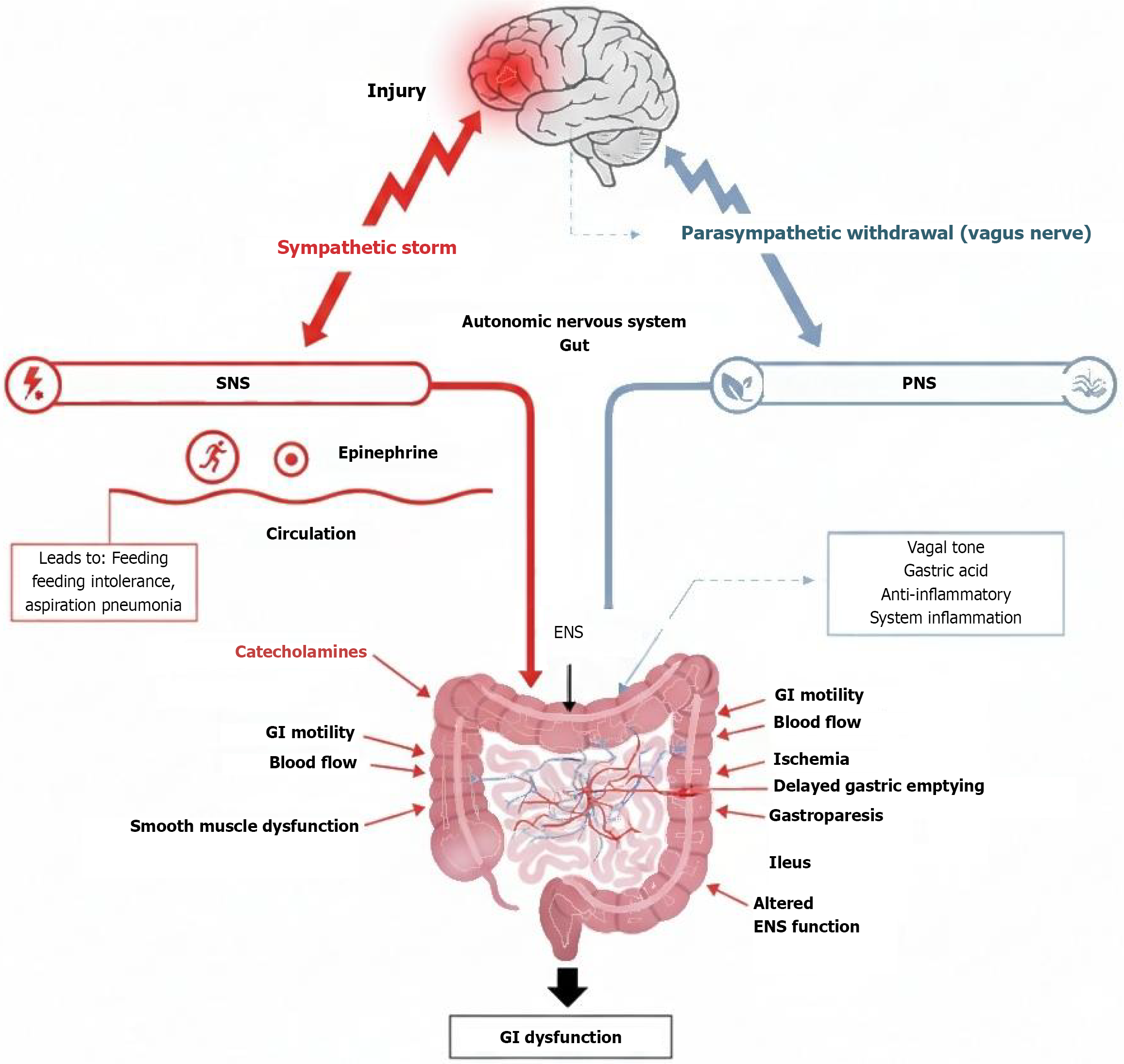
Figure 2 Acute brain injury results in autonomic imbalance and gastrointestinal dysfunction.
SNS: Sympathetic nervous system; PNS: Parasym
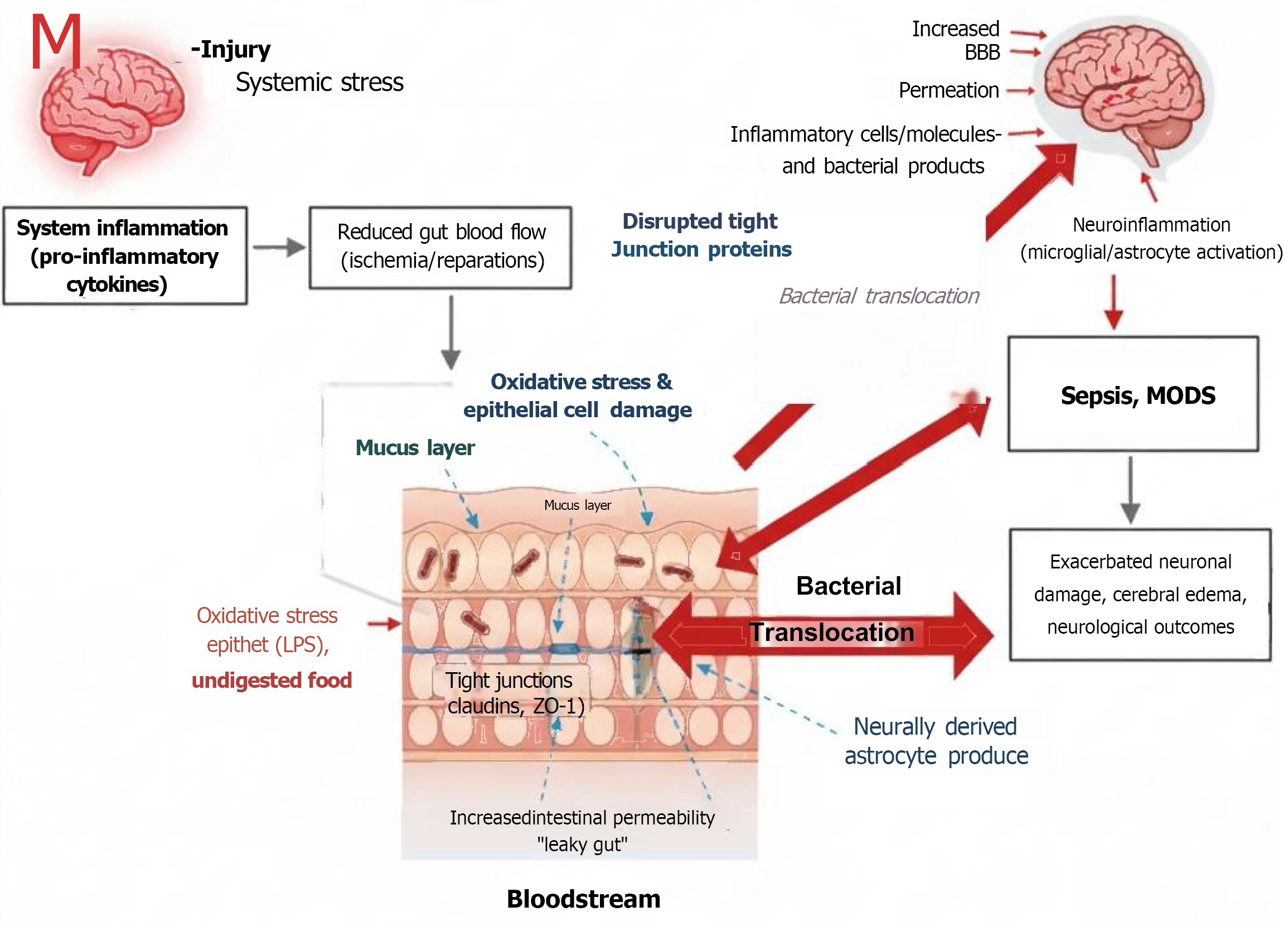
Figure 3 Gut barrier dysfunction and bacterial translocation following brain injury and their implications for neural and systemic health.
LPS: Lipopolysaccharide; MODS: Multiple organ dysfunction syndrome; ZO-1: Zonula occludens-1.
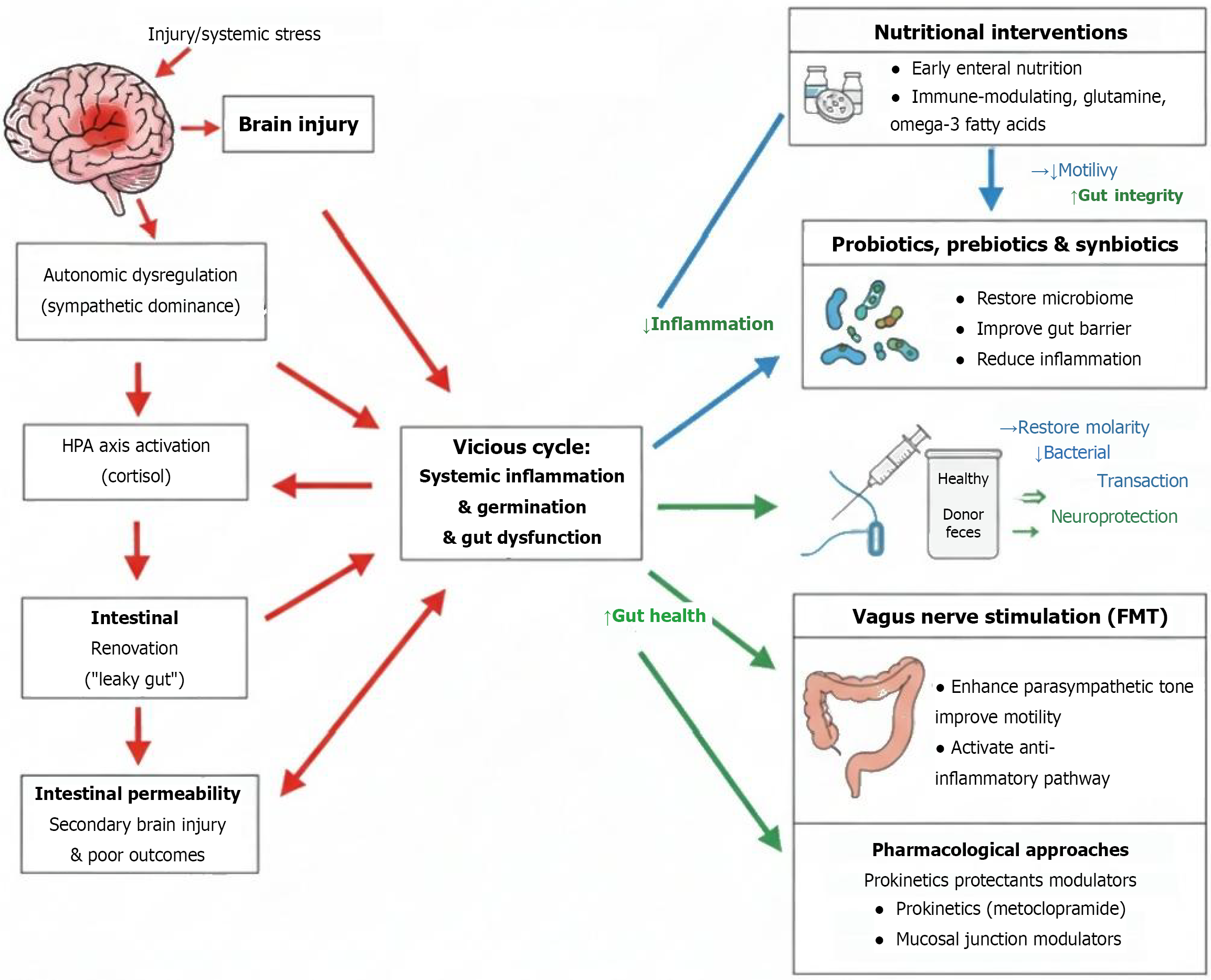
Figure 4 Therapeutic approaches targeting the brain-gut axis following brain injury.
HPA: Hypothalamic-pituitary-adrenal; FMT: Fecal microbiota transplantation.
- Citation: Zhao X, Zhang W, Zhang Y, Liu XA. Gastrointestinal dysfunction after brain injury: Mechanisms and the role of the brain-gut axis. World J Gastroenterol 2026; 32(10): 115731
- URL: https://www.wjgnet.com/1007-9327/full/v32/i10/115731.htm
- DOI: https://dx.doi.org/10.3748/wjg.v32.i10.115731