
















©The Author(s) 2025.
World J Gastroenterol. Dec 28, 2025; 31(48): 111187
Published online Dec 28, 2025. doi: 10.3748/wjg.v31.i48.111187
Published online Dec 28, 2025. doi: 10.3748/wjg.v31.i48.111187
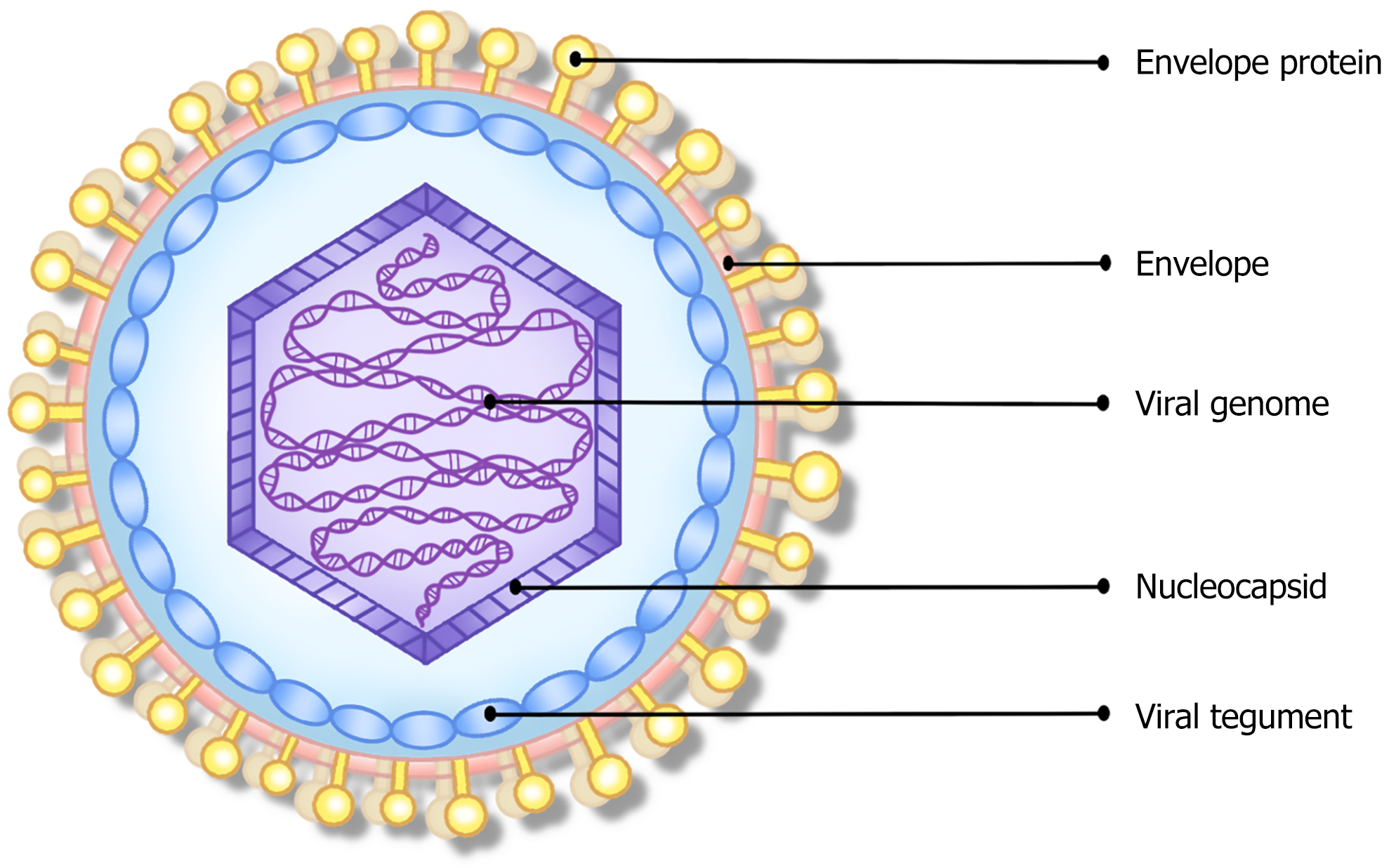
Figure 1 Schematic diagram of the structure of an enveloped virus.
The virus particle consists of the envelope protein on the outermost layer, followed by the envelope. Beneath the envelope is the viral tegument. Inside, the nucleocapsid encloses the viral genome, which carries the virus's genetic information.
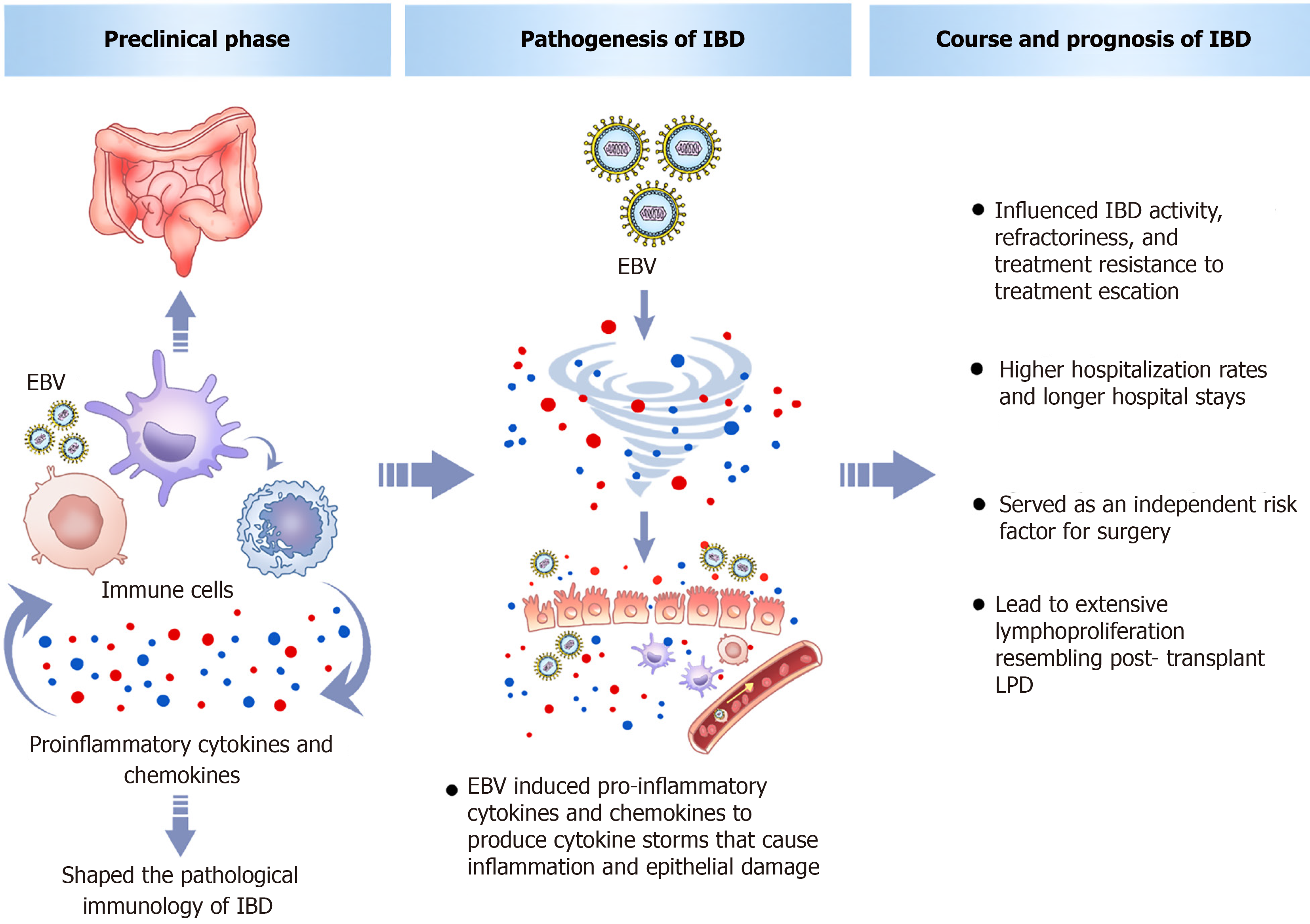
Figure 2 Schematic illustration of the role of Epstein-Barr virus in inflammatory bowel disease.
It is divided into three parts: The preclinical phase, where Epstein-Barr virus (EBV) interacts with immune cells and proinflammatory cytokines/chemokines to shape inflammatory bowel disease’s (IBD's) pathological immunology; the pathogenesis of IBD, in which EBV induces pro-inflammatory cytokines and chemokines, causing cytokine storms that result in inflammation and epithelial damage; and the course and prognosis of IBD, where EBV influences IBD activity, refractoriness, and treatment resistance, increases hospitalization rates and duration, acts as an independent risk factor for surgery, and leads to extensive lymphoproliferation resembling post - transplant lymphoproliferative disorder (LPD). EBV: Epstein-Barr virus; IBD: Inflammatory bowel disease; LPD: Lymphoproliferative disorder.
- Citation: Li SY, Jia J, Xu LZ, Zheng K. Relationship between Epstein-Barr virus and inflammatory bowel disease. World J Gastroenterol 2025; 31(48): 111187
- URL: https://www.wjgnet.com/1007-9327/full/v31/i48/111187.htm
- DOI: https://dx.doi.org/10.3748/wjg.v31.i48.111187