
















©The Author(s) 2025.
World J Gastroenterol. Dec 14, 2025; 31(46): 113608
Published online Dec 14, 2025. doi: 10.3748/wjg.v31.i46.113608
Published online Dec 14, 2025. doi: 10.3748/wjg.v31.i46.113608
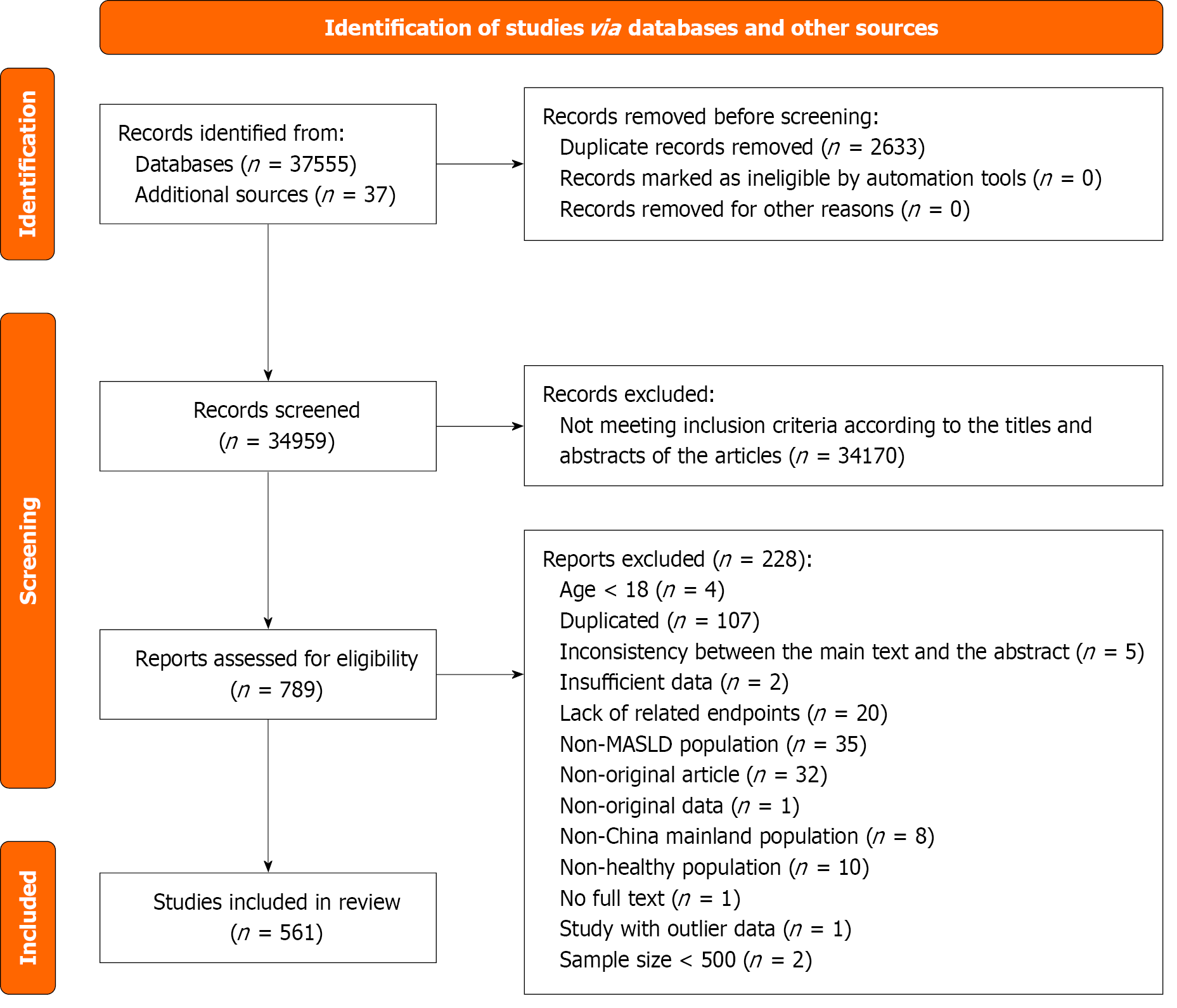
Figure 1 PRISMA flow diagram for article selection for the meta-analysis.
MASLD: Metabolic dysfunction-associated steatotic liver disease.
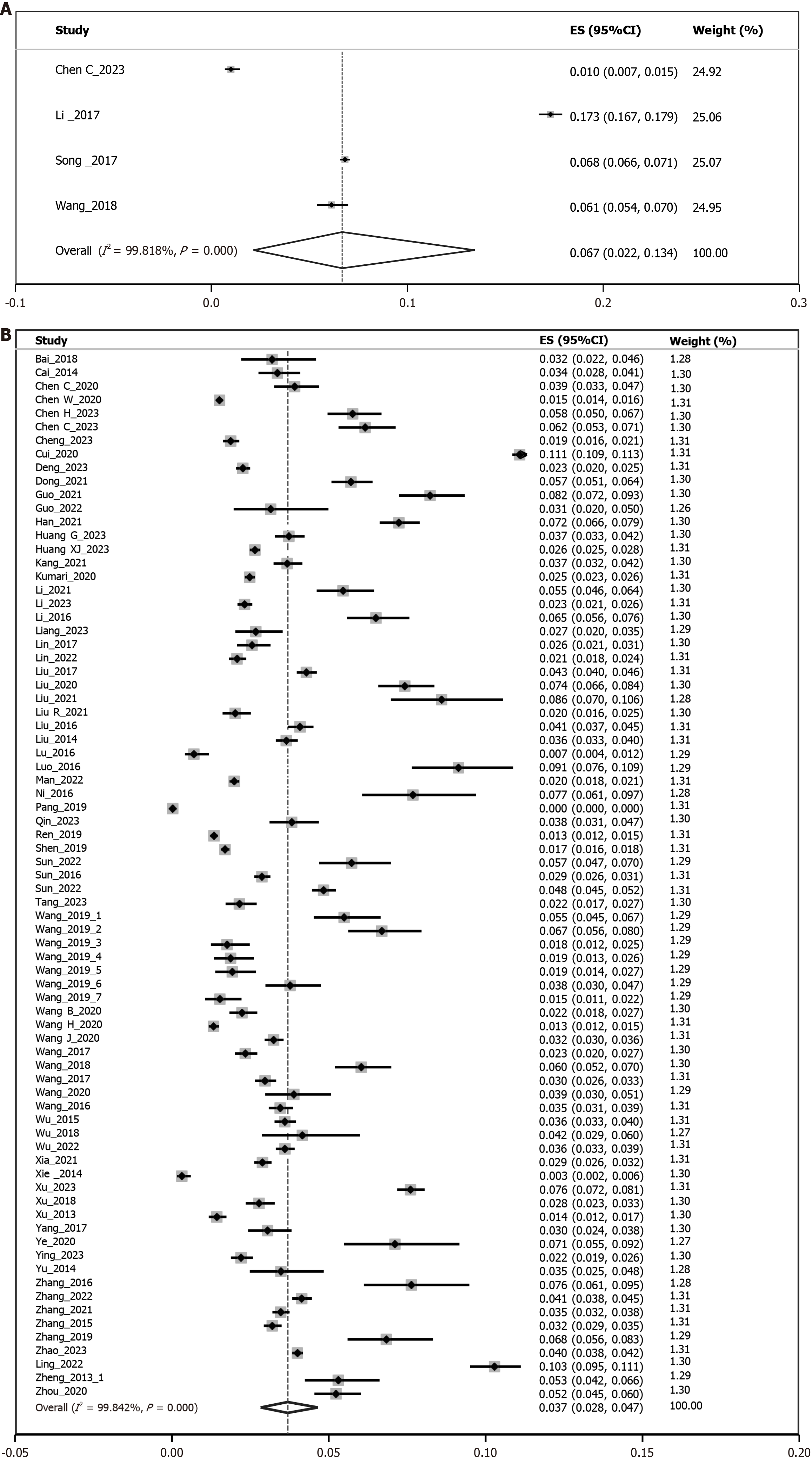
Figure 2 Forest plot of the prevalence of metabolic dysfunction-associated steatohepatitis and the annual incidence of metabolic dysfunction-associated steatotic liver disease.
A: Forest plot of the prevalence of metabolic dysfunction-associated steatohepatitis; B: Forest plot of the annual incidence of metabolic dysfunction-associated steatotic liver disease. CI: Confidence interval.
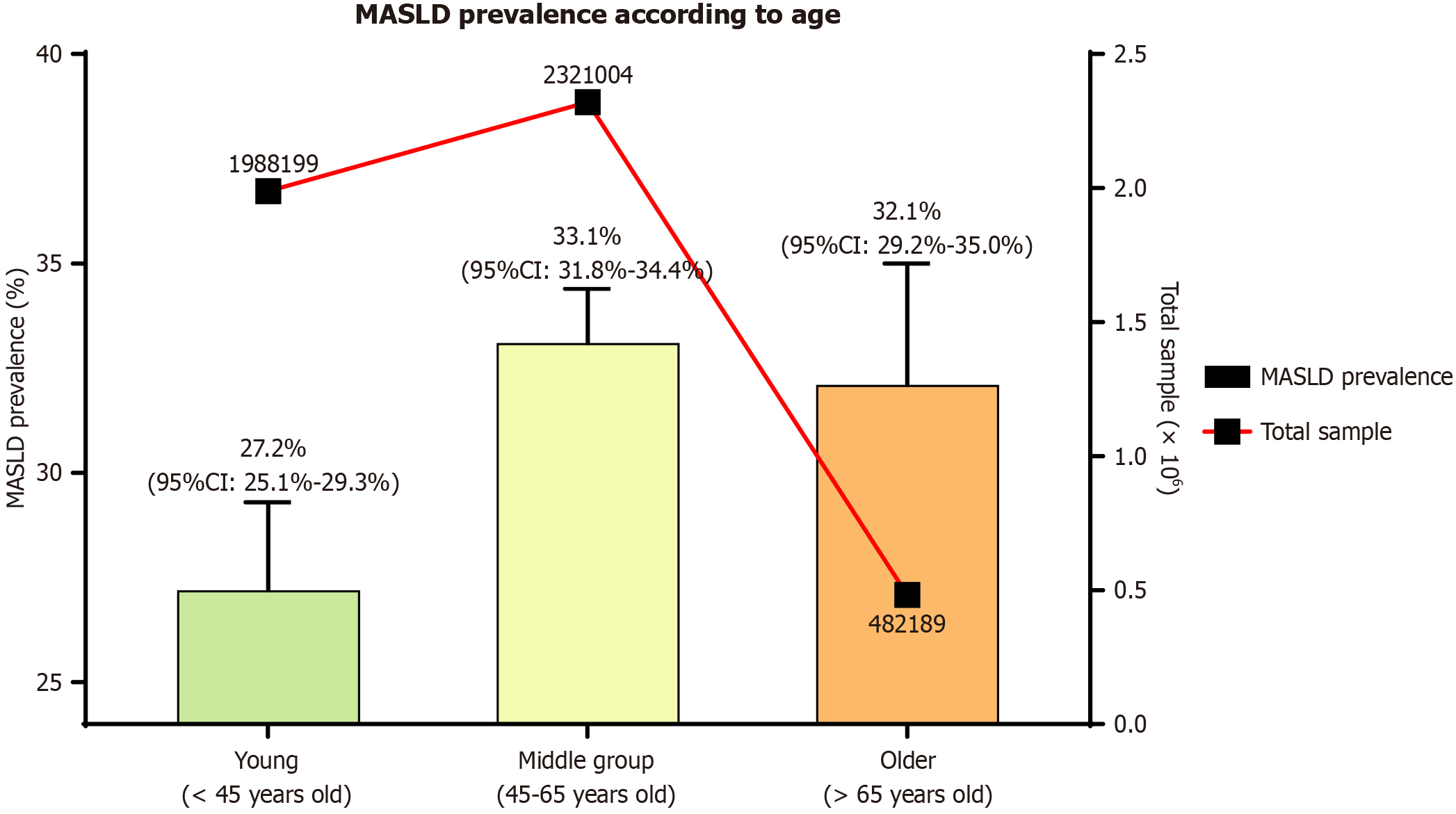
Figure 3 Subgroup analysis of the prevalence of metabolic dysfunction-associated steatotic liver disease according to age.
MASLD: Metabolic dysfunction-associated steatotic liver disease; CI: Confidence interval.
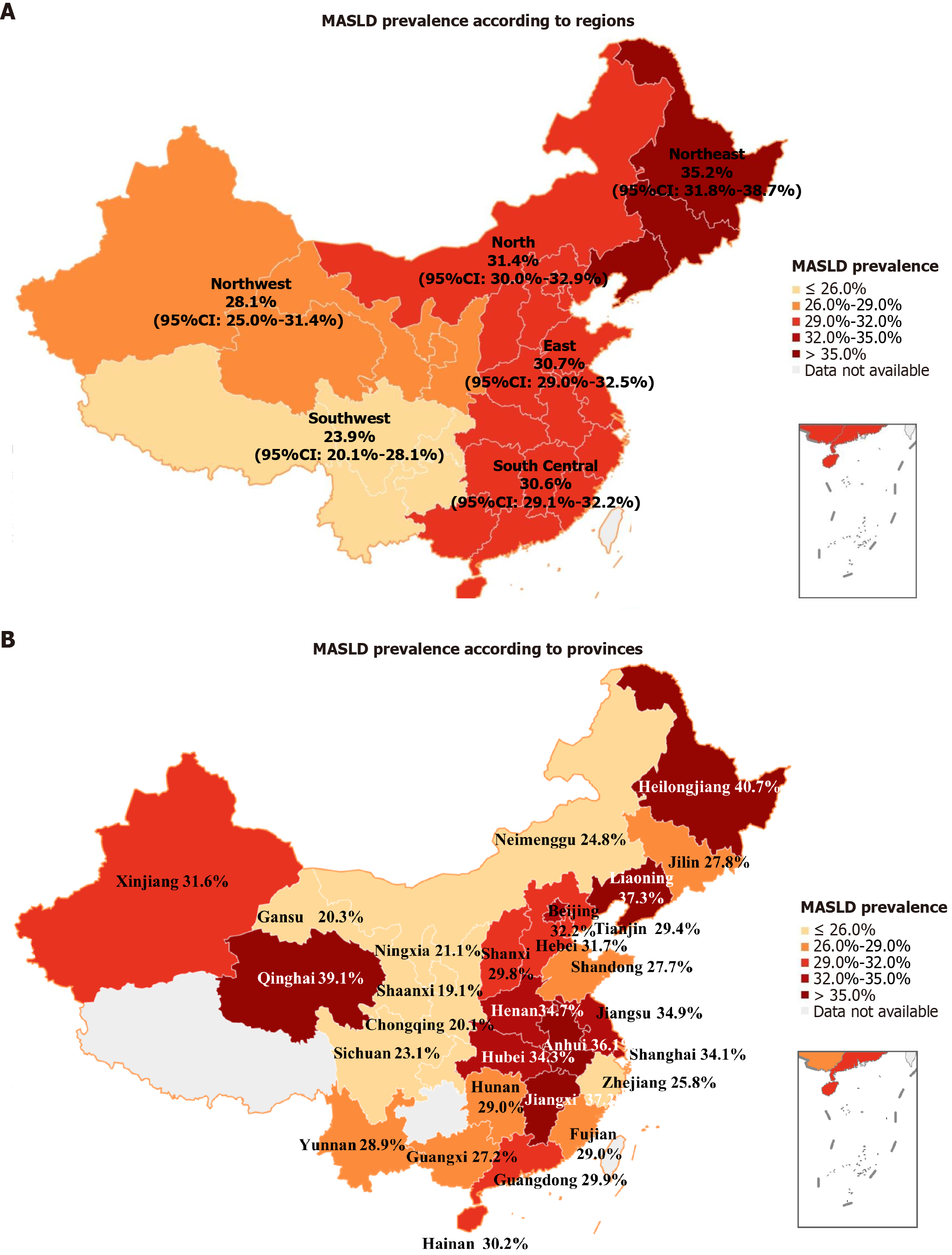
Figure 4 The metabolic dysfunction-associated steatotic liver disease prevalence map in China.
A: Metabolic dysfunction-associated steatotic liver disease prevalence by region; B: Metabolic dysfunction-associated steatotic liver disease prevalence by province. MASLD: Metabolic dysfunction-associated steatotic liver disease; CI: Confidence interval.
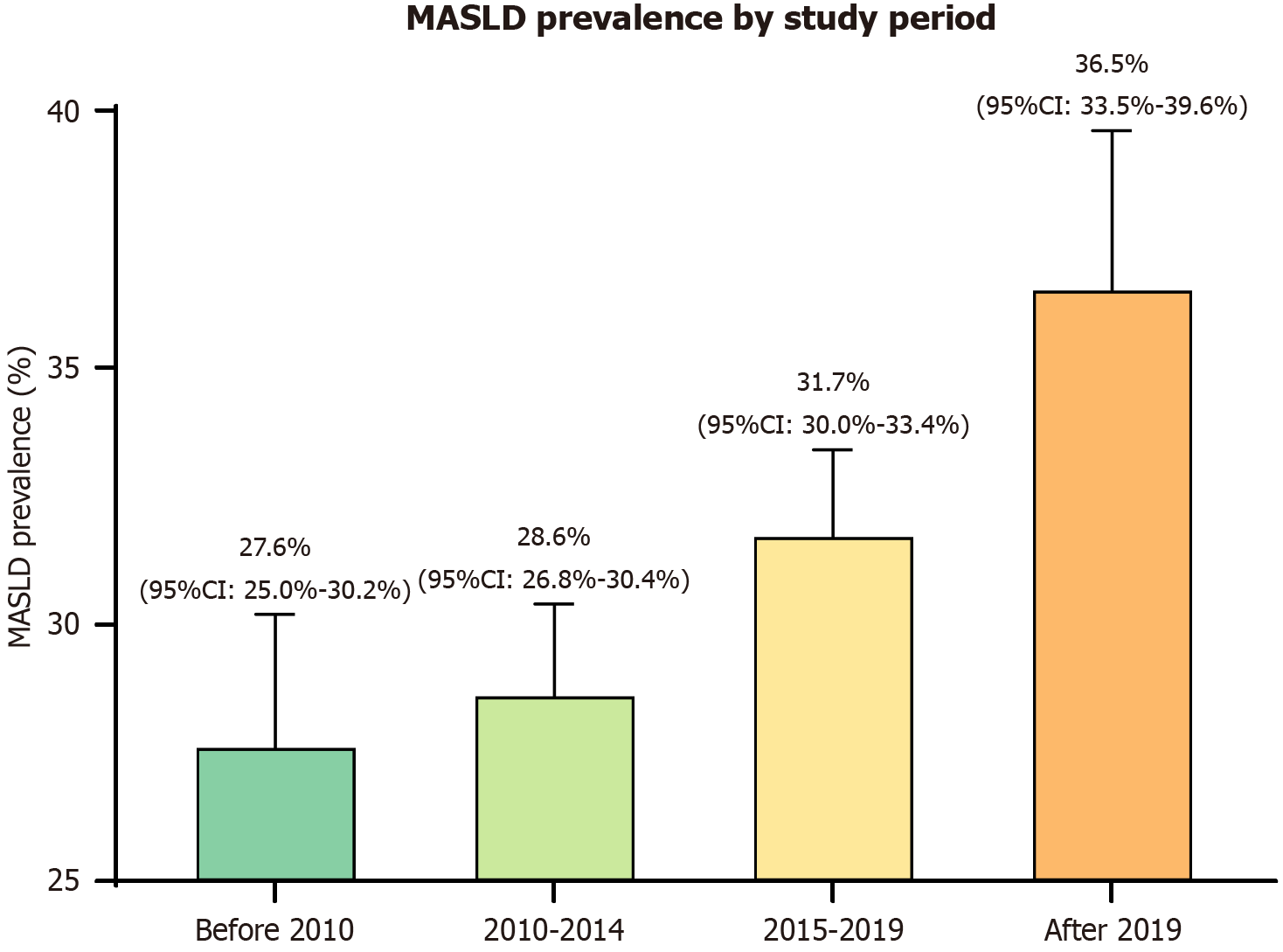
Figure 5 Subgroup analysis of the prevalence of metabolic dysfunction-associated steatotic liver disease by study period.
MASLD: Metabolic dysfunction-associated steatotic liver disease; CI: Confidence interval.
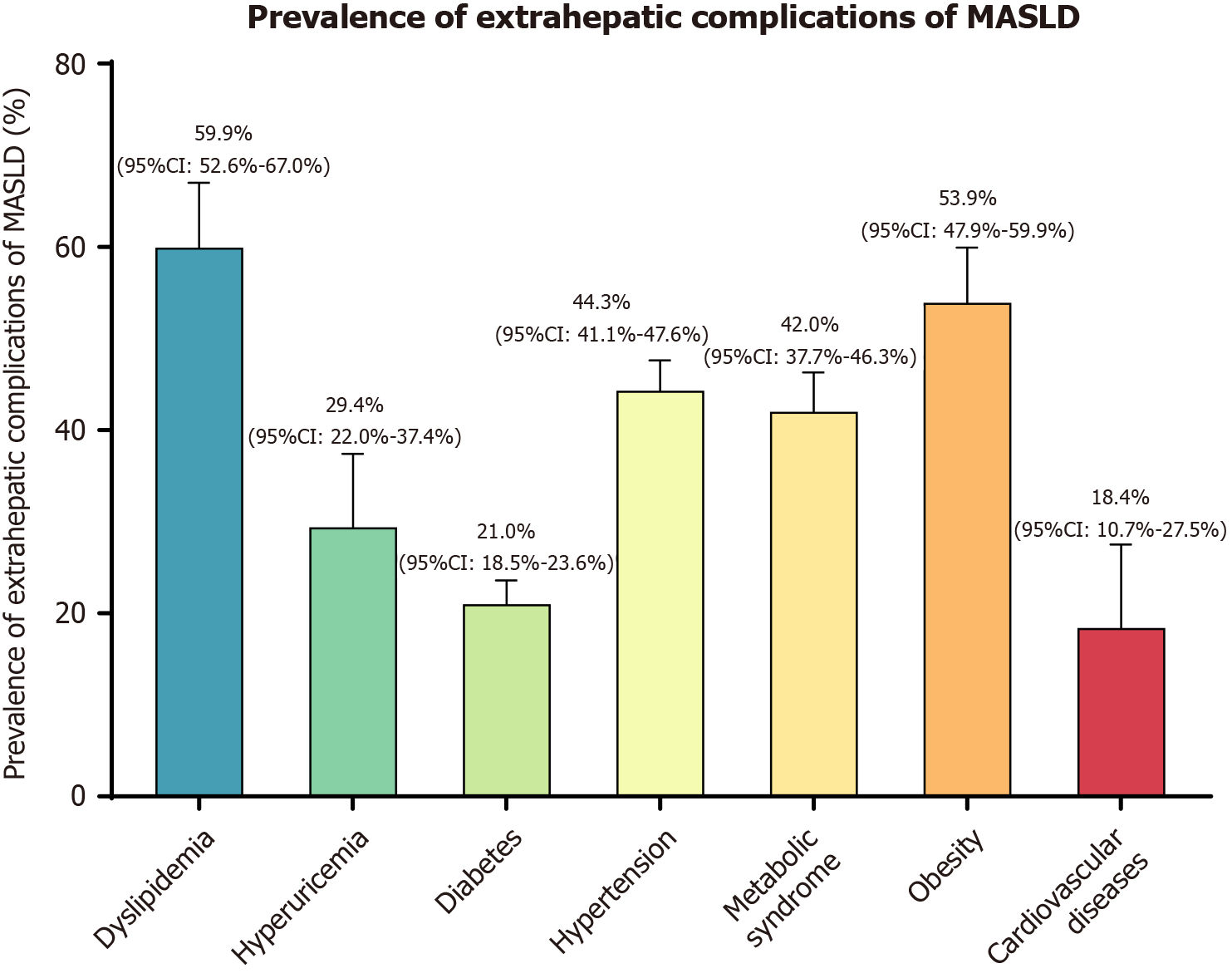
Figure 6 Prevalence of extrahepatic comorbidities of metabolic dysfunction-associated steatotic liver disease.
MASLD: Metabolic dysfunction-associated steatotic liver disease; CI: Confidence interval.
- Citation: Chai SY, Zhang RY, Fernandes G, Zheng YM, Wei L. Epidemiology of metabolic dysfunction-associated steatotic liver disease/metabolic dysfunction-associated steatohepatitis and associated cardiometabolic factors in adults in China (2013-2023): A systematic review and meta-analysis. World J Gastroenterol 2025; 31(46): 113608
- URL: https://www.wjgnet.com/1007-9327/full/v31/i46/113608.htm
- DOI: https://dx.doi.org/10.3748/wjg.v31.i46.113608