
















Copyright: ©Author(s) 2026.
World J Methodol. Jun 20, 2026; 16(2): 109312
Published online Jun 20, 2026. doi: 10.5662/wjm.v16.i2.109312
Published online Jun 20, 2026. doi: 10.5662/wjm.v16.i2.109312
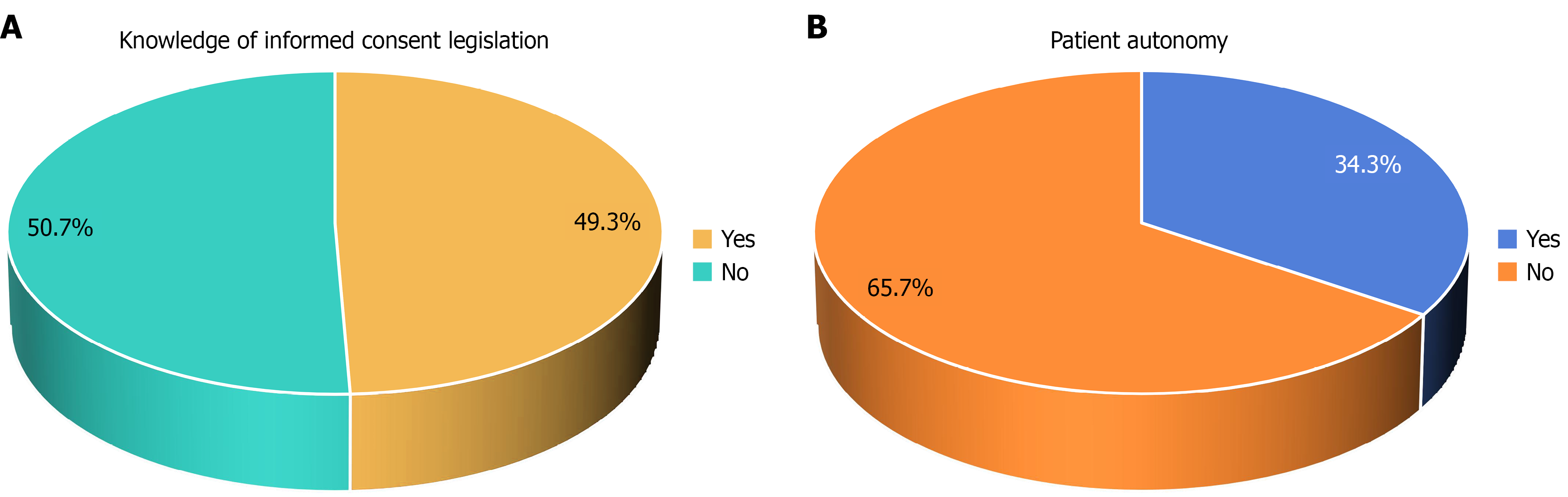
Figure 1 Frequency of respondents.
A: Permitting patients to decide if endoscopy can be viewed as a learning activity; B: Awareness of legislation concerning informed consent in Nigeria.
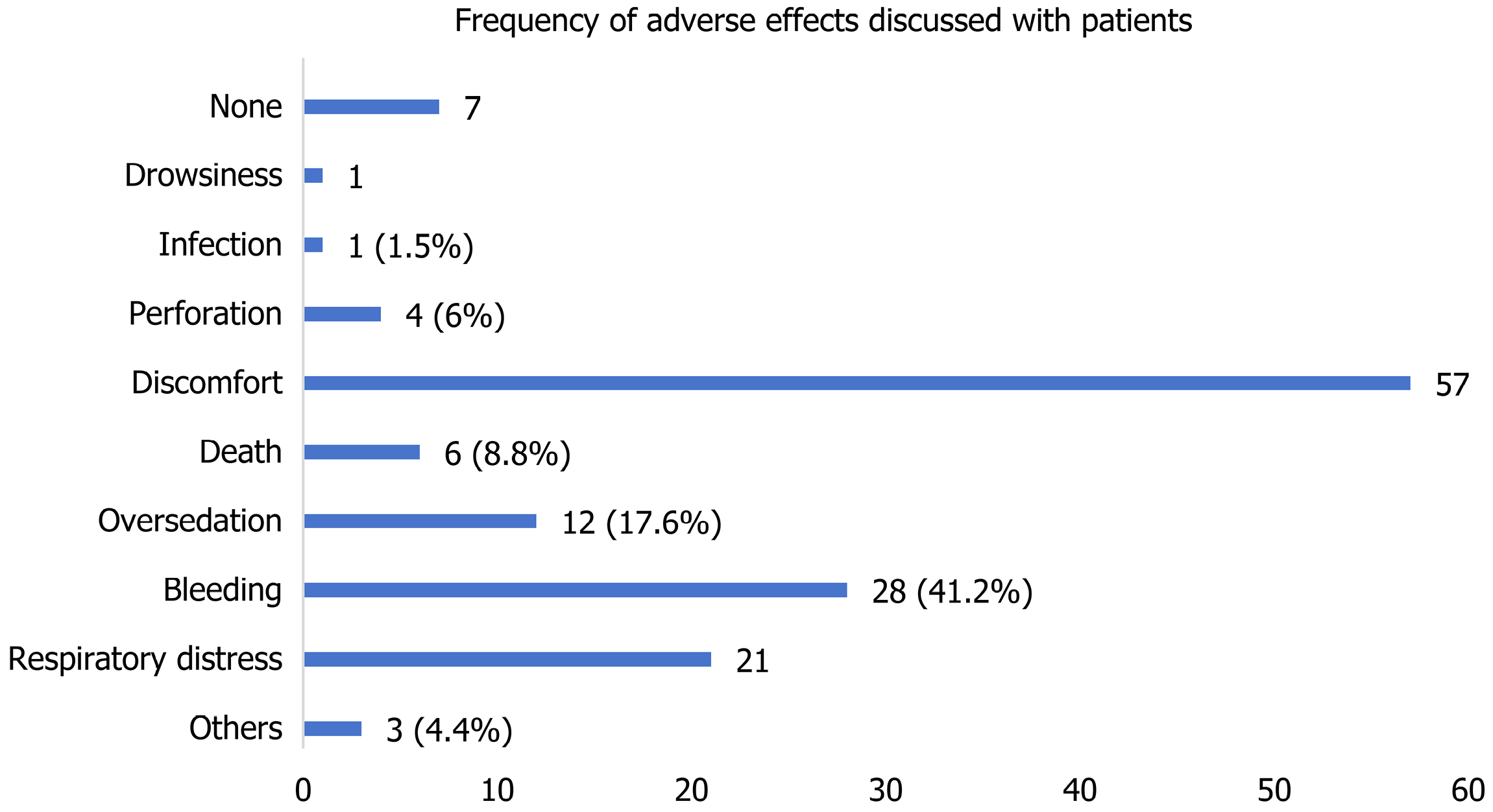
Figure 2 Frequency of adverse effects of endoscopy that were discussed with patient relatives.
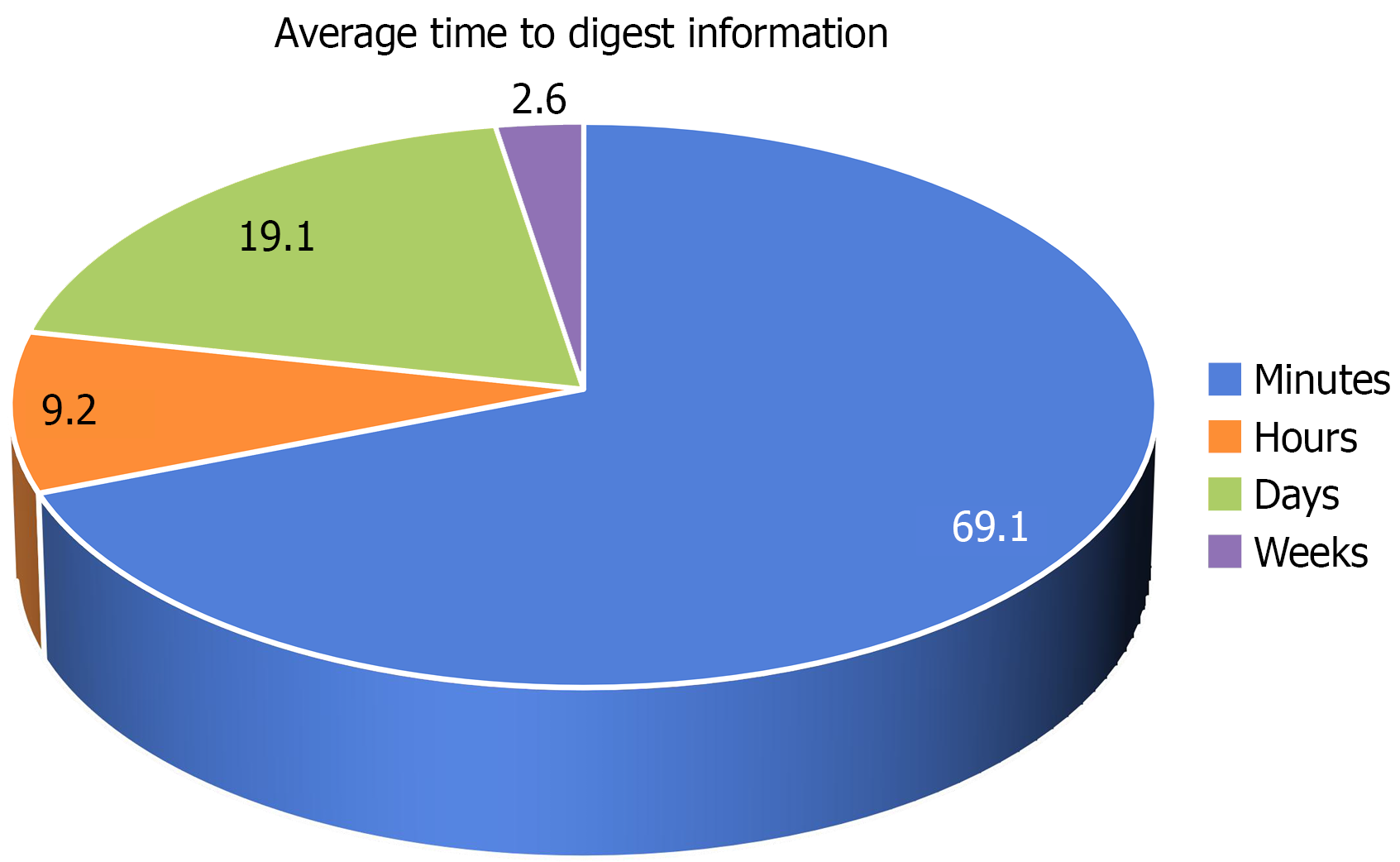
Figure 3 Average time that patients are given to digest information prior to endoscopy.
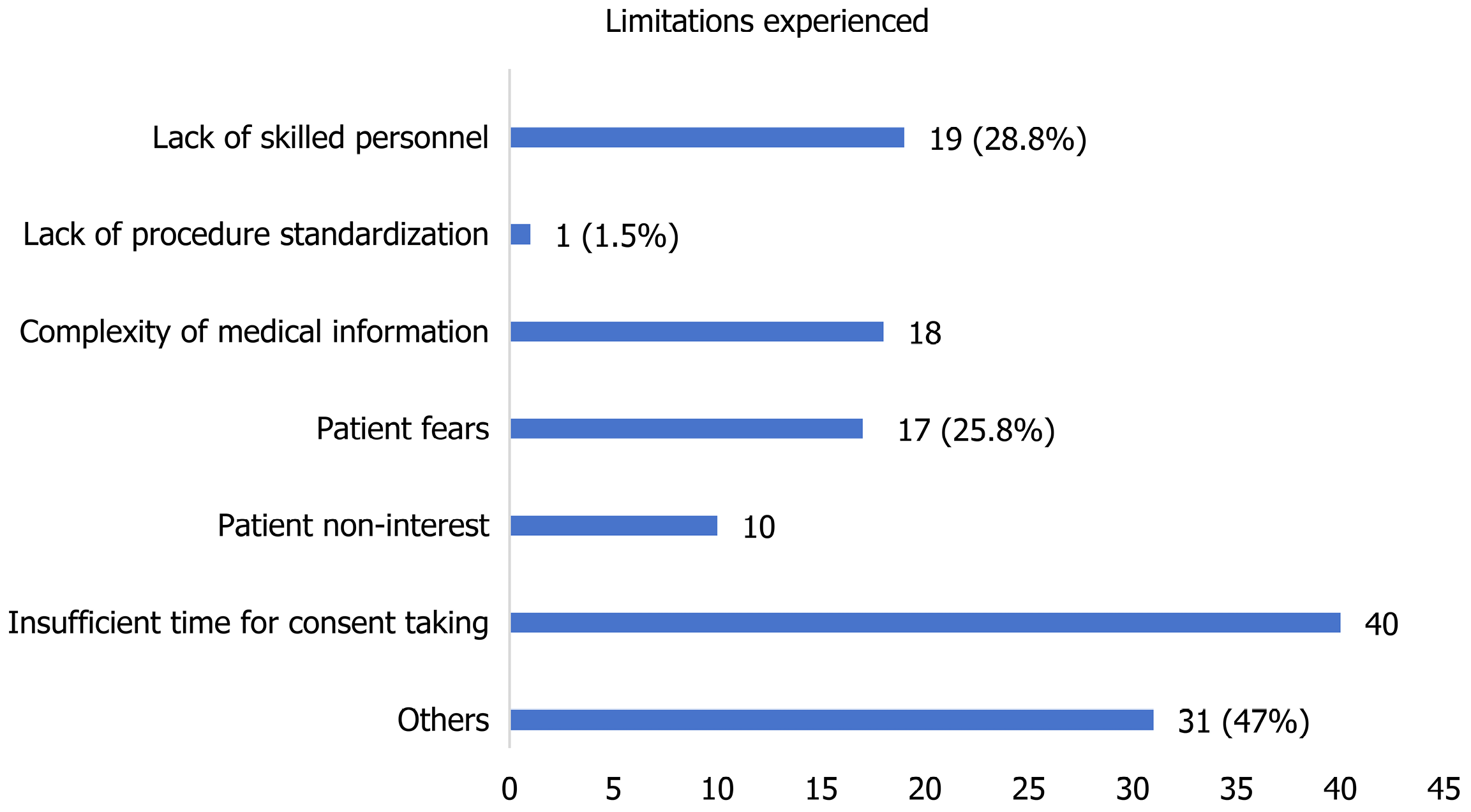
Figure 4 Limitation respondents experienced in the process of informed consent.
- Citation: Okonkwo KC, Davwar PM, Musa Y, Bojuwoye MO, Onyia CP, Egboh SMC, Chukwurah SN, Obasi E, Asaolu OI, Adiri WN, Okeke UF, Dankiri NA, Udigwe CF. From understanding to agreement: The current state of informed consent in Nigerian endoscopic practice. World J Methodol 2026; 16(2): 109312
- URL: https://www.wjgnet.com/2222-0682/full/v16/i2/109312.htm
- DOI: https://dx.doi.org/10.5662/wjm.v16.i2.109312