
















Copyright: ©Author(s) 2026.
World J Nephrol. Mar 25, 2026; 15(1): 115933
Published online Mar 25, 2026. doi: 10.5527/wjn.v15.i1.115933
Published online Mar 25, 2026. doi: 10.5527/wjn.v15.i1.115933
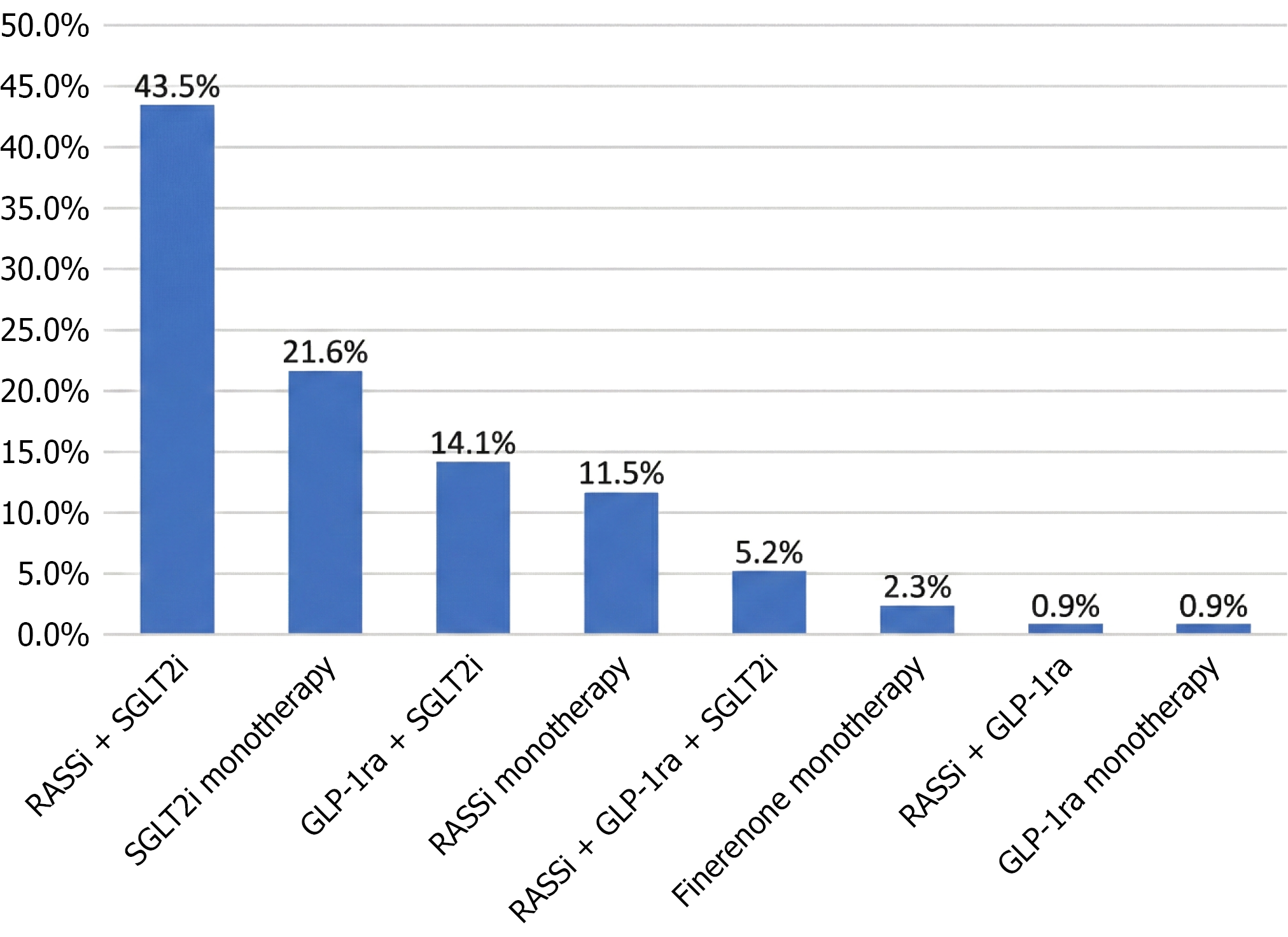
Figure 1 Distribution of prescribed nephroprotective regimens.
This bar chart illustrates the frequency of different therapeutic combinations. Dual therapy consisting of renin-angiotensin-aldosterone system inhibitors and sodium-glucose cotransporter inhibitors was the most prevalent regimen (43.5%), highlighting the acceptance of combination therapy over monotherapies or other classes of drugs. RASSi: Renin-angiotensin-system inhibitors; SGLT2i: Sodium-glucose cotransporter inhibitor; GLP-1ra: Glucagon-like peptide-1 receptor agonist.
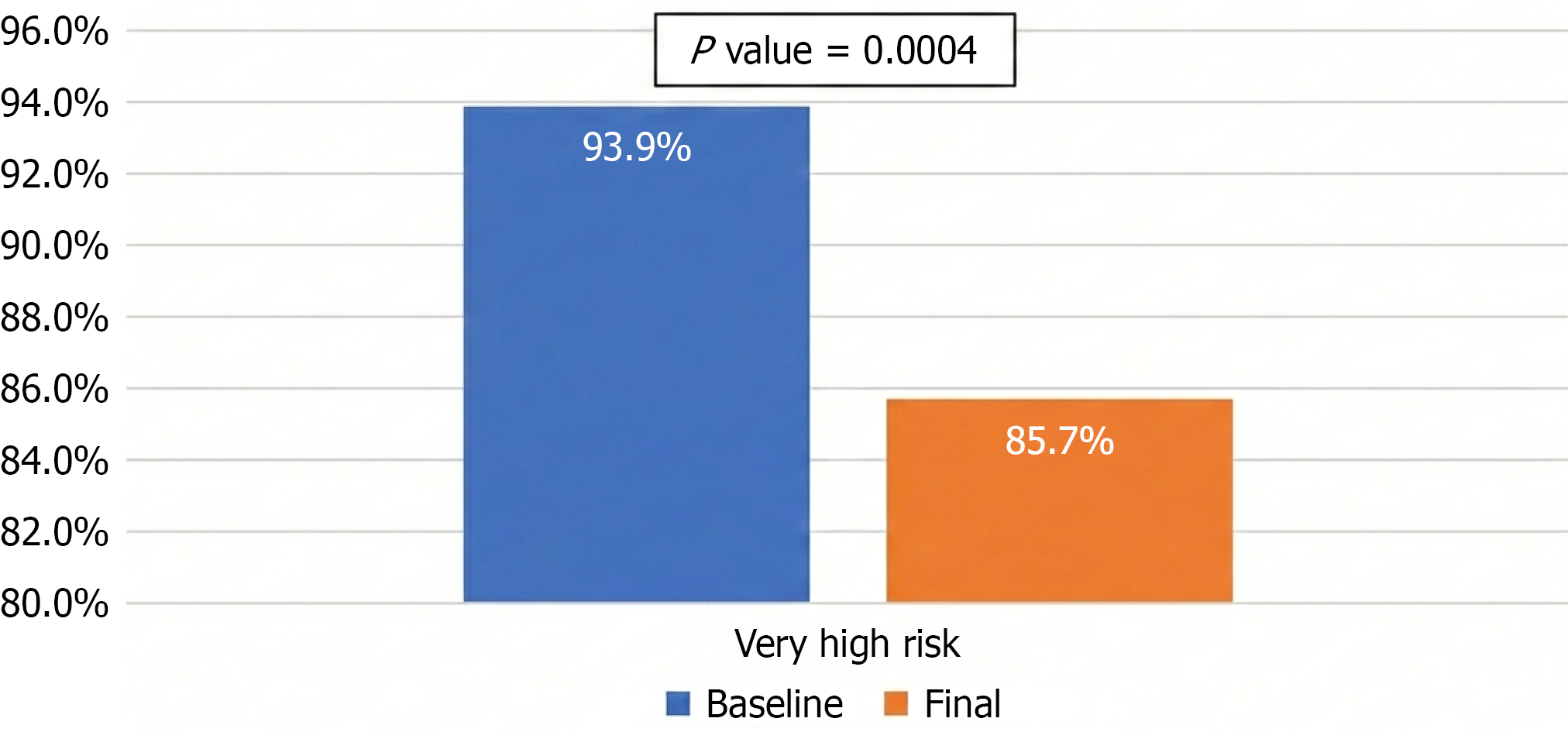
Figure 2 Changes in very high-risk stratification: Baseline vs final assessment.
Comparison of the proportion of patients classified as very high risk at baseline (blue) vs the final visit (orange). The data demonstrates a statistically significant reduction (93.9% vs 85.7%; P = 0.0004), indicating a favorable shift in risk profile following the intervention period.
- Citation: Arnedo RD, Polo VS, Garcia JB, Gutiérrez JF, Clason ER, Domínguez D, Rebutti GM, Mancia CM, López RT, Meza MR, López DT, Muñoz Zambrano JJ, Herrera EL, Dina-Batlle E, Terrones MC, de Moraes TP, Yánez TR, Osorio W, Cabeza AA, Rico-Fontalvo J. Efficacy and safety of finerenone in diabetic kidney disease: Latin American experience from FINDKDLATAM trial. World J Nephrol 2026; 15(1): 115933
- URL: https://www.wjgnet.com/2220-6124/full/v15/i1/115933.htm
- DOI: https://dx.doi.org/10.5527/wjn.v15.i1.115933