
















Copyright: ©Author(s) 2026.
World J Nephrol. Mar 25, 2026; 15(1): 110867
Published online Mar 25, 2026. doi: 10.5527/wjn.v15.i1.110867
Published online Mar 25, 2026. doi: 10.5527/wjn.v15.i1.110867
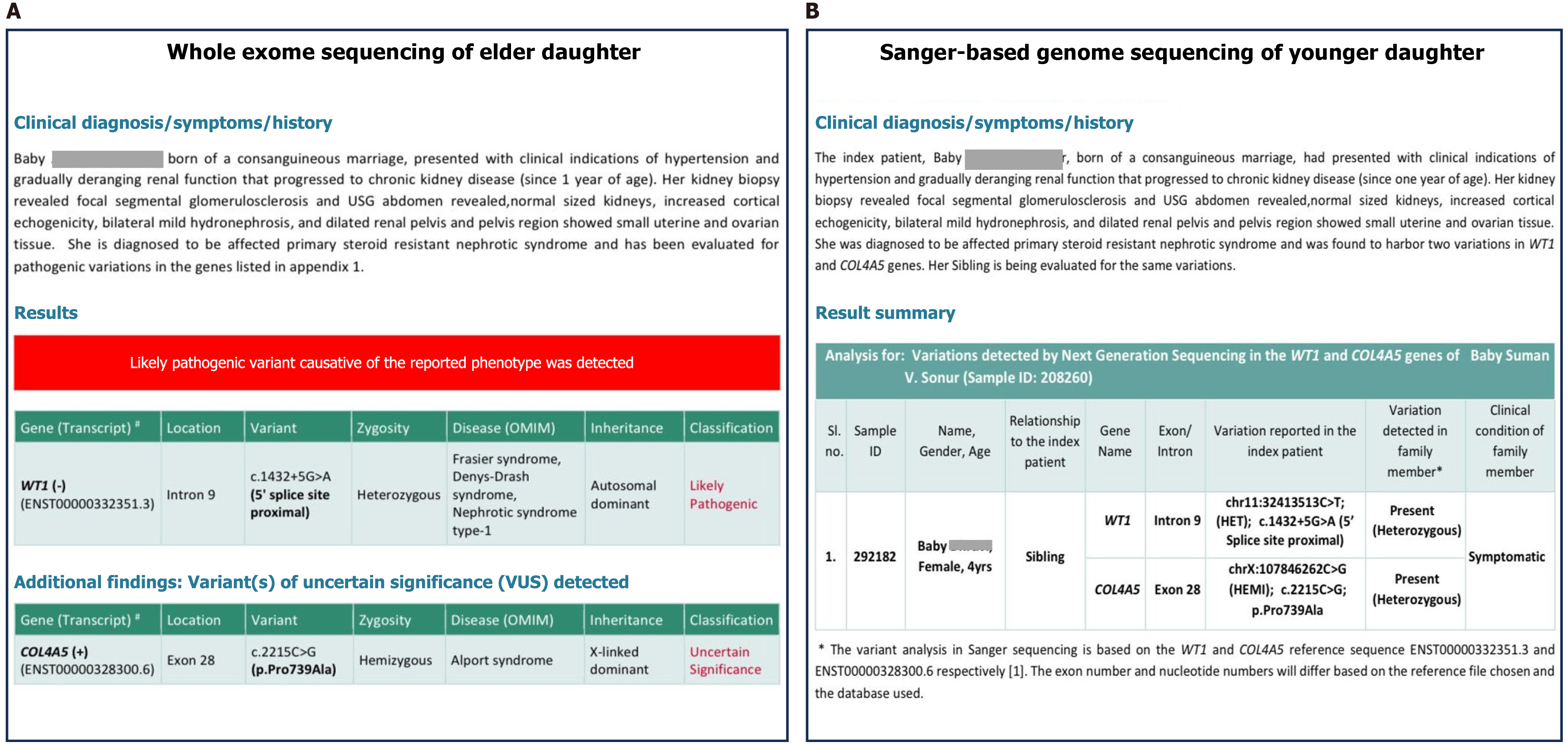
Figure 1 The figure illustrates the genetic evaluation of the siblings.
A: Whole exome sequencing of elder daughter; B: Sanger-based genome sequencing of younger daughter. Whole exome sequencing of the elder daughter, performed using next-generation sequencing, identified a heterozygous splice-site variant in intron 9 of the WT1 gene (c.1432+5G>A), which is classified as likely pathogenic and consistent with a diagnosis of Frasier syndrome. Additionally, a hemizygous variant in exon 28 of the COL4A5 gene (c.2215C>G; p.Pro739Ala) was detected in the elder sibling. In the younger daughter, Sanger-based genomic sequencing identified the same WT1 variant in a heterozygous state, along with the COL4A5 variant in a heterozygous form. WT1: Wilms tumor 1; COL4A5: The alpha5 chains of collagen type IV.
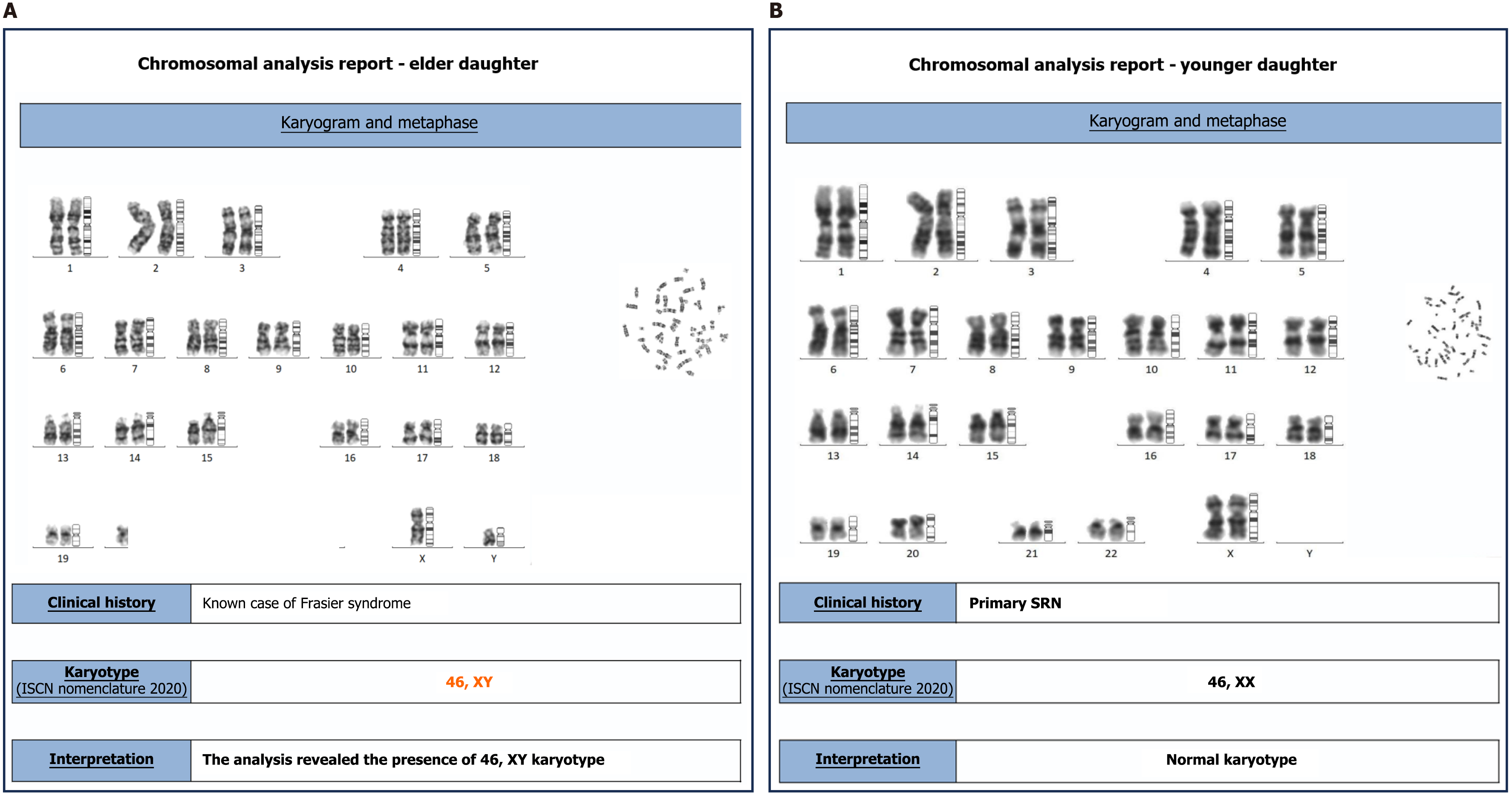
Figure 2 The figure presents the karyotype analysis of two siblings affected by primary steroid-resistant nephrotic syndrome.
A: Chromosomal analysis report - elder daughter; B: Chromosomal analysis report - younger daughter. The elder sibling exhibits a male karyotype (46, XY), which supports the molecular diagnosis of Frasier syndrome associated with a WT1 gene mutation. In contrast, the younger sibling, also diagnosed with steroid-resistant nephrotic syndrome, shows a normal female karyotype (46, XX) with no detectable chromosomal abnormalities. SRN: Steroid-resistant nephrotic.
- Citation: Khandelwal MH, Piparva KG, Parchwani D. Familial WT1-associated nephropathy - 46, XY Frasier syndrome and 46, XX steroid-resistant nephrotic syndrome in female siblings: A case report and review of literature. World J Nephrol 2026; 15(1): 110867
- URL: https://www.wjgnet.com/2220-6124/full/v15/i1/110867.htm
- DOI: https://dx.doi.org/10.5527/wjn.v15.i1.110867