
















©The Author(s) 2025.
World J Nephrol. Dec 25, 2025; 14(4): 112066
Published online Dec 25, 2025. doi: 10.5527/wjn.v14.i4.112066
Published online Dec 25, 2025. doi: 10.5527/wjn.v14.i4.112066
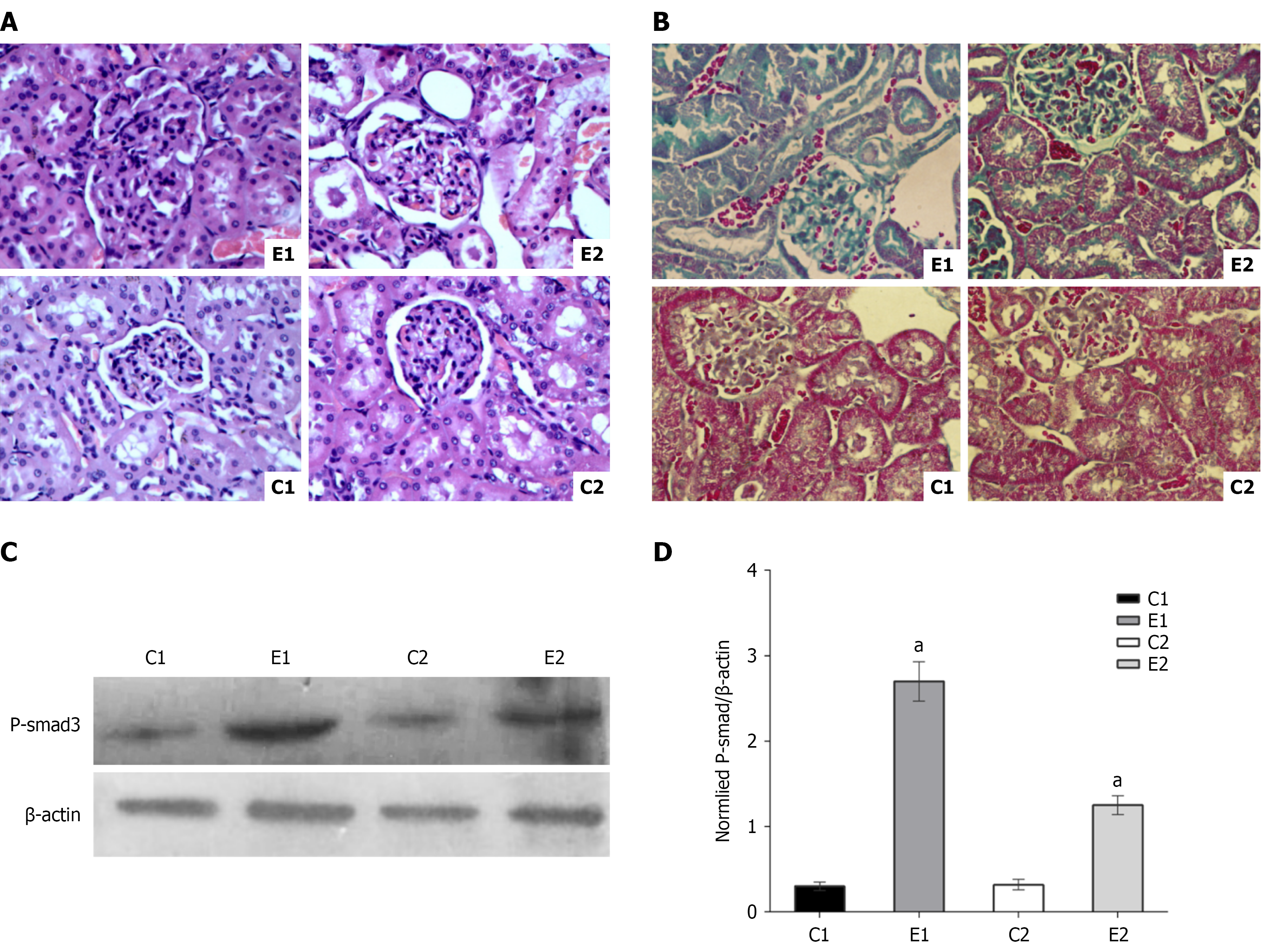
Figure 1 Effect of trimethylamine N-oxide on renal function injury.
aP < 0.01. A: Hematoxylin and eosin staining of rat kidney tissue (400 ×). Group E1 showed the most obvious structural damage to the kidneys, with proliferation of glomerular mesangial cells and mesangial matrix, and shrinkage of Bowman’s capsule. Renal tubular protein casts were also observed in the renal tubules. Group E2 showed milder damage to the renal tissue, while groups C1 and C2 showed normal renal structure; B: Masson staining of rat kidney to assess fibrosis (400 ×). Group E1: Diabetic nephropathy model group, group E2 diabetic model inhibition group, group C1 blank control group, group C2 blank inhibition group; fibrotic tissue is stained green in the figure; C: Level of the P-smad3 protein in different groups of rats. E1 group protein expression was significantly higher than other groups (P < 0.01), while E2 group protein expression was higher than C1 and C2 groups, but significantly lower than E1 group (P < 0.01); D: Gray values indicating the level of the P-smad3 protein in different groups of rats.
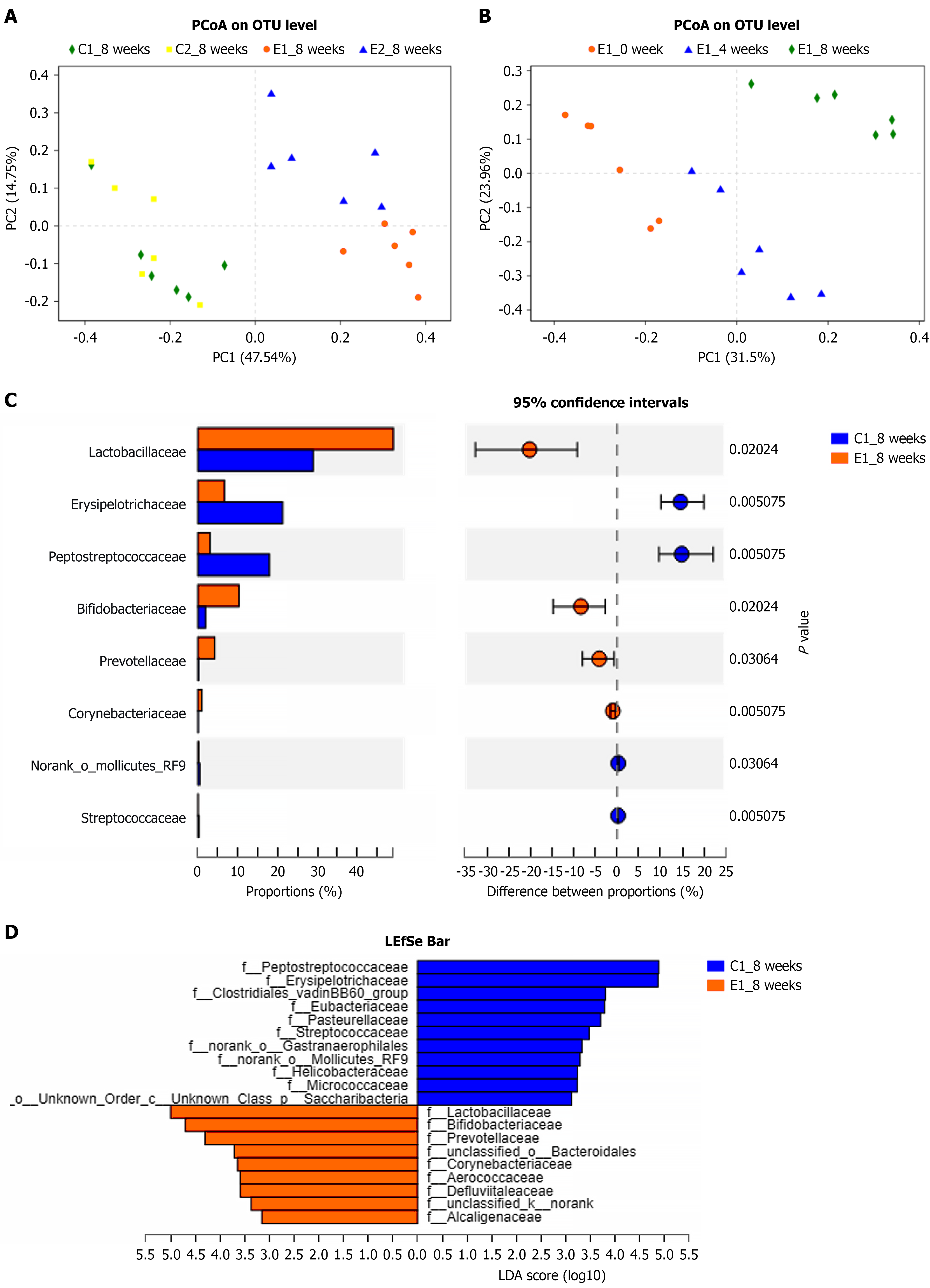
Figure 2 Integrated principal coordinate analysis and linear discriminant analysis effect size analysis reveals gut microbiota dynamics in a diabetic nephropathy rat model.
A: Principal coordinate analysis of the intestinal bacterial composition of the C1, C2, E1 and E2 groups at 8 weeks of modeling. PC1 and PC2 represent different influencing factors, the distance between samples indicates the degree of similarity between samples, and the percentage in parentheses represents the contribution of this coordinate; B: Principal coordinate analysis of the intestinal bacterial composition in the E1 group at 0 week, 4 weeks, and 8 weeks of modeling. As the modeling progressed, the gut microbiota of the E1 group also underwent significant changes; C: Results of the significance test between the E1 and C1 groups at the genus level. Different colors denote different groups, with the far right column displaying the P value; D: Linear discriminant analysis effect size multilevel species analysis of the E1 and C1 groups at the genus level. Through the above two methods of comparing intergroup differences in microbiota, it was demonstrated that the aforementioned microbiota underwent significant changes during the progression of diabetic nephropathy in Zucker diabetic fatty rats. PCoA: Principal coordinate analysis; OUT: Operational taxonomic unit; LDA: Linear discriminant analysis; LEfSe: Linear discriminant analysis effect size.

Figure 3 Receiver operating characteristic curve for the identification of the fecal microbiota.
A: Receiver operating characteristic (ROC) curve for the identification of the fecal microbiota from normal rats and diabetic nephropathy rats; B: ROC curve for the identification of the fecal microbiota from diabetic rats and normal rats; C: ROC curve for the identification of the fecal microbiota from diabetic nephropathy rats and diabetic rats. AUC: Area under curve; CI: Confidence interval.
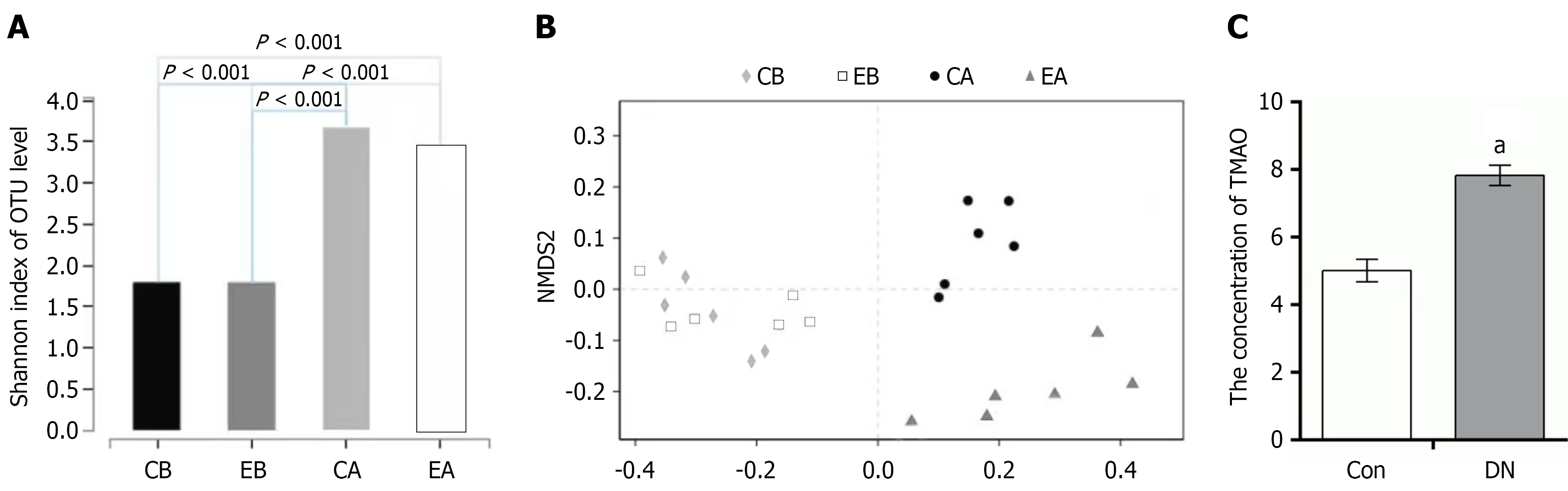
Figure 4 Analysis of gut microbiota and trimethylamine N-oxide before and after fecal microbiota transplantation.
aP < 0.01 compared with the control group. A: Shannon indexes before and after transplantation; B: Comparison of bacterial populations before and after fecal transplantation; C: Serum trimethylamine N-oxide content after fecal transplantation. CB: Control group before transplantation; EB: Experimental group before transplantation; CA: Control group after transplantation; EA: Experimental group before transplantation; OUT: Operational taxonomic unit; MMDS2: Non-metric multidimensional scaling; TMAO: Trimethylamine N-oxide; Con: Control group; DN: Diabetic nephropathy group.
- Citation: Song YJ, Yang B, Feng QS, Ma FF, Xing B, Bin XL, Ha XQ. Gut microbiota-derived trimethylamine N-oxide exacerbates diabetic nephropathy by promoting renal fibrosis. World J Nephrol 2025; 14(4): 112066
- URL: https://www.wjgnet.com/2220-6124/full/v14/i4/112066.htm
- DOI: https://dx.doi.org/10.5527/wjn.v14.i4.112066