
















©The Author(s) 2025.
World J Nephrol. Dec 25, 2025; 14(4): 110749
Published online Dec 25, 2025. doi: 10.5527/wjn.v14.i4.110749
Published online Dec 25, 2025. doi: 10.5527/wjn.v14.i4.110749
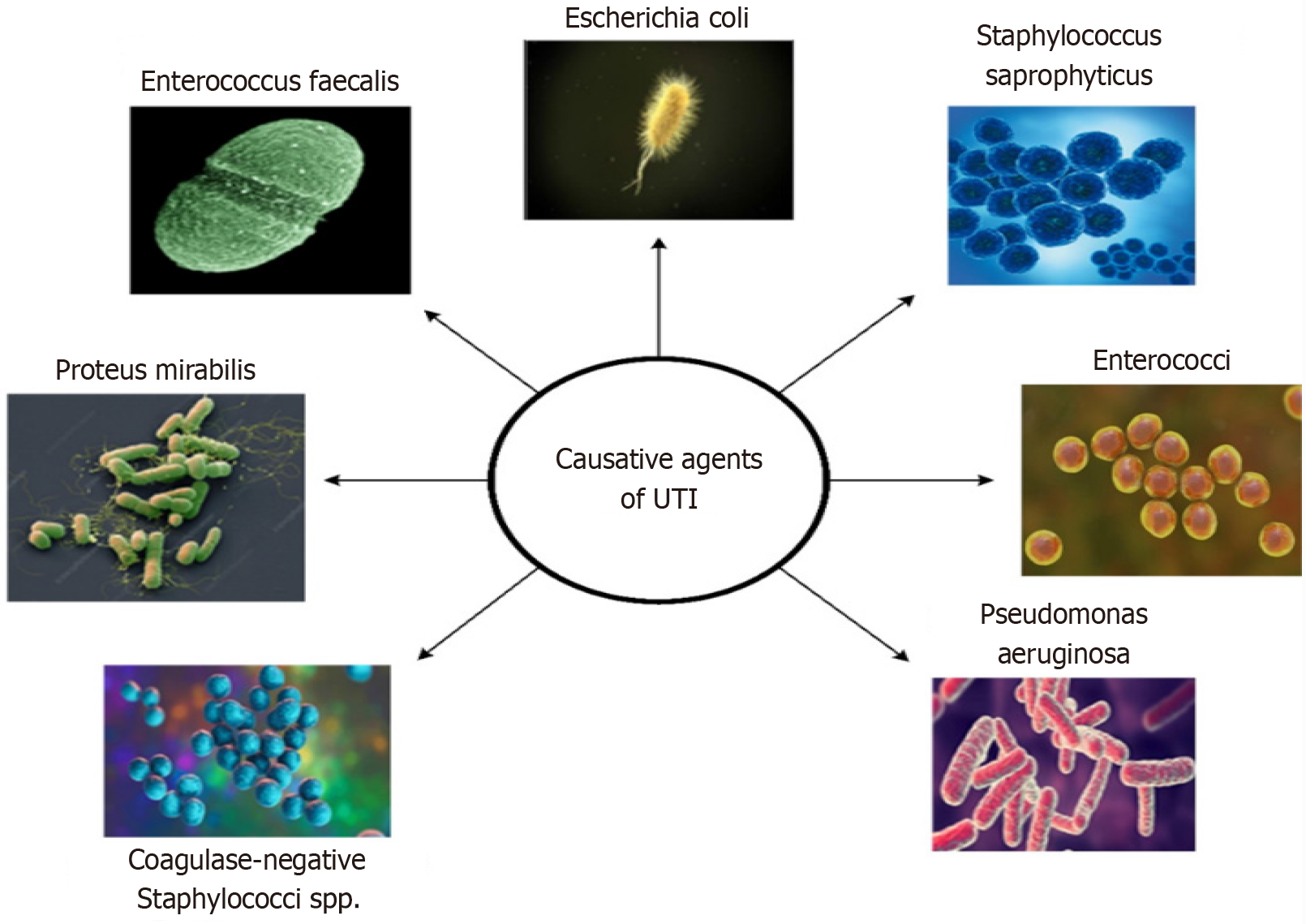
Figure 1 Pathogens causing urinary tract infections.
UTI: Urinary tract infections.
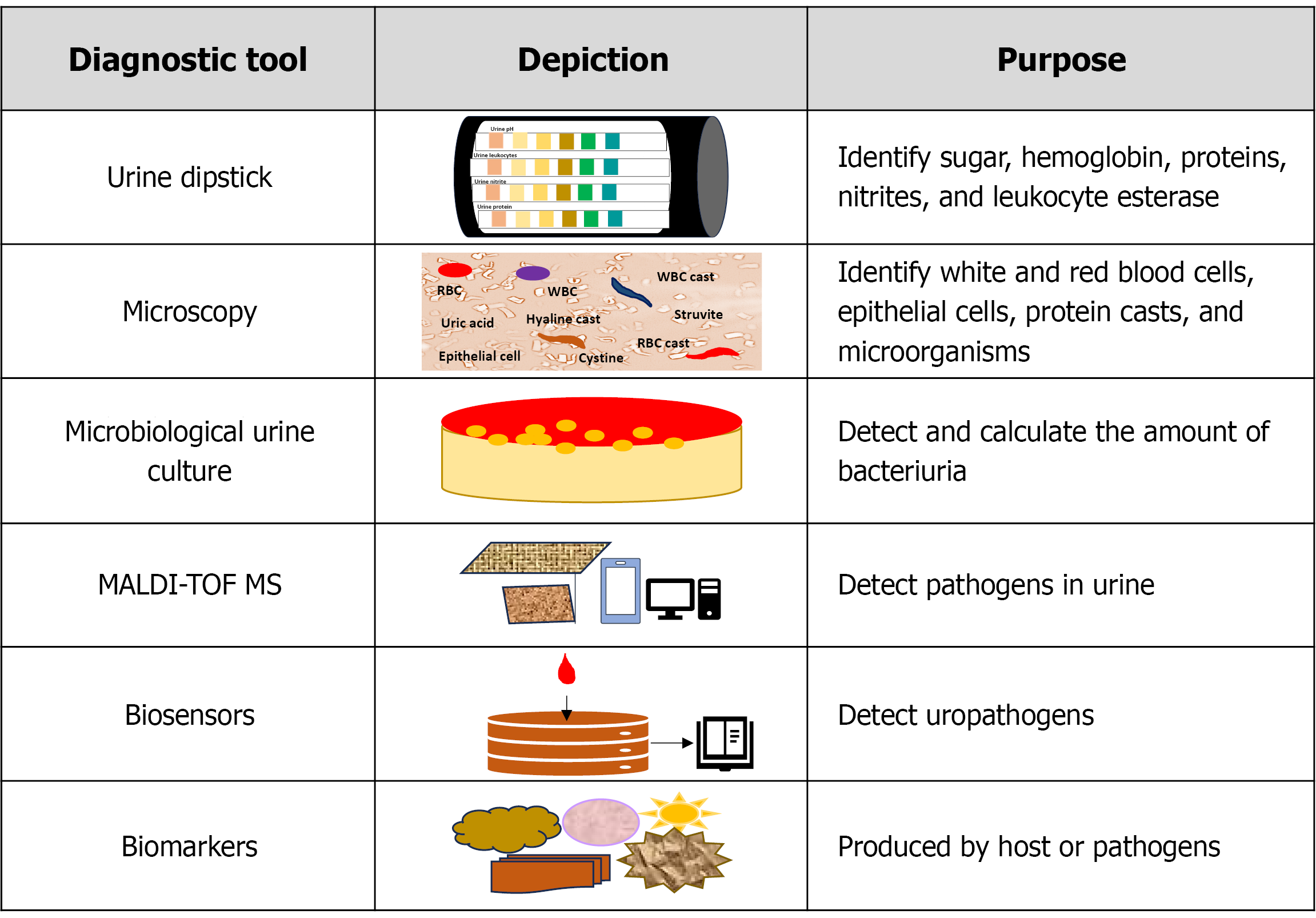
Figure 2 Laboratory methods used in the diagnosis of urinary tract infections.
MALDI-TOF MS: Matrix-assisted laser desorption/ionization time-of-flight mass spectrometry; WBC: White blood cell; RBC: Red blood cell.
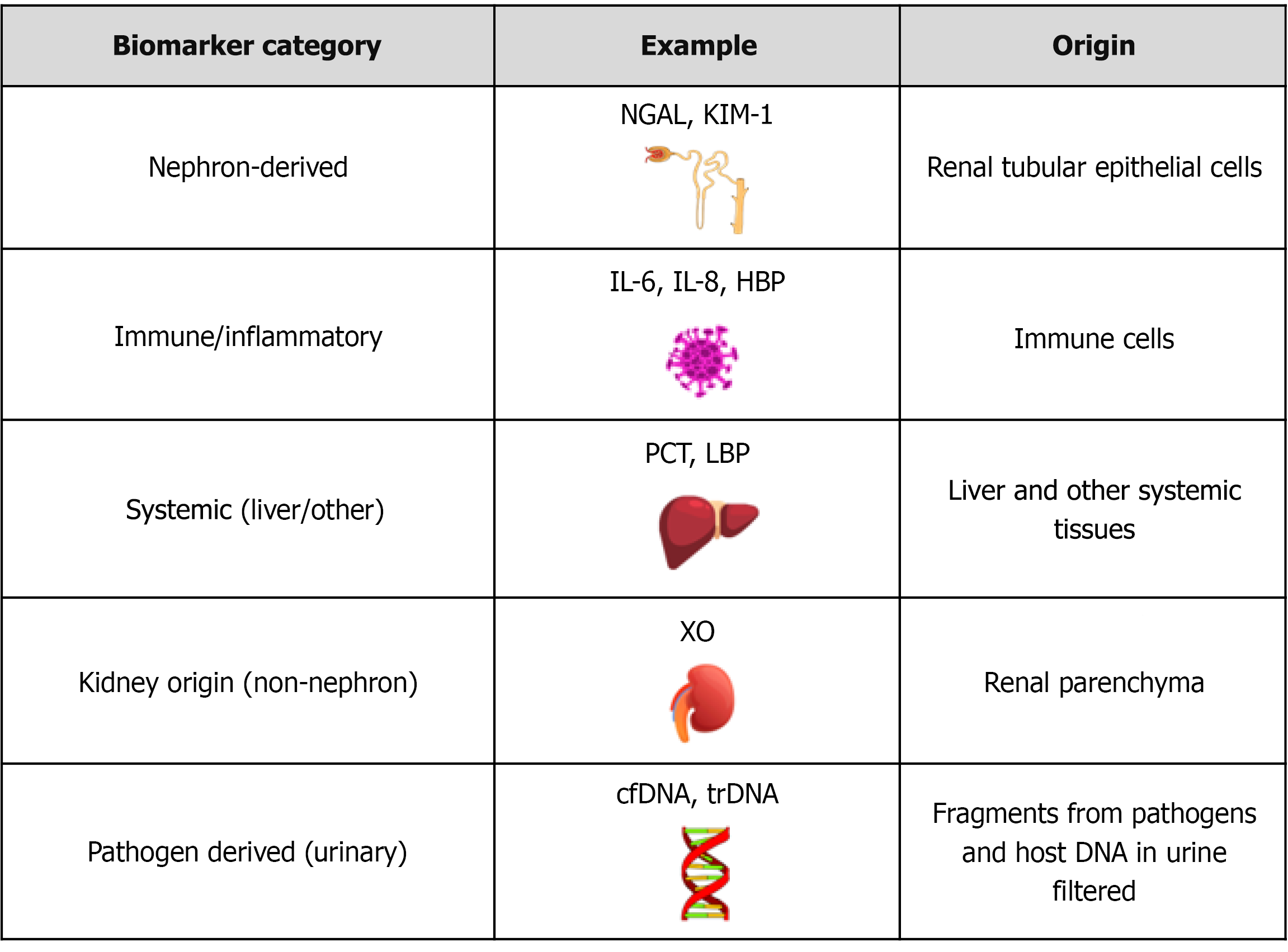
Figure 3 Classification of urinary biomarkers based on biological origin.
NGAL: Neutrophil gelatinase-associated lipocalin; KIM-1: Kidney Injury molecule-1; IL: Interleukin; HBP: Heparin-binding protein; LBP: Lipopolysaccharide-binding protein; PCT: Procalcitonin; XO: Xanthine oxidase; cfDNA: Cell-free DNA; trDNA: Transrenal DNA.
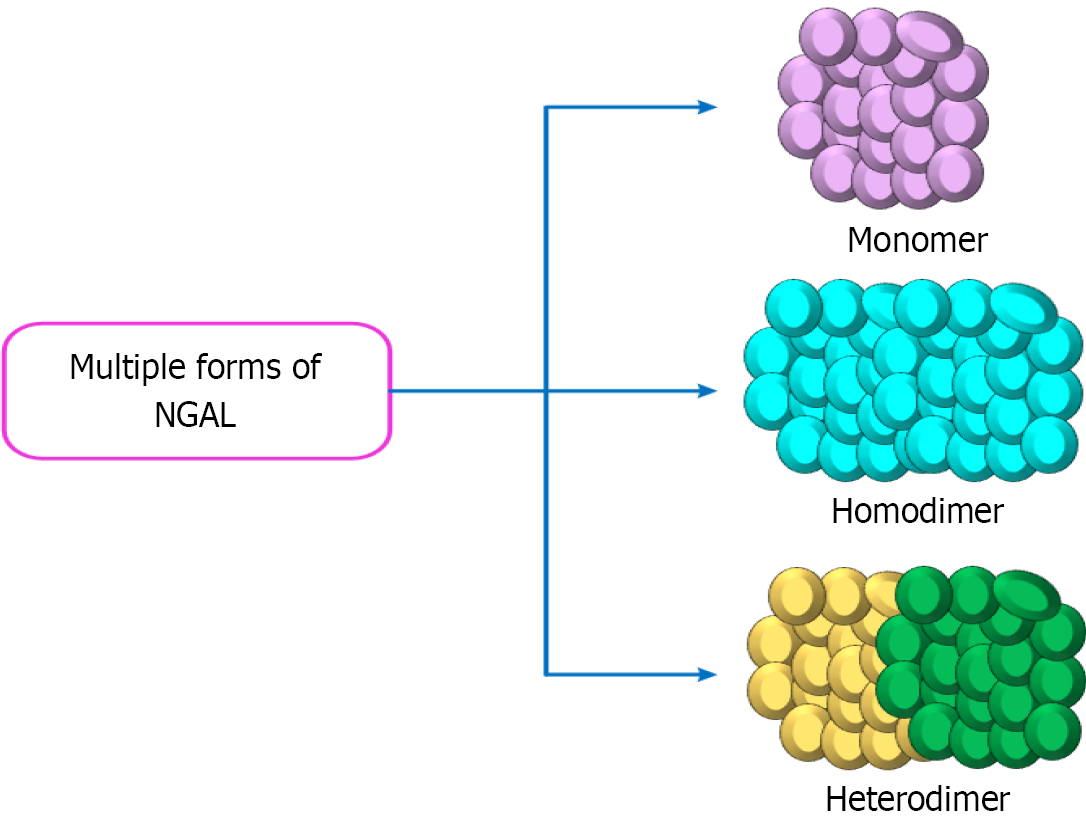
Figure 4 Multiple forms of neutrophil gelatinase-associated lipocalin.
NGAL: Neutrophil gelatinase-associated lipocalin.
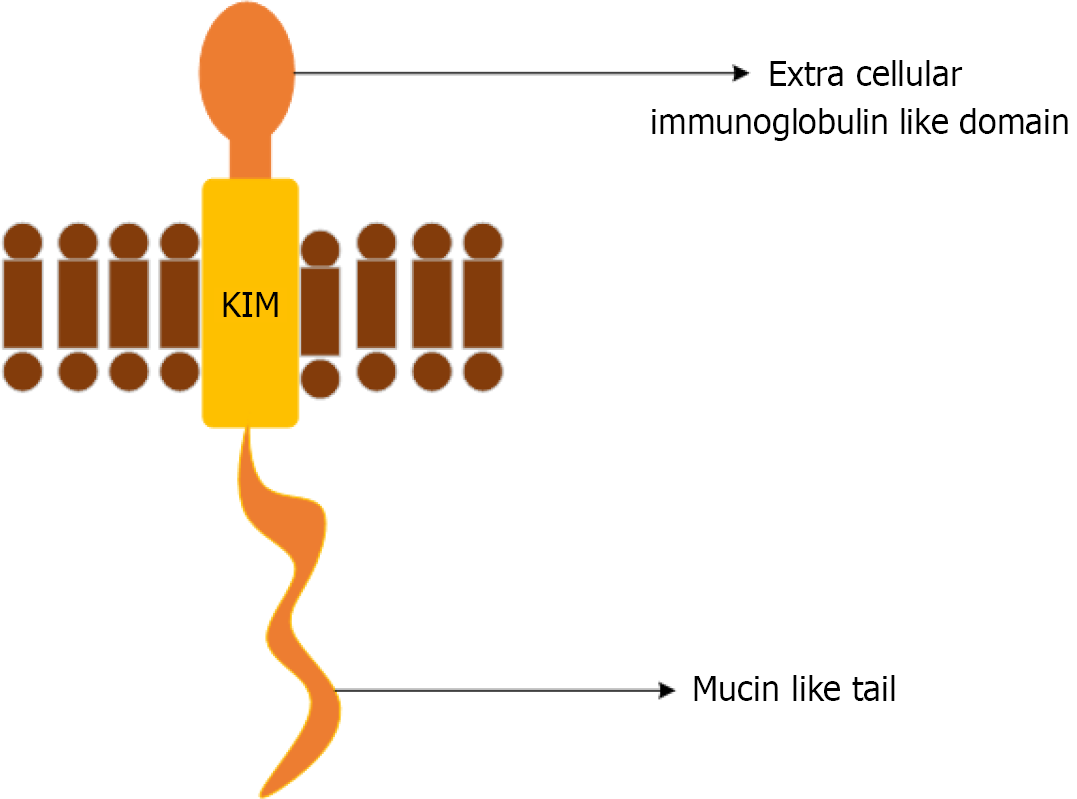
Figure 5 Structure of kidney Injury molecule-1.
KIM: Kidney Injury molecule.
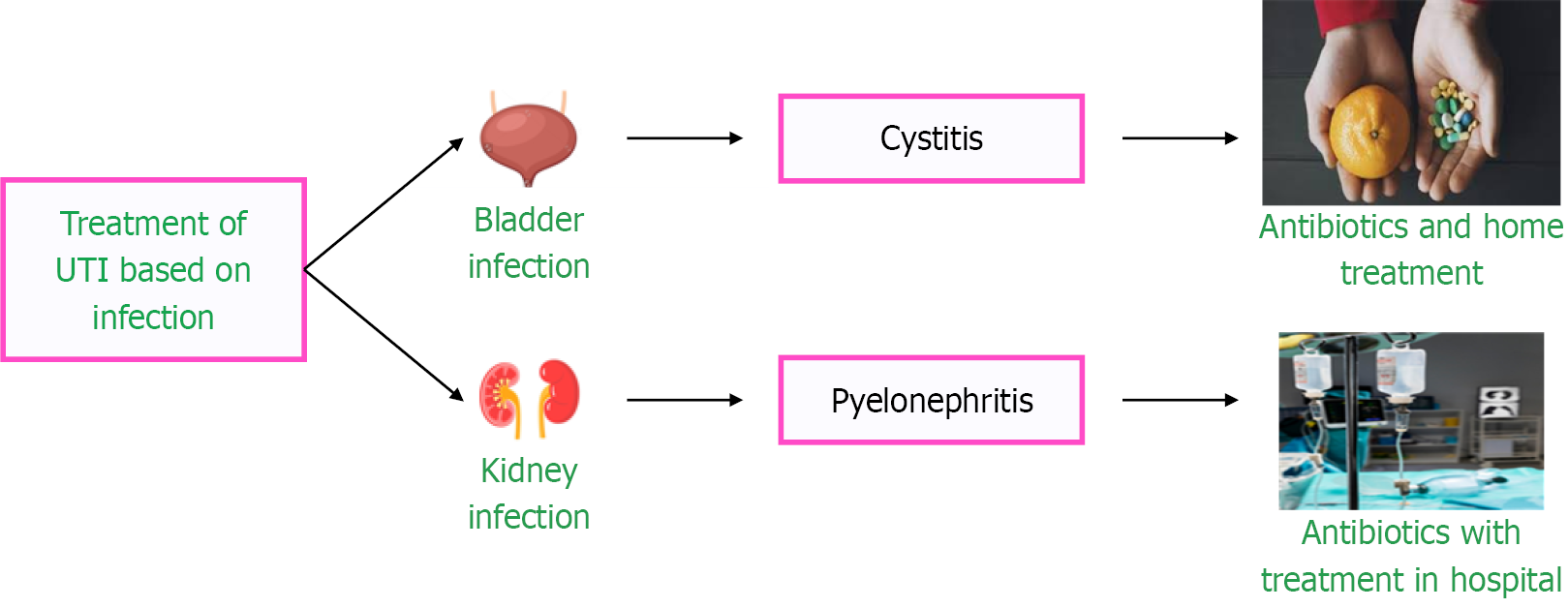
Figure 6 Treatment of urinary tract infections.
UTI: Urinary tract infections.

Figure 7 Clinical impact of biomarker-based rapid screening in urinary tract infections.
UTI: Urinary tract infections.
- Citation: Pandey S, Aravaanan ASK, Bhaskar E, Silambanan S. Biomarkers innovation in urinary tract infections: Insights into pathophysiology, antibiotic resistance, and clinical applications. World J Nephrol 2025; 14(4): 110749
- URL: https://www.wjgnet.com/2220-6124/full/v14/i4/110749.htm
- DOI: https://dx.doi.org/10.5527/wjn.v14.i4.110749