
















Copyright: ©Author(s) 2026.
World J Transplant. Jun 18, 2026; 16(2): 118288
Published online Jun 18, 2026. doi: 10.5500/wjt.v16.i2.118288
Published online Jun 18, 2026. doi: 10.5500/wjt.v16.i2.118288
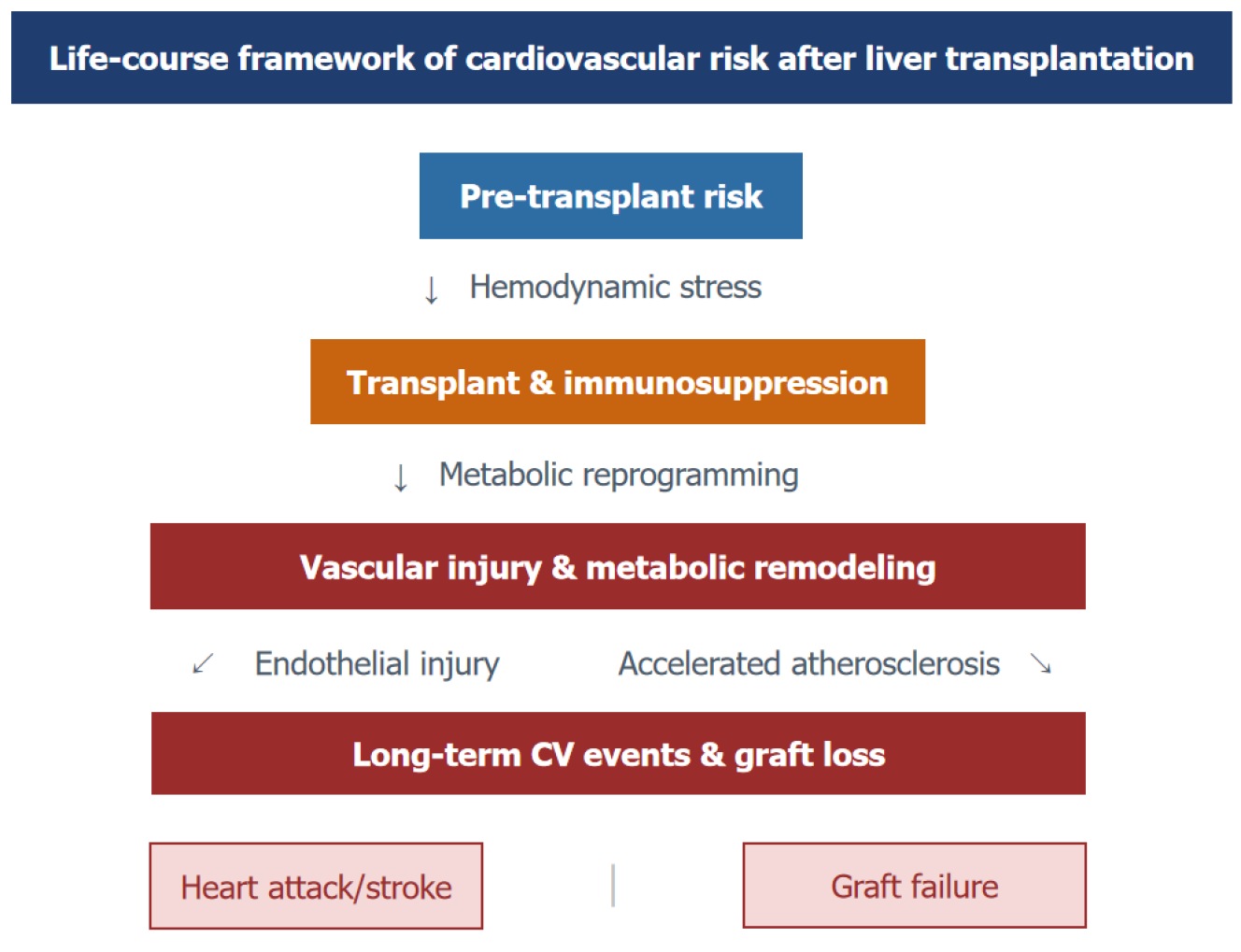
Figure 1 Life-course framework of cardiovascular risk after liver transplantation.
CV: Cardiovascular.
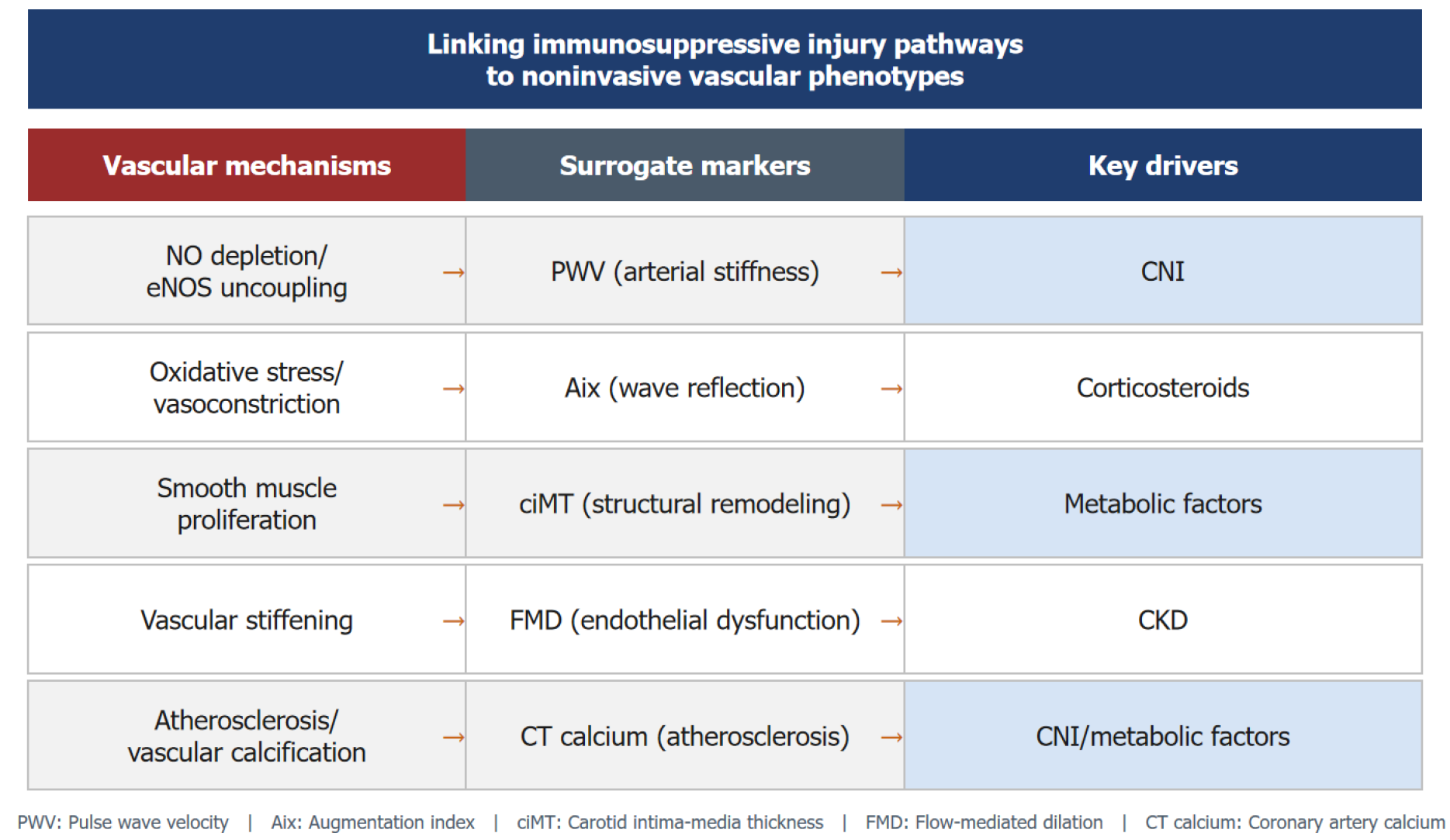
Figure 2 Linking immunosuppressive injury pathways to noninvasive vascular phenotypes.
NO: Nitric oxide; eNOS: Endothelial nitric oxide synthase; PWV: Pulse wave velocity; AIx: Augmentation index; cIMT: Carotid intima-media thickness; FMD: Flow-mediated dilation; CT calcium: Coronary artery calcium score; CNI: Calcineurin inhibitor; CKD: Chronic kidney disease.
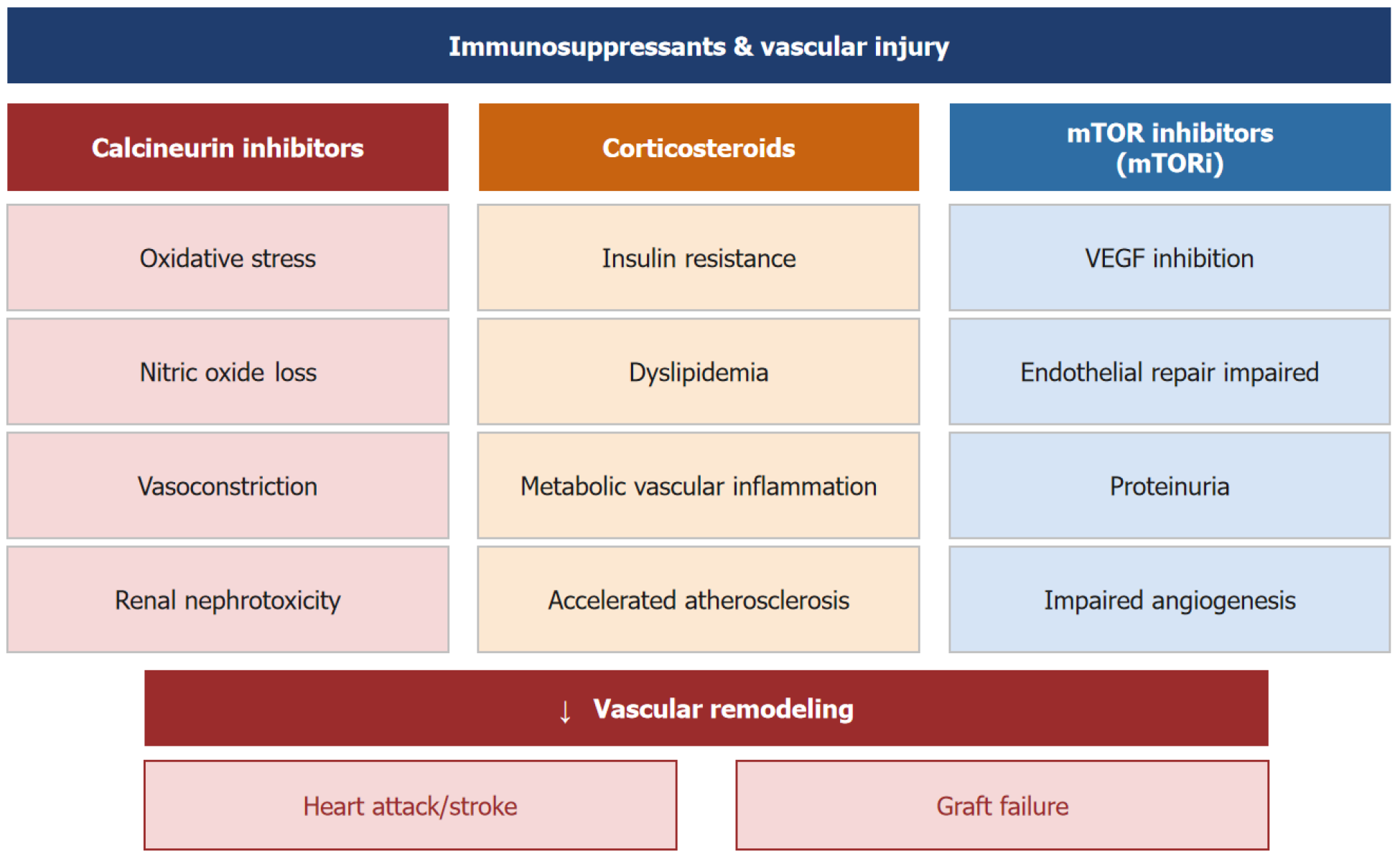
Figure 3 Comparative vascular and metabolic profiles of major immunosuppressive classes.
mTOR: Mammalian target of rapamycin; VEGF: Vascular endothelial growth factor.
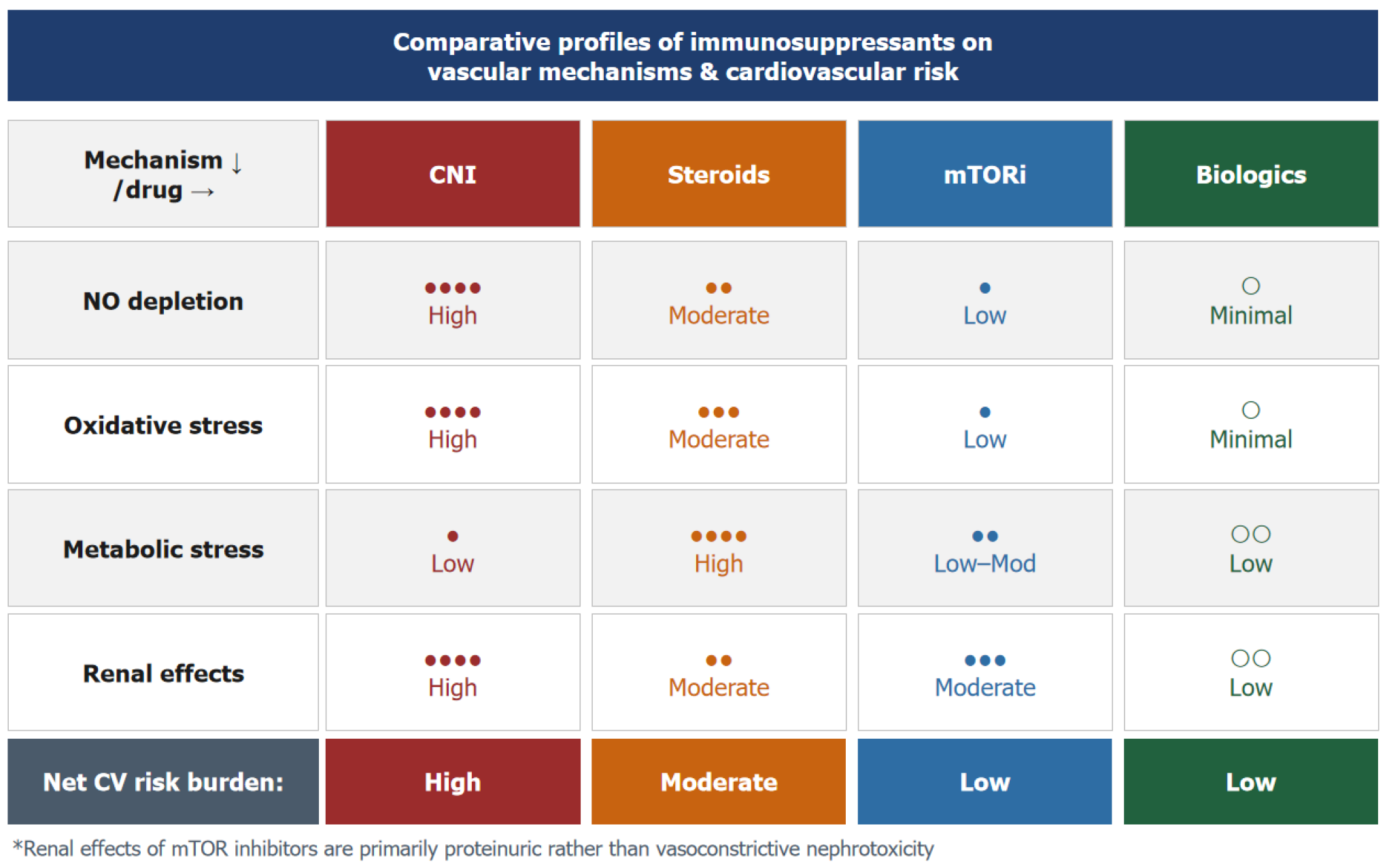
Figure 4 Comparative mechanistic burden across drug classes.
NO: Nitric oxide; CNI: Calcineurin inhibitor; mTORi: Mammalian target of rapamycin inhibitor; CV: Cardiovascular; mTOR: Mammalian target of rapamycin.
- Citation: Jahangir S, Zohery M, Diaz Lopez C, Hamed JC, Sarfraz S, Ashraf H, Rafiq T, Ali H, Raza M, Dahiya DS, Khalaf M, Ali H. Immunosuppression and vascular remodeling after liver transplantation: Mechanisms, surrogate markers, and modifiable pathways. World J Transplant 2026; 16(2): 118288
- URL: https://www.wjgnet.com/2220-3230/full/v16/i2/118288.htm
- DOI: https://dx.doi.org/10.5500/wjt.v16.i2.118288