
















Copyright: ©Author(s) 2026.
World J Psychiatry. Sep 19, 2026; 16(9): 115538
Published online Sep 19, 2026. doi: 10.5498/wjp.115538
Published online Sep 19, 2026. doi: 10.5498/wjp.115538
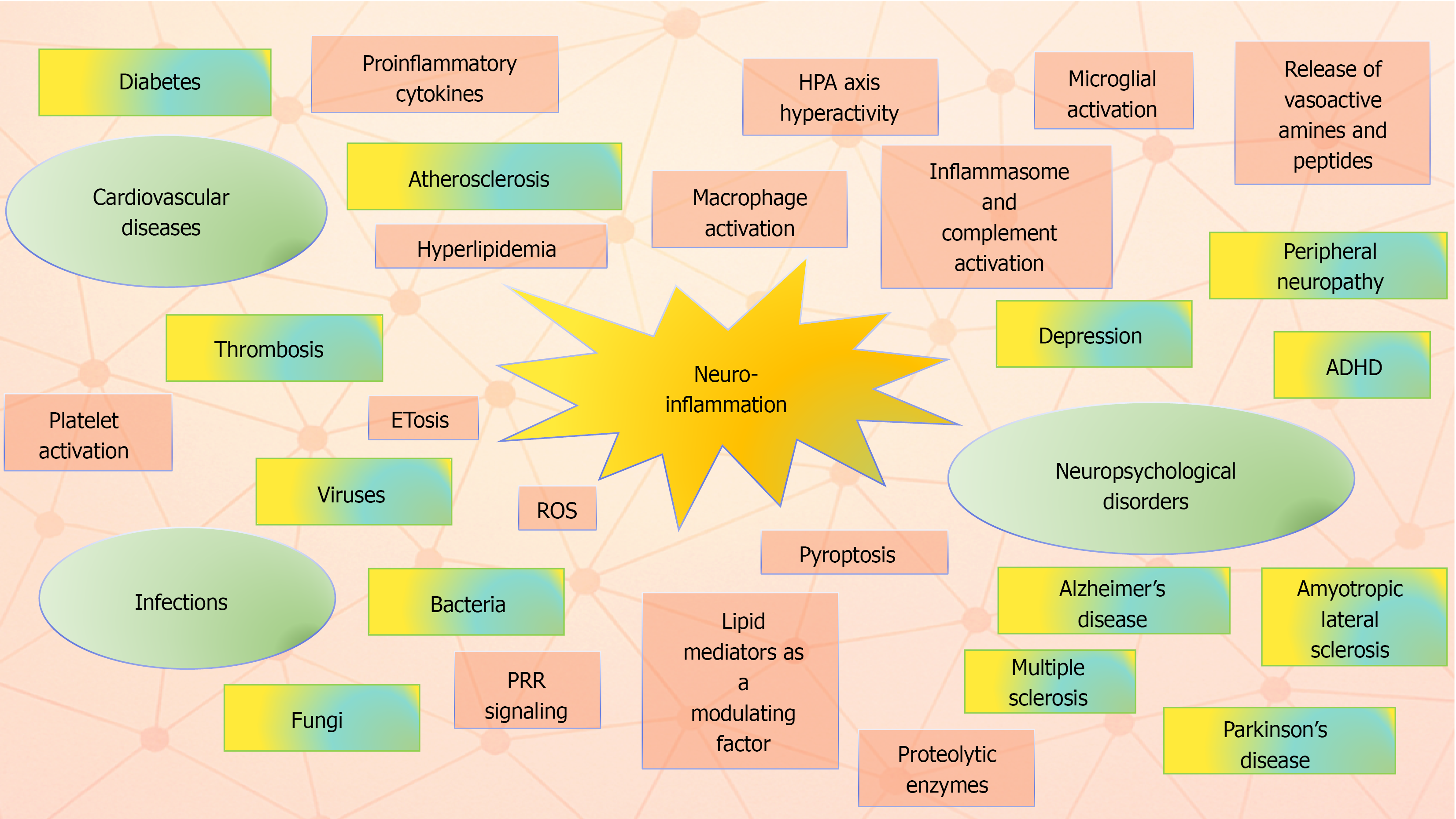
Figure 1 Inter-relation between cardiovascular diseases, infections and neuropsychological disorders.
Inflammatory processes as they occur for, e.g., during infections have an impact on cardiovascular and neuropsychological diseases driving their development and progression[25,34]. Activation of conserved immunological pathways by the pathogen-recognition receptors including Toll- and NOD-like receptors initiates proinflammatory pathways, leading to inflammasome activation and pyroptosis[27,35]. Moreover, infections lead to a disbalance in the Virchow’s triad, driving endothelial dysfunction, altered hemodynamics and stasis. These mechanisms enable, on the one hand, cardiovascular diseases including disturbed microcirculation, (micro-) thrombosis, atherosclerosis, and tissue edema of different end organs, and on the other hand, drive neuropsychological disorders[36-38]. The latter include not only mood disorders and attention deficit syndromes, or neuropathic pain, but can manifest years later as dementia or multiple sclerosis[28,39,40]. On the molecular level, linking elements are among others the activation of leukocytes, platelets, complement and the inflammasome, as well as the release of proinflammatory cytokines, vasoactive amines and peptides, proteolytic enzymes, extracellular traps and reactive oxygen species[29,35,39,41]. A hyperactive hypothalamus-pituitary-adrenal axis drives changes in neuroplasticity with negative impact on mood disorders[42]. These complex networks can be modulated by a variety of factors including lipid mediators like resolvins, lipoxins or those mediators derived from docosahexaenoic acid, and eicosapentaenoic acid[43-45]. Future research should emphasize more strongly on inflammatory pathways to shift gears on the therapeutic potentials of chronic neurodegenerative and neuropsychological diseases. HPA axis: Hypothalamus-pituitary-adrenal axis; ETosis: Extracellular trap formation; ROS: Reactive oxygen species; PRR: Pattern recognition receptor; ADHD: Attention deficit hyperactivity disorder.
- Citation: Löffler-Stastka H, Fuchshuber J, Wadowski PP. Memory and perception: Child maltreatment, inflammation and implications for psychotherapy. World J Psychiatry 2026; 16(9): 115538
- URL: https://www.wjgnet.com/2220-3206/full/v16/i9/115538.htm
- DOI: https://dx.doi.org/10.5498/wjp.115538