
















Copyright: ©Author(s) 2026.
World J Psychiatry. Aug 19, 2026; 16(8): 120504
Published online Aug 19, 2026. doi: 10.5498/wjp.120504
Published online Aug 19, 2026. doi: 10.5498/wjp.120504
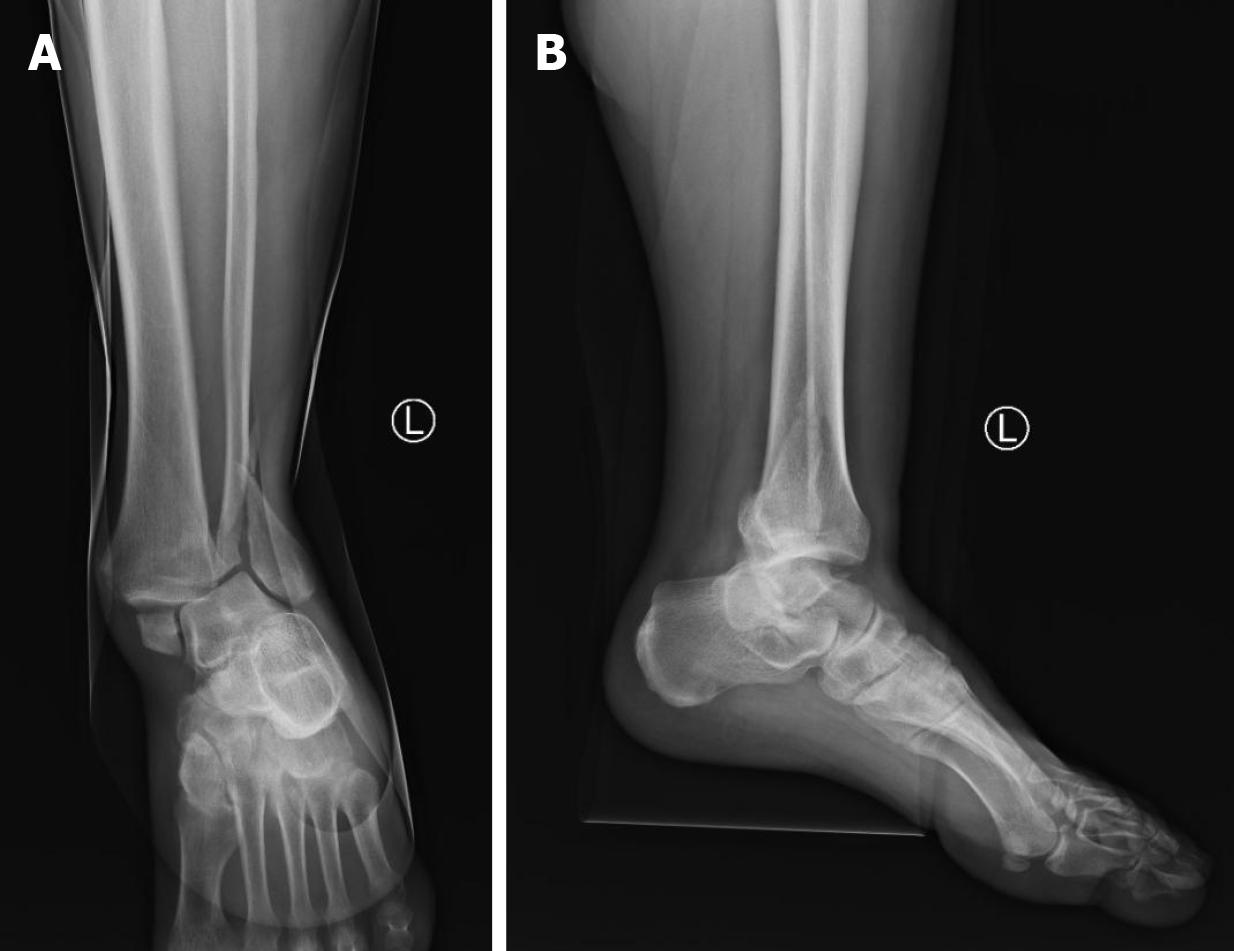
Figure 1 Preoperative imaging data of patients with trimalleolar fractures.
A: Anteroposterior X-ray demonstrating cortical discontinuity of the fibula and medial malleolus, with lateral displacement of the talus; B: Lateral X-ray demonstrating cortical discontinuity of the posterior malleolus, with associated talar displacement.
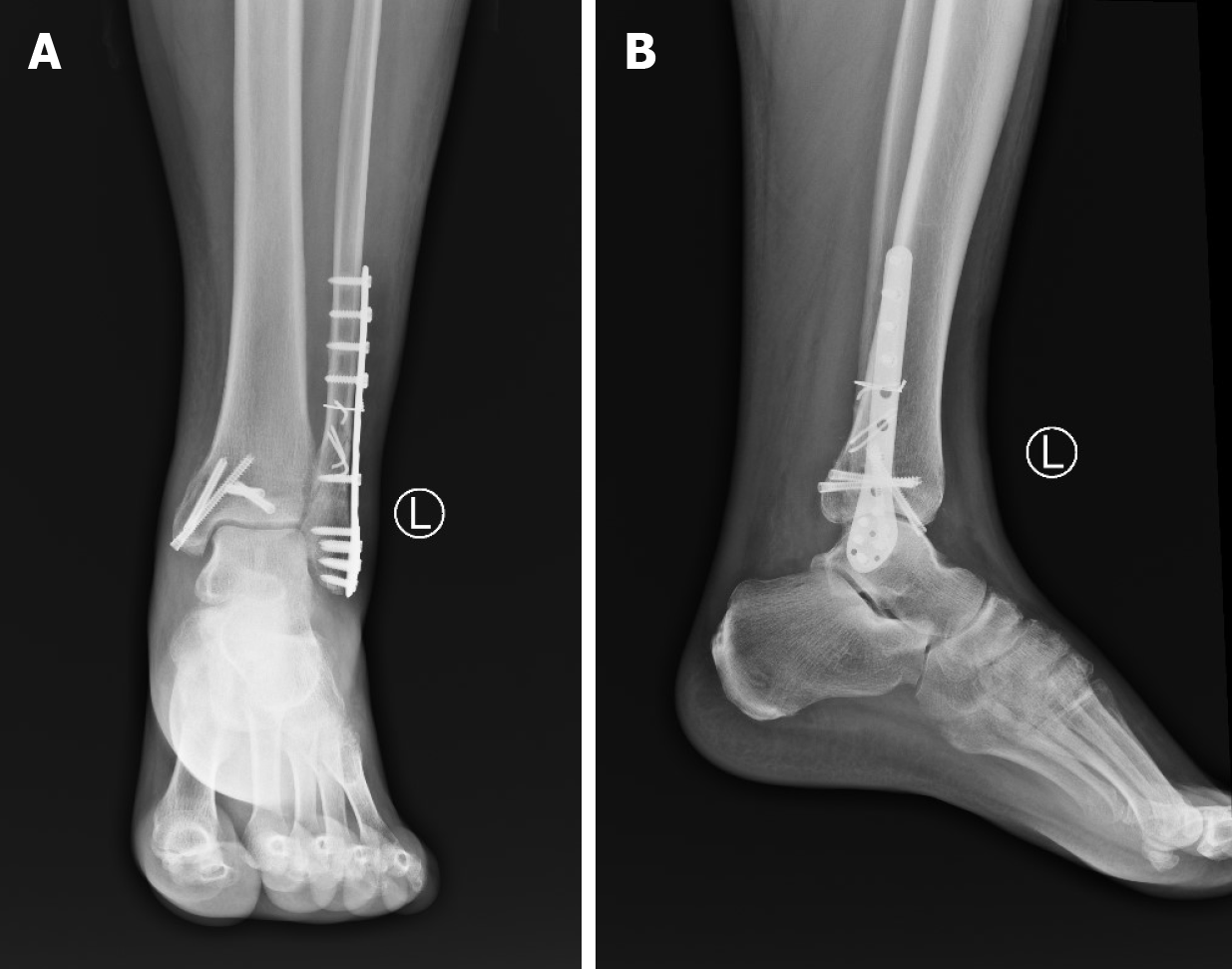
Figure 2 Postoperative imaging data of patients with trimalleolar fractures.
A and B: Anteroposterior and lateral X-rays demonstrating restoration of normal ankle joint alignment, with stable and well-positioned internal fixation and evidence of fracture healing.
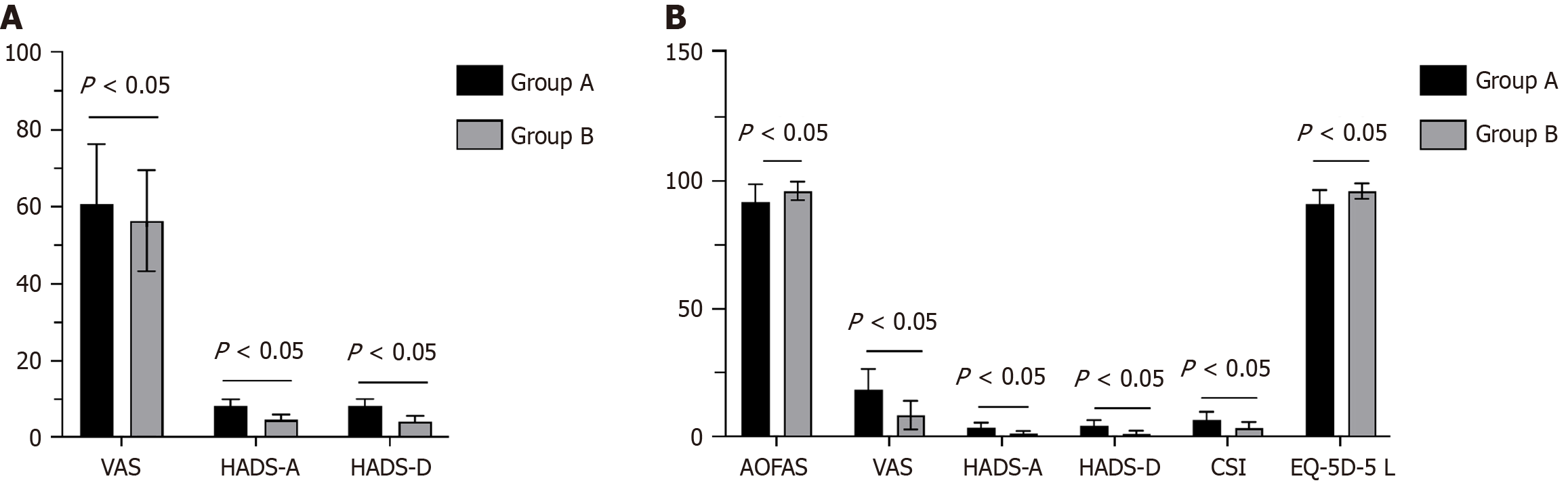
Figure 3 Comparison of evaluation indicators between the two patient groups.
A: Preoperative; B: Postoperative. VAS: Visual Analogue Scale; HADS-A: Hospital Anxiety and Depression Scale-Anxiety; HADS-D: Hospital Anxiety and Depression Scale-Depression; AOFAS: American Orthopaedic Foot & Ankle Society Forefoot Score; CSI: Central Sensitization Inventory; EQ-5D-5 L: EuroQol Five Dimensions Five Levels.
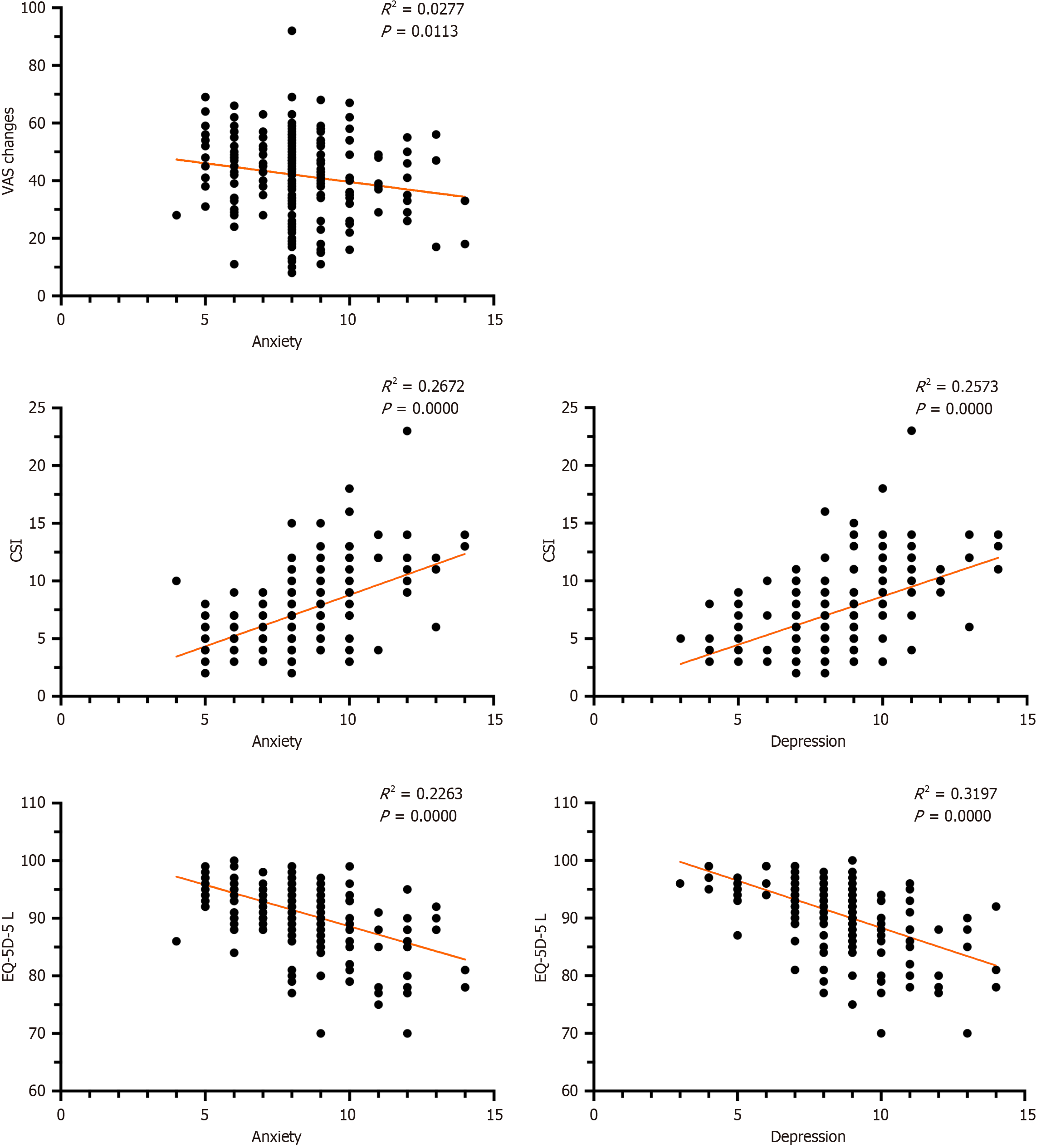
Figure 4 Correlation between surgical prognosis of group A patients and preoperative anxiety and depression.
VAS: Visual Analogue Scale; CSI: Central Sensitization Inventory; EQ-5D-5 L: EuroQol Five Dimensions Five Levels.
- Citation: Liu XC, Cao SH, Qu JM, Huang J, Li Y, Lu J, Xu JK. Influence of mental and psychological states on surgical outcomes following open reduction and internal fixation for trimalleolar ankle fractures. World J Psychiatry 2026; 16(8): 120504
- URL: https://www.wjgnet.com/2220-3206/full/v16/i8/120504.htm
- DOI: https://dx.doi.org/10.5498/wjp.120504